
What Is Heel Bursitis?
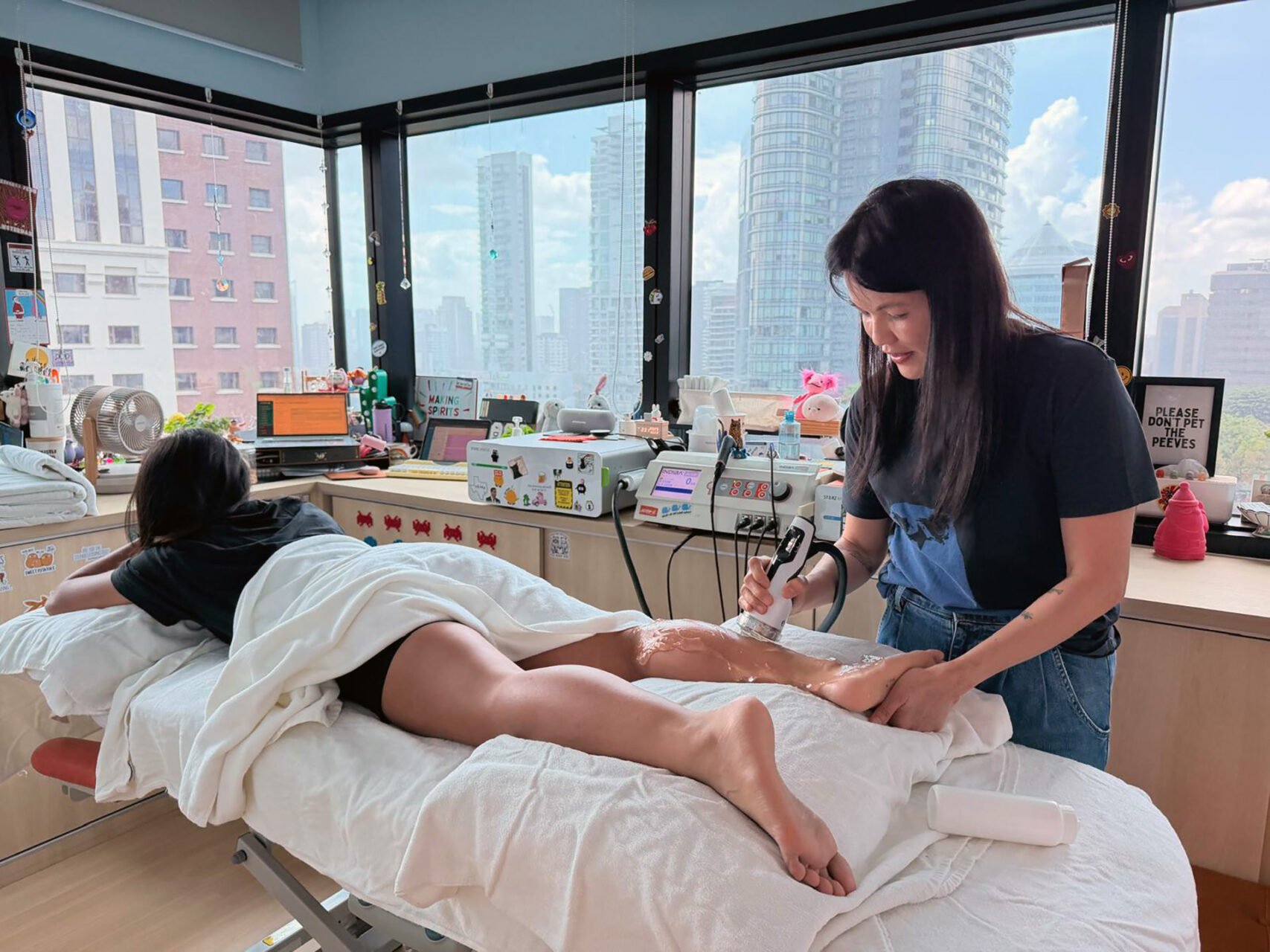
Heel bursitis occurs when the small, fluid-filled sacs (bursae) near the back of the heel bone get inflamed and swollen. Each heel bursa is filled with synovial fluid and, importantly, cushions the bone, tendon, and skin. When the bursa becomes irritated, it causes pain and stiffness, making daily movement hard. The two most common types of heel bursitis are:
- Retrocalcaneal bursitis: Swelling of the retrocalcaneal bursa, located between the Achilles tendon and the heel bone. Retrocalcaneal bursitis is the most common form of bursitis, especially in runners, due to repetitive stress.
- Subcutaneous calcaneal bursitis: Swelling of the subcutaneous calcaneal bursa between the skin at the back of the heel and the Achilles tendon. This type of subcutaneous bursitis is often caused by tight-fitting or ill-fitting shoes.
Both types of bursitis cause the cushion to fail, making every step painful. Heel bursitis is a distinct condition, though it’s sometimes mistaken for Achilles tendinopathy or plantar fasciitis. Most people recover fully with appropriate treatment and physical therapy.
Heel Bursitis Causes and Risk Factors
The most common cause of heel bursitis is overuse of the heel and ankle. Activities that involve repeated pushing off and landing, such as running, jumping or dancing, are frequent culprits, especially when training volume increases suddenly. Without proper conditioning, excessive pressure on the posterior heel increases the risk of developing heel bursitis.
Poor footwear is another major cause. Shoes with stiff heels, narrow boxes, or poor cushioning can squeeze the bursa, and high heels or flat shoes without enough arch support alter the mechanics of the Achilles tendon and increase friction. A rigid back collar can dig into the heel, and switching quickly to a less supportive shoe can also cause problems.
Body mechanics also play a role. Tight calves or limited ankle flexibility may put more stress on the heel. A bony bump on the heel (Haglund deformity) can press on the bursa. Inflammatory joint diseases such as rheumatoid arthritis, ankylosing spondylitis, and gout can also cause bursitis, and aging increases the risk of inflammation among physically active individuals aged 40 and older. In rare cases, a bacterial infection of the bursa may also develop and require prompt medical attention from a healthcare provider.
What Are The Symptoms of Heel Bursitis?
Early symptoms of heel bursitis include pain at the back of the heel that worsens with physical activity and improves with rest. The main symptom is discomfort during or immediately after exercise (especially during push-off while running or walking uphill).
As bursitis worsens, the pain becomes more constant. You might see swelling or a soft, warm, red area behind the heel. It may also hurt to wear shoes with a closed back. Your ankle may be stiff in the morning or after prolonged sitting, and for some, the pain may radiate beyond the heel.
In severe cases, if left unattended, bursitis can alter gait and normal walking forms, leading to strain in the knee, hip, or lower back and other compensatory problems. Recognizing bursitis symptoms early means you and your physiotherapist can prevent a minor irritation from keeping you sidelined for months.
How Is Heel Bursitis Diagnosed?
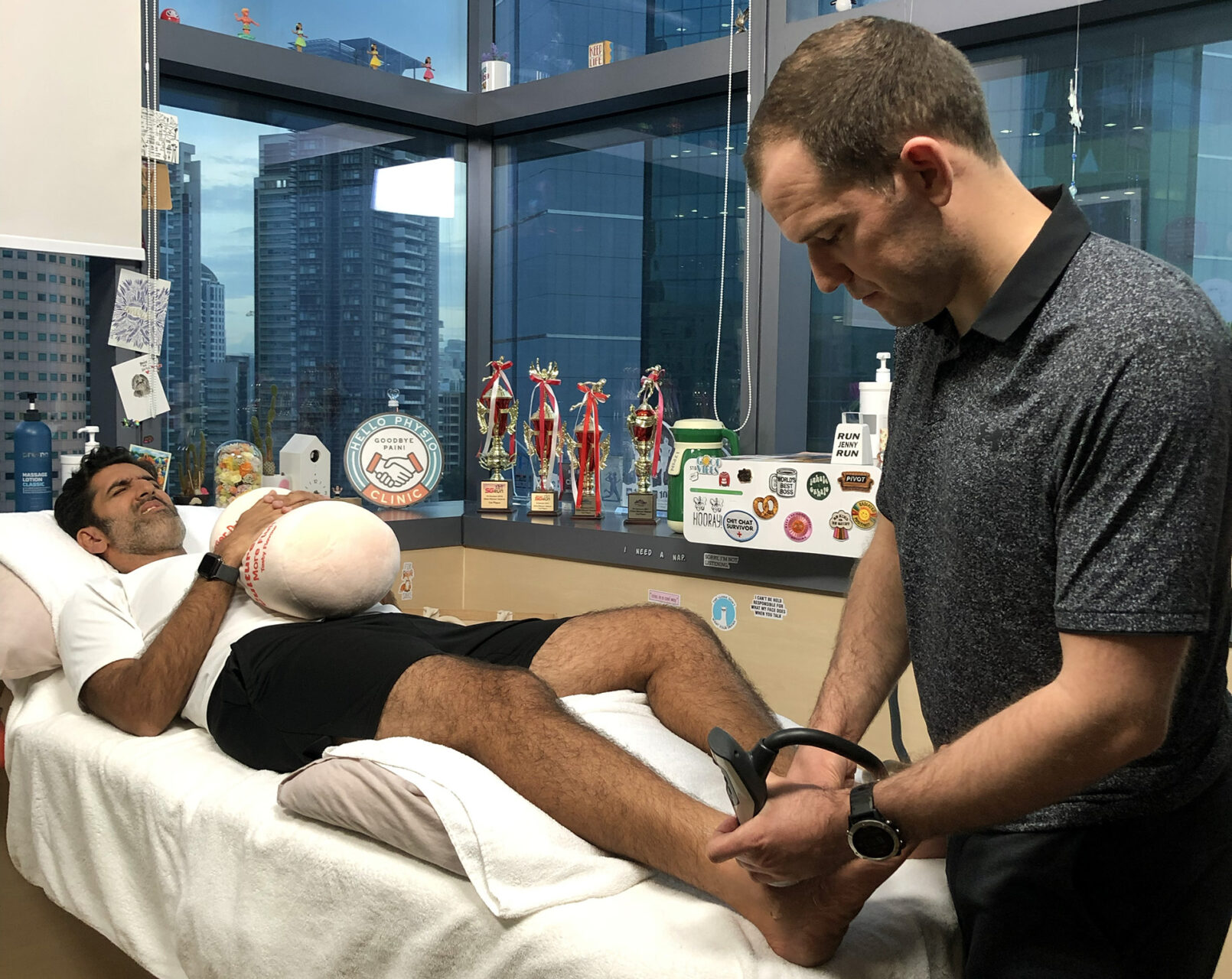
Usually, a simple check-up with your healthcare provider is enough to determine whether you have heel bursitis. Your physiotherapist will feel the area around the Achilles tendon for soreness, swelling or warmth. If pain is elicited when the inflamed bursa is squeezed rather than on the tendon itself, it suggests that the bursa is the problem.
The physical exam also includes assessing ankle range of motion, calf flexibility, and the ability to stand on one heel. Your healthcare provider will look at how you walk and ask about your exercise routine, shoes, and when the ankle pain started. An accurate diagnosis is important because heel bursitis can mimic other conditions.
Imaging tests, such as X-rays, aren’t always needed, but they can help if heel pain doesn’t go away. Ultrasound can demonstrate bursal swelling and rule out a torn Achilles tendon. A magnetic resonance imaging (MRI) can provide more detail if there is concern about a heel bone bump, a stress fracture, or tendon damage.
Heel Bursitis Treatment
Treatment depends on the severity and underlying cause of your heel bursitis. Resting might ease the pain for a while, but the problem will likely recur if you do not address the underlying issues in how you move and apply stress to your foot.
Below are the main treatment options for heel bursitis:
Conservative Treatment and Home Treatments
For mild bursitis, over-the-counter pain relievers, such as nonsteroidal anti-inflammatory drugs, can relieve pain and reduce inflammation. Your healthcare provider may recommend these conservative measures, such as ice and rest, before pursuing more intensive treatment options.
Manual Therapy and Dry Needling
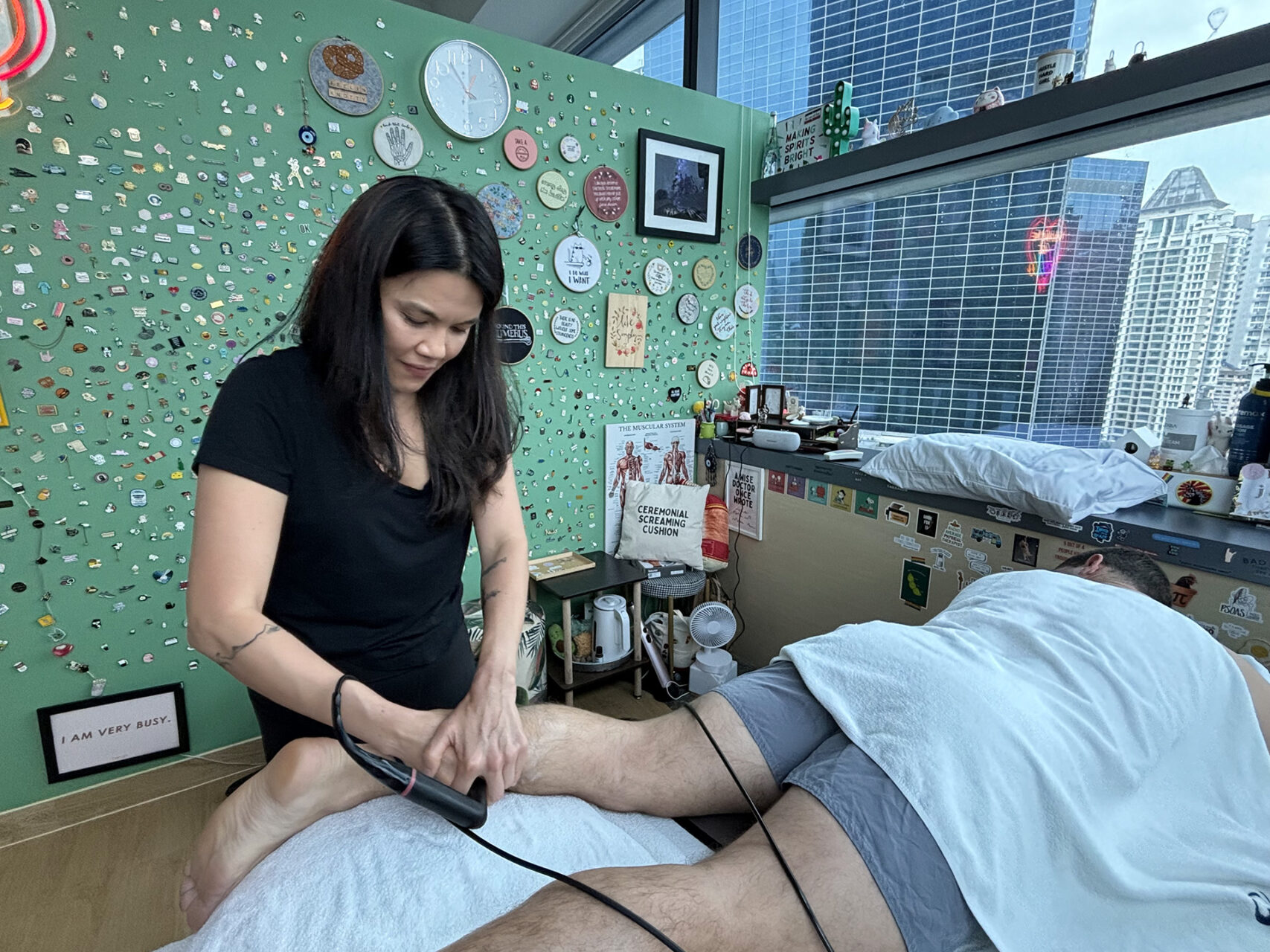
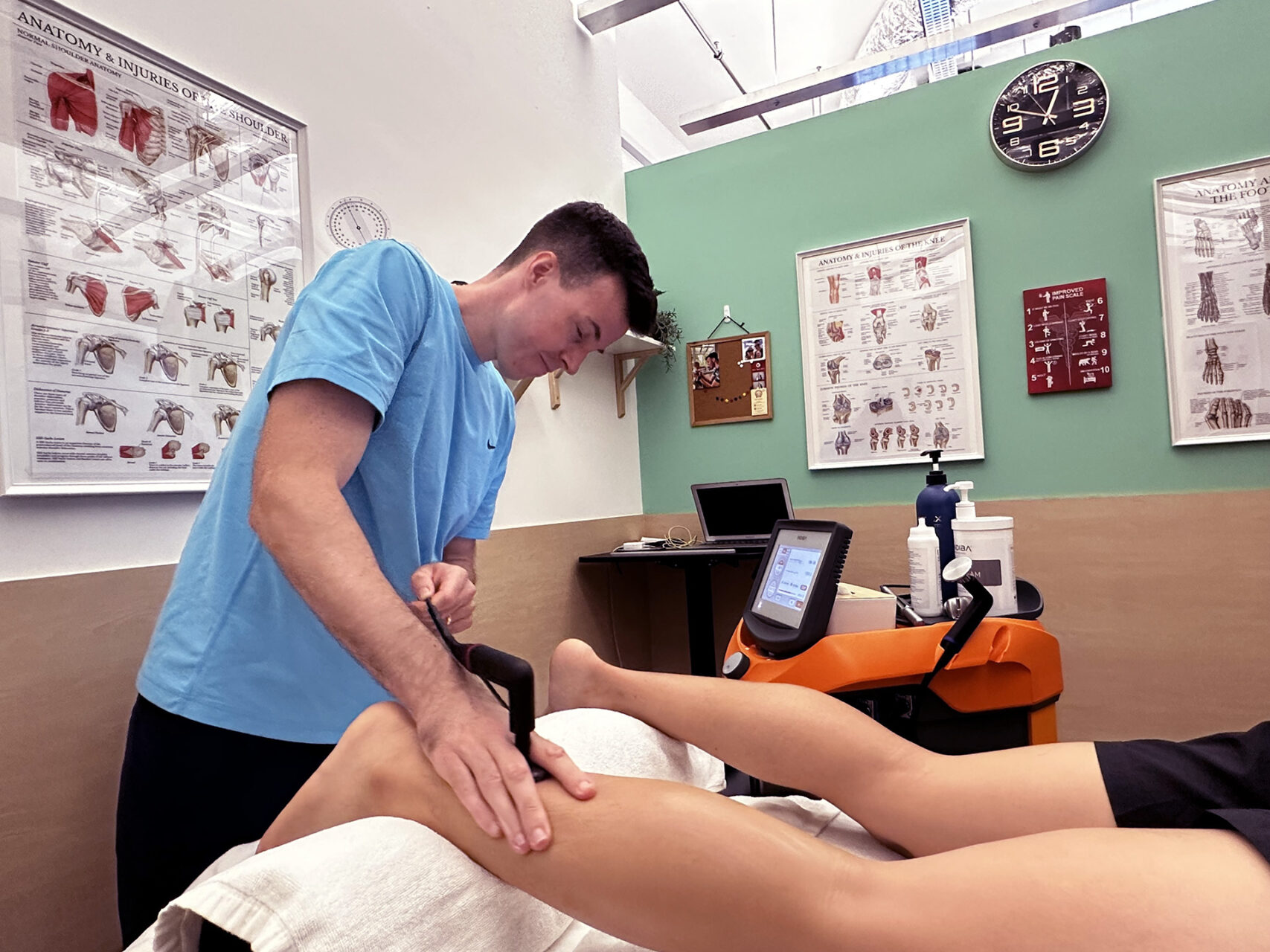
Physical therapy involves massaging tight muscles in the leg and the bottom of the foot to improve flexibility. Needles are used to relax painful knots in the calf muscles, thereby reducing stress and pressure on the posterior heel. This complements the stretching and strengthening exercises.
INDIBA® Radiofrequency Therapy
INDIBA® treatment promotes healing of the affected area by improving blood flow and reducing swelling. It is best used after the initial acute phase to speed recovery. It can be used alongside hands-on manual therapy and exercises for a comprehensive approach.
Shockwave Therapy
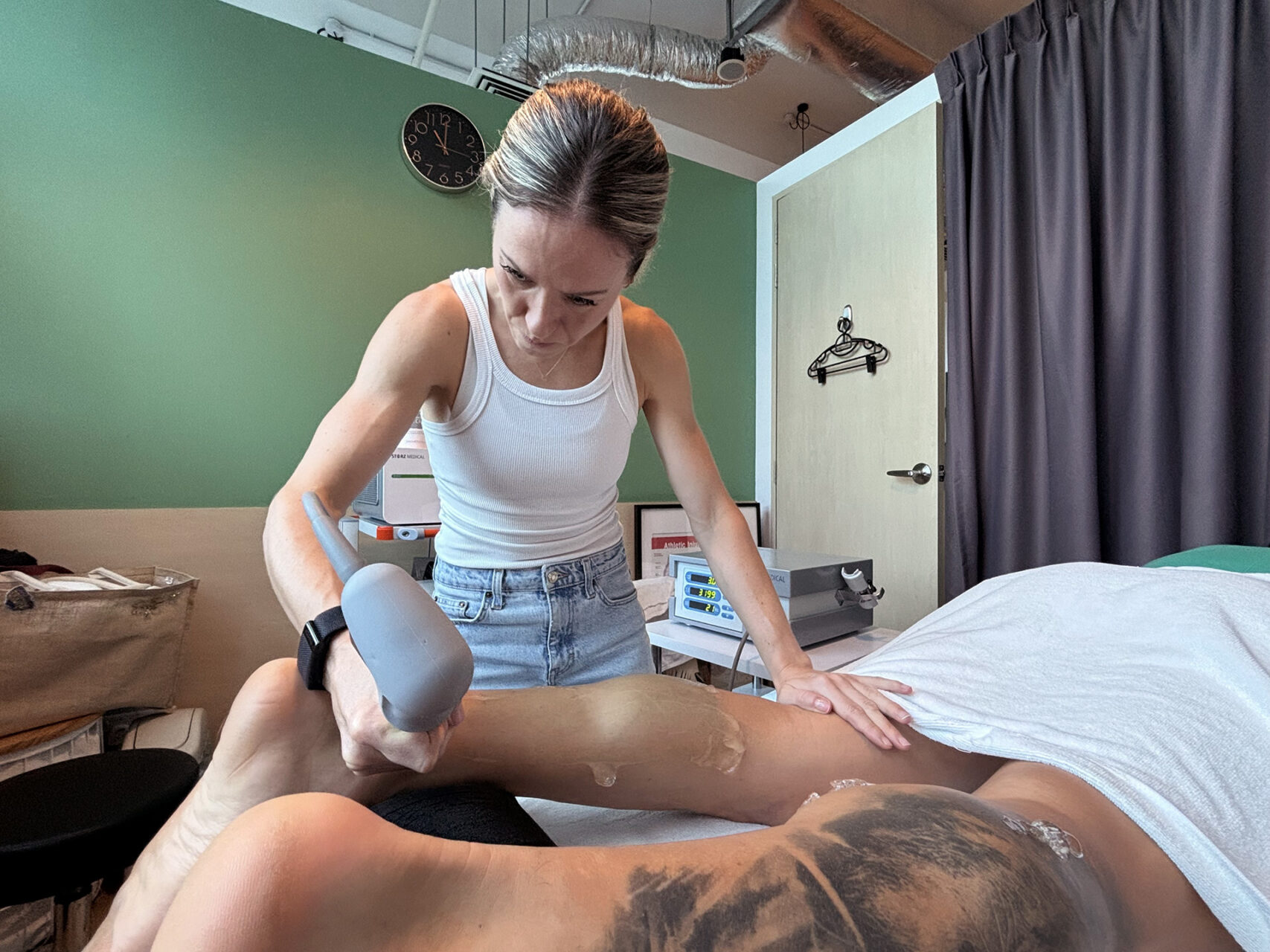
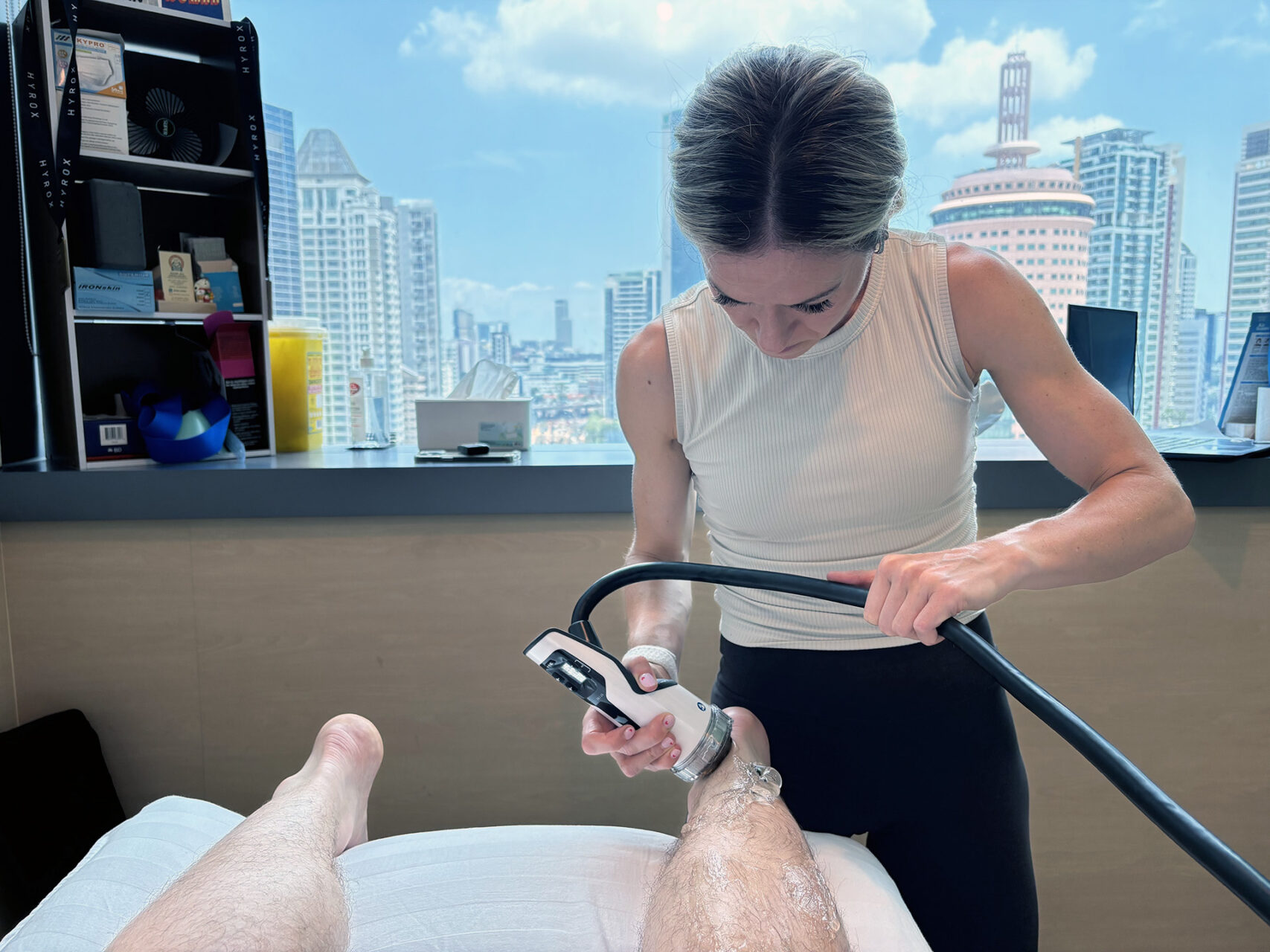
If initial treatments for heel bursitis are ineffective after a few weeks, focused Shockwave Therapy can accelerate recovery. This therapy uses sound waves to target the inflamed area, thereby promoting the growth of new blood vessels and tissue repair. Studies show that Shockwave Therapy is effective for long-term heel pain, especially when combined with exercises to gradually strengthen the foot.
Electromagnetic Transduction Therapy (EMTT)
EMTT employs high-energy magnetic pulses and may reduce pain sensitivity and support tissue recovery, particularly when bursitis symptoms persist. For some individuals with recurrent heel bursitis, EMTT may be paired with Shockwave Therapy to reduce inflammation, thereby enabling the progression of strengthening and load management. These modalities are most effective when used as part of a broader plan that includes footwear modifications and prescribed exercises.
Load Management and Activity Modification
Your physical therapist will help you adjust your workouts, replace high-impact activities (such as running) with lower-impact options (such as cycling or water running), and plan a gradual return to your sport once your heel feels better. It is important to stay mobile, without aggravating the injury.
Targeted Exercise Prescription
Eccentric heel drops on a step strengthen your Achilles tendon and calf muscles while gradually acclimating the bursa to pressure. Isometric holds can help dull pain early on, letting you stay active without making the issue worse. As you recover, your physiotherapist will add jumping and sport-specific strengthening exercises to rebuild your heel’s ability to handle impact.
Footwear and Orthoses
If your shoes are exacerbating your heel bursitis, your physiotherapist will assess your footwear. They might suggest things like putting a small pad under your heel, custom heel wedges, wearing shoes that do not cover the back of your foot, while it’s very painful, or seeing a specialist for custom shoe inserts (orthotics) if the issue is caused by how your foot rolls in too much or there is a bony bump on your heel. Importantly, avoid tight-fitting shoes that place pressure on the heel.
Steroid Injections
If conservative measures do not adequately relieve heel bursitis, your healthcare provider may recommend steroid injections. Steroid injections can quickly reduce inflammation in the retrocalcaneal bursa, providing short-term relief while you continue your exercises.
Preventing Heel Bursitis Recurrence
To prevent heel bursitis from returning, you must consistently perform calf-strengthening and stretching exercises, especially eccentric heel drops and ankle stretches.
Be careful not to increase your running distance or intensity too quickly. Follow the 10% rule: do not increase your mileage by more than 10% in any given week and ensure you rest sufficiently. Wear supportive shoes with proper arch support and a firm, non-stiff heel, and replace old running shoes.
If you have a bone spur or an inflammatory condition such as rheumatoid arthritis, see your physiotherapist regularly to catch irritation early. Heel bursitis is typically caused by a combination of training errors, biomechanical factors and poor footwear. An effective physical therapy plan addresses all three to maximise the likelihood of full recovery.
How HelloPhysio Can Help
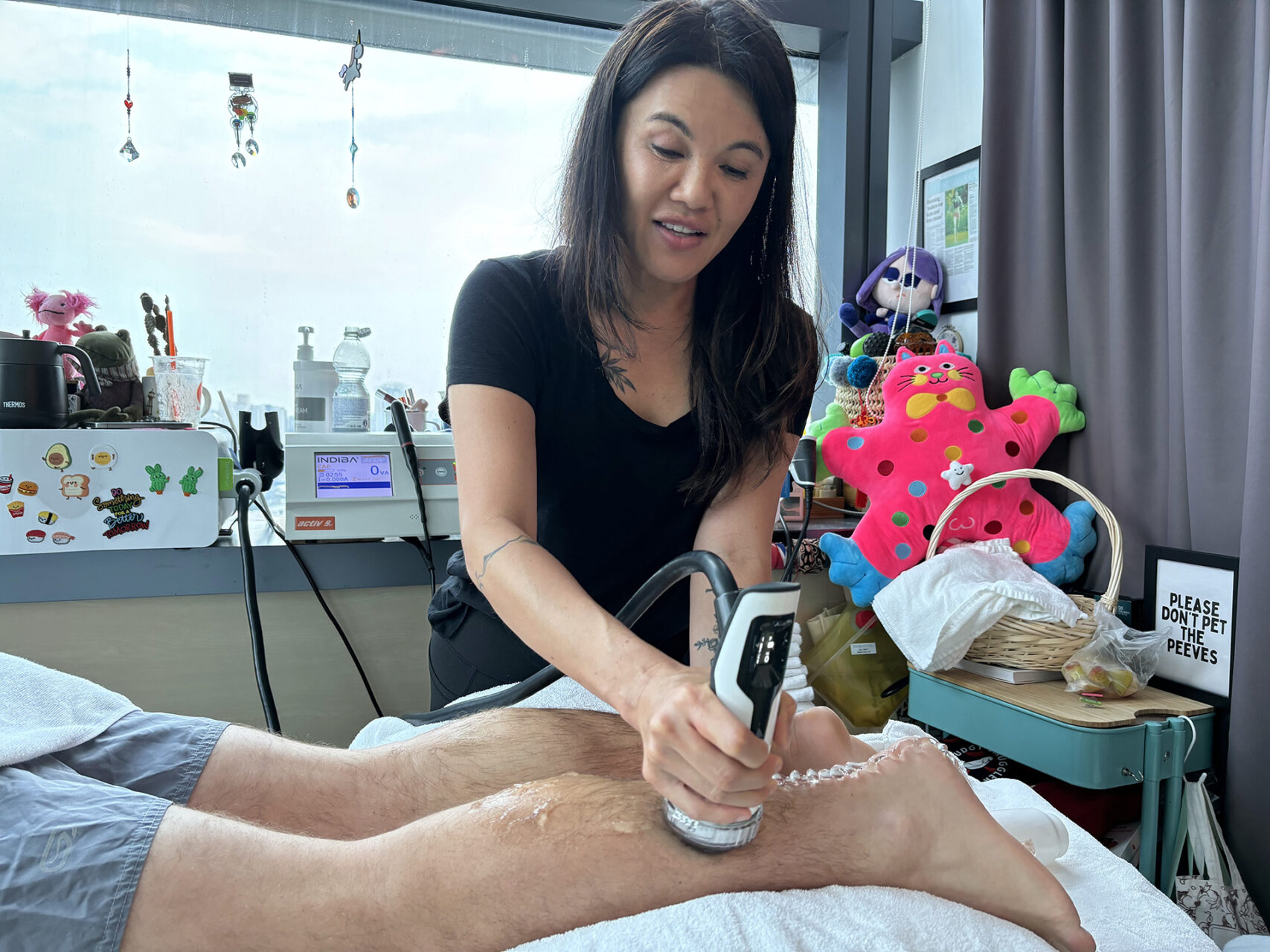
If your heel pain does not go away within two weeks, do not just wait for it to get better. At HelloPhysio, our physical therapists use proven methods and modern equipment to create a personalized recovery plan that fits your life and goals.
Whether you are a serious runner dealing with persistent heel bursitis or you just want to walk without foot pain or ankle pain, we can help. Call HelloPhysio today to book your appointment and start your path to recovery.