Red Light Therapy
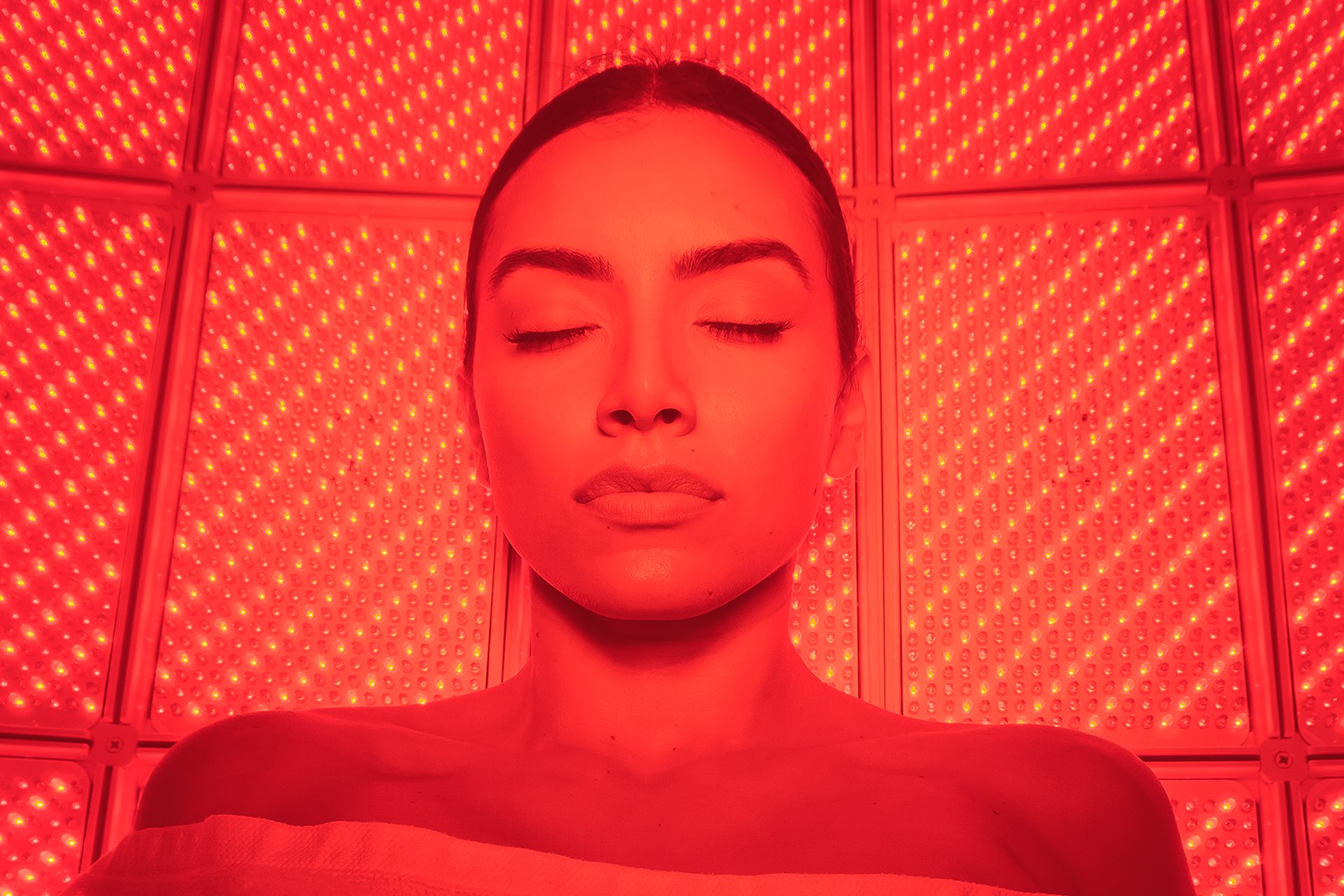
Red light therapy, also called photobiomodulation, is a non-invasive approach that uses low-intensity visible red or near-infrared light.
Researchers have studied it for skin concerns, pattern hair loss, pain relief, wound care, and muscle recovery. Potential benefits depend on the condition, device and dose.
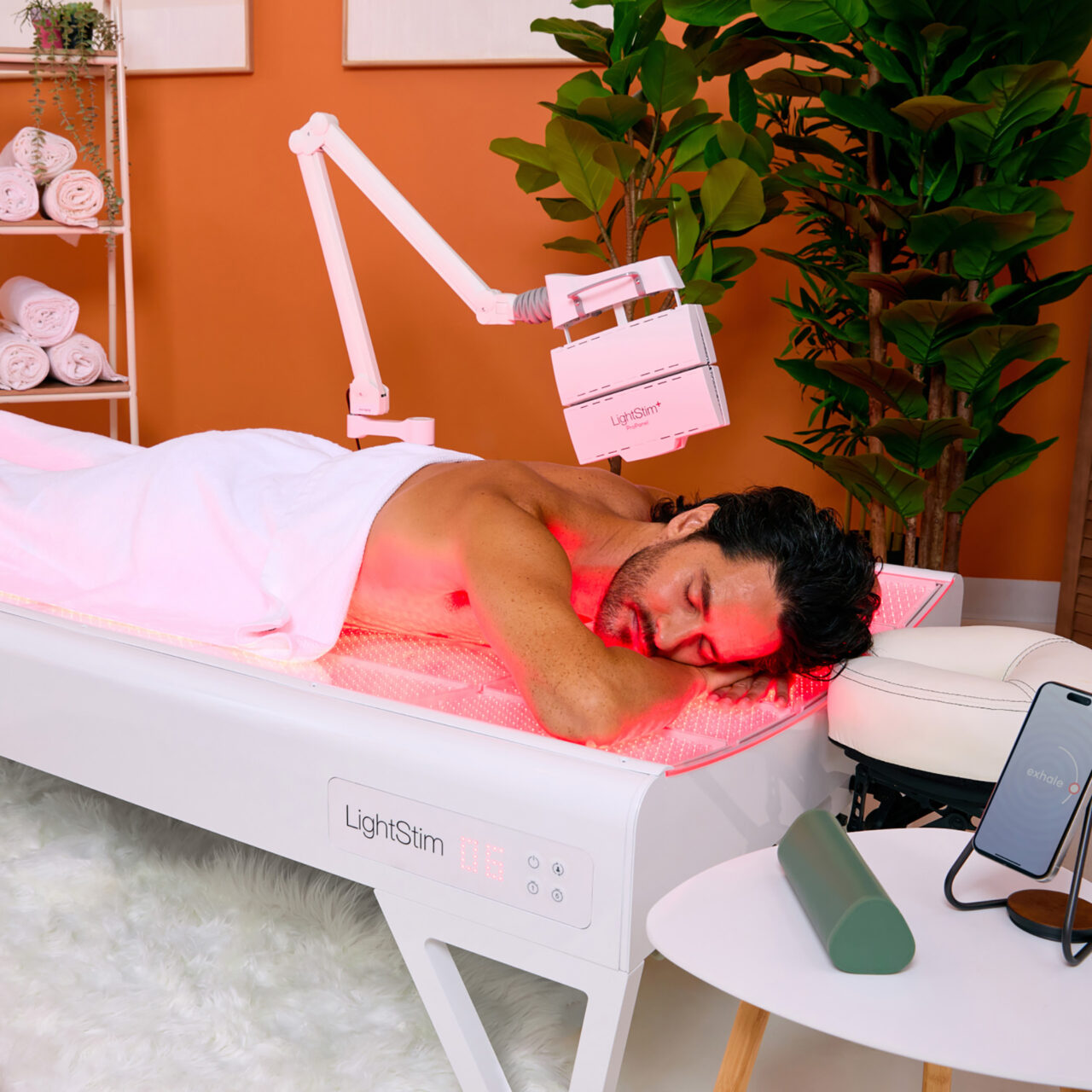
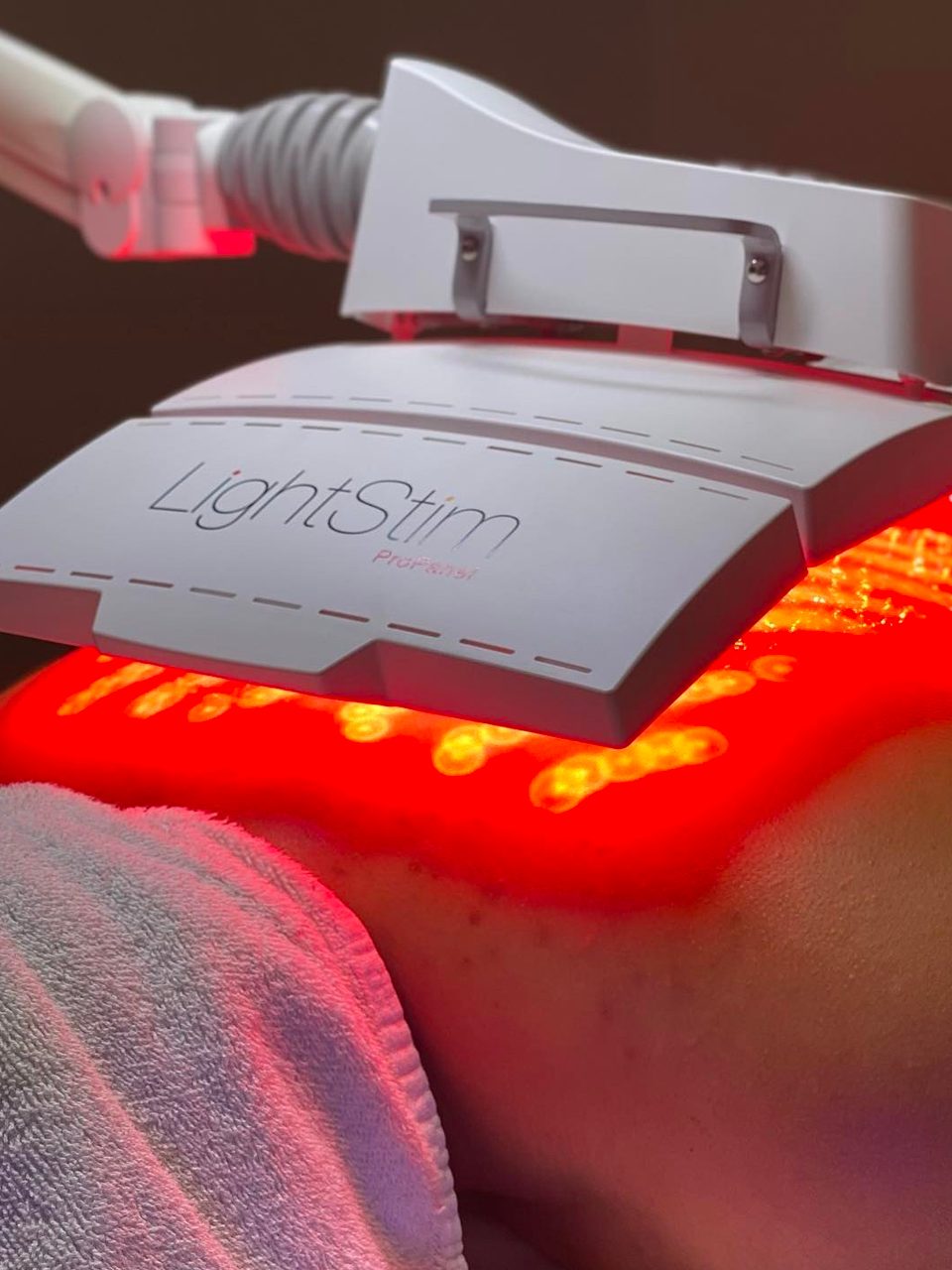
Service update: HelloPhysio no longer provides LightStim® red light therapy or photobiomodulation. We retain this page for general educational information and do not recommend a particular provider or device.
What is Red Light Therapy?
Red light therapy exposes tissue to low-intensity red or near-infrared light. Devices may use light-emitting diodes (LEDs) or low-power lasers.
Photobiomodulation is the broader clinical term. Low-level laser therapy, or LLLT, uses low-power lasers, while red LED light therapy uses LEDs. The terms overlap, but the devices differ.
Red light therapy does not use ultraviolet light or reproduce the full spectrum of sunlight. This difference separates it from sunlight and infrared saunas, which primarily produce heat.
Types of Red Light Therapy Devices
Red light therapy devices include:
- Targeted LED units.
- Low-level laser devices.
- Facial masks.
- Hair caps and combs.
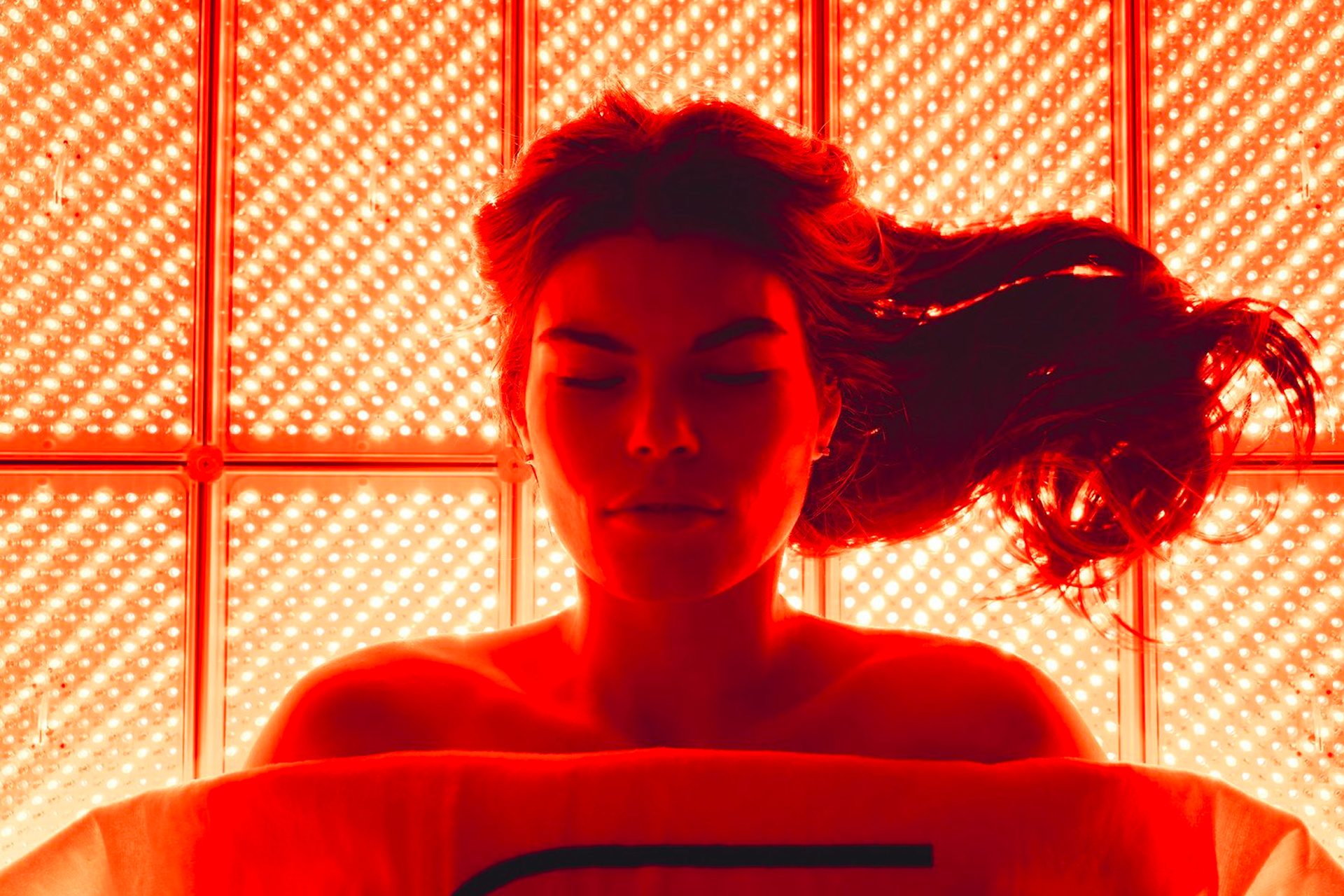
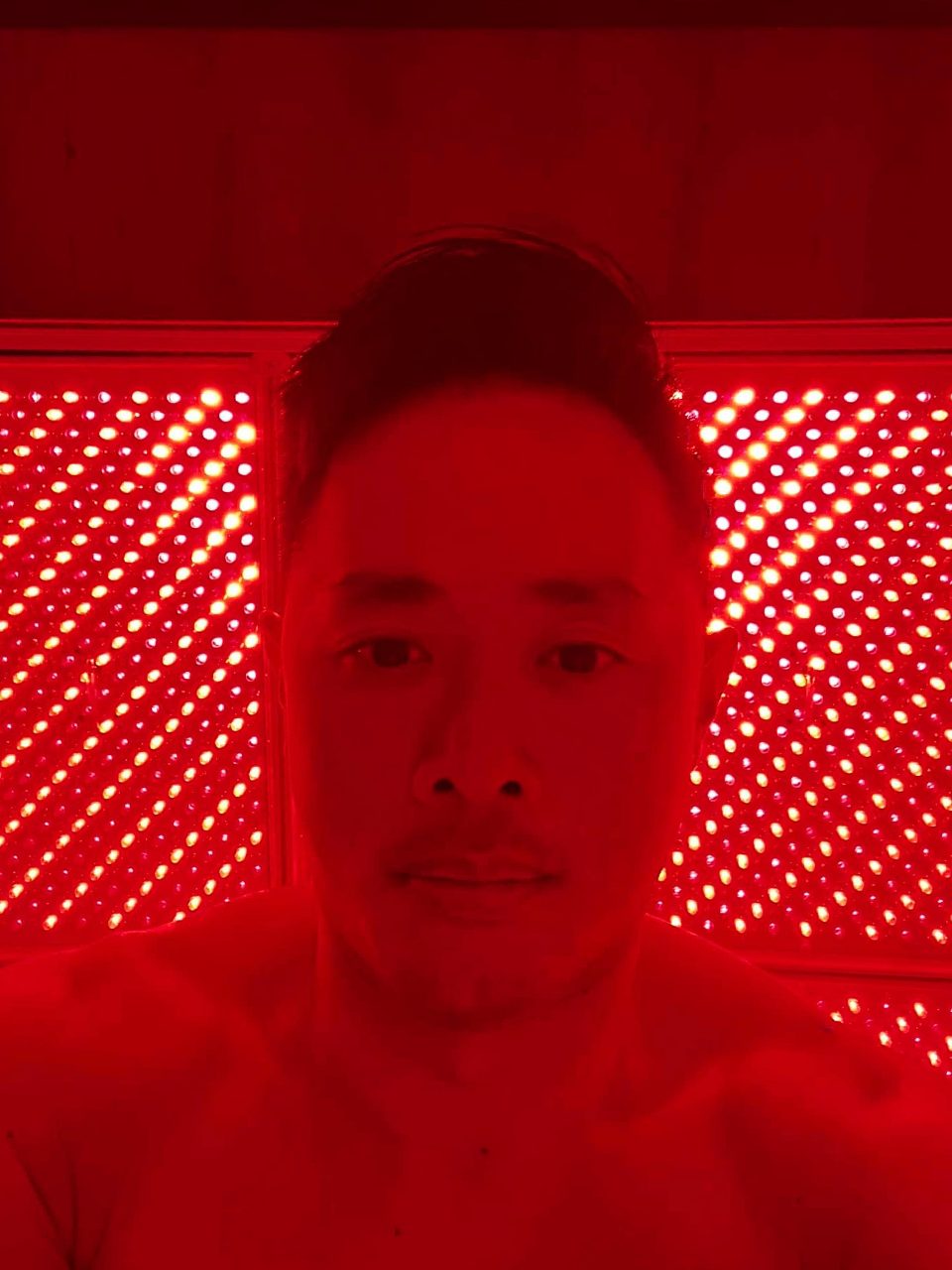
- Body panels.
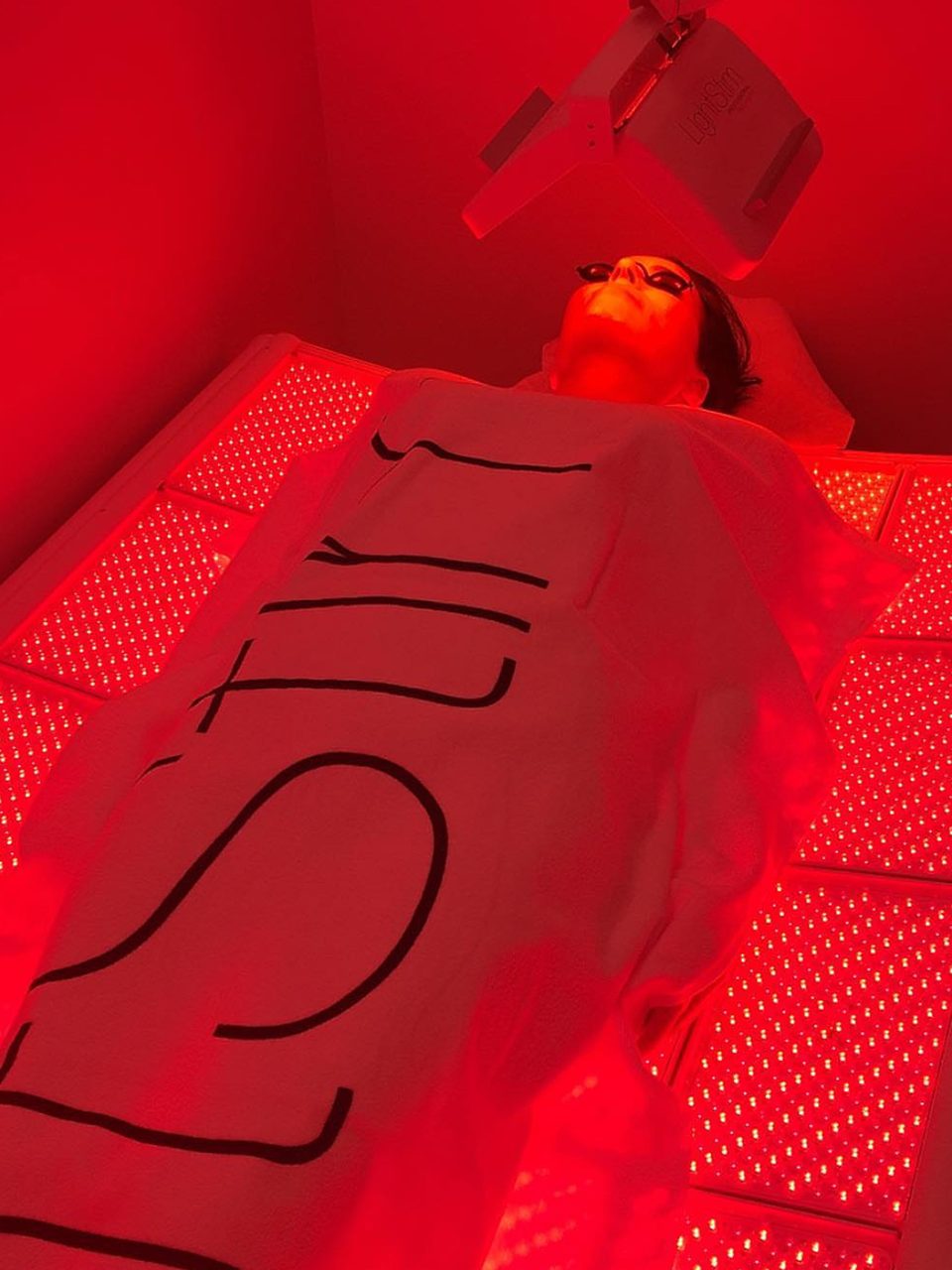
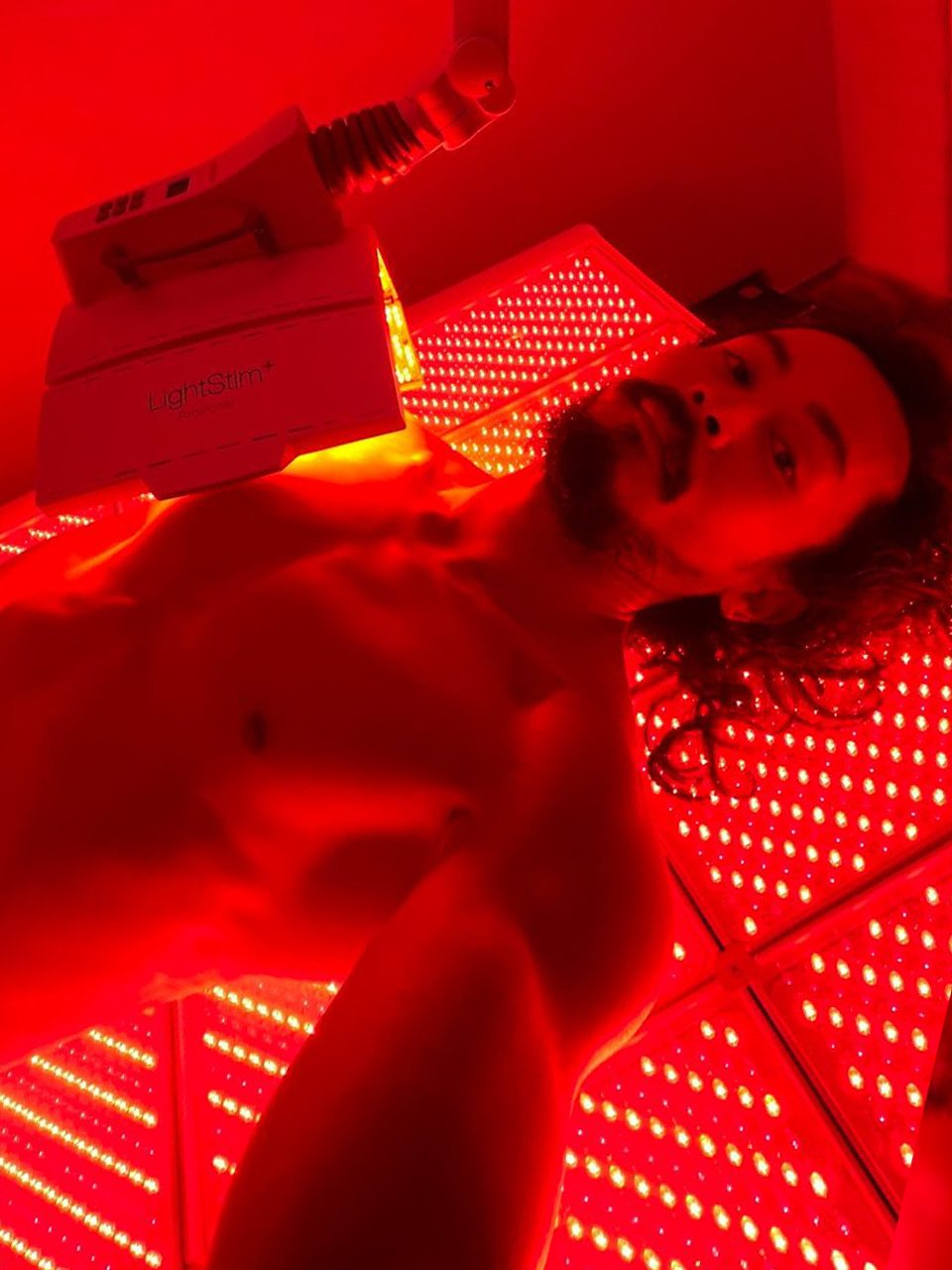
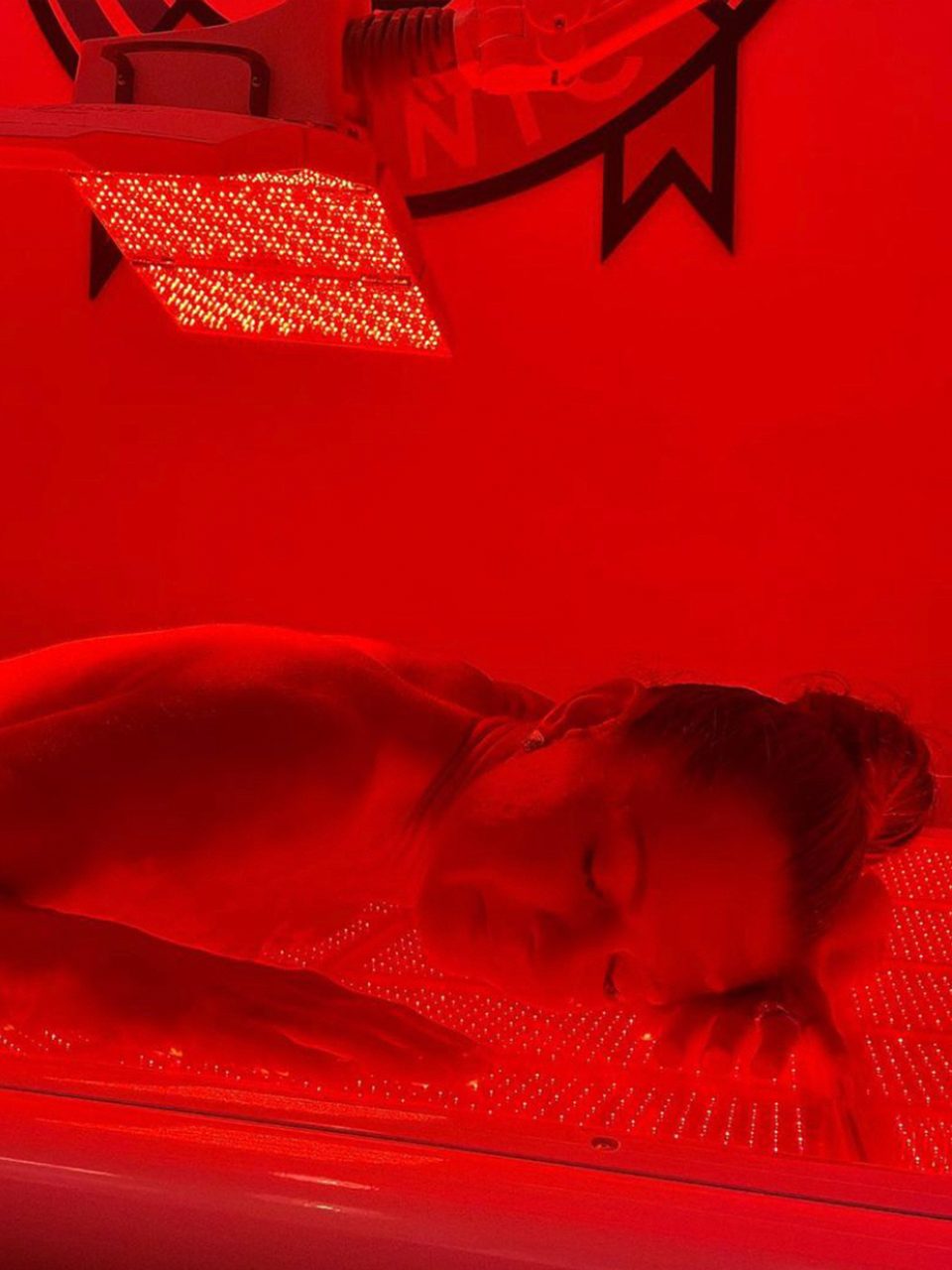
- Full-body red light therapy beds.
- Combination red and near-infrared devices.
You can’t compare devices by size or advertised power alone. The technology, intended use and delivered dose also matter.
| Feature | Why it matters |
|---|---|
| Intended use | A skin device may not be suitable for pain, hair loss or wound care. |
| Wavelength | Different wavelengths reach different tissue depths. |
| Irradiance | This indicates how much power reaches a defined area. |
| Energy dose | Dose combines irradiance and exposure time. |
| Treatment distance | Moving away from a panel changes the delivered energy. |
| Coverage | Large panels cover more tissue but do not guarantee a therapeutic dose. |
| Regulatory status | Clearance or registration applies to a specific device and intended use. |
| Clinical testing | Evidence for one device does not automatically transfer to another. |
How Does Photobiomodulation Work?
Photobiomodulation uses selected wavelengths of light to trigger biological responses in the tissues they reach.
Visible red wavelengths around 630 to 660 nanometres are commonly studied for surface-level applications such as skin care. Near-infrared wavelengths around 810 to 850 nanometres can penetrate deeper, although the depth reached depends on the device, tissue, and application method. Near-infrared light is often selected for deeper tissues, but penetration alone does not determine success.
One proposed mechanism involves light absorption by cellular components within the mitochondria. This may influence cellular energy production, including ATP, as well as cell signalling, blood flow, local circulation and inflammation. These anti-inflammatory effects depend on the wavelength and dose. They do not establish that every device can reduce inflammation or address every condition.
Red light therapy dosage depends on several factors:
- Wavelength.
- Irradiance, or power delivered over a defined area.
- Total energy dose.
- Treatment time.
- Distance from the device.
- Size and depth of the treatment area.
- Frequency of treatment.
More light is not necessarily better. Correct dosing matters because power alone does not determine how much energy reaches cells. The idea that longer exposure always provides greater benefits is incorrect, and excessive exposure may irritate skin.
Does Red Light Therapy Work?
No single answer fits every device or health concern. The difference between a useful approach and a broad claim is the quality of the science behind the exact device.
Research suggests that certain photobiomodulation protocols may help with selected skin concerns and androgenetic alopecia. Some reviews also report short-term improvements in pain and function for specific musculoskeletal conditions, such as knee osteoarthritis. Results may not apply to other conditions or devices.
Acne & Wrinkles
Discover radiant, visibly youthful and healthy-looking skin.
Metabolic Health
Pain Relief
Relieve arthritic, muscle and joint pain.
Sports Recovery
Post-Surgical
Sleep & Mental Clarity
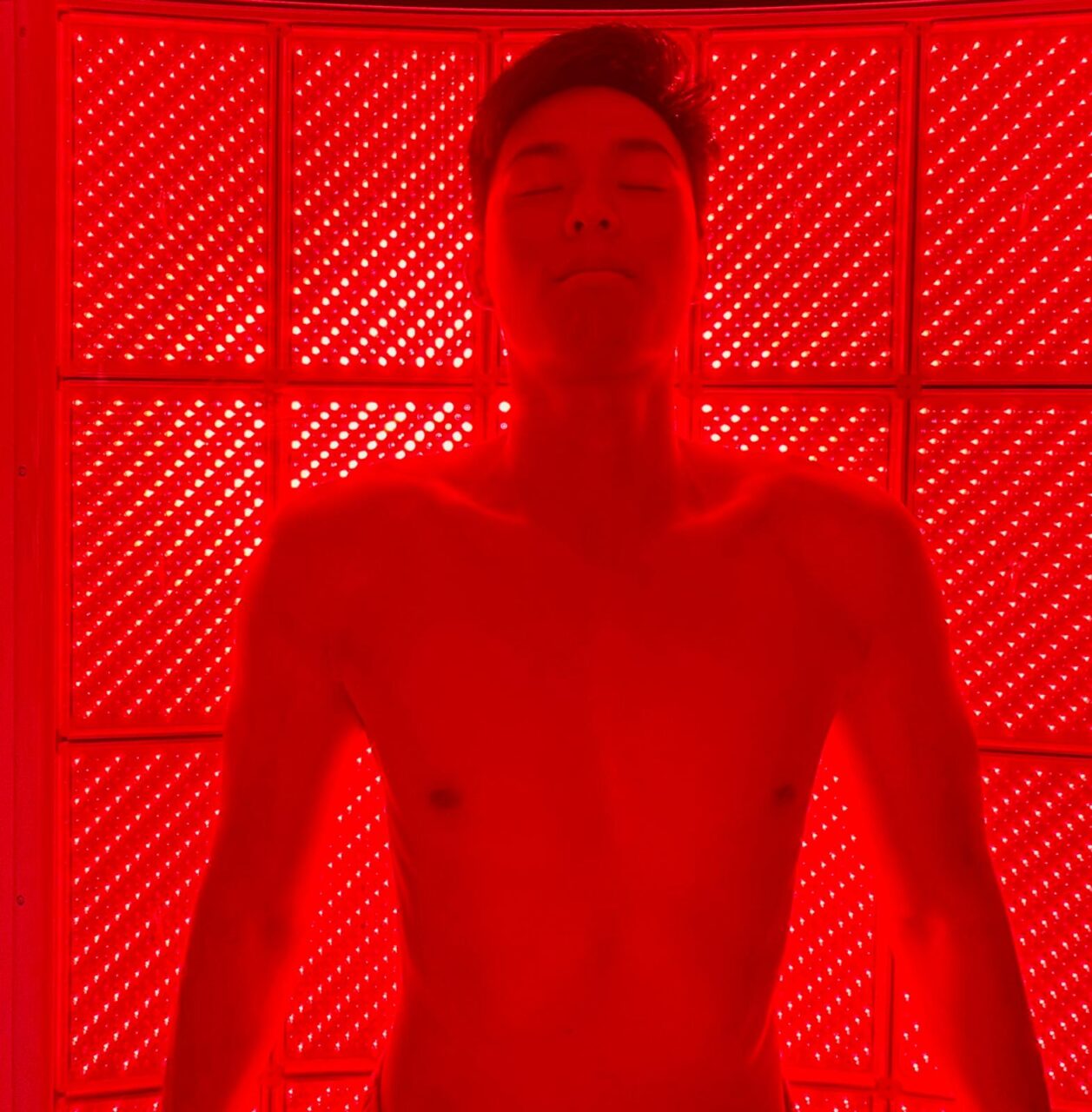
Acne & Wrinkles
Uncover your most radiant skin without harsh chemicals or complicated routines. Address mild to moderate acne, soothe breakouts, and restore your skin’s natural luster.
HELLO CLEAR SKIN
Wrinkle Treatment
Give yourself the beautiful skin you deserve. Maintain your skin’s youthful appearance, nourish your skin from within, and reduce and eliminate fine lines and wrinkles.
For Acne
Metabolic Health
In metabolic health, it promotes insulin sensitivity, assists in fat metabolism, and boosts energy production by enhancing mitochondrial activity.
Boosts mitochondrial activity, enhancing ATP (energy) production to increase energy levels, improve physical performance and overall vitality.
Pain Relief
Soothe your tired muscles, aches and pains. Increase blood circulation and recover faster. Relieve arthritic, muscle and joint pain naturally.
Cellular Function
With oxidative stress being the underlying issue for most diseases and degenerative conditions, reducing oxidative stress and stimulating ATP synthesis can normalize and improve cellular function and activate the body’s healing response.
Stimulates the lymphatic system to reduce edema or swelling caused by tissue fluid buildup, enhances blood flow in myofascial trigger points to alleviate tightness and swelling, and promotes collagen synthesis, improving flexibility and range of motion.
Sports Recovery
Elite and Olympic-level athletes worldwide widely use red light therapy for sports training and recovery because it can modulate physiological responses. Beyond injury management, red light therapy may boost athlete performance by enhancing strength, endurance and the body’s natural recovery process.
Near and infrared light therapy reduces biochemical markers such as cytokine, lactate, and creatine kinase, all of which cause muscle inflammation and damage.
Full-body red light therapy works at the cellular level to restore cell mitochondria homeostasis. It prevents exercise-related cell damage and improves post-training recovery to boost strength and muscle function.
Light therapy induces the production of ATP and oxygen consumption to promote cellular regeneration. It promotes cell growth and recovery from injury by elevating nitric oxide, which improves blood flow – an integral component for health and healing.
Post-Surgical Healing
Advances NASA’s LED technology to new levels of healing. When used during surgical recovery, the regenerative power of red light therapy improves blood circulation, reduces bruising, and speeds healing.
Wound Repair
Promotes haemostasis during wound healing by controlling inflammation, forming a temporary wound matrix, and regulating immune responses to aid tissue repair. It also induces pro-inflammatory cytokines, which are essential for healing.
Speeds Healing
Releases various wavelengths of light energy, reducing pain and enhancing local blood circulation. The accelerated blood flow hastens recovery, facilitates scar healing, and alleviates pain and inflammation..
NASA originally discovered LED light therapy for wound healing in space. This non-invasive treatment is widely used in medicine to support the body’s natural healing processes, having been clinically proven for its safety, efficacy and minimal side effects.
Sleep & Mental Clarity
Red light therapy enhances sleep by optimizing melatonin production and regulating circadian rhythms. It can foster mental wellness by reducing anxiety and depression and improving cognitive function.
Boosts natural melatonin production to improve sleep quality and support rejuvenation. Helps align the body’s biological clock for consistent, restorative sleep and fewer sleep disorders.
Influences brain chemicals linked to mood and sleep, aiding neurotransmitter balance to alleviate anxiety and depressive symptoms, promoting mental well-being.
Improves blood flow to the brain, enhancing oxygenation and nutrient availability to boost cognitive functions, memory, and learning abilities.
Red Light Therapy at Home
At-home red light therapy devices vary considerably. Research from one product may not apply to another. If you are interested in a home device, check:
- The exact wavelength or wavelengths.
- Irradiance at the recommended treatment distance.
- Treatment duration and frequency.
- The condition or cosmetic concern it is intended to address.
- Eye-safety instructions.
Whether the claims match its regulatory status.
Avoid using ordinary red bulbs, heat lamps or decorative LEDs as substitutes. They may not deliver the required wavelength or dose.
How Often Should You Use Red Light Therapy?
No universal red light therapy schedule exists.
Some commercial protocols recommend sessions lasting 10 to 20 minutes several times a week. Do not apply this to every device, because treatment time depends on wavelength, irradiance, distance, and intended use.
Follow the instructions for the exact device. Do not extend a session or move closer to the light to get faster results. Too much light may increase stress on exposed tissues instead of improving recovery.
Safety and Possible Side Effects
Red light therapy is generally described as non-invasive and painless. A painless session does not confirm that the dose is appropriate. Possible side effects include temporary warmth, redness, dryness, irritation, headache or eye discomfort. Skin burns are possible if a device overheats, is used too close to the skin or is used longer than directed.
Eye safety depends on the wavelength and output. Do not stare directly into bright LEDs. Use protective eyewear when required by the manufacturer or treatment provider.
Seek medical advice before use if you:
- Have an eye condition.
- Have a photosensitive disorder.
- Take medicine that increases sensitivity to light.
- Have active or suspected cancer in the intended treatment area.
- Plan to use the device over an open or infected wound.
- Have a new condition that has not been diagnosed.
Red Light Therapy Cost in Singapore
Red light therapy cost varies by device, treatment area, session duration, and number of recommended appointments. Some providers charge by session, while others sell treatment packages.
Before paying for a package, ask:
- What device will be used?
- What is its intended use?
- How many sessions are being recommended?
- What is the total expected cost?
HelloPhysio no longer offers red light therapy and does not provide current session or package pricing.
Red Light Therapy and Physiotherapy
Red light therapy is an adjunctive modality. It does not identify the cause of pain or rebuild strength, mobility and physical capacity.
For a musculoskeletal condition, physiotherapy may involve education, activity modification, targeted stretching, prescribed exercises, progressive strengthening, manual therapy or Clinical Pilates. Select stretching and exercises based on your symptoms and physical findings.
Depending on the diagnosis, a physiotherapist may also consider INDIBA®, Shockwave Therapy, EMTT, Dry Needling or LightSpeed Lift. These treatments have different purposes and are not direct substitutes for red light therapy. They may be integrated into rehabilitation only after an assessment.
Red Light Therapy FAQs
What are the negatives of red light therapy?
Red light therapy does not work for every condition, and results vary by device and treatment protocol. Possible side effects include temporary warmth, redness, dryness, skin irritation, headache or eye discomfort. Burns may occur if a device overheats or is used too close to the skin or for too long. Red light therapy may also delay appropriate care if it is used without first identifying the cause of a symptom.
Is 10 minutes of red light therapy enough?
Ten minutes may be appropriate for some devices, but there is no universal treatment time. The required dose depends on the wavelength, irradiance, distance from the device, treatment area and intended use. Follow the instructions for the specific device rather than extending sessions to obtain faster results. Research protocols vary considerably, and longer exposure is not necessarily more effective.
Is red light therapy available in Singapore?
Yes. Red light therapy is available through some healthcare, aesthetic and wellness providers in Singapore, as well as through consumer devices intended for home use. Availability does not confirm that a device is suitable or effective for a particular condition.
How often should I use red light therapy?
The appropriate frequency depends on the device, dose and reason for use. Some protocols involve several sessions a week, while others use a different schedule. Follow the manufacturer’s instructions or a qualified healthcare professional’s advice. Increasing the frequency or duration does not guarantee better results and may irritate exposed tissues.
Can I use red light therapy at home?
Yes, some red light therapy devices are designed for home use. Before using one, check its intended purpose, wavelength, irradiance, recommended distance, treatment schedule and eye-safety instructions. Evidence from one device does not automatically apply to another. Seek medical advice first if you have a photosensitive condition, take medicine that increases light sensitivity or plan to use the device over an open wound, suspicious skin lesion or area affected by cancer.