

What Is a Rotator Cuff Tear?
The rotator cuff is made up of several tendons that guide and stabilize movement in the arm and shoulder joint. When any of these rotator cuff tendons tear, mobility, strength, and overall quality of life are impacted. A rotator cuff injury, including a rotator cuff tear, can range from mild to severe.
A tear in any rotator cuff tendon disrupts the smooth coordination that lets you reach, lift or throw, and the rotator cuff tendon injury can be partial thickness or full thickness. Acute tears often occur due to trauma, such as a fall onto an outstretched arm, which can cause significant damage to the rotator cuff tendons. This type of acute injury requires prompt attention. It’s essential to understand rotator cuff tears so you know how to prevent them and what support you can get, if you believe you have one now. A torn rotator cuff significantly affects shoulder function.
What Causes a Rotator Cuff Tear?
The rotator cuff is made up of the supraspinatus, infraspinatus, subscapularis and teres minor tendons. The supraspinatus tendon, the uppermost of the four rotator cuff muscles, originates on the scapula (shoulder blade) and inserts onto the humerus (upper arm bone), and is most commonly involved in rotator cuff tears. The rotator cuff tendon attaches to the upper arm bone and enables shoulder motions. Damage to the supraspinatus tendon is a frequent cause of shoulder pain.
Rotator cuff tear causes include the acute overload from a fall or lift, and gradual tendon wear from repetitive overhead activity, repetitive lifting, and load spikes. Degenerative tears are common in older adults due to age-related changes in the rotator cuff tendons. A degenerative tear often occurs slowly over time. This type of degenerative tear is different from an acute injury. It’s also more common to have a tear in the dominant arm due to increased use and repetitive stress.
A rotator cuff muscle tear often reflects both tissue load and capacity, and rotator cuff tendinopathy is a related condition involving chronic tendon degeneration. This rotator cuff problem affects many patients. Treatment focuses on improving capacity without re-aggravating the rotator cuff injury.
Knowing the specific cause of your rotator cuff tear helps us choose the right starting loads and progressions so you can move with less fear and more control. Understanding your torn rotator cuff and rotator cuff tear is the first step to recovery.
What Are the Risk Factors for a Rotator Cuff Tear?
It’s worth noting that certain risk factors can make you more susceptible to developing a rotator cuff tear, cuff tear, or rotator cuff injury.
- Your Age Matters: Age is one of the most significant risk factors here. Most people start seeing these shoulder injuries after hitting 40. That’s simply because the essential rotator cuff tendons naturally lose some of their strength and elasticity over time. As we age, rotator cuff tendons become less resilient, their health declines, and the blood supply to the shoulder becomes limited.
- Repetitive Overhead Work: If your job or sport keeps your arms up over your head a lot, think painters, construction workers, or warehouse staff constantly doing repetitive lifting, you’re putting the affected shoulder and shoulder tendons under extra duress. This frequent, high-stress movement, involving overhead activities and the same shoulder motions, accelerates rotator cuff wear and tear.
- High-Demand Sports: Athletes whose sports involve frequent, powerful, repetitive arm movements, such as tennis players, often experience rotator cuff overuse injuries and shoulder injuries. Their shoulders take a pounding from overhead activities, increasing the likelihood of a rotator cuff injury. Shoulder muscles also become fatigued.
- Hidden Health Factors: If rotator cuff problems run in the family, your risk is probably higher. Lifestyle choices like smoking can restrict blood supply and blood flow to the rotator cuff tendons, depriving them of the nutrients they need to stay healthy. Certain medical conditions, such as diabetes or rheumatoid arthritis, can also affect the overall health of your connective tissues, weakening them and contributing to rotator cuff disease.
- Previous Injuries: And finally, if you’ve already had a rotator cuff problem, rotator cuff injury, or have a history of chronic shoulder instability in the affected shoulder, you’re unfortunately more likely to experience another tear down the road.
What Are the Types of Rotator Cuff Tears?
Rotator cuff tears are usually described by depth, size, and location within the shoulder joint. Understanding the type of tendon tear is crucial for treatment planning.
It is essential to distinguish between a partial tear and a complete tear. A complete tear involves full detachment of the rotator cuff tendon from the bone, affecting the shoulder joint. It often requires more extensive surgical procedures, such as rotator cuff repair or even shoulder replacement. A torn rotator cuff of this severity affects the humeral head attachment.
Partial-thickness tears involve part of the tendon and may heal with nonsurgical treatment or require surgical intervention. A partially torn tendon may respond well to conservative care. In some cases, surgeons may perform tear completion, converting a partial tear into a full-thickness tear to improve the outcomes of rotator cuff repair.
Tears can be small and focal or large and retracted. Knowing the types of rotator cuff tears matters because load tolerance, time frames and exercise choices differ. Even with a larger torn rotator cuff, many patients improve with skilled non-invasive care that rebuilds strength and control while managing shoulder pain.
What Are the Symptoms of a Rotator Cuff Tear?
Rotator cuff tear symptoms include pain in the outer shoulder or upper arm, night pain when lying on the affected shoulder side, arm weakness with overhead reach, and a painful arc when lifting. Some people feel catching or grinding in the shoulder joint; others simply notice that tasks like fastening a bra strap, reaching into the back seat, or serving a tennis ball have become sharp and unreliable. Arm weakness is a common sign of a rotator cuff tear, even if shoulder pain is not severe. You may also feel a dull ache deep in the shoulder.
Severe pain may occur with acute injury or traumatic tears. Complete tears often cause more pronounced arm weakness, reduced arm strength, and reduced shoulder function, whereas partial tears may present with milder symptoms. A complete tear requires prompt evaluation. Chronic shoulder pain is common with rotator cuff injury. Because rotator cuff tear symptoms can overlap with bursitis or frozen shoulder, a structured assessment is essential.
How Is a Rotator Cuff Tear Diagnosed?
Rotator cuff tear diagnosis starts with a thorough history and physical examination. A physical exam is essential for diagnosis and includes inspection, palpation, range-of-motion, and strength testing of the affected shoulder. We use special tests to bias individual rotator cuff tendons and each rotator cuff tendon to observe how the shoulder blade contributes.
Your physiotherapist may suggest an ultrasound or magnetic resonance imaging (MRI) to clarify the tears and their location. Magnetic resonance imaging is beneficial for visualising soft-tissue injuries and the extent of rotator cuff tears. An MRI provides detailed images of the rotator cuff tendon and surrounding structures. X-rays may show bone spurs, which are associated with chronic rotator cuff disease. Bone spurs can impinge on the rotator cuff and contribute to shoulder pain.
What Are the Consequences of a Rotator Cuff Tear?
Many people experience chronic shoulder pain that interferes with work, hobbies and sleep. Shoulder pain from a rotator cuff injury can be debilitating. As the tear progresses, you may notice persistent pain that limits your range of motion and makes it difficult to lift your upper arm or perform daily tasks. This persistent pain affects quality of life.
If left untreated, a rotator cuff tear can lead to muscle weakness in the affected shoulder, further tendon damage, and even muscle atrophy around the shoulder joint. A torn rotator cuff that goes untreated worsens over time.
In some cases, complications such as adhesive capsulitis (frozen shoulder) can develop, leading to severe stiffness and a permanent reduction in shoulder mobility. The ball and socket joint, or glenohumeral joint, of the shoulder becomes restricted. The rotator interval may also be affected. Over time, untreated rotator cuff injuries can also contribute to the development of shoulder arthritis, glenohumeral arthritis, or bursitis, making dysfunction even worse. Early diagnosis and treatment are key to preventing these long-term consequences and restoring healthy shoulder movement. You may need to repair tendon damage before it progresses.
What Does Effective Treatment Look Like?
Nonsurgical treatment is often the first line of care for many rotator cuff tears, before considering surgery. Nonsurgical treatment options include physical therapy, medication, and rest. Rotator cuff tear treatment pairs targeted physiotherapy with smart load management to relieve pain and restore shoulder function.
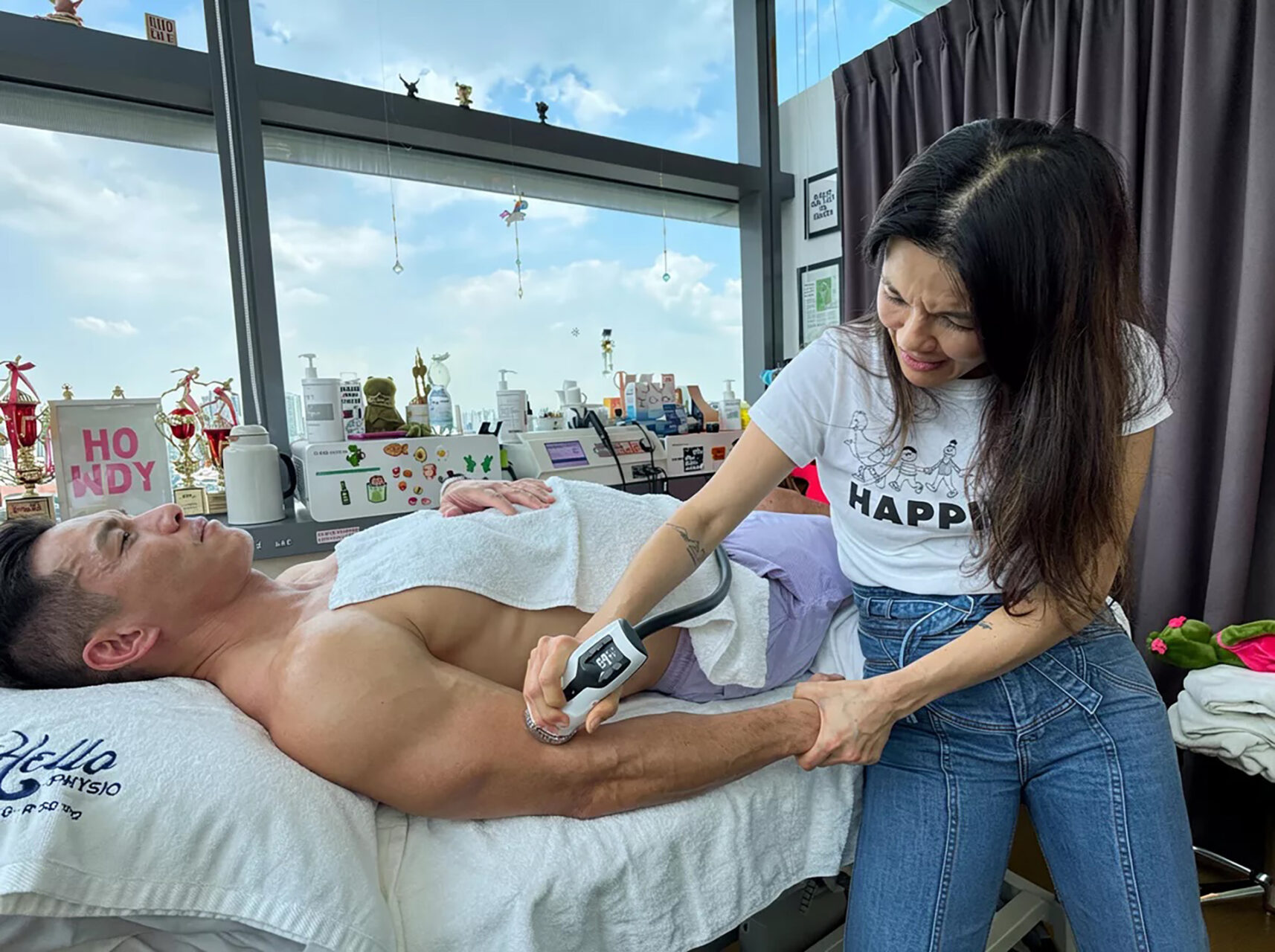
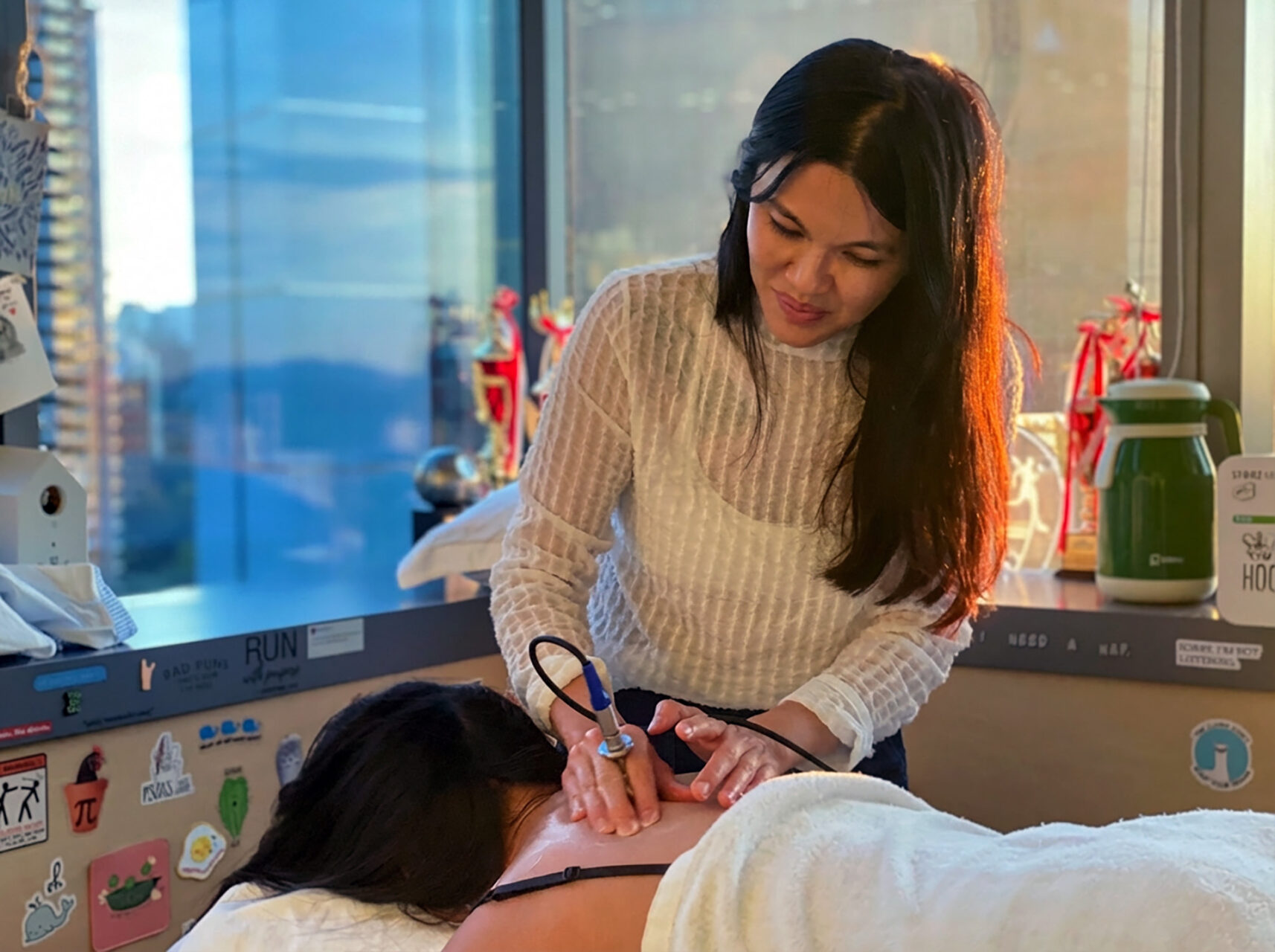
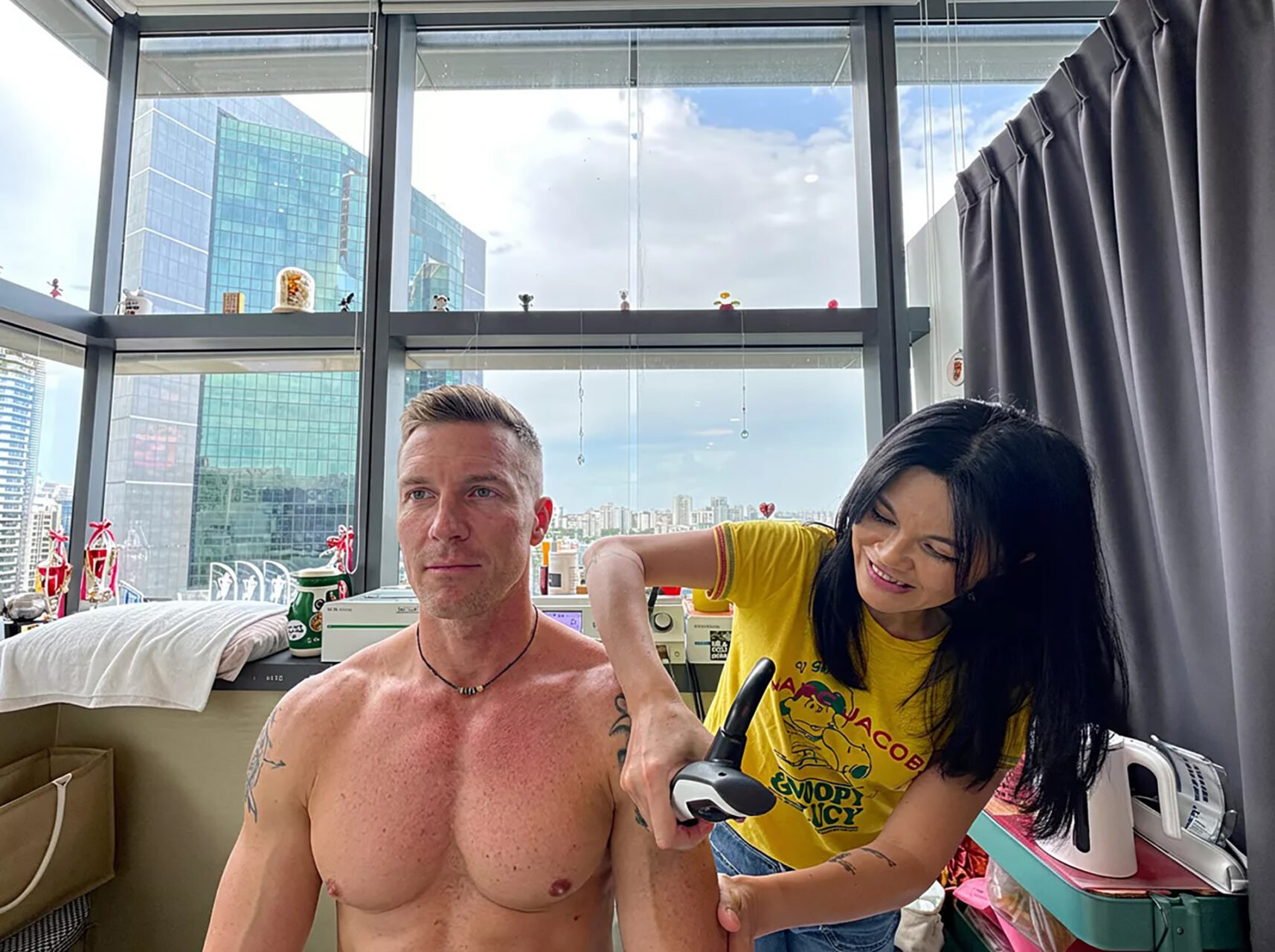
At HelloPhysio, rotator cuff tear physical therapy focuses on rebuilding capacity around the shoulder complex, not just the torn rotator cuff or torn tendon. Physical therapy is essential for rotator cuff injury recovery. Adjunctive tools can provide pain relief during rehabilitation and help at the right moments:
- INDIBA® supports circulation and comfort, so manual therapy and stretching exercises become easier.
- Shockwave Therapy is helpful for chronic tendon irritability that resists loading and can relieve pain.
- EMTT offers noninvasive pain modulation to help you train more consistently.
In some cases, issues with the biceps tendon may also need to be addressed as part of the treatment plan. Together with a clear home program that includes strengthening exercises, this approach delivers relief from a rotator cuff tear while building long-term resilience for your rotator cuff injury.
What Exercises Help, and How Should They Progress?
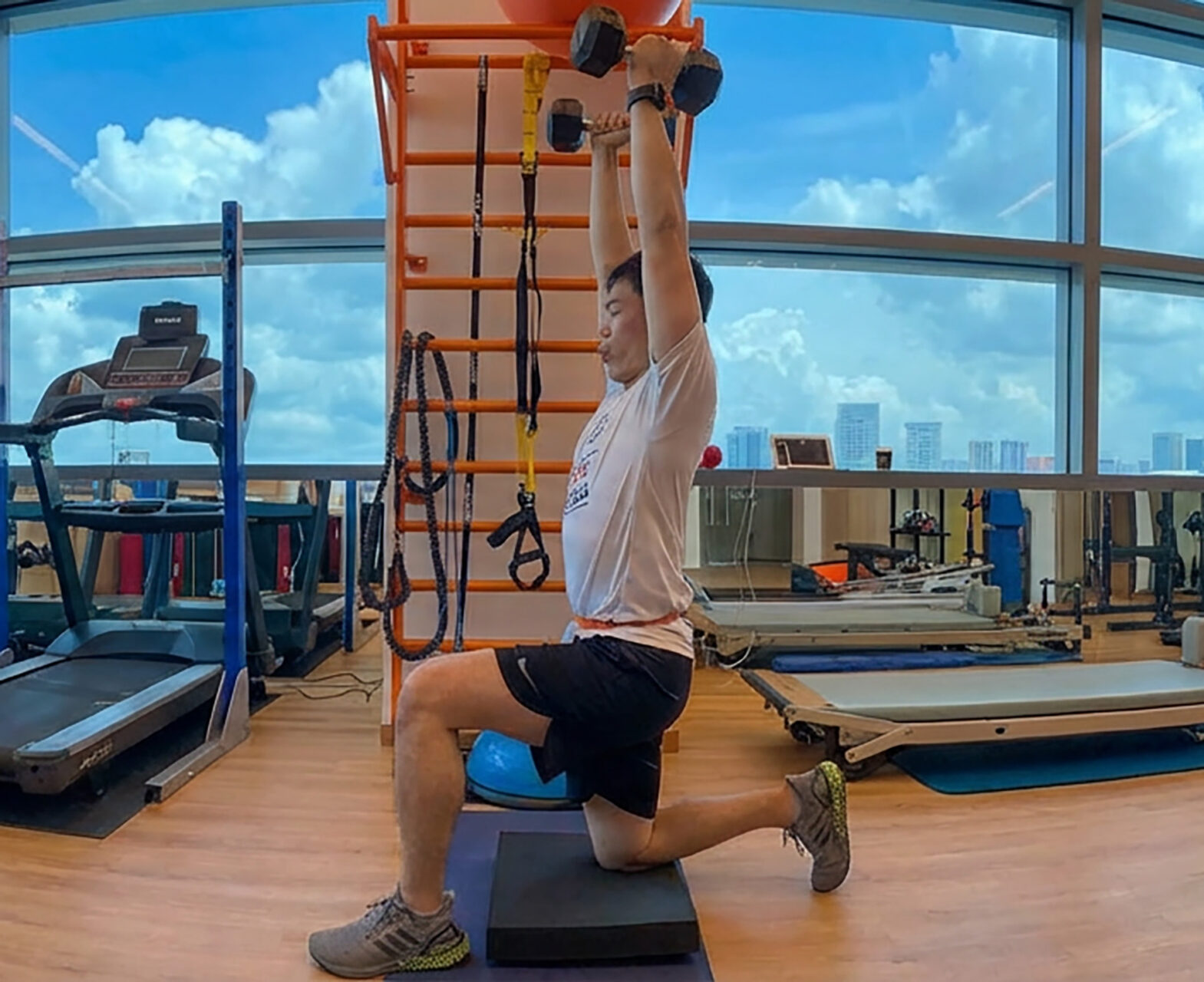
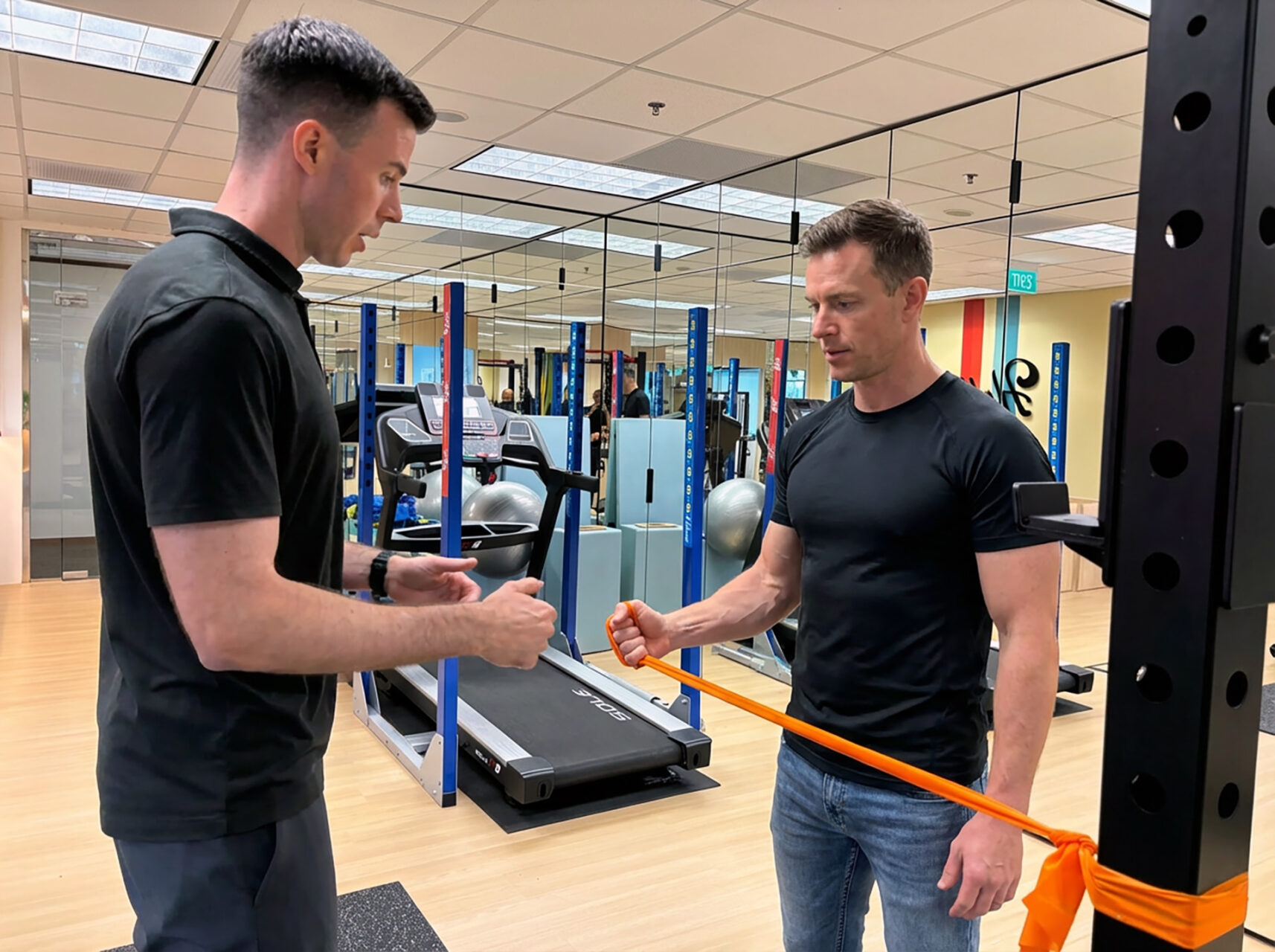
Rotator cuff tear exercises start with pain-free activation and progress to strength and power through the range of motion. Early work may include isometrics to relieve pain, gentle external rotation with a towel roll and scapular set drills that teach the shoulder blade how to anchor movement.
As control improves, we add resisted rows, side-lying external rotation and elevation patterns, all of which keep the ball centered in the socket of the ball and socket joint. Strengthening exercises are crucial. When you are ready, tempo-based lifts and closed-chain drills prepare you for return to sport or heavy work. This graded pathway is the backbone of rotator cuff tear physical therapy, and it is the reason well-designed programs prevent the recurrence of rotator cuff injuries and tears.
How Long Does Recovery Take and What Affects Healing?
Rotator cuff tear recovery time depends on tear size, chronicity, age, sleep and training history. A degenerative tear or torn rotator cuff may take longer to heal than an acute injury. Many partial tears and partially torn tendon injuries improve steadily with 8-12 weeks of consistent rehab, while larger or more stubborn cases require longer.
Rotator cuff tear healing is not linear, which is why we track range of motion, arm strength, and function in stages rather than chasing day-to-day shoulder pain from the rotator cuff injury. When adjuncts like INDIBA or EMTT reduce soreness, we can maintain the momentum of our plan. The goal is not to feel better but to expand what you can do without symptoms, so rotator cuff tear recovery sets you up for the long term. A torn rotator cuff requires patience.
When Is Surgery Needed and What Happens Afterwards?
Rotator cuff tear surgery is considered for full-thickness tears with persistent pain and weakness, traumatic tears in active patients, irreparable rotator cuff tears, or cases that fail high-quality rehab. Your doctor may recommend surgery if nonsurgical treatment fails. Rotator cuff repair can be performed using arthroscopic techniques, which are minimally invasive and offer benefits such as shorter recovery time and a more thorough evaluation of the shoulder joint. Arthroscopic repair is a common approach.
In some cases, tear completion (conversion of a partial tendon tear to a full-thickness tendon tear) may be performed to improve surgical outcomes. For irreparable rotator cuff tears, tendon transfer is an option, especially in younger active patients, to restore shoulder function. Tendon transfer can repair tendon damage when direct repair isn’t possible. Unlike elbow surgery, shoulder procedures require specific rehabilitation protocols.
Shoulder replacement may be considered in cases with extensive arthritis or when rotator cuff repair is not feasible. If you and your surgeon decide on an operation, early goals are to protect the rotator cuff repair, control shoulder pain and maintain safe mobility in the affected shoulder.
Rotator cuff tear surgery still requires a plan that respects biology and progression. After surgery, an arm sling is used to immobilize the shoulder during the initial recovery period. The arm sling protects the rotator cuff repair. Wearing an arm sling correctly is essential for healing. Postoperative care blends protected range-of-motion work with a gradual return to overhead activities and overhead loading. After rotator cuff repair, rotator cuff tear recovery time is longer than with non-operative care, and rotator cuff tear healing follows your surgeon’s protocol. The right cues, strengthening exercises and adjunctive care keep you moving forward without rushing.
How Does Physiotherapy Reduce Pain and Prevent Recurrence?
Physiotherapy helps by addressing the drivers of shoulder pain and loss of capacity, not just the tear on a scan. We calm irritability, restore shoulder joint mechanics and load the shoulder in patterns that match your goals.
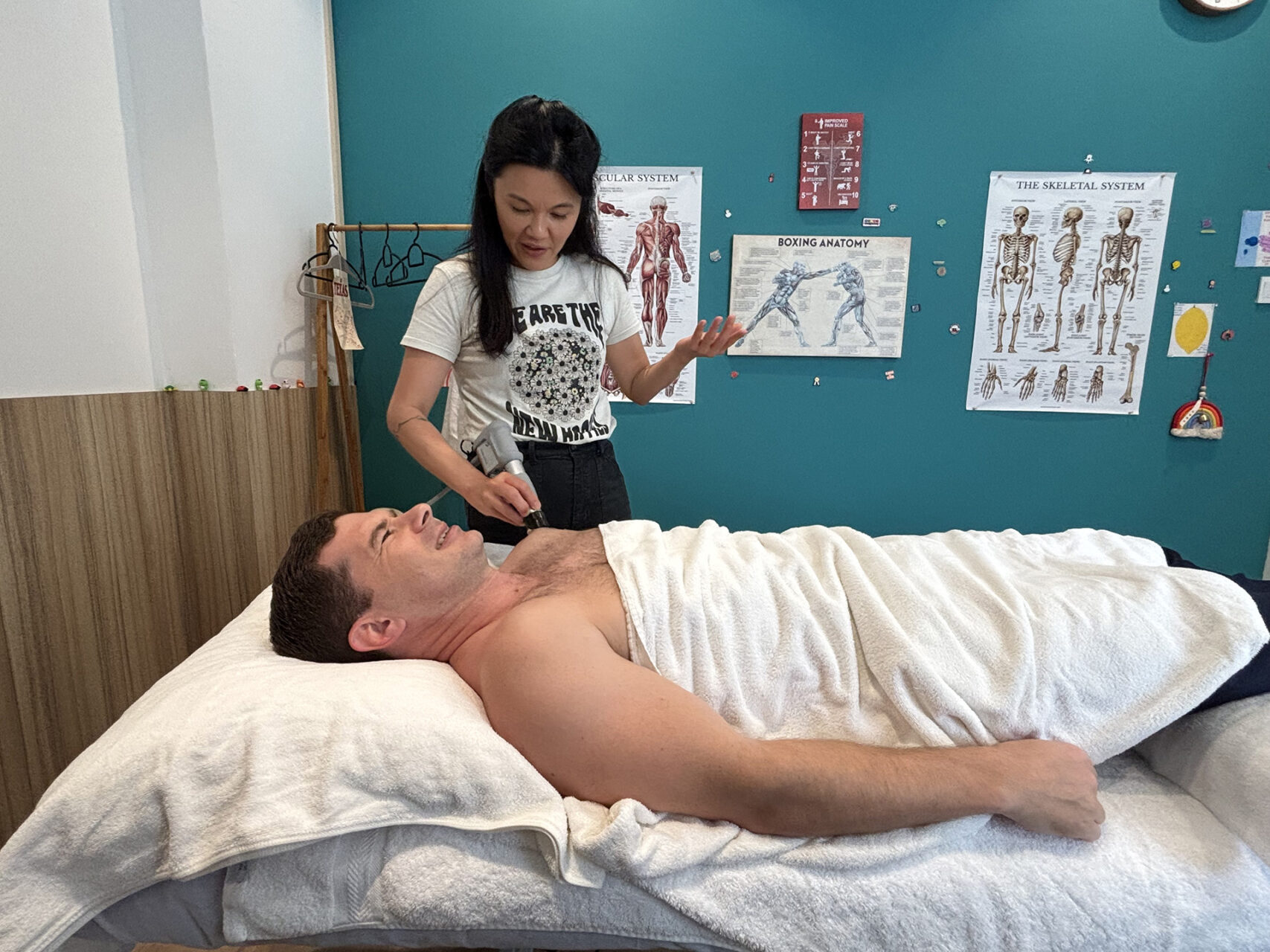
INDIBA, before manual therapy, often softens guarding, so range work is easier on the affected shoulder. When persistent pain stalls progress, EMTT helps you tolerate the next step. If a chronic shoulder tendon refuses to settle, Shockwave Therapy, as a rotator cuff injury treatment, can allow strength training to resume. Importantly, you will know why each drill matters and how to adjust work and sport loads to avoid spikes that undo progress. Our style of rotator cuff tear treatment is designed to last and help your rotator cuff injury heal properly.
What Can You Do Today for Pain Relief?
Relief from a rotator cuff tear starts with simple habits. Use a comfortable sleeping position with a pillow under the upper arm to relieve pressure on the shoulder. Keep daily movements in a pain-free arc and break long overhead activities into smaller segments to ease pain.
You don’t have to miss a season or work because of a rotator cuff tear or rotator cuff injury. With accurate diagnosis, targeted loading, nonsurgical treatment, and smart adjuncts, most people don’t need surgery. We only recommend surgery when conservative care fails.
Whether you call it a rotator cuff muscle tear, torn rotator cuff, or just a shoulder tendon injury, your path forward starts with a clear plan and support you can trust. A rotator cuff injury requires proper care. If you are looking for treatment for rotator cuff tears in Singapore, we can help you find the shortest path back to movement. Book a consultation with HelloPhysio today, and we will create a plan for your rotator cuff tear and shoulder pain.