
What Is Rotator Cuff Tendinitis?
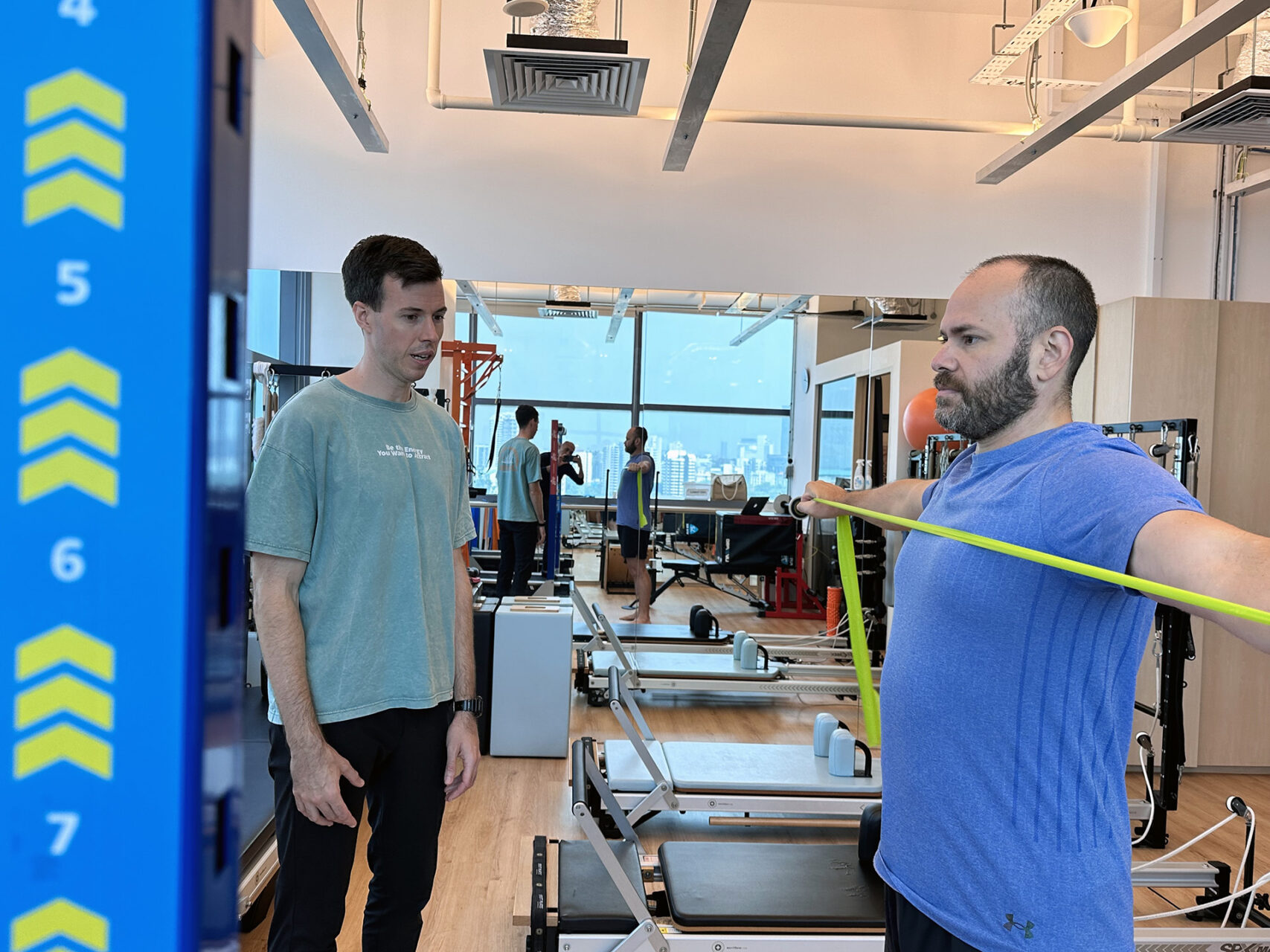
Rotator cuff tendinitis is the inflammation and irritation of the shoulder’s rotator cuff tendons and nearby bursa. This causes shoulder pain and weakness with overhead motion, which can affect your daily quality of life. This condition is sometimes also known as rotator cuff tendonitis, rotator cuff tendinopathy, shoulder impingement, bursitis or biceps tendinitis. Whatever it is called, it is a frustrating condition that can be eased through a physical therapist’s intervention.
About Rotator Cuff Injuries
The rotator cuff is a group of four muscles and four tendons that connect the humerus (upper arm bone) to the scapula (shoulder blade) and keep the shoulder joint stable so you can lift, rotate and reach.
A bigger rotator cuff tear can cause marked weakness and loss of range of motion. Shoulder impingement syndrome is also common and occurs when the rotator cuff tendons get pinched between the upper arm bone and the shoulder blade in the subacromial space, which adds irritation and shoulder pain.
Early care for rotator cuff injuries focuses on pain control and motion with rest, ice and targeted physical therapy. A tailored rehab plan restores muscle strength and range of motion. If symptoms persist or there is a big rotator cuff tear, options may include steroid injections or rotator cuff repair.
What Causes Rotator Cuff Tendinitis
Rotator cuff tendinitis occurs when tendon load exceeds its current capacity, most often from repetitive overhead activity, sudden load spikes or age-related changes in tendon quality. In particular, age-related degeneration makes tendons less flexible and increases the risk of developing rotator cuff tendinitis, especially in individuals over 40.
Jobs and overhead sports that involve frequent reaching or repetitive overhead lifting increase the risk, as do poor sleep, pain, and deconditioning. Rotator cuff tendinitis usually develops over time due to repeated irritation of the area, which is why anyone performing these repetitive activities daily has a much higher risk of tendon injury.
Rotator Cuff Tendinitis Symptoms
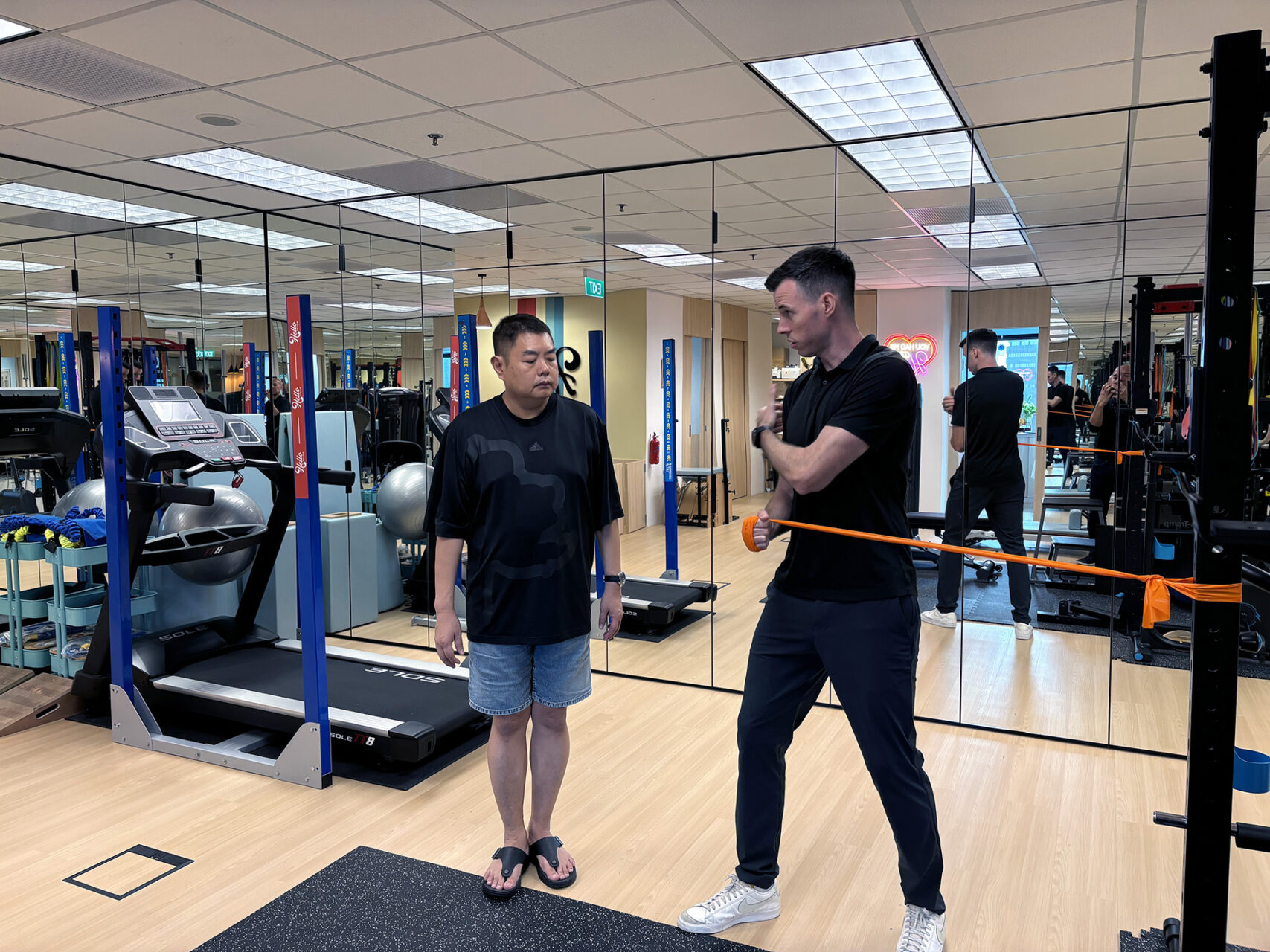
Rotator cuff tendinitis symptoms include shoulder pain at the outer shoulder or upper arm, pain at night when lying on the sore side of the affected arm, a painful arc when lifting and weakness with reach or rotation. Other symptoms include persistent shoulder pain, especially during overhead activities; weakness; reduced range of motion; swelling or inflammation; and a clicking sound when the shoulder joint moves.
Symptoms can mimic bursitis or other rotator cuff problems, which is why a structured exam and diagnosis matter before an initial treatment strategy is planned.

How is Rotator Cuff Tendinitis Diagnosed?
Rotator cuff tendinitis is diagnosed with a detailed, thorough history, hands-on strength testing, and a physical examination that assesses muscle strength, control, and range of motion. A comprehensive physical exam may also include evaluation of the elbow to rule out related pathologies.
Imaging tests, such as an ultrasound or MRI, are reserved for cases where the specialist suspects a result that could change care, such as persistent weakness or a suspected rotator cuff tear. An MRI can also detect even small partial or complete tears of the rotator cuff and help evaluate the overall extent of the rotator cuff disease. A precise diagnosis avoids both under-treating real issues and conducting unnecessary imaging tests that do not alter nonsurgical treatment.
How To Treat Rotator Cuff Tendinitis
The best way to treat rotator cuff tendinitis and how to treat rotator cuff tendinitis is a graduated plan that calms pain, restores range of motion, and rebuilds strength, all to help you work back towards regular motion and sports without flare-ups.
Physical therapy is the mainstay of first-line treatment for rotator cuff tendonitis. As symptoms settle, rotator cuff tendinitis physical therapy progresses to targeted strengthening and motion re-training. This combination pairs short periods of rest with stretching and progressive loading rather than prolonged immobilization.
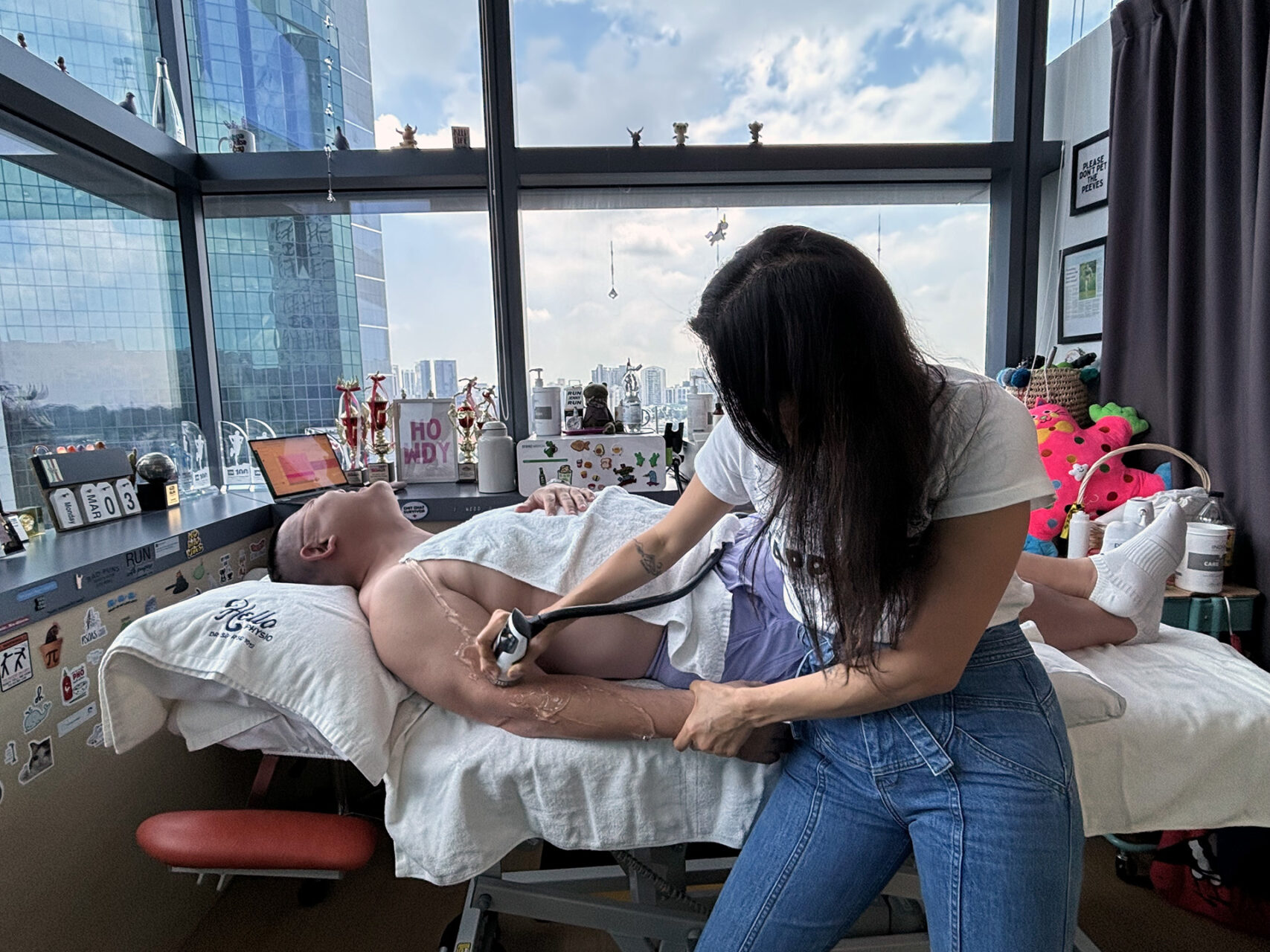
At HelloPhysio, we add proven adjuncts and advanced treatment modalities to that plan when they benefit your recovery:
- INDIBA® radiofrequency healing supports comfort and tissue physiology, so manual therapy and exercises feel easier.
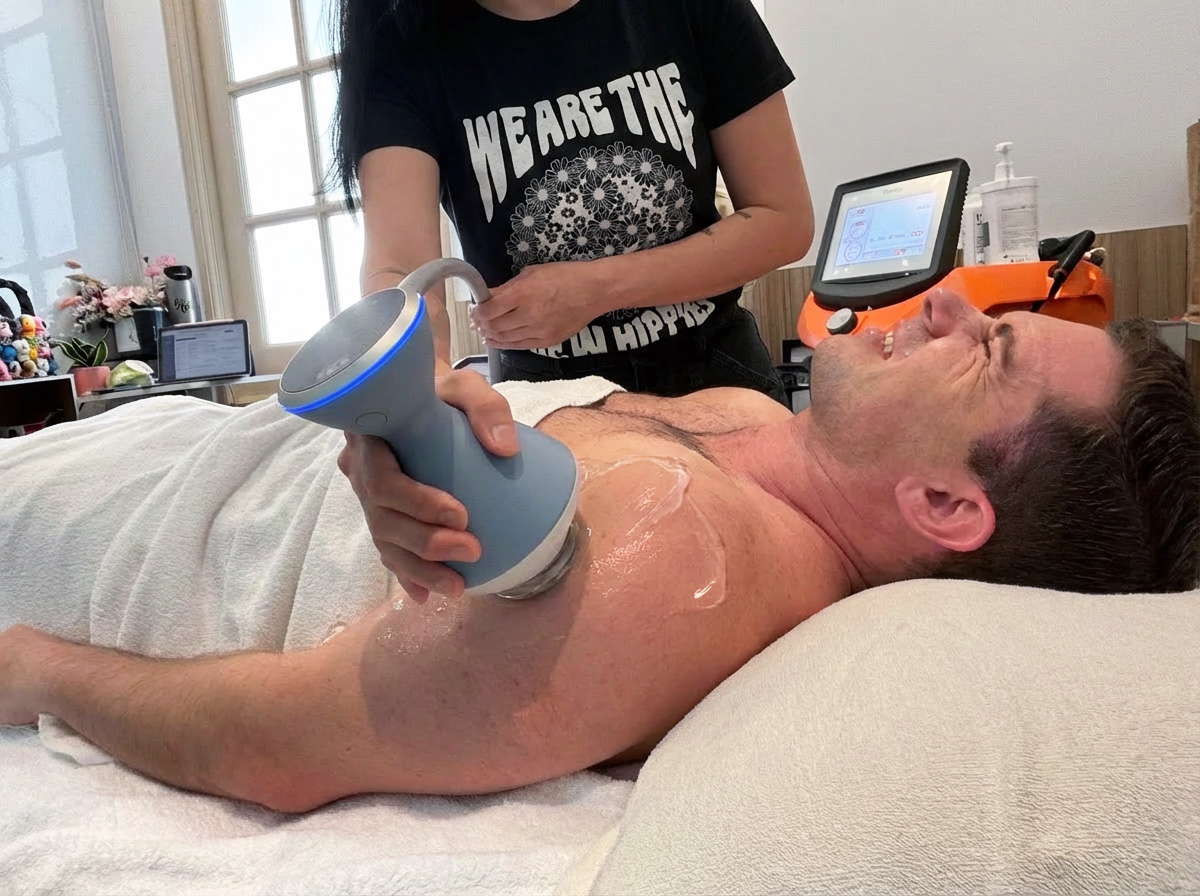
- Extracorporeal Magnetotransduction Therapy (EMTT) is another adjunctive technology that offers a non-invasive option to reduce pain and reduce inflammation as training loads rise.
- Focused Shockwave Therapy is reserved for stubborn, long-standing tendon irritability that limits progress and helps reduce inflammation in damaged tissue.
- Dry Needling may help relieve pain and reduce swelling so you can train the correct pattern again, when protective muscle spasm lingers.
These tools complement, not replace, the work you do in sessions and at home.
Rotator Cuff Tendinitis Exercises and Stretching
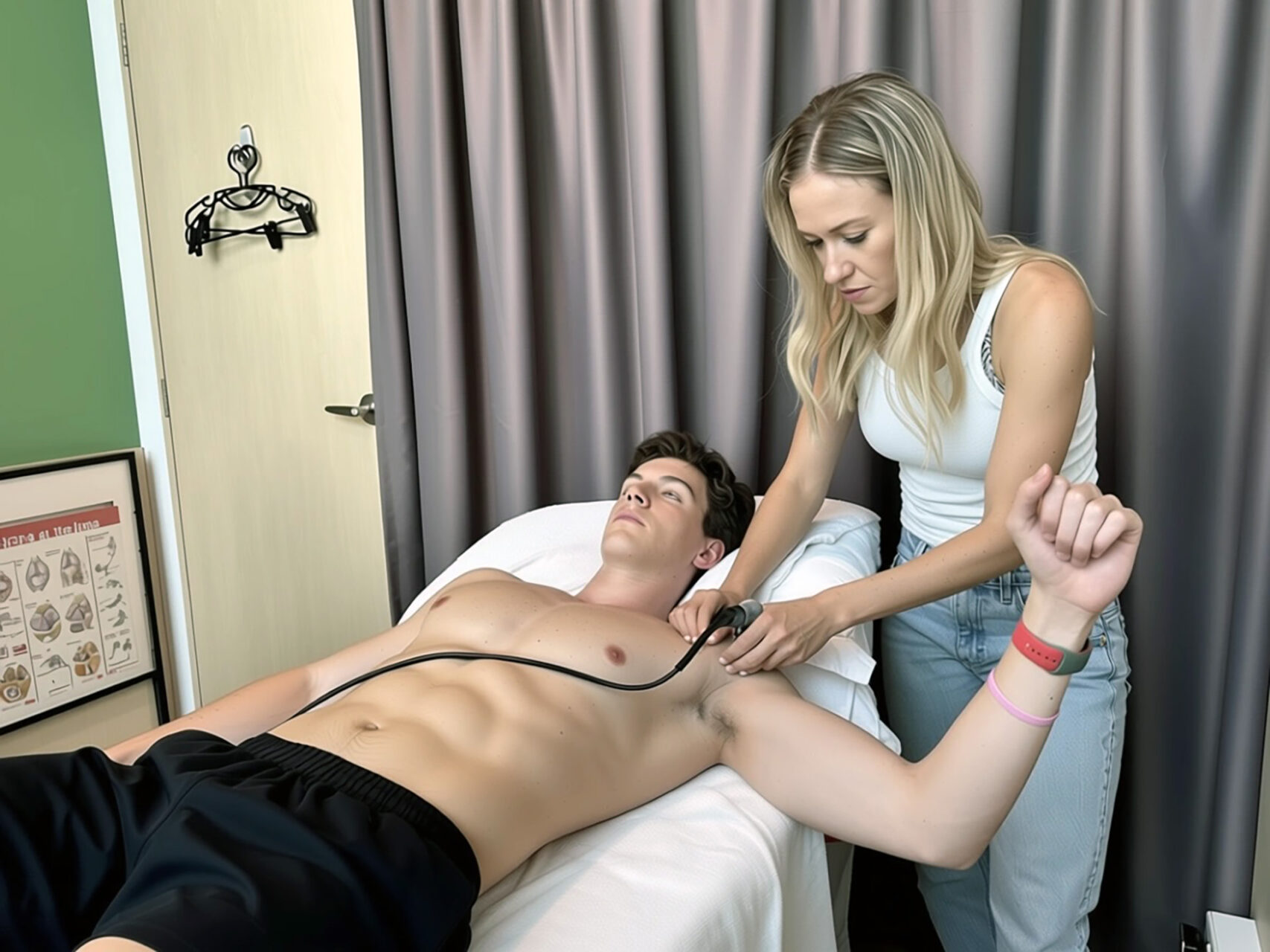
Rotator cuff tendinitis exercises start with pain-tolerant activation and progress to strengthening exercises that align with your goals.
Isometrics can provide short-term pain relief and reduce pain, as you learn to set the shoulder blade and keep the humeral head (ball) centered in the shoulder joint (socket). From there, we add controlled external rotation, rows and elevation patterns, then tempo-based lifts that build resilience. It’s essential that rotator cuff tendinitis stretching stays in a comfortable arc and targets the posterior shoulder and chest so that motion returns without provoking symptoms. A simple, consistent home program is more powerful than long, complex routines.

How Physiotherapy Prevents Recurrence
Rotator cuff tendinitis physical therapy and Clinical Pilates prevent recurrence by building capacity and improving how you load the shoulder during daily life and sport. At Hellophysio, we teach techniques for reaching, pressing and pulling, regularly adjusting weekly training volume and strengthening the trunk and scapular muscles (shoulder blade muscles) that share the load with the rotator cuff tendons. Education is part of every visit, so you know how to treat rotator cuff tendinitis in its early stages and how to prevent rotator cuff tendinitis with smart warm-ups, steady progressions, and sleep that supports recovery.
When To Consider Injections or Surgery
Most cases improve with conservative care and nonsurgical treatment. However, if pain blocks progress or a suspected rotator cuff tear is present, your doctor or orthopedic surgeon may discuss imaging tests, steroid injections or referral to orthopaedic surgeons to recommend surgery. Surgery for rotator cuff tendinitis is rare but may be necessary for severe rotator cuff tears or significant tendon tears. Arthroscopic procedures and subacromial decompression are done through small incisions, which minimizes tissue disruption and creates more space in the subacromial space.
During surgery, a tendon may be repaired or reattached through rotator cuff repair if required. The decision depends on symptoms, function, and goals, not on scans alone. Even with a complete tear, many patients respond well to well-planned physical therapy before any invasive step is considered.
Recovery Time
With consistent care, many return to comfortable function and complete recovery within several weeks to a few months, although timelines vary depending on irritability, fitness, and training demands. Symptoms may initially be relieved with rest and cold packs, but can become constant over time without an obvious cause. The best results in patients come from consistent practice, smart progressions, and early course corrections when a workout or workday spikes symptoms, helping you regain strength.
Why HelloPhysio?
At HelloPhysio, we combine precise assessments with a clear plan and the right tools at the right time. INDIBA prepares tissues, so range work and strength sessions feel smoother. EMTT helps you tolerate the next load step. Shockwave Therapy is used selectively for chronic tendon pain and calcific tendinopathy that resists loading. Dry Needling can settle stubborn guarding. Throughout all these modalities, we keep you training so you don’t lose capacity while pain calms.
If shoulder pain is stopping you from lifting, reaching or training, Hellophysio can help. So, if you’re looking for help with your rotator cuff tendinitis in Singapore, book a consultation at HelloPhysio for a personalised plan that targets your symptoms, builds strength and shows you how to prevent rotator cuff tendinitis for the long term.