
Understanding Iliotibial Band Syndrome
Iliotibial Band Syndrome (ITBS) is one of the most common overuse injuries among runners, cyclists and other athletes who have to do repetitive lower limb movements. Since the injury is common, there are a range of established management options that focus on relieving pain, restoring flexibility and correcting biomechanical imbalances that irritate the outside of the knee or thigh. If left untreated, this syndrome can derail even the most disciplined training plans.
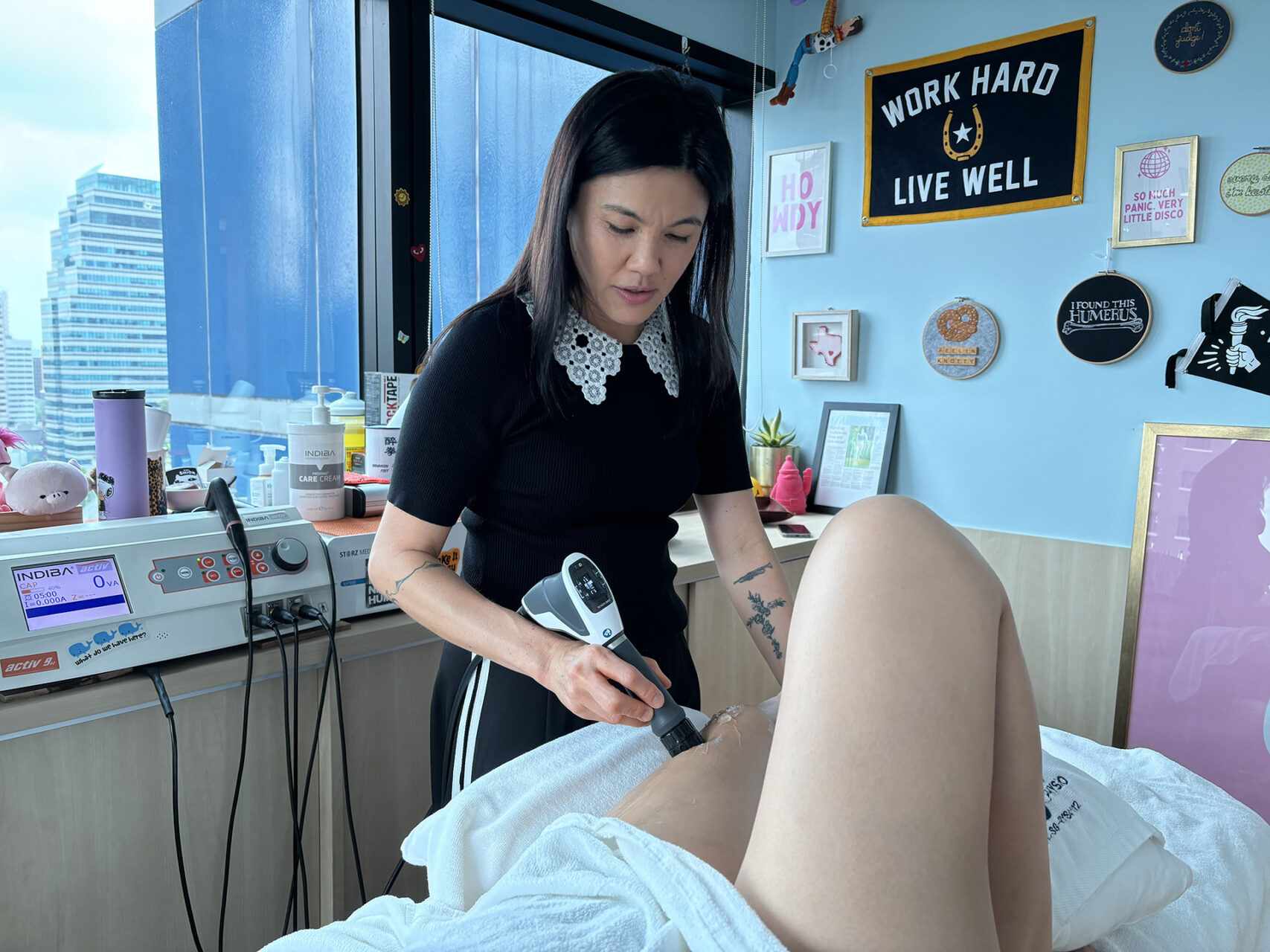
At HelloPhysio, our senior physiotherapists take a patient-centred approach to ITBS management, combining manual therapy, advanced modalities such as INDIBA® and Shockwave Therapy, and prescribed exercises that address both symptoms and root causes. HelloPhysio’s treatment is informed by clinical experience managing numerous ITBS cases, enabling us to provide practical, effective care.
What Is Iliotibial Band Syndrome?
Iliotibial Band Syndrome occurs when the iliotibial band, a thick band of connective tissue that runs from the hip to the knee, becomes tight or inflamed from friction over the outer knee. The repetitive bending and straightening of the leg, especially during activities such as running or cycling, can irritate this band and cause sharp pain on the outside of the knee.
Most people describe the pain as a sharp, stinging sensation that worsens with activity and eases with rest. Over time, if irritation persists, inflammation and tightness can restrict the range of motion and even affect walking.
What Causes Iliotibial Band Syndrome?
Iliotibial Band Syndrome is usually caused by repetitive stress rather than a single incident. Athletes who frequently run or cycle are at a higher risk of developing ITBS, as repetitive motion can exacerbate the condition. Common causes include training errors such as sudden increases in mileage, running on uneven terrain, or inadequate warm-up and stretching routines. Muscle weakness or imbalance, especially in the hips and glutes, can also contribute to ITBS.
Tightness in the tensor fasciae latae (TFL) and quadriceps muscles can increase tension in the IT band, making it more prone to friction. Pre-existing iliotibial band tightness and weak hip muscles are significant risk factors for ITBS. Poor footwear, foot biomechanical issues, or ankle problems, such as instability or misalignment, can also exacerbate symptoms. Flat feet, leg length differences and biomechanical imbalances in the knees, legs and ankles can also contribute to ITBS, affecting one or both knees and legs.
When treating ITBS, physiotherapists take these factors into account to design a holistic treatment plan that corrects mechanics, strengthens supporting muscles and reduces tension in the band.
Diagnosing Iliotibial Band Syndrome Symptoms
Diagnosing iliotibial band syndrome starts with a thorough assessment by a healthcare provider who specialises in musculoskeletal or sports medicine. They will begin with a detailed discussion of your iliotibial band syndrome symptoms, focusing on the nature and location of your knee pain, its onset, and its impact on your physical activity. Understanding your exercise habits, recent changes in training intensity, and any previous injuries helps to identify potential risk factors for ITBS.
During the physical examination, the provider will assess the range of motion of your knee and hip, test your muscle strength, and look for tenderness along the iliotibial band.
In some cases, imaging studies such as X-rays or MRI scans may be recommended to rule out other conditions, including ligament injuries or bone abnormalities that can mimic ITBS symptoms. While imaging is not always necessary, it can provide valuable information in complex or persistent cases.
A precise diagnosis is key to developing an effective treatment plan. Once ITBS is confirmed, your healthcare provider can recommend targeted interventions, such as physical therapy, stretching exercises and pain relief strategies, to address your specific needs and support a safe return to activity.
How Physiotherapy Treats Iliotibial Band Syndrome
Physiotherapy is one of the most effective and evidence-based approaches to treating ITBS. Rather than just providing short-term pain relief, physios work to correct underlying dysfunction and restore standard movement patterns.
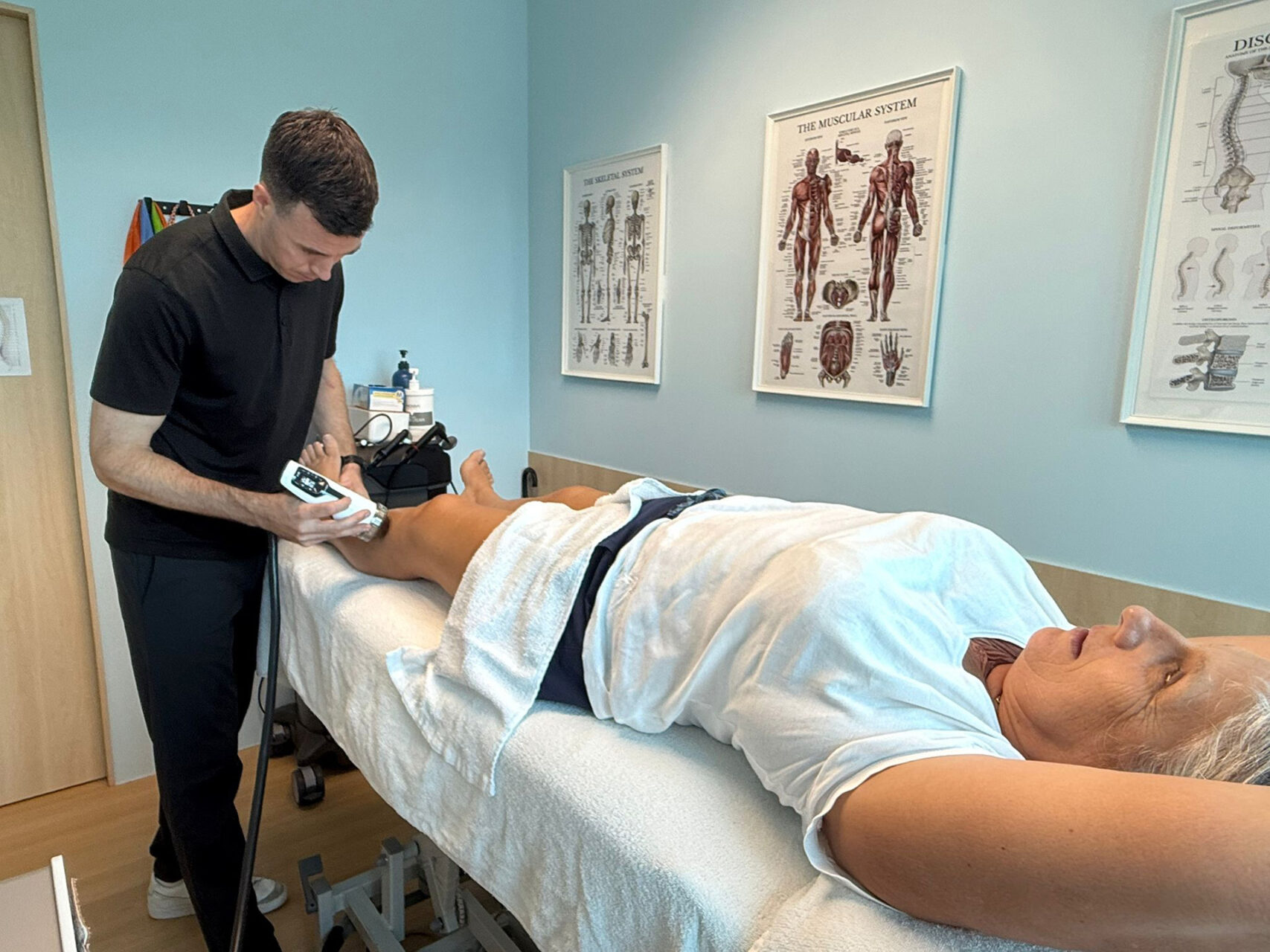
The first stage of treatment focuses on reducing pain and inflammation. This may include manual therapy techniques such as myofascial release, soft-tissue massage, and targeted stretching, including band stretches and band-stretch techniques, to ease tension in the lateral thigh and hip. Regular stretching is essential for improving flexibility and reducing pain. A physiotherapist will guide you through proper band stretches and tailored rehabilitation exercises.
As the pain subsides, Iliotibial Band Syndrome treatment progresses to strengthening and mobility exercises aimed at restoring balance in the lower limb.

INDIBA® and Shockwave Therapy in ITBS Management
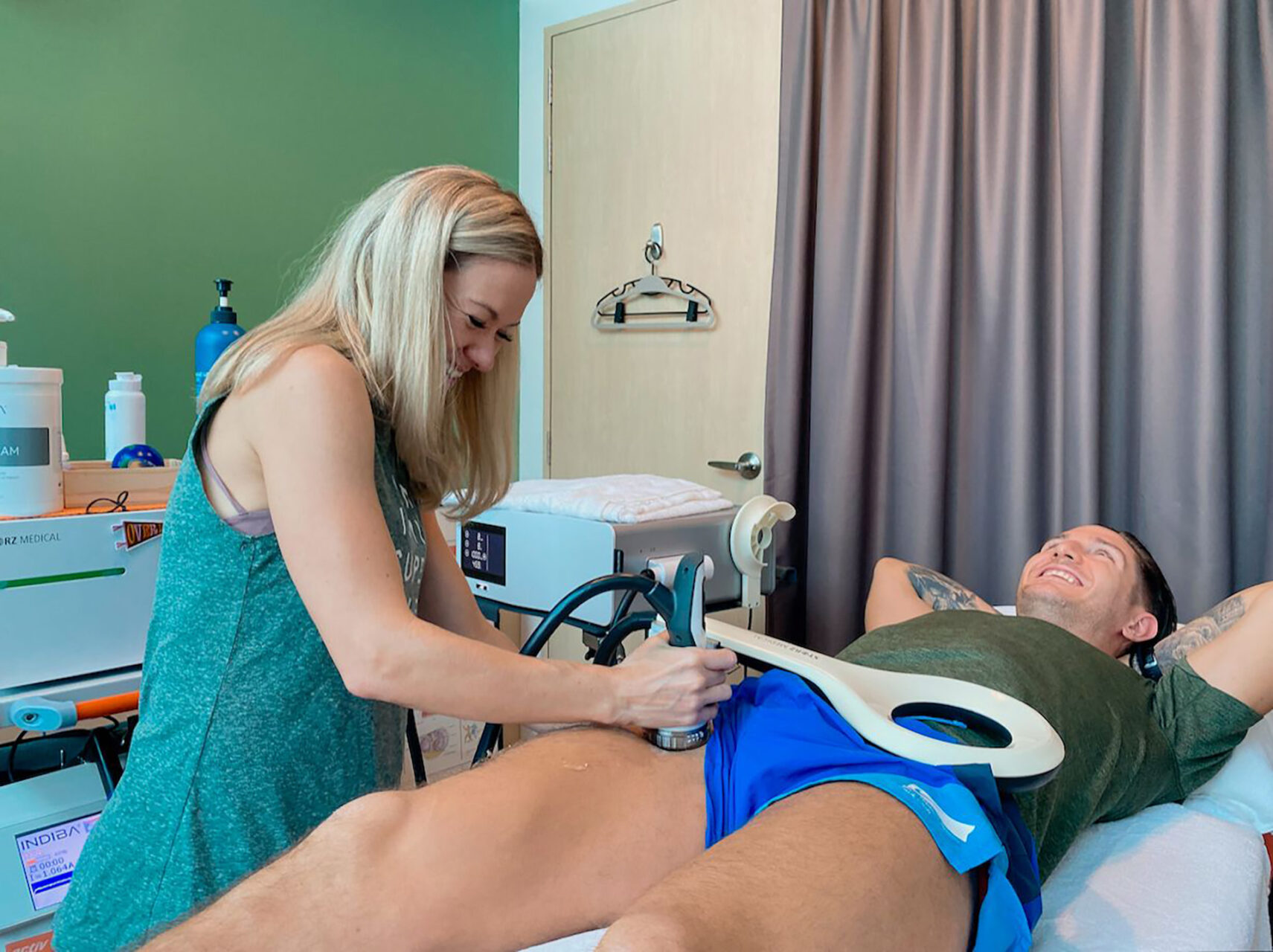
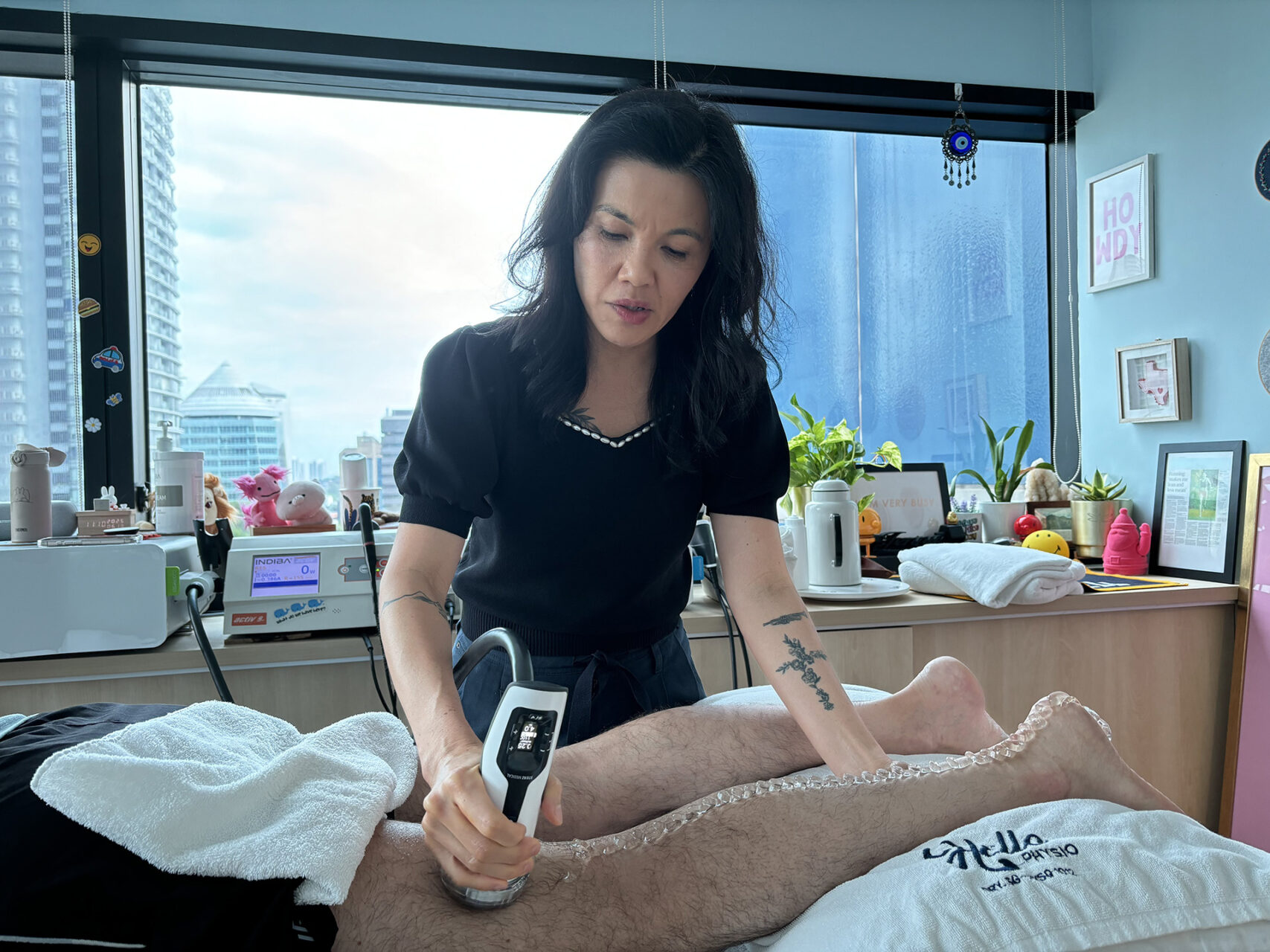
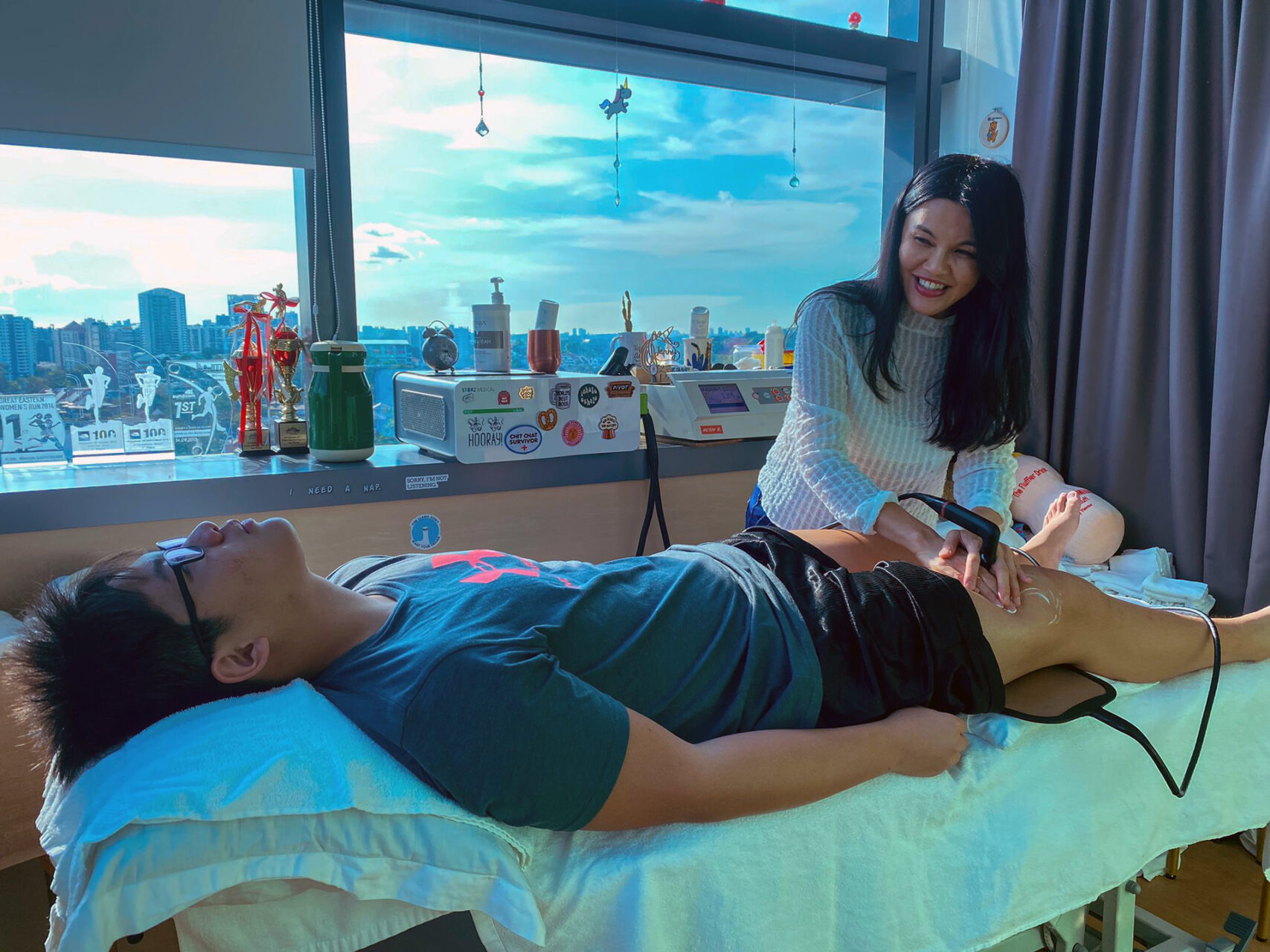
Effective treatment for iliotibial band syndrome often combines advanced technology with traditional physiotherapy. At HelloPhysio, we utilise INDIBA therapy to help restore normal cell metabolism and tissue elasticity, allowing the IT band and surrounding muscles to recover faster.
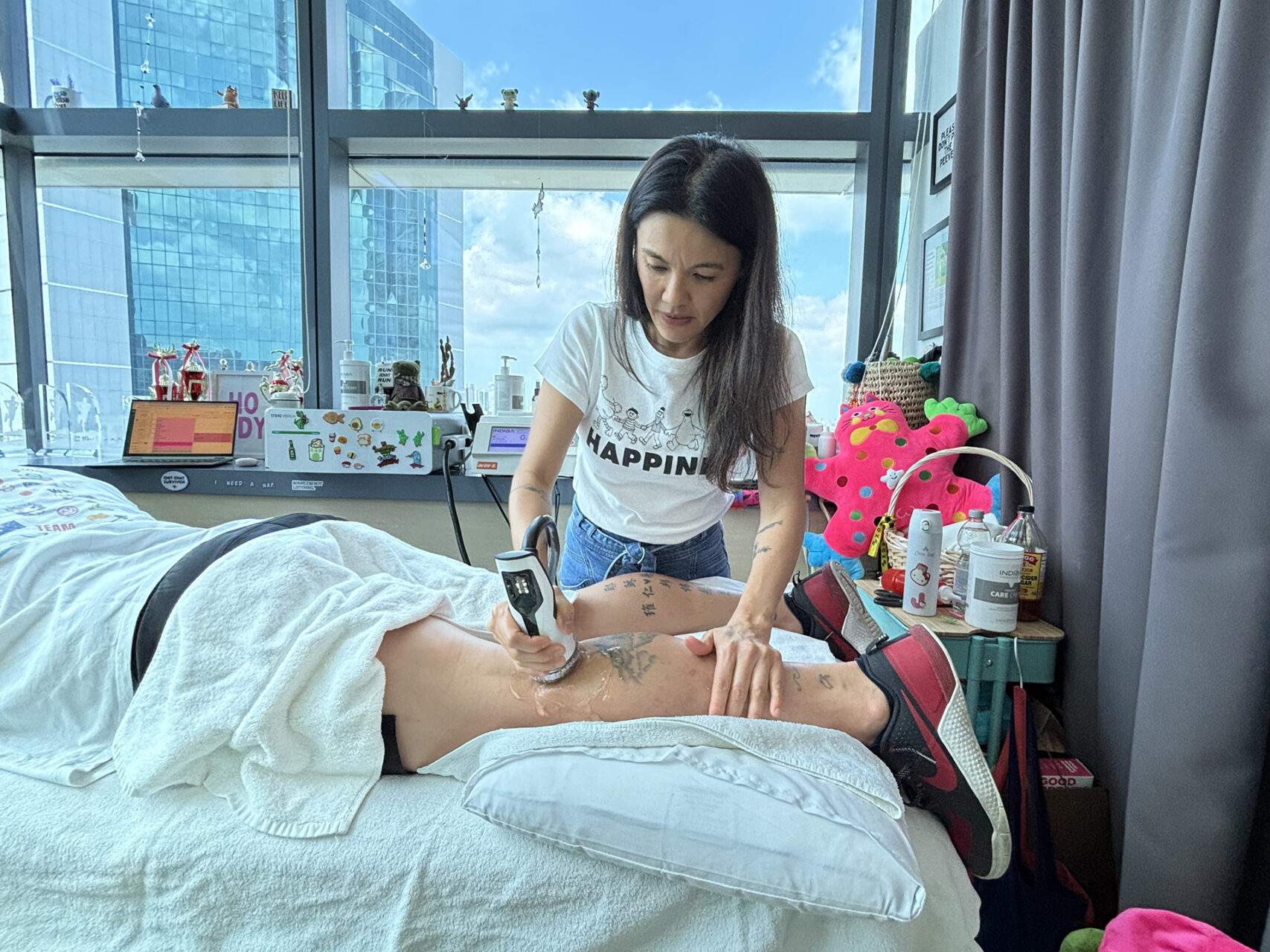
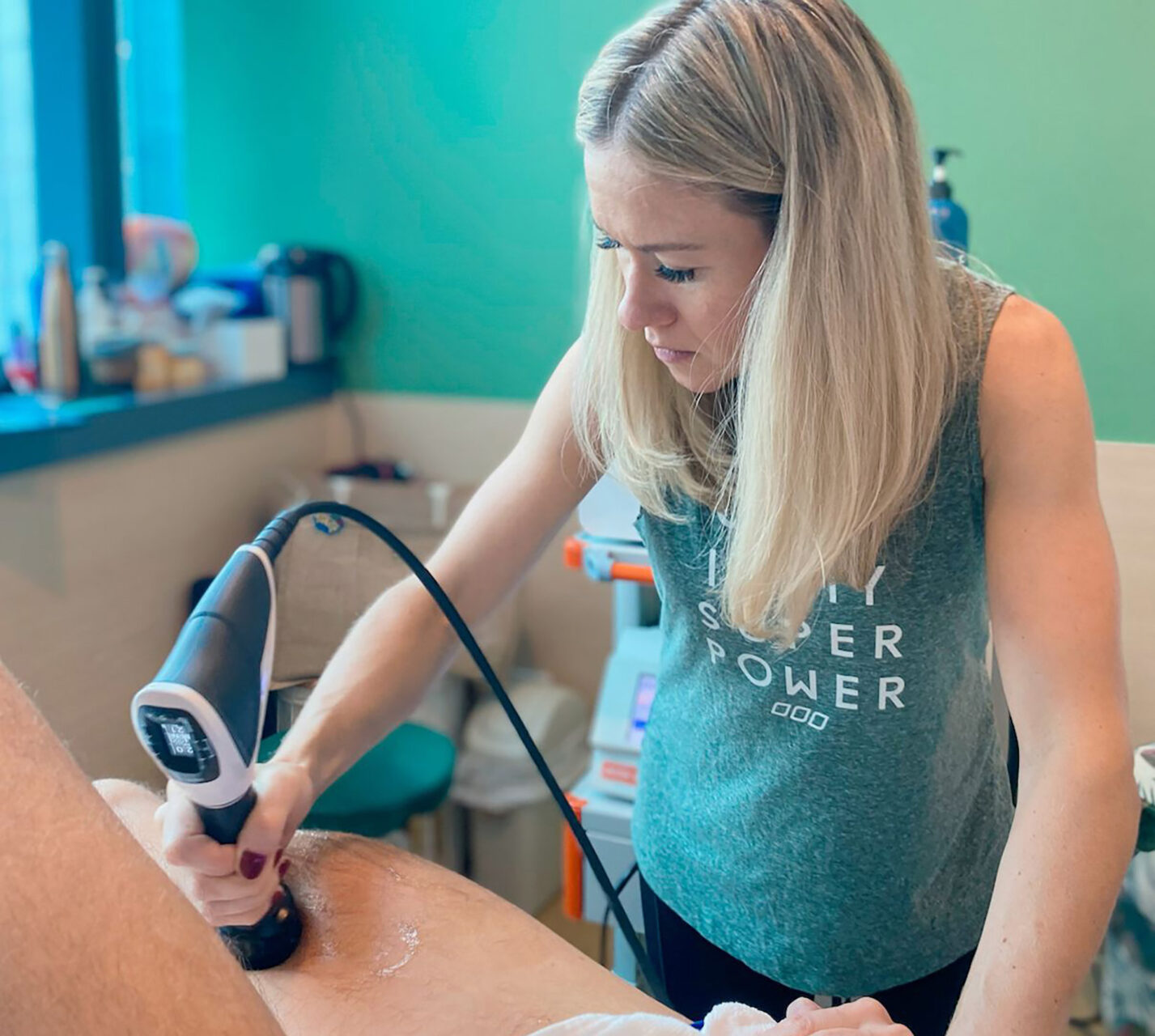
Shockwave Therapy is particularly effective for chronic cases in which scar tissue or fibrosis has formed. By improving circulation and triggering the body’s healing response, it reduces stiffness and restores function. Studies have shown the effectiveness of both INDIBA and Shockwave Therapy in the management of ITBS. When used in conjunction with manual therapy and strengthening exercises, these modalities provide comprehensive treatment that addresses both the underlying cause and symptoms. Patients often report reduced pain and improved mobility after just a few sessions.

Exercises for Iliotibial Band Syndrome Treatment
Exercise is a key component of physiotherapy for ITBS, with prescribed exercises aimed at strengthening weak muscles, improving flexibility, and retraining proper movement mechanics. Without these corrections, the risk of recurrence is high. Your physiotherapist may prescribe gluteal strengthening exercises, such as clamshells, hip bridges, and side-lying leg lifts, to support pelvic stability. Foam-rolling and stretching routines will release tension in the IT band, TFL, and quadriceps. Controlled squats, lunges, and balance drills will retrain coordination and alignment to improve load distribution.
At HelloPhysio, our prescribed exercise programs are tailored to each individual’s unique movement patterns and specific sports. For runners in Singapore’s humid climate, for example, recovery sessions may also focus on improving hydration, tissue elasticity, and post-run mobility to counteract the effects of repetitive strain. Training environments, such as a track, can also influence ITBS risk, so your physiotherapist may offer advice on track surfaces when planning your exercise and recovery strategies.
Surgical Treatment for Iliotibial Band Syndrome
While most cases of Iliotibial Band Syndrome respond well to conservative treatments, surgical intervention may be considered for individuals who continue to experience significant pain and limited function despite months of physical therapy, stretching and pain medications.
The goal of surgical treatment is to reduce irritation by addressing the thickened or inflamed portion of the iliotibial band. Standard procedures include arthroscopic surgery, which uses small incisions and a camera to visualise and release the affected tissue and open surgery, which allows direct access to the band for more extensive correction. In some cases, a bursectomy may be performed to remove an inflamed bursa contributing to the symptoms.
Surgical options are tailored to the individual’s specific anatomy and the severity of their ITBS. Recovery from surgery involves a period of rest followed by a structured rehabilitation program with physical therapy to restore strength, flexibility and function. Most patients experience significant pain relief and improved mobility after surgery, but it’s important to remember that surgery carries risks and is not the first line of treatment.

How Long Does It Take To Recover from Iliotibial Band Syndrome?
Recovery time from Iliotibial Band Syndrome varies depending on the severity, but most patients see noticeable improvement within 4-8 weeks with physiotherapy. Chronic cases may take longer, especially if there are deeper biomechanical issues or scar tissue formation.
Consistency is key. Attending scheduled therapy sessions and following prescribed exercises at home can significantly shorten recovery time for almost all patients. With proper guidance, patients can often return to low-impact training within a few weeks and full running or sport participation soon after.
At HelloPhysio, recovery timelines are tailored to the individual’s goals, fitness level and sport demands. Regular reassessments will ensure steady, sustainable progress.
How to Prevent Iliotibial Band Syndrome from Recurring
To prevent ITBS, you have to address the habits and mechanical factors that contributed to its development in the first place. That is why physiotherapy is key. It helps athletes understand their movement patterns and how to protect their bodies from future strain.
A key focus is maintaining strong, balanced hip muscles. Regular glute and core exercises help stabilise the pelvis, reducing tension along the IT band. Runners are encouraged to alternate routes and surfaces to avoid repetitive strain on one side of the body.
Post-run recovery routines should include stretching, foam rolling, and active recovery. INDIBA can help keep tissues supple and prevent tightness from building up. Proper running shoes are essential. Choosing shoes with adequate support, cushioning, and appropriate modifications for your biomechanical needs can significantly reduce stress on the lateral knee and prevent ITBS from recurring. Gait analysis also plays a significant role in identifying and correcting biomechanical issues.
In Singapore, where humidity and heat can exacerbate fatigue, physiotherapists often advise athletes to stay hydrated and carefully manage their training loads, allowing sufficient recovery time between sessions.
Why Choose HelloPhysio for Iliotibial Band Syndrome Treatment
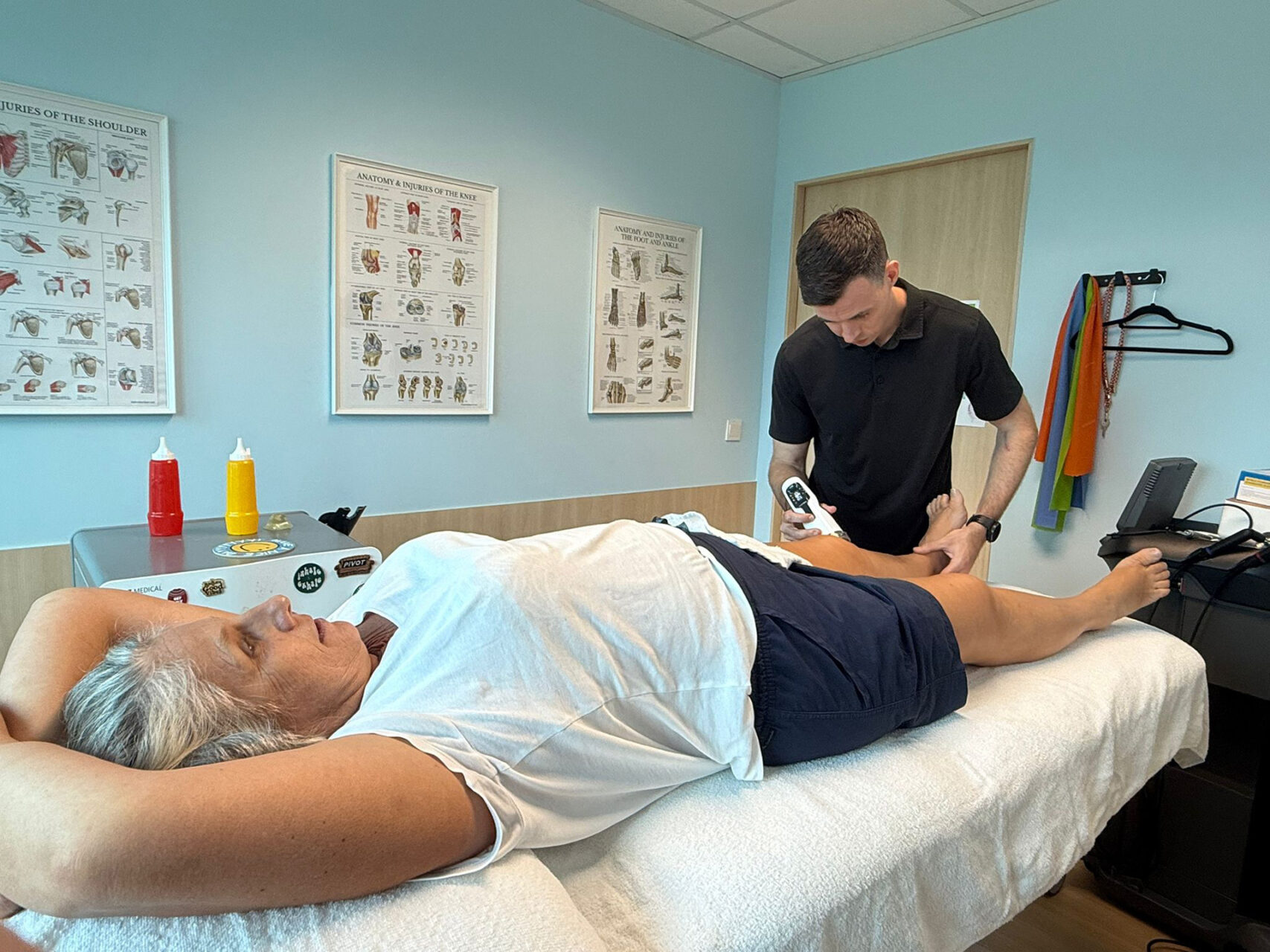
At HelloPhysio, our therapists specialise in sports and musculoskeletal rehabilitation, offering evidence-based treatments tailored to each patient’s individual needs.
From the first consultation, patients at HelloPhysio receive a thorough assessment that comprehensively examines posture, movement and muscle function. This allows our team to identify the specific causes of your ITBS and build a personalised treatment plan.
We combine technology-driven care with hands-on expertise, ensuring every therapy session is both targeted and effective. Contact us now to book your appointment.