
Manual Therapy in Singapore
Manual therapy is a hands-on approach in which your physiotherapist uses precise touch to relieve pain, relax tight tissues, and improve joint movement. This blanket term includes gentle joint mobilization, soft-tissue techniques, and specific methods to help your shoulder, back, knee, or ankle move and feel better.
In short, manual physical therapy changes how you move by changing how stiff or sensitive tissues behave. Whether you’re dealing with a stiff joint or muscle pain, manual therapy can improve your mobility and help tackle your musculoskeletal issues.
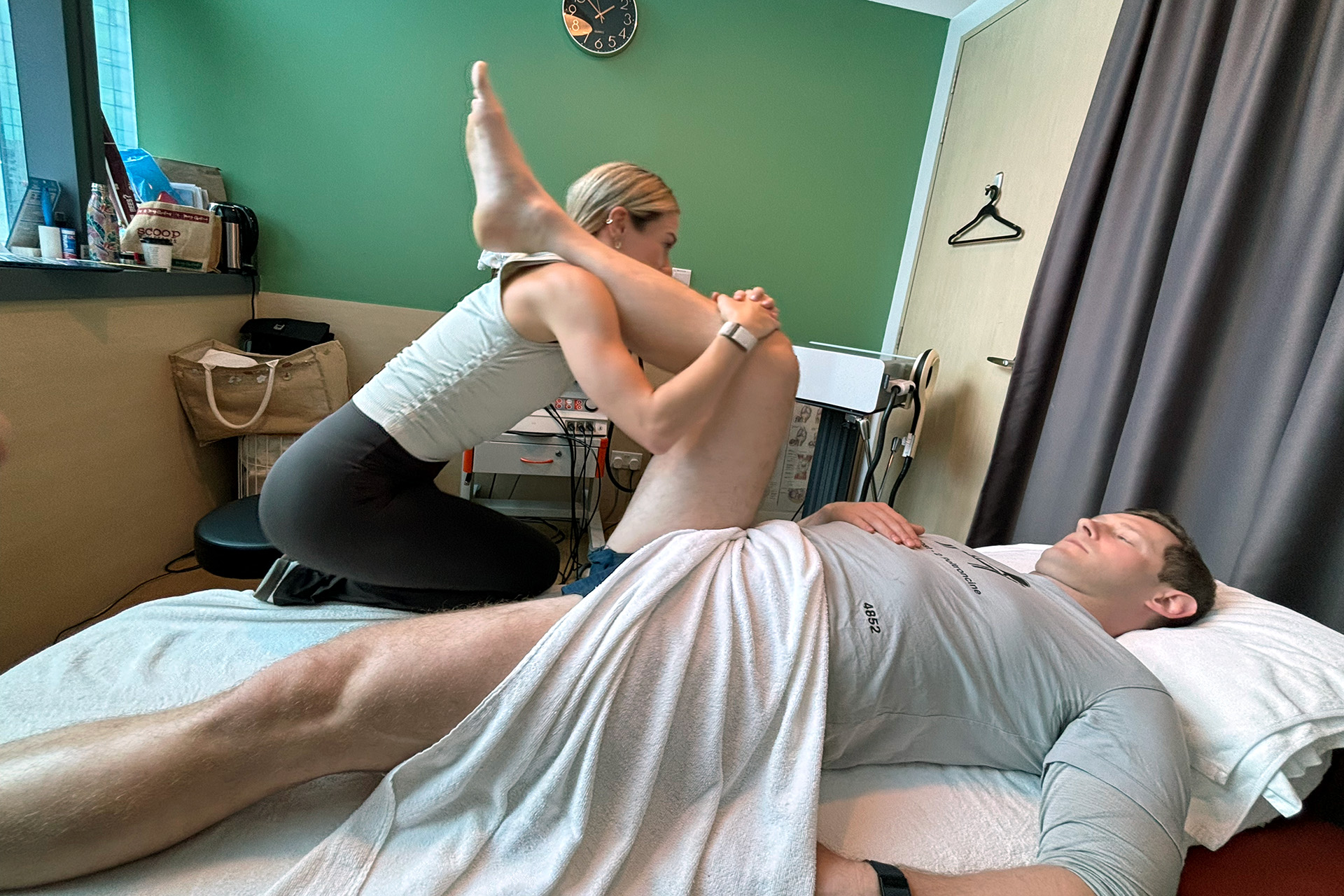
How Manual Physical Therapy Fits into a Complete Plan
Manual physical therapy works best when it complements other treatments in a complete treatment plan. Specifically, manual therapy helps to calm pain and rebuild strength so you can tolerate daily and sports loads without flare-ups.
At HelloPhysio, we pair manual physical therapy with goal-based physiotherapy exercises that train strength, balance and control. Exercise progression is key as systematically advancing exercises helps restore movement, strengthen weak areas, and accelerate your recovery. We also provide home exercises to maintain progress between appointments and prevent future injuries.
Research consistently shows that combining manual physical therapy with targeted exercise delivers better function than exercise alone for many common conditions. When necessary, we add INDIBA® to support comfort before loading, MAGNEOLITH Extracorporeal Magnetotransduction Therapy (EMTT) to help settle soreness as training progresses, and Shockwave Therapy for long-standing tendon hotspots. These other modalities complement manual therapy by addressing different needs. The combination makes sessions productive and keeps progress steady.
How Manual Physical Therapy Fits into a Complete Plan
Manual physical therapy works best when it complements other treatments in a complete treatment plan. Specifically, manual therapy helps to calm pain and rebuild strength so you can tolerate daily and sports loads without flare-ups.
At HelloPhysio, we pair manual physical therapy with goal-based physiotherapy exercises that train strength, balance and control. Exercise progression is key as systematically advancing exercises helps restore movement, strengthen weak areas, and accelerate your recovery. We also provide home exercises to maintain progress between appointments and prevent future injuries.
Research consistently shows that combining manual physical therapy with targeted exercise delivers better function than exercise alone for many common conditions. When necessary, we add INDIBA® to support comfort before loading, MAGNEOLITH Extracorporeal Magnetotransduction Therapy (EMTT) to help settle soreness as training progresses, and Shockwave Therapy for long-standing tendon hotspots. These other modalities complement manual therapy by addressing different needs. The combination makes sessions productive and keeps progress steady.
Common manual therapy techniques include:
- Joint mobilization to guide stiff joints into a better range of motion
- Soft-tissue release to ease guarding, manipulation techniques to improve joint mobility and relieve pain
- Neurodynamic glides to free irritated nerves
- Myofascial release is another soft-tissue technique used to reduce fascial tension, improve posture, and support injury prevention
While all these techniques can be helpful, your physiotherapist selects what you need and does not give you a one-size-fits-all list.
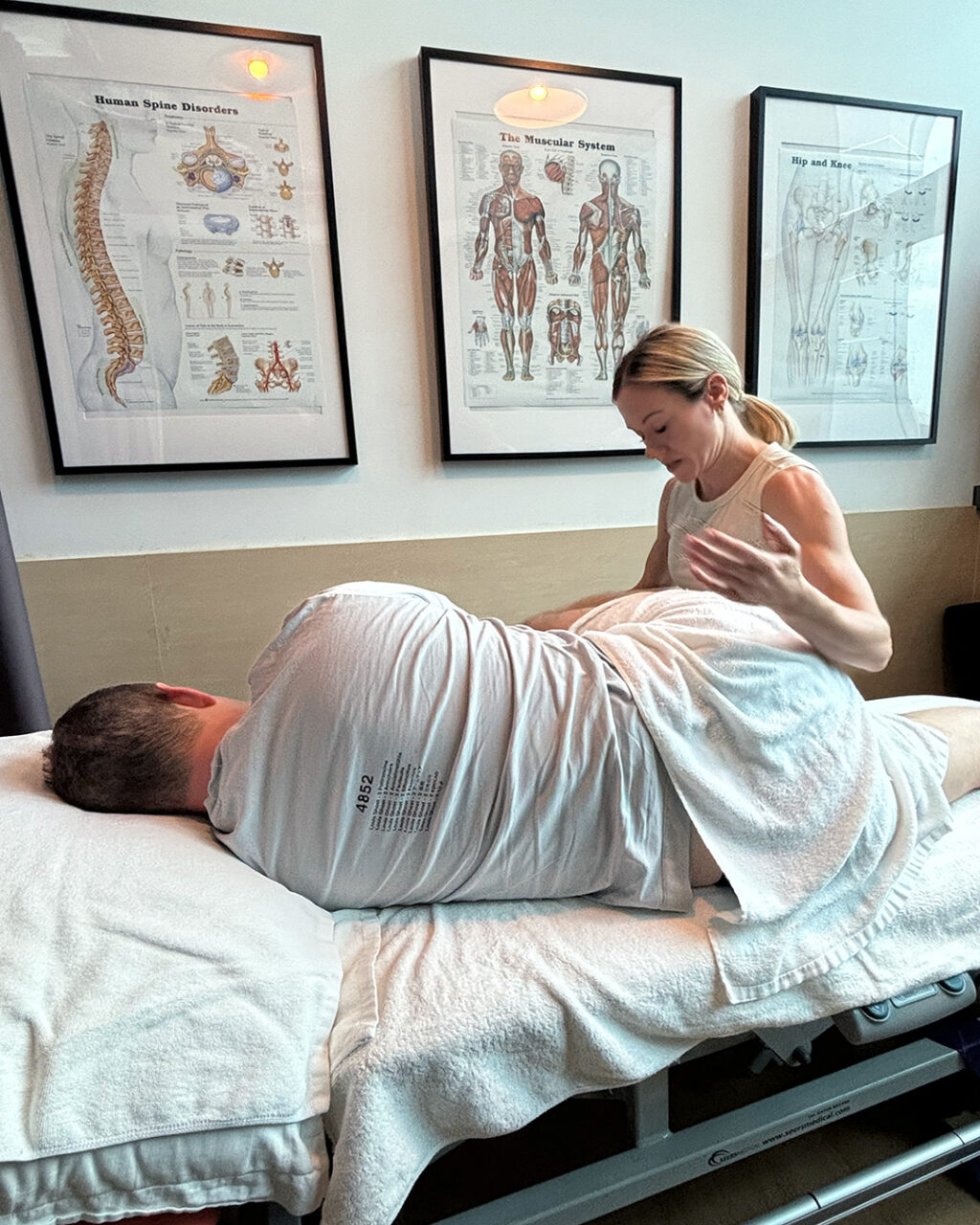
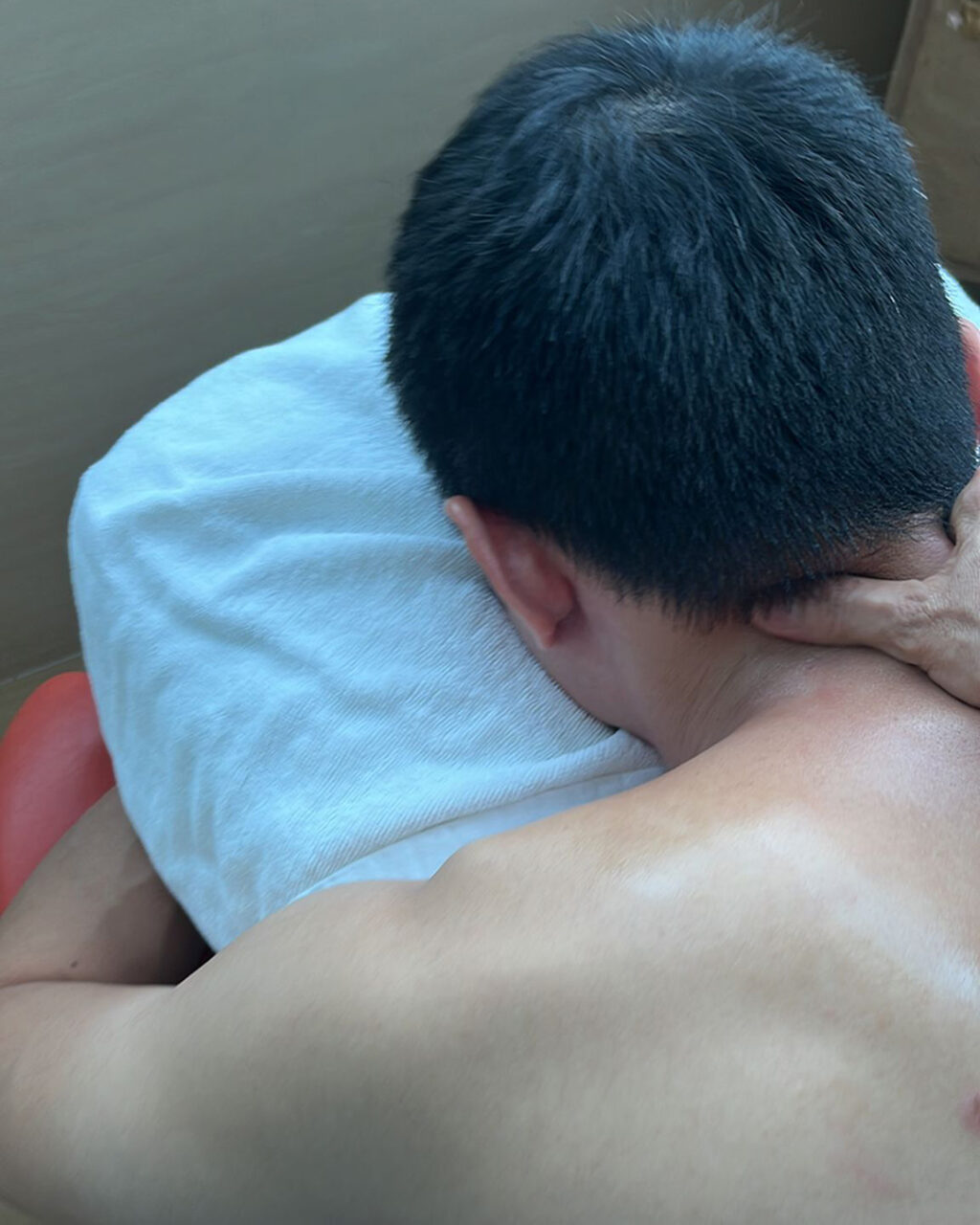
Manual Therapy Helps Musculoskeletal Disorders
Manual therapy helps many problems where pain and stiffness limit natural movement. Typical examples include neck pain from desk work, shoulder pain while reaching, low back pain after lifting, hip or knee stiffness, and ankle pain after a sprain.
Manual therapy can also help headaches linked to neck stiffness, jaw or TMJ discomfort, and generalized muscular pain that limits daily tasks. For athletes, manual therapy and physiotherapy help ease symptoms, so you can train the correct pattern while your programme restores capacity.
Additionally, manual therapy can be beneficial for conditions like carpal tunnel syndrome by reducing pressure on the median nerve and reducing swelling in affected areas.
Increase Joint Mobility with Manual Therapy
Manual therapy is a highly effective modality for easing joint stiffness that limits your daily activities. Skilled physical therapists use a variety of hands-on techniques, such as joint and soft-tissue mobilization, to target specific joints and surrounding soft tissues.
These manual therapy techniques reduce pain, ease muscle tension and improve your range of motion so you can move freely and comfortably. Regular manual therapy sessions can be especially beneficial for conditions such as frozen shoulder, hip impingement, or knee osteoarthritis, where increasing joint mobility is key to restoring activity and your quality of life. With the right combination of hands-on techniques, you can expect to see improvements in joint mobility, reduced discomfort, and a greater ability to participate in the activities you enjoy.
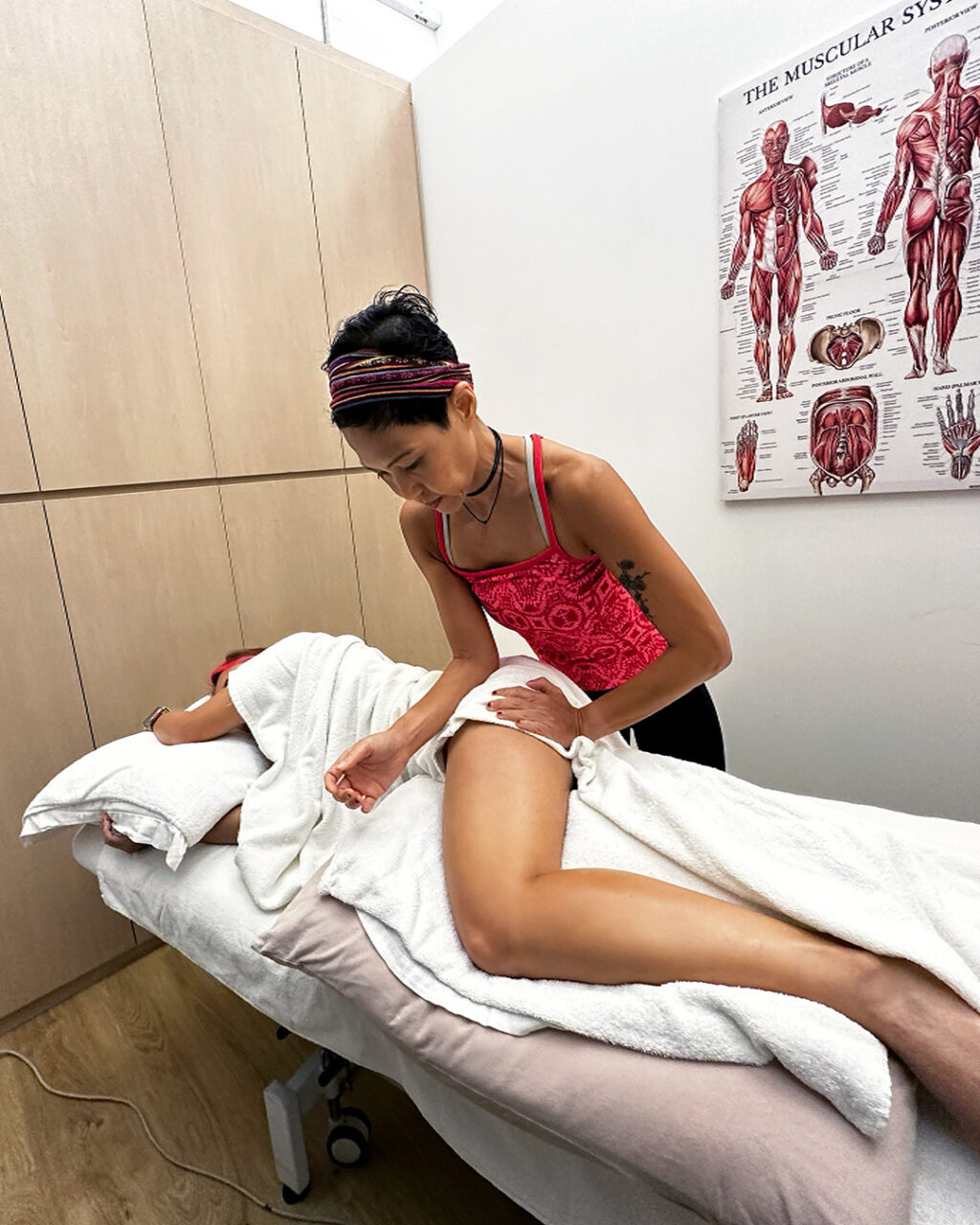
What to Expect during a Manual Therapy Session
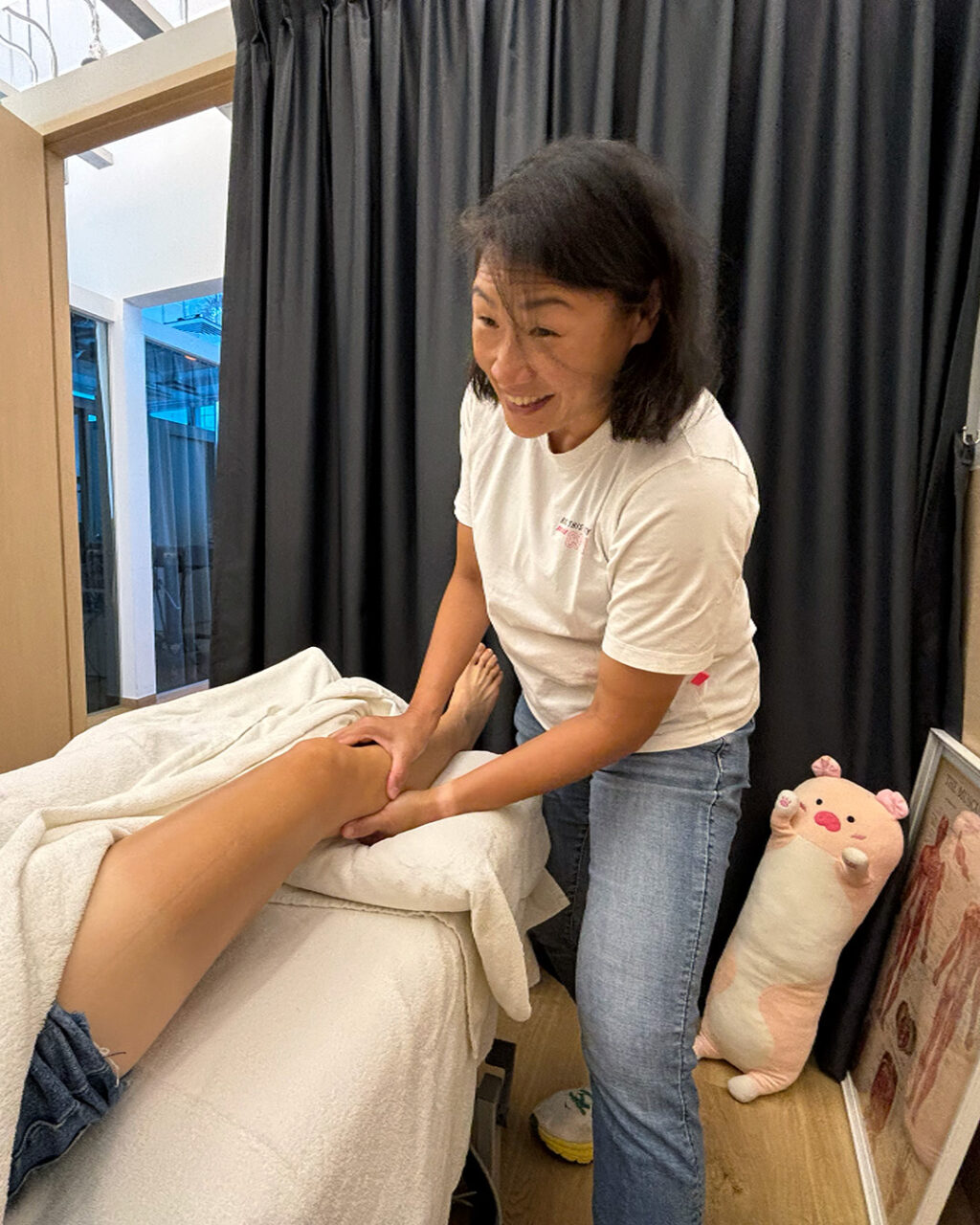
Your manual therapy session starts with a clear exam, followed by focused hands-on work tailored to the problem and your tolerance. Treatment is comfortable, with pressure and positions adjusted in real time in response to your body. You will leave with two or three physiotherapy exercises that align with what was covered, which you should do diligently. This is because manual therapy in physical therapy creates a window of opportunity for proper drills to lock in gains.
Most clients notice more effortless movement first, then steadier pain relief over several sessions as loading progresses. The goal of each session is to restore pain-free movement and function through targeted manual techniques. After your session, simple aftercare helps results settle: keep moving within a comfortable range, stay hydrated, and resume training gradually unless advised otherwise.
Posted on Google
Manual Therapy vs Physiotherapy
Manual therapy is one tool within physiotherapy and is part of a range of physical therapy treatments. Good client care uses both. We use manual therapy to reduce sensitivity and improve joint play, then build capacity through strength and mobility work, pacing, and education. Manual therapists are trained professionals who provide these hands-on interventions, using techniques such as manipulation and massage to treat musculoskeletal conditions.
Care decisions are shared. We explain options, likely benefits and limits in plain English and provide take-home guidance so you can choose confidently. Manual therapy has a long history within the profession of physical therapy, reflecting its enduring value in patient care.
Dry Needling in Manual Therapy
Dry Needling is a specialized manual therapy technique used by physical therapists to treat musculoskeletal pain and dysfunction. It involves inserting fine, sterile needles into specific trigger points or tight bands within the muscles to stimulate healing and reduce pain. Dry Needling is often combined with other manual therapy techniques, such as joint manipulation and soft tissue mobilization, to enhance overall treatment outcomes.
By targeting areas of muscle tension and chronic pain, Dry Needling can help release tight muscles, improve range of motion and reduce muscle tension in affected areas. It’s particularly effective for conditions like neck, shoulder, and hip pain, as well as for managing chronic pain and improving functional movement. When performed by trained physical therapists, Dry Needling is a safe and effective way to address musculoskeletal pain, support recovery and help you move with greater ease.

Manual Therapy vs Massage
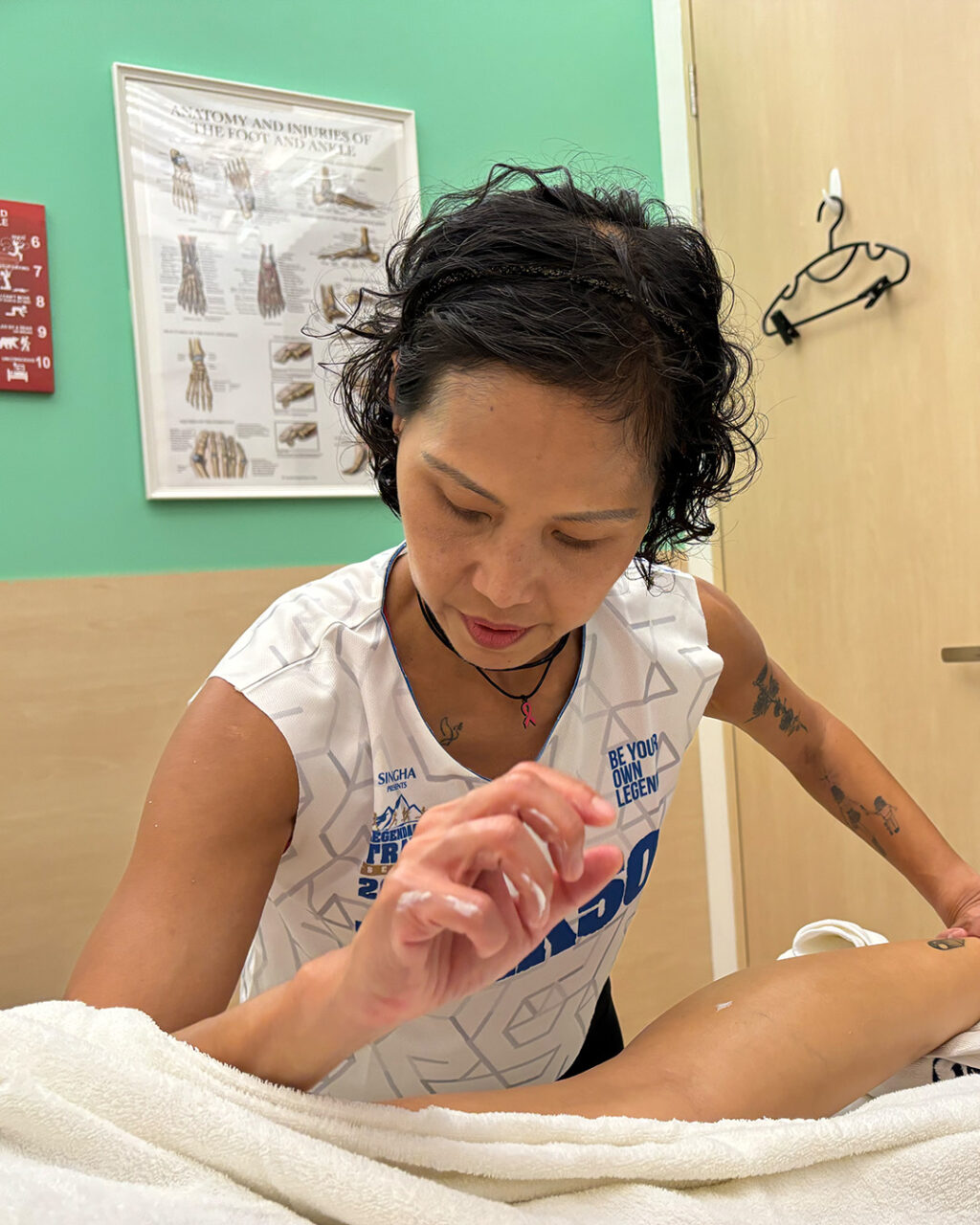
Massages aim to relax muscles and boost circulation across a broad area. Manual therapy is a form of hands-on physical therapy that uses specific tests and targeted techniques to change joint mechanics, reduce protective spasm, and improve the way a region moves under load.
The historical roots of manipulative therapy date back to ancient Greece, where it began as a specialized manual approach for treating spinal and musculoskeletal disorders. Over time, manipulative therapy has evolved through notable practitioners and organizations, forming the scientific basis of modern manual therapy.
Massage can be part of care, but manual therapy techniques are chosen to address a defined movement problem and are paired with tailored exercises to ensure results stick. If you have seen osteopaths before, note that HelloPhysio provides manual therapy within physiotherapy. The focus is assessment-led, goal-based loading supported by specific hands-on methods.
Safety, Limits and Who Should Not Have It
Manual therapy is generally safe when performed by trained clinicians. For neck treatment, we use additional screening and gentle pre-manipulative holds to maximise safety. We avoid or modify techniques if you have recent trauma, fracture, active inflammation, advanced osteoporosis or neurological red flags.
You may feel mild soreness for 24 to 48 hours after a session, and this should settle quickly. It is usually a sign that tissues were challenged in a helpful way, stimulating recovery. Before you begin, your specialist will outline expected soreness, red flags and fee details.
Conditions such as osteoporosis may not benefit from manual therapy due to the risk of fracture, and your therapist will carefully assess your suitability for treatment.
Book a Consultation Today
Most clients notice more effortless movement after the first manual therapy session and steadier function over a few weeks as exercises progress. Complex or long-standing problems may take longer to resolve. More importantly, our goal is not quick relief that fades as fast as it arrives. We aim for durable change, through the right mix of manual therapy techniques and progressive loading that suits your sport, job and schedule. If soreness lasts longer than 2 days or pain spikes after a session, contact your therapist so we can adjust the plan promptly.
HelloPhysio physiotherapy clinic tailors manual therapy and exercise to your goals and uses INDIBA, EMTT or Shockwave when helpful to speed safe lasting progress. If you are looking for manual therapy in Singapore, book your first consultation today at HelloPhysio.
Book an Appointment
Manual Therapy FAQs
What is the difference between manual therapy and physiotherapy?
Physiotherapy is the whole approach to restoring movement and function. Manual therapy is one tool within physiotherapy.