
Physiotherapy Exercise Prescription in Singapore
What Is Exercise Prescription in Physiotherapy?
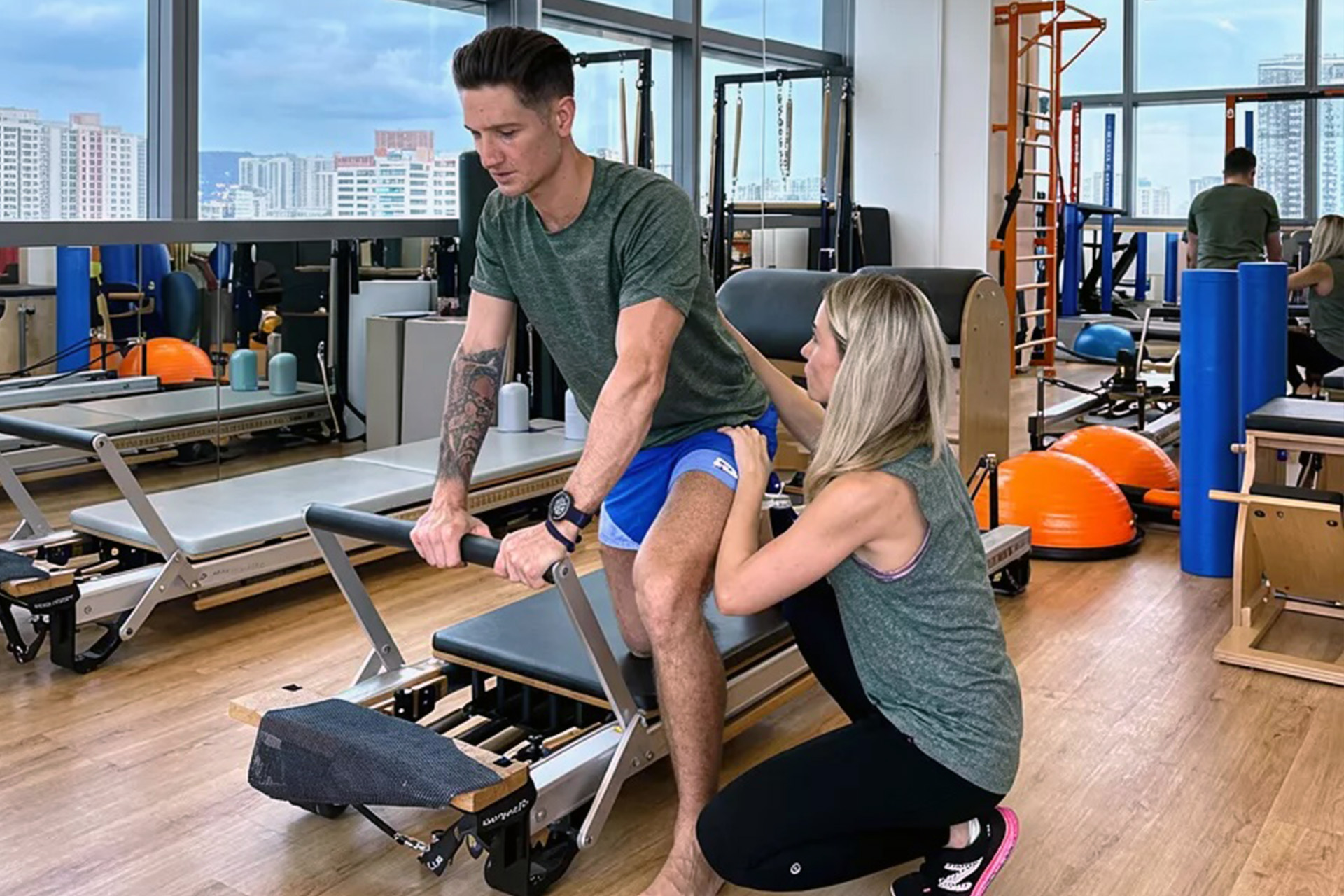
Exercise prescription is a personal roadmap that outlines which exercises to do, how often, how hard to push yourself, and how to progress safely. It includes a mix of exercises to build strength, improve mobility and balance, and support lasting recovery for runners, athletes, and anyone dealing with chronic pain or repeated injuries and conditions. Importantly, a proper prescription is clear, measurable, and tied to a specific goal, such as improving tendon capacity, restoring joint control, or rebuilding your endurance after taking some time off.
At HelloPhysio, your exercises are chosen to address the underlying cause of your symptoms, not just to provide a temporary fix. We also use exercise prescription to help manage chronic conditions like diabetes and heart disease, making it a versatile tool for improving overall health. It provides a clear baseline and realistic goals.
What Makes an Exercise Plan "Prescribed" rather than General?
A “prescribed” exercise program has a clear purpose, a specific dose, and a progression plan that fits your current abilities. Structured exercise is planned, purposeful and tailored movement designed to help you recover from an injury or maintain fitness. This is what sets prescribed exercises apart from just general physical activity. The same exercise, like a squat, can be a pain trigger for one person and a recovery tool for another, all depending on how deep, fast, heavy, and frequently you do it.
A good prescription also takes into account your schedule, the gear you have available, and the environments you move in, whether that’s long hours at a desk, gym time, or running in the blistering heat and humidity of Singapore. A prescribed plan will outline how often to exercise and how many sessions to complete per week to ensure you’re making consistent progress and sticking to your goals.
Exercise Prescription for Health Benefits
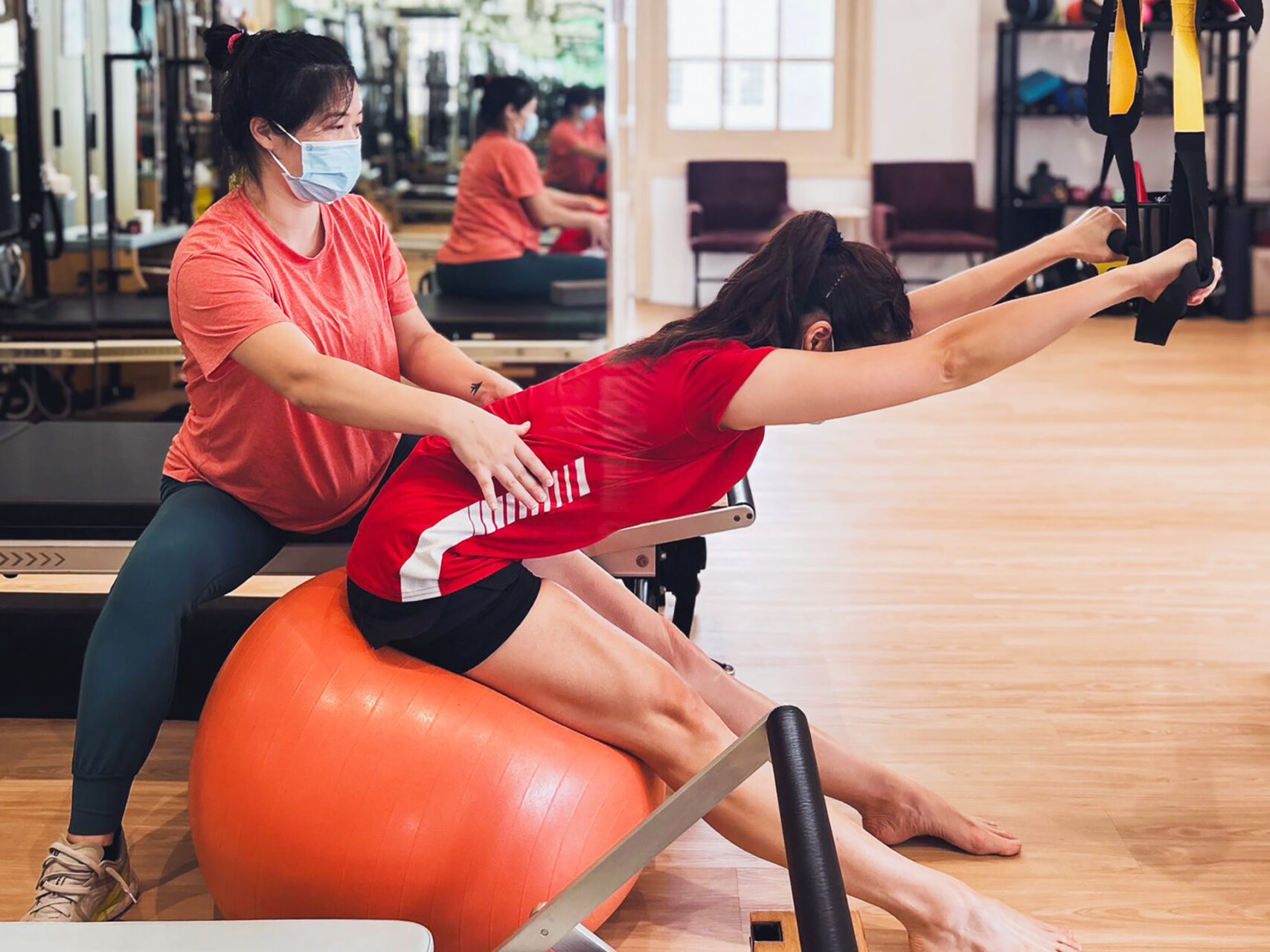
The primary purpose of an exercise prescription in physical therapy is to create specific, lasting change without causing a flare-up. That change might be reduced pain, better movement control, stronger muscles, improved endurance, higher tolerance for sports, or improved physical function, whichever is most specific to your needs. What matters most is the outcome you’re aiming for, because that determines the dose of exercise you need.
This is where exercise prescription physical therapy stands out from just telling people to “keep active.” Activity is good, but targeted training is often what helps restore function and prevent the problem from recurring. When you do your exercises right, your body adapts. When you get it wrong, symptoms linger or come back. Regular physical activity also has other benefits. It can improve mental health and cognitive function.
Can Physiotherapists Prescribe Exercise?
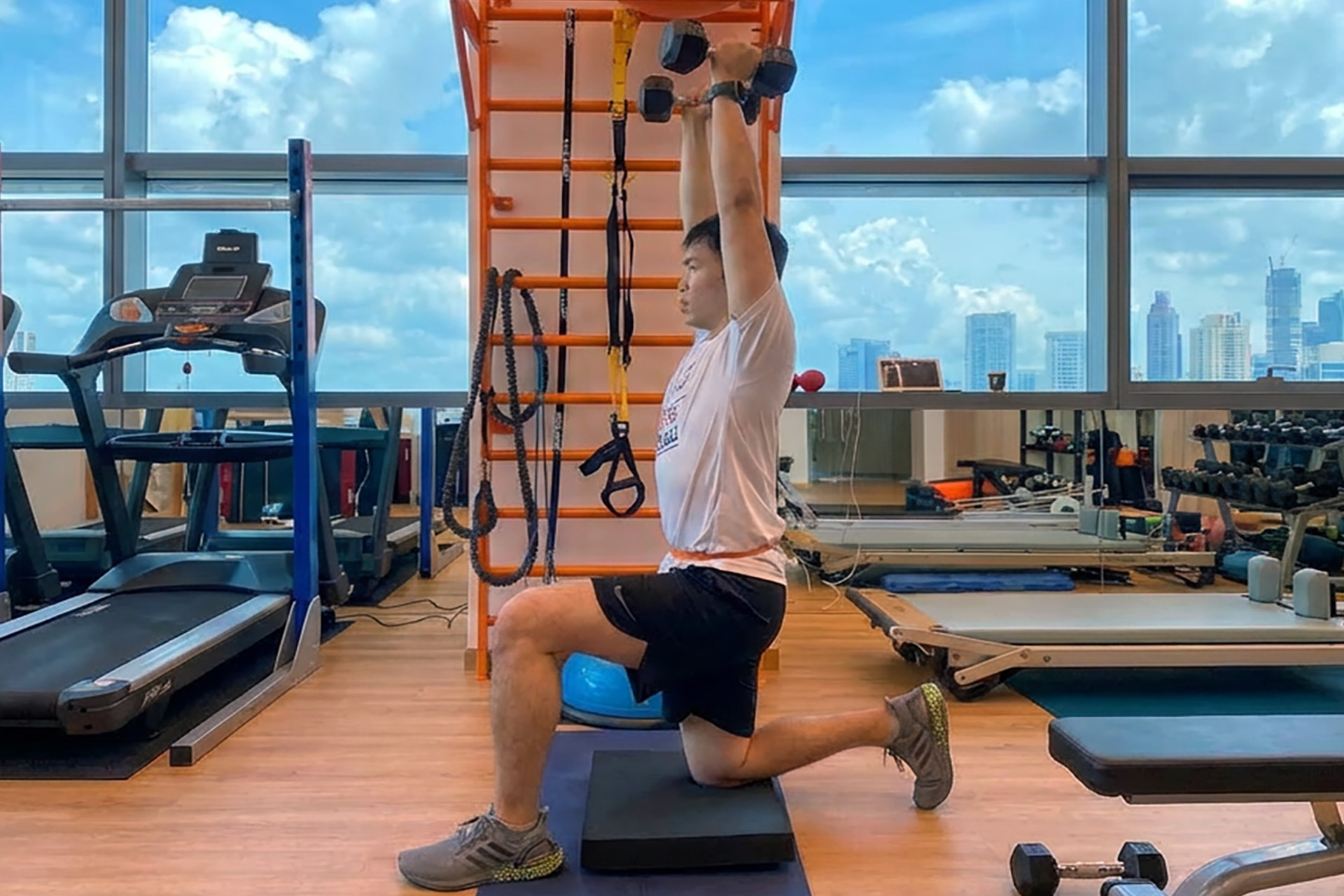
An exercise prescription works because it replaces vague advice with a plan your body can respond to. Most people have been told to “strengthen your core” or “stretch more,” yet symptoms keep coming back. That’s usually not a motivation problem. It’s often an ineffective exercise system.
When it comes to making a plan work, four key factors come into play: type, frequency, time, intensity and overall volume. The whole plan falls apart if any of these elements don’t match up. Do it too easily, and nothing changes. Do it too hard, and you’ll flare up. The sweet spot lies in the middle, where you’re pushing yourself enough to see real change without being so tough that it becomes more of a chore.
What Goes into an Evidence-Informed Exercise Prescription?
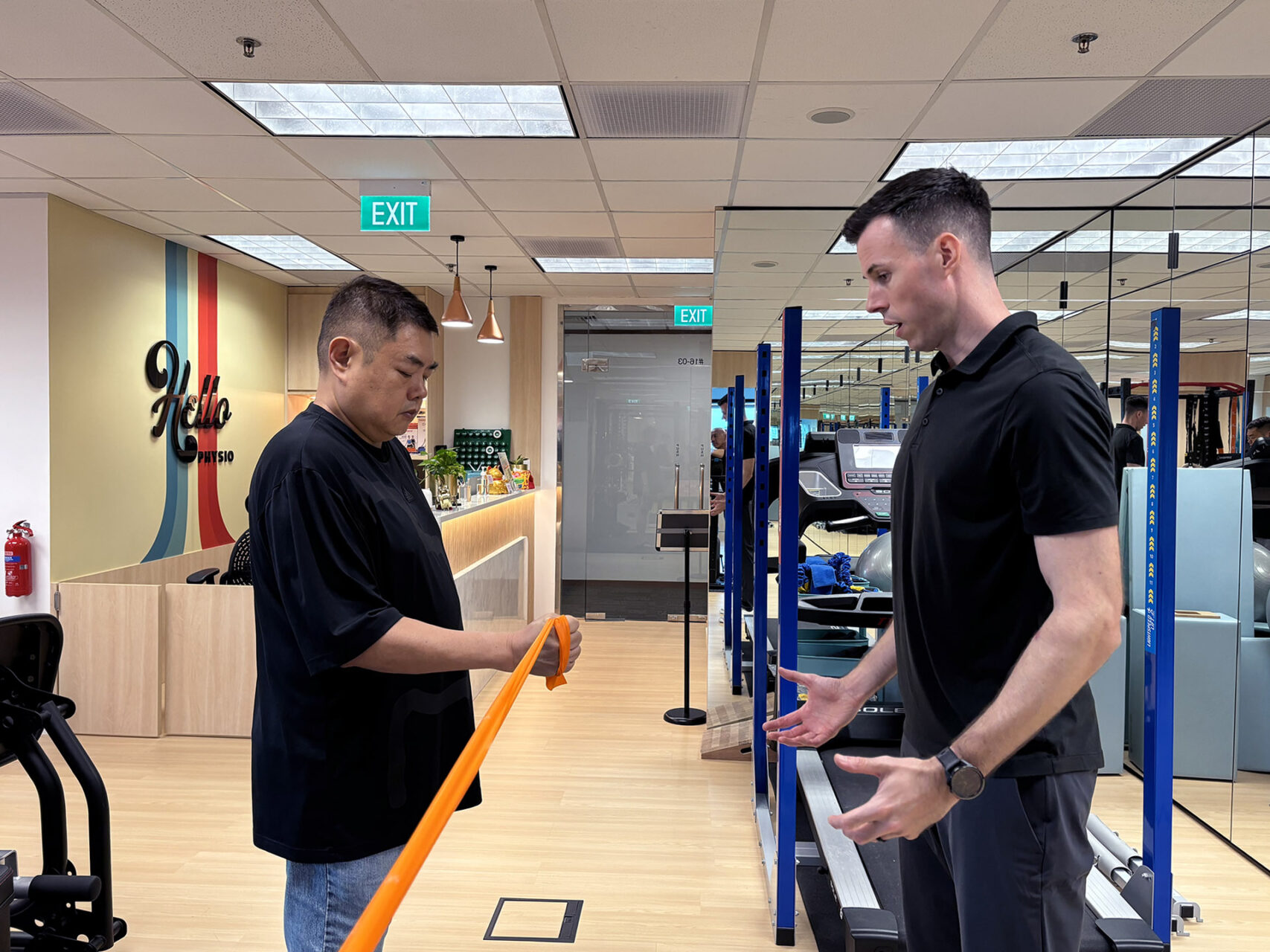
An evidence-informed exercise prescription is safe, measurable and adjustable. There are a few core elements that get mentioned in many different frameworks, but the basics are always the same: choose the right type of exercise, decide on the dose, then increment up the difficulty in small steps. A comprehensive exercise program usually includes a mix of aerobic endurance, flexibility, and resistance and strength training to give you a good overall sense of health and functional ability.
|
Prescription Base |
Description |
|
Type of Exercise |
These include aerobic, strength, endurance, resistance, mobility, and balance training. The choice is tailored to your goals: a runner needs hip strength; a desk worker needs posture endurance. Post-surgery recovery involves a gradual build-up from gentle movement to strength and power. |
|
Intensity |
This relates to how challenging the work feels, often measured by the talk test or perceived effort. It ranges from low (walking) to high (near exhaustion), which drives strength gains. |
|
Frequency and Time |
This is a key factor in the plan’s feasibility. Some tissues benefit from short, frequent sessions; others need longer, intense ones. A good prescription specifies both the work time and the total session time, including warm-ups and rest periods, to ensure precise adherence. |
|
Volume |
This entails the total weekly training load (intensity, frequency, and time combined). Spiking volume quickly, even with minor changes, risks injury. Monitoring exercise tolerance helps ensure safety. |
Screening and Assessment: Before We Get You Moving
Screenings and assessments are crucial in ensuring that exercise prescription is both safe and effective. In our clinics in Orchard and Raffles Hotel Arcade, our senior physiotherapists and rehab team first assess a client’s readiness and safety for physical activity.
Pre-Exercise Screening
We check for symptoms such as chest pain or dizziness before training. Red flags require medical clearance before high-impact exercise. If severe symptoms occur during exercise (e.g., fainting, chest pain), stop immediately and seek urgent medical help.
Baseline Exercise Testing
This determines a safe starting point by assessing strength, range of motion, balance and capacity. For athletes, testing is specific to sport demands, ensuring exercises are relevant and build real-world performance.
Exercise Capacity and Perceived Exertion
Understanding your limit is key to safe planning. We use cardiorespiratory fitness tests for baseline data.
Progression
Progression is the structured increase in exercise challenge over time. Sticking to an easy plan stalls progress, and jumping too fast causes symptom spikes. Progression is the deliberate bridge that ensures continuous, sustainable improvement in physical capacity.
The 24-Hour Rule
The best feedback is how you feel the day after exercise. If pain is stable and movement improves, the load is right. If pain sharply increases and stays high, we adjust the plan. This ensures the exercise prescription is individualized for optimal recovery.
From Rehab to Performance
The final phase focuses on returning confidently to real-world demands (e.g., running faster, lifting overhead) rather than on maintaining capacity. Group exercise can aid this transition for motivation.
Posted on
Book an Appointment

Exercise Prescription for Common Problems We See at HelloPhysio
Exercise prescription makes a lot more sense when you see how it changes depending on the person and the goal. Whether you’re a runner, a golfer, or recovering from an injury, the plan will be much more effective if it’s tailored to you.
Runners: Managing Running Injuries
Exercise prescription for runners focuses on building load tolerance and control. For runner’s knee, we start with pain-free hip and quad strengthening, while working on step control and cadence. For Achilles pain, the focus is on tolerable calf loading, progressing to heavy strength and plyometrics. Progress aligns with your actual training schedule, whether you’re running around Kallang recreationally or training for a race.
Shoulders: Fixing Rotator Cuff Pain
Shoulder exercise prescription emphasizes building endurance and control before maximum strength. Exercises target scapular mechanics and rotator cuff capacity, gradually introducing overhead tasks. Progression pace is dictated by symptom irritability; shoulders that flare up require a slower, more cautious approach.
Post-Surgical Rehab: Building Back Up
Post-operative exercise prescription strictly follows the surgeon’s guidelines and the tissue healing timeline. Initial focus is on a simple range of motion and basic muscle activation, gradually progressing to building strength and power.
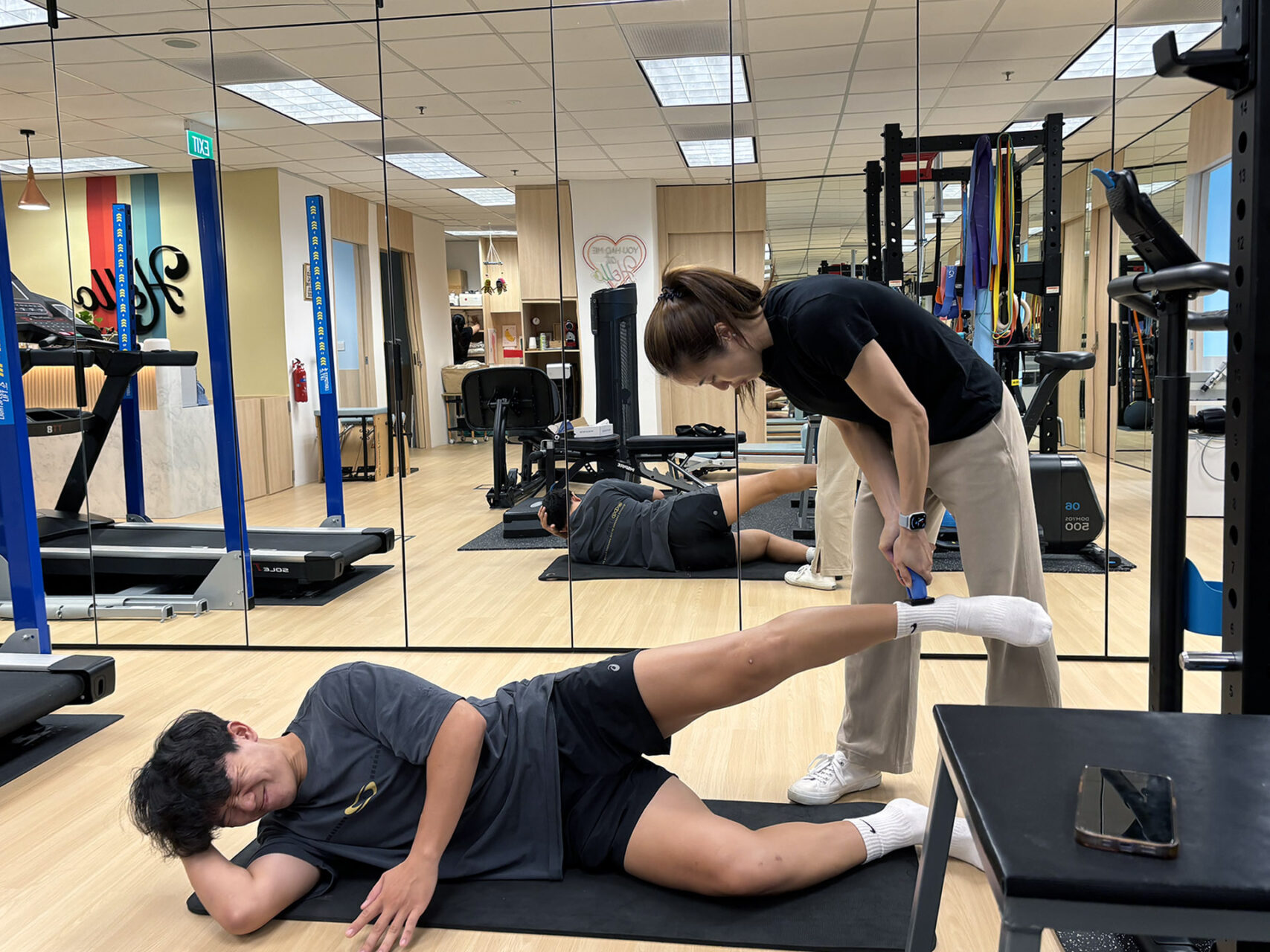
How Adjunct Therapies Complement Exercise Prescription
Adjunct therapies in physiotherapy can be a breakthrough for exercise prescription, especially if you’re in a lot of pain or stiffness is making it hard to move correctly.
At HelloPhysio, we use the following tools to support your prescribed exercises:
- Manual Therapy reduces joint stiffness and muscle guarding, making it easier to achieve the optimal range of motion and move freely through prescribed exercises.
- Dry Needling helps deactivate muscle trigger points and release deep tension, allowing muscles to load efficiently and engage correctly during strengthening exercises.
- INDIBA® radiofrequency therapy increases tissue extensibility and comfort, allowing patients to perform therapeutic exercises with less pain and a greater range of motion.
- Shockwave Therapy is used to treat chronic, stubborn tendon or fascia pain by resolving the underlying issue that limits tissue tolerance.
- Extracorporeal Magnetotransduction Therapy (EMTT) reduces pain and inflammation at the cellular level, enabling patients to tolerate the increased volume and intensity needed for functional exercise progression.
- LightStim® Red Light Therapy manages localized pain and reduces sensitivity, making it easier for patients to push their limits and adhere to challenging exercise plans without symptom flare-ups.
In every case, we tie these modalities back to your exercise prescription so the benefits carry over into daily life.
Home Program as a Catalyst of Healing

Sticking to a program isn’t just about willpower. It’s about having a clear plan that you can commit to. Prescribed exercises only work if you can actually do them. At HelloPhysio, we see physiotherapy as a catalyst for healing, and you play a role in your recovery. We keep instructions simple, ensure they’re realistic for your equipment, and make sure you know what good form feels like. That feedback loop is part of the prescription.
If you want a clear exercise prescription, a plan that makes sense, and exercises you can actually stick to, get in touch with HelloPhysio for a consultation and start building strength and recovering with a more innovative approach.