
What Is Inner Medial Knee Pain?
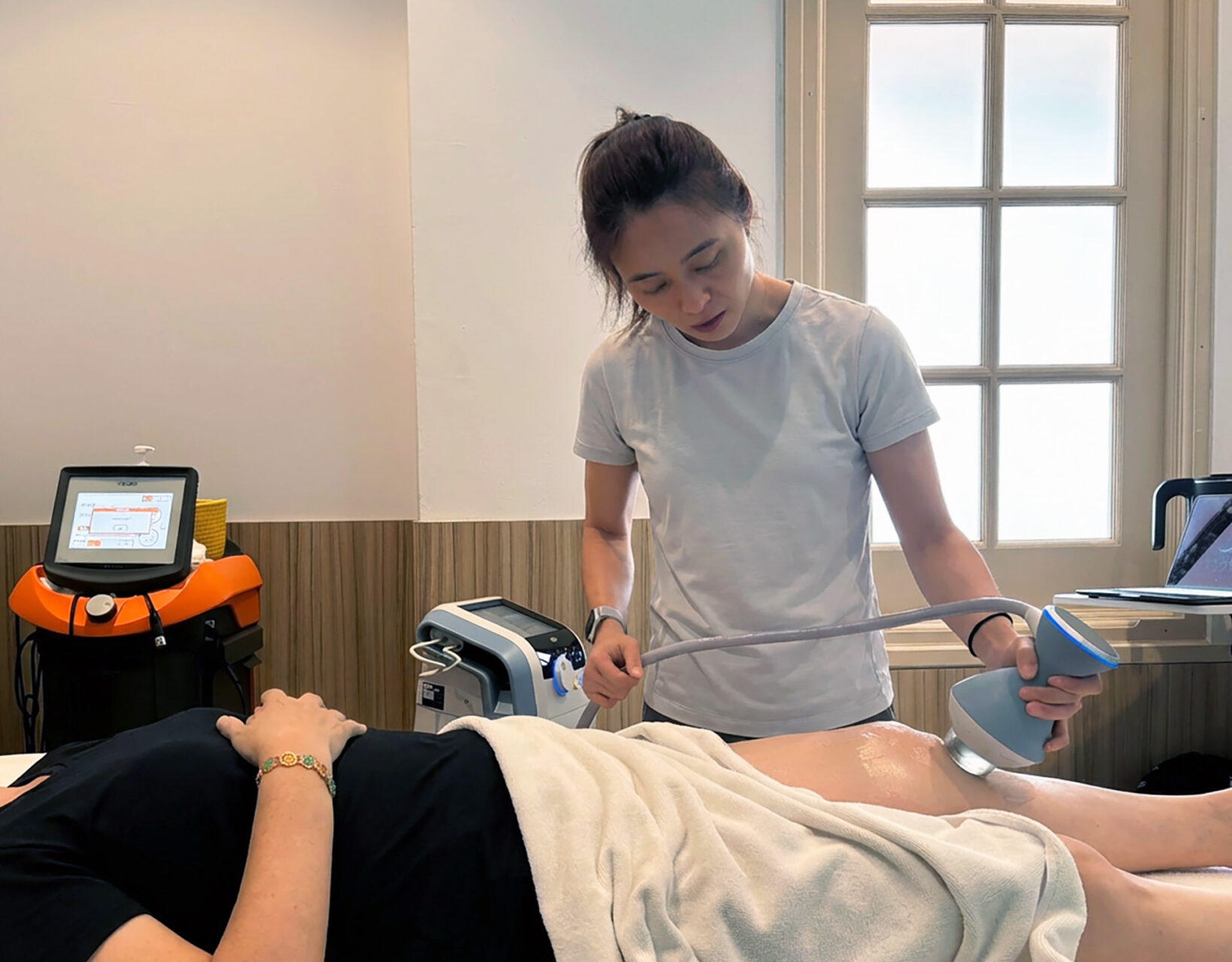
Many people experience inner knee pain, or more specifically, pain on the medial side of the knee, where the ligaments, cartilage, and tendons are tightly packed. This can happen when walking up stairs, climbing hills, or after a long walk. Others feel pain on the inside of their knees when squatting, lunging, or sitting with the knee bent for a while.
This pain can be dull or sharp and flares up during quick pivots. If you notice inside-knee pain when bending or walking that lingers into the next day, that’s usually a sign of something wrong. If you have been experiencing pain on the inside of your knee, it’s time for a proper assessment at HelloPhysio.
What Causes Pain on The Inside of The Knee in Most Adults?
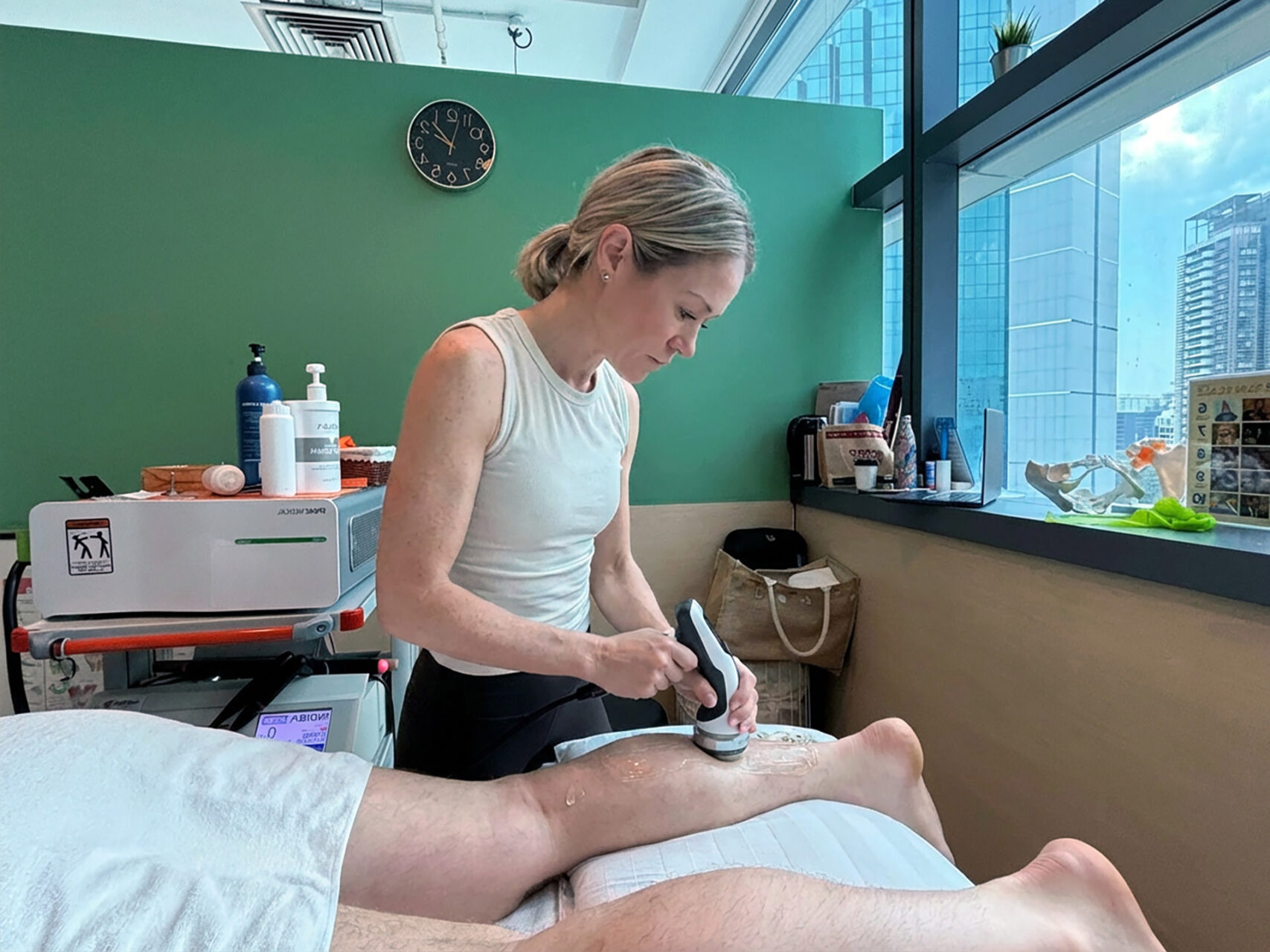
If you are wondering what causes pain on the inner side of your knee, the answer usually lies in how you load it and how well the knee, hip, and foot share the work.
Many knee injuries can cause inner knee pain, including ligament injuries, meniscus tears, medial meniscus injuries, and MCL injuries. Overuse injuries and sports injuries are common culprits of inner knee pain, especially among athletes who engage in repetitive or high-impact activities. Sudden injury or acute injury, such as a direct blow, twist or fall, can cause severe and lingering pain on the inside of the knee.
The most common causes of inner knee pain are overload, minor sprains, or wear and tear within the structures that stabilise the joint. Training spikes, deconditioned quadriceps, and improper foot mechanics can irritate the tissues and cause persistent pain on the inner side of the knee cap or just below it.
Severe or chronic knee pain may indicate a more serious condition that requires medical attention.
How Is Inner Knee Pain Diagnosed in the Clinic?
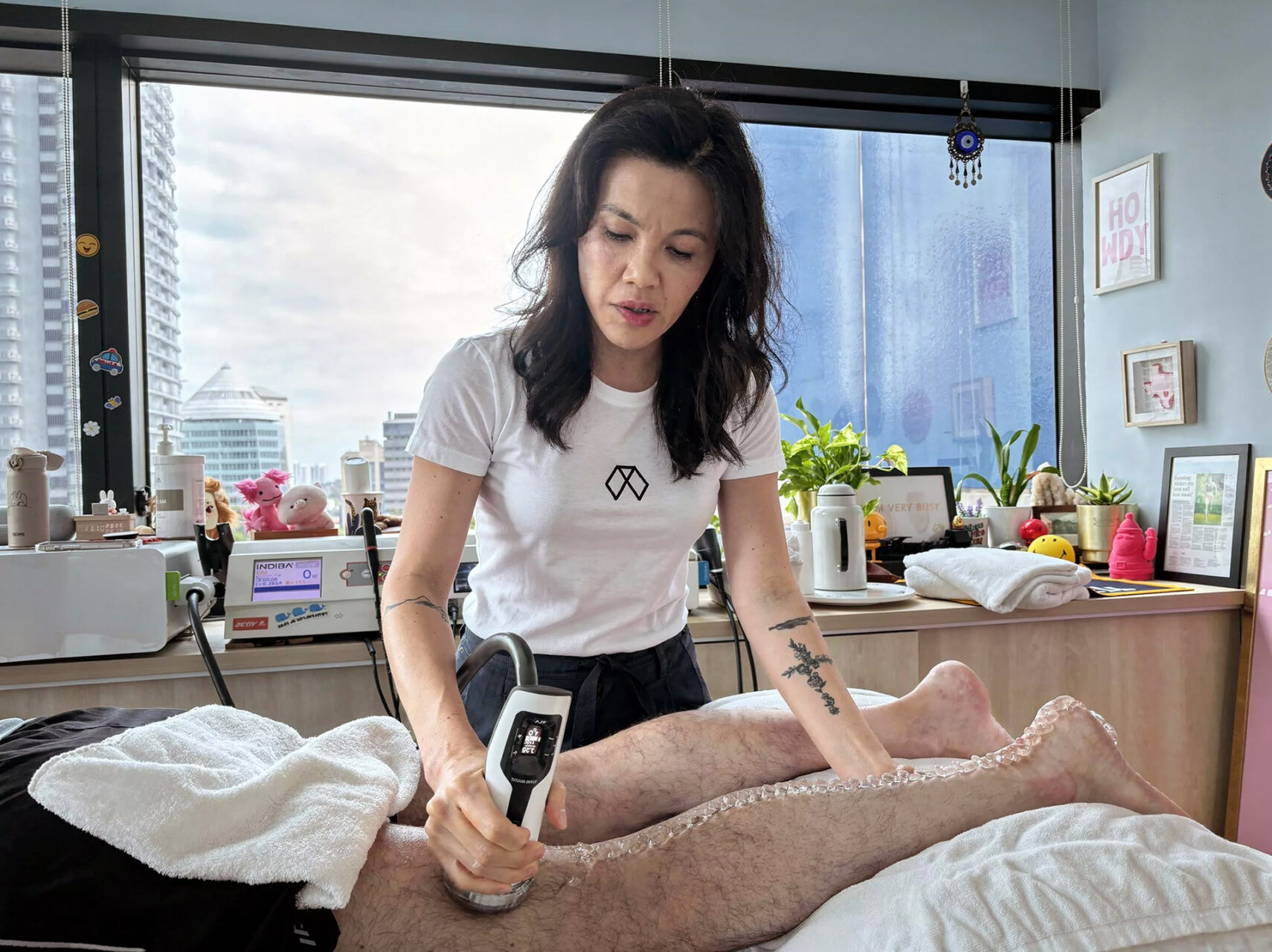
Inner knee pain is diagnosed through a focused examination of your medical history, a movement screen, and targeted tests that load each structure of your leg in turn. The physiotherapist will check for swelling, joint-line tenderness, ligament stability, hip control, and ankle mobility. If locking, giving way or night pain appears, we may refer you for further imaging. Ultrasounds can assess tendons and bursae. An MRI, if required, clarifies the status of the meniscus or cartilage. This process guides an inner-knee pain treatment plan tailored to your condition rather than a one-size-fits-all approach.
Inner vs Outer Knee Pain
Knee pain can occur on either the inner (medial) or outer (lateral) side of the knee. Understanding the difference is key to effective treatment. Inner knee pain typically involves structures such as the medial collateral ligament, the medial meniscus, or other tissues on the inner aspect of the knee. This type of pain often presents as sharp pain, swelling or stiffness along the inner side, especially after activities that stress the medial knee.
Outer knee pain is usually linked to issues with the lateral collateral ligament, iliotibial band or other structures on the outer side of the knee. Symptoms may include discomfort, swelling or tightness on the outer aspect of the knee, often after running or side-to-side movements. Both types of knee pain can limit mobility, but the underlying causes and treatment options are different.
Physical therapy for inner knee pain may focus on stabilising the medial knee and addressing specific ligament or meniscus injuries. In contrast, outer knee pain often responds to stretching, strengthening and correcting movement patterns. Knowing whether the pain is on the inner or outer side of the knee helps guide the right treatment plan and speed recovery.
MCL Injury Explained and How Physio Helps
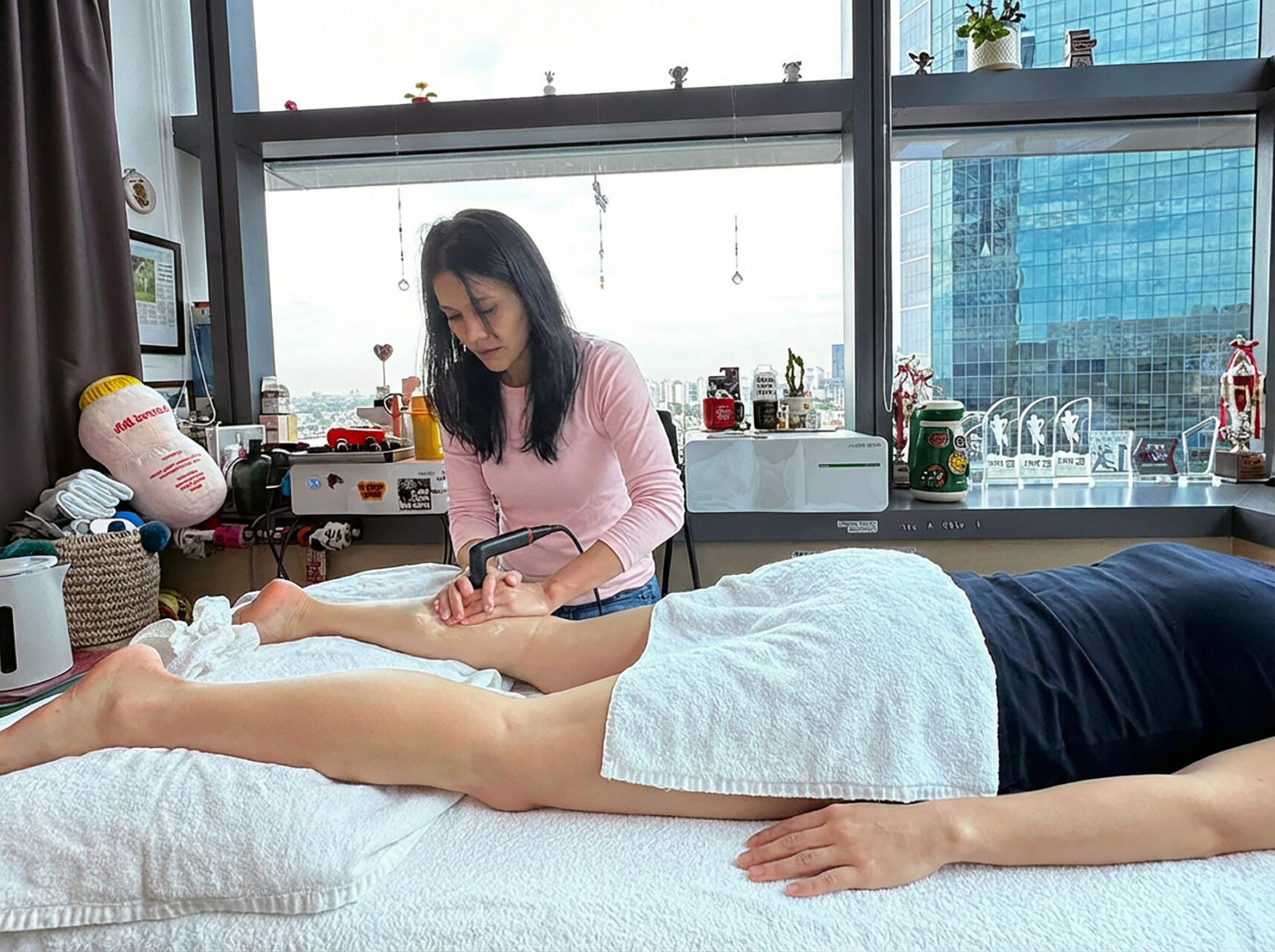
MCL injury is a sprain or tear of the ligament that guards the inner knee from forces pushing it outward. It often follows a tackle in a contact sport that hits the outer knee or a twist on uneven ground. As swelling settles, progressive strengthening of quadriceps, hamstrings and hip abductors restores stability, so inner knee pain when walking fades. Early care calms pain in the inner part of the knee with relative rest, bracing if required and gentle range work.
INDIBA® can support deep tissue recovery in the ligament’s superficial fibers, while Red Light Therapy can help short-term pain control. Dry Needling around the inner quad or hamstring trigger points speeds up normalisation, improving knee tracking. We reintroduce sports with agility and change-of-direction drills to prevent the sharp pain in the inner knee from returning in the first week back.
Medial Meniscus Tear and Why Symptoms Vary
A medial meniscus tear (also known as a torn meniscus) is a tear in the shock-absorbing cartilage on the inner side of the joint that causes catching, swelling, and localised ache. Small, stable tears often respond to conservative physiotherapy aimed at improving load-sharing across the knee. Strengthening the quadriceps and calf, along with hip control, reduces compression that causes pain on the inner side of the knee cap and along the joint line.
If swelling is stubborn, INDIBA or Red Light Therapy may help improve fluid movement and reduce pain. Dry Needling helps when protective muscle spasm limits extension. Shockwave Therapy is not the primary tool for meniscal tears, but Extracorporeal Magnetotransduction Therapy (EMTT) can be considered to support tissue metabolism in chronic cases. Many patients return to comfortable activity with graded loading and precise exercises for inner knee pain that focus on knee control.
Osteoarthritis in The Inner Knee and Staying Active
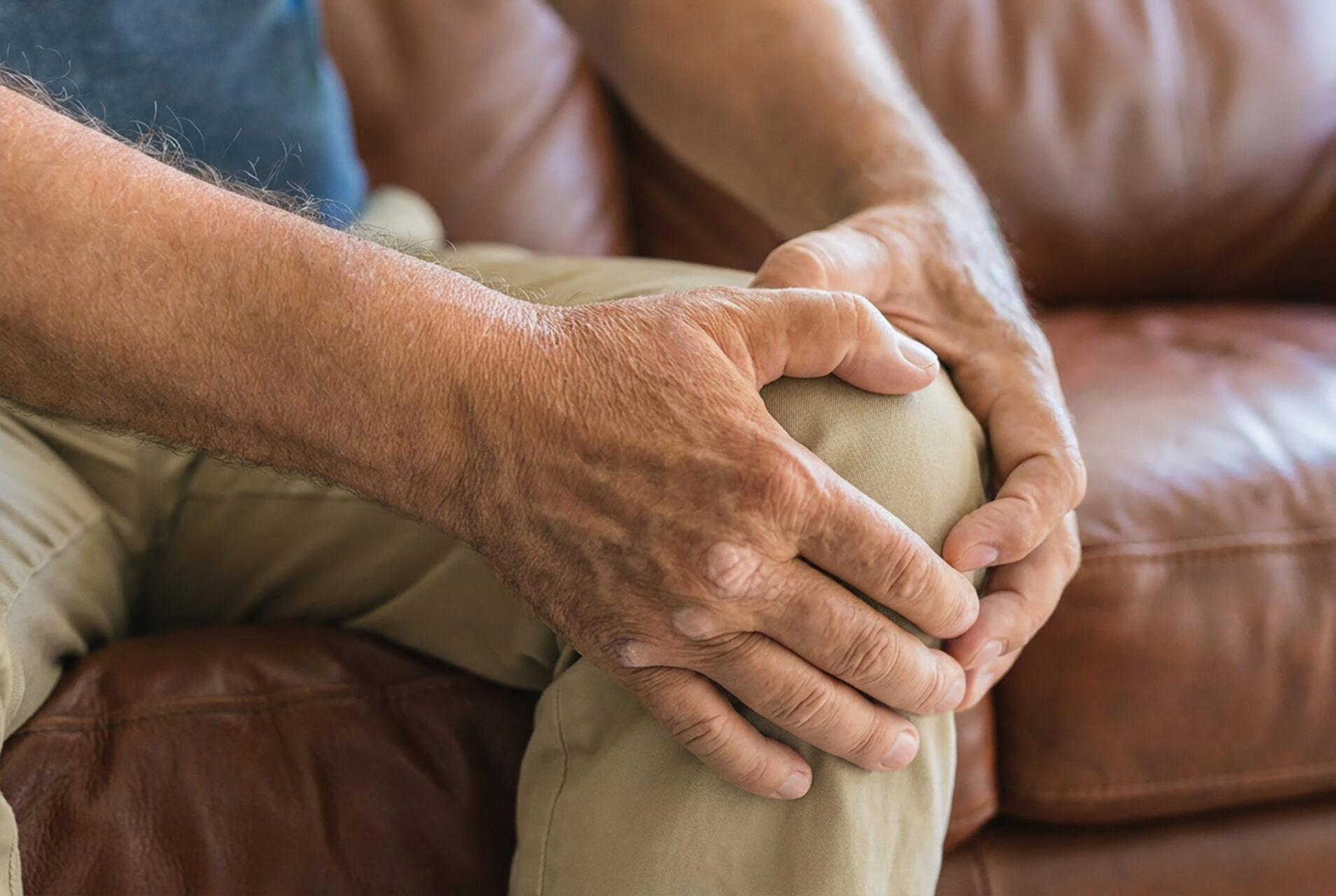
Medial compartment osteoarthritis is a gradual thinning of cartilage that leads to stiffness and increased load sensitivity. Knee osteoarthritis typically causes worsening pain during weight-bearing activities. Cartilage deterioration and inflammation can also cause knee joint stiffness, further reducing mobility.
With physiotherapy, targeted strengthening of the quadriceps, hamstrings, and glutes improves shock absorption, so pain on the inner side of the knee decreases during daily activities. Aerobic exercise supports joint health and body composition, which eases pressure on the compartment. INDIBA and EMTT can be used to reduce pain and improve function during flare-ups. Red Light Therapy can provide gentle relief, enabling exercise. With physiotherapist-prescribed exercises, inner knee pain when walking often improves within weeks, and inner knee pain when bent during sitting eases as tissues adapt.
Pes Anserine Bursitis That Mimics Joint Pain
Pes anserine bursitis is inflammation of the small bursa beneath the tendons on the inner shin just below the knee. It often follows overuse, hill running, or irritation associated with osteoarthritis. The area will feel tender to the touch and may ache when going up or down stairs or when turning at night.
Management strategies for bursitis usually involve reducing pressure on the knee, strengthening the rest of the leg, and incorporating soft-tissue work for the hamstrings. Shockwave Therapy can be helpful when the tendons that insert at the bursa are thickened, while Dry Needling reduces trigger points that tug on the area. INDIBA can settle local inflammation, so pain in the inner part of the knee quiets, and well-chosen exercises for inner knee pain restore confident loading.
Medial Plica Syndrome and That Snapping Sensation
Medial plica syndrome is an irritation of a small fold in the knee lining that can snap or click over the inner condyle. It often follows a training spike or repeated knee flexion. This can be calmed with short-term activity changes and manual therapy to improve patellar glide in the knee. Taping guides the kneecap away from the sensitive fold, which reduces pain on the inner side of the knee cap during squats. Dry Needling can relax surrounding muscles that overwork to guard the joint. Red Light Therapy offers gentle pain relief, letting you keep moving while your physiotherapist helps you rebuild control. With consistent rehab, medial plica syndrome usually settles.
Kneecap Misalignment and Patellofemoral Pain
Kneecap misalignment, also called patellofemoral pain or patellofemoral pain syndrome, often presents as a diffuse ache around the front of the knee that can radiate to the inner side of the knee. It is common in runners and desk workers.
The fix for the condition blends hip strength, patellar taping, foot mechanics and cadence cues, all guided by your physiotherapist. As tracking improves, pain on the inner side of the knee during stairs and squats reduces.
INDIBA can ease tight lateral tissues, allowing the kneecap to glide more easily. Dry Needling of the vastus lateralis or rectus femoris helps when tone pulls the patella outward. When movement patterns are right, exercises for inner knee pain become protective rather than provocative.
Runners and Cyclists Get Inner Knee Pain, and How to Adjust
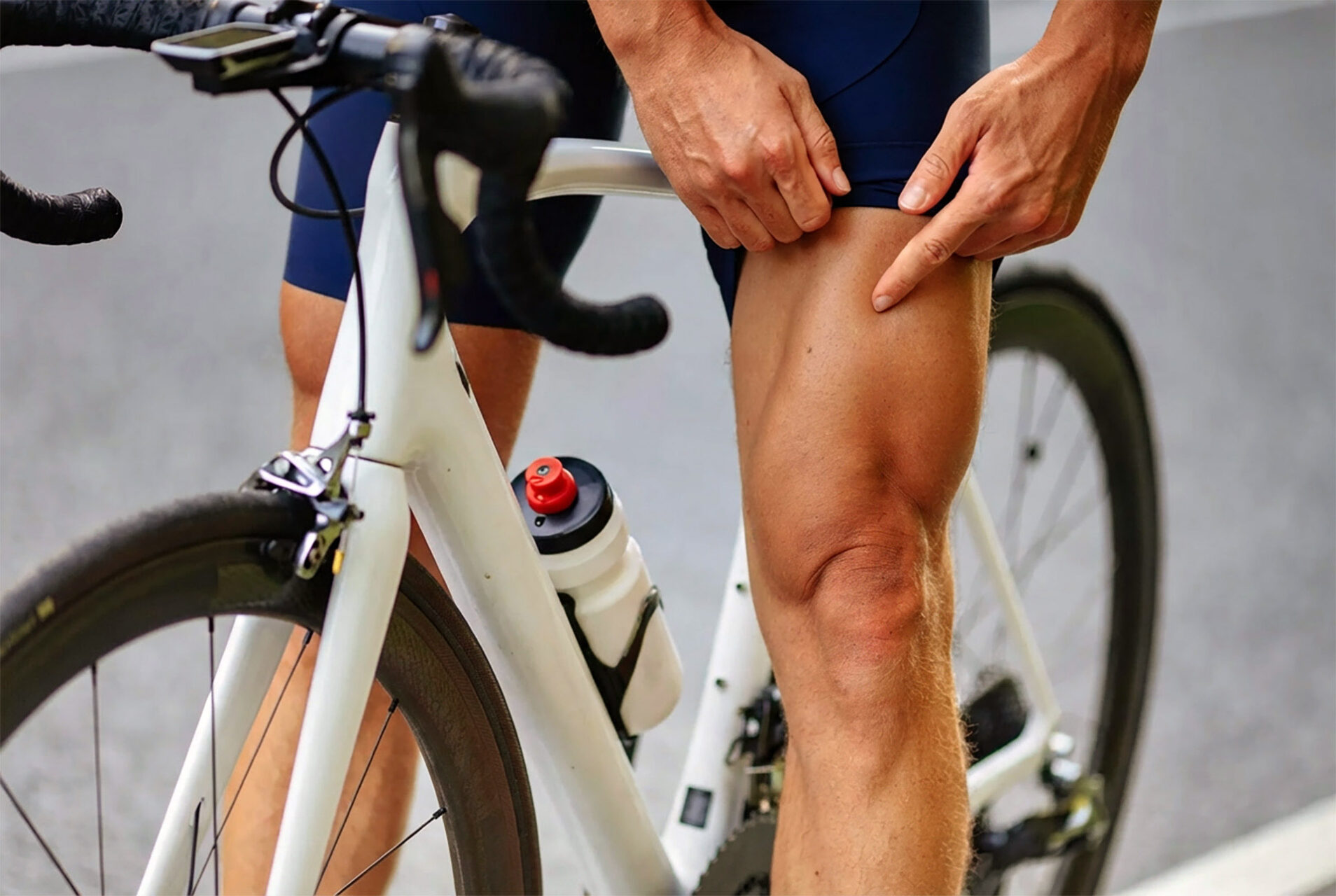
Inner knee pain after running usually follows a sudden jump in mileage or shoes that let your foot collapse inward late in your running stance. In Singapore, it can also look like hitting the hills at Mount Faber too intensely without proper build-up. Runners and cyclists often experience inner knee pain as a sports injury, often due to repetitive motion. We adjust volume, add calf and glute strength and refine cadence to smooth loading and teach you how to run again without aggravating your knee.
For cyclists, inner knee pain when cycling often stems from saddle height, cleat rotation, or knee tracking over the pedal. A minor cleat tweak or saddle shift can remove a persistent sharp pain in the inner knee within days. With both sports, the return plan uses pain as a guide during and 24 hours after. If a session spikes symptoms, we scale and progress more slowly.
What’s in an Inner Knee Pain Treatment Plan?
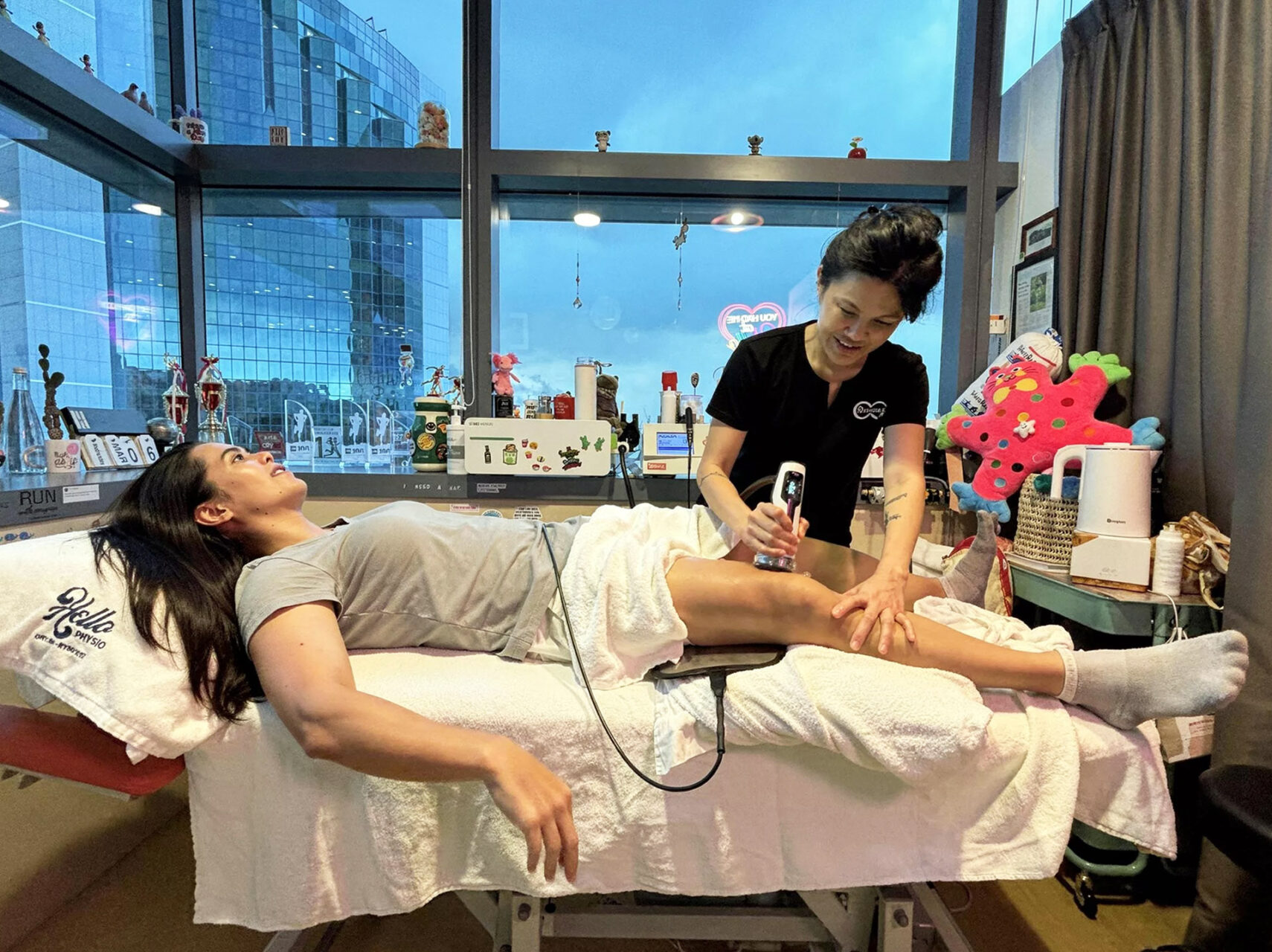
An inner knee pain treatment plan has many phases to build you back up and address the cause of your inner knee pain. At HelloPhysio, first, we calm the tissue so you can move without guarding. That’s where INDIBA, Red Light Therapy and selective Dry Needling help you tolerate early loading.
Next, we rebuild strength and control with targeted exercises for inner knee pain that target the quads, hamstrings, calves, and hips.
Finally, we test the system with sport-specific drills so that pain on the inner side of the knee doesn’t return when you run, jump, or ride. If tendons are slow to adapt, Shockwave Therapy may be added for chronic pes anserine irritation. EMTT may be considered for stubborn osteoarthritis flares.
The goal of any inner knee pain treatment is simple: reliable function without reliance on passive care.
What Self-Care Can I Do while I Wait for an Appointment?
In the short term, choose level walks and avoid deep knee flexion. Use shoes with good midfoot support, especially on long city day walks. Gentle quads and hamstring work within a pain-free range keep the joint moving. Home treatments for inner knee pain may include applying ice, resting the knee and elevating the affected leg. If you feel pain on the inner side of the knee cap at the top of the stairs, try a step-to-tolerance approach and handrail support for a few days. These don’t replace a tailored plan, but they can help stop a minor issue from becoming a bigger one as you wait for specialised support from an expert.
The Role of Targeted Exercise and How to Progress Safely
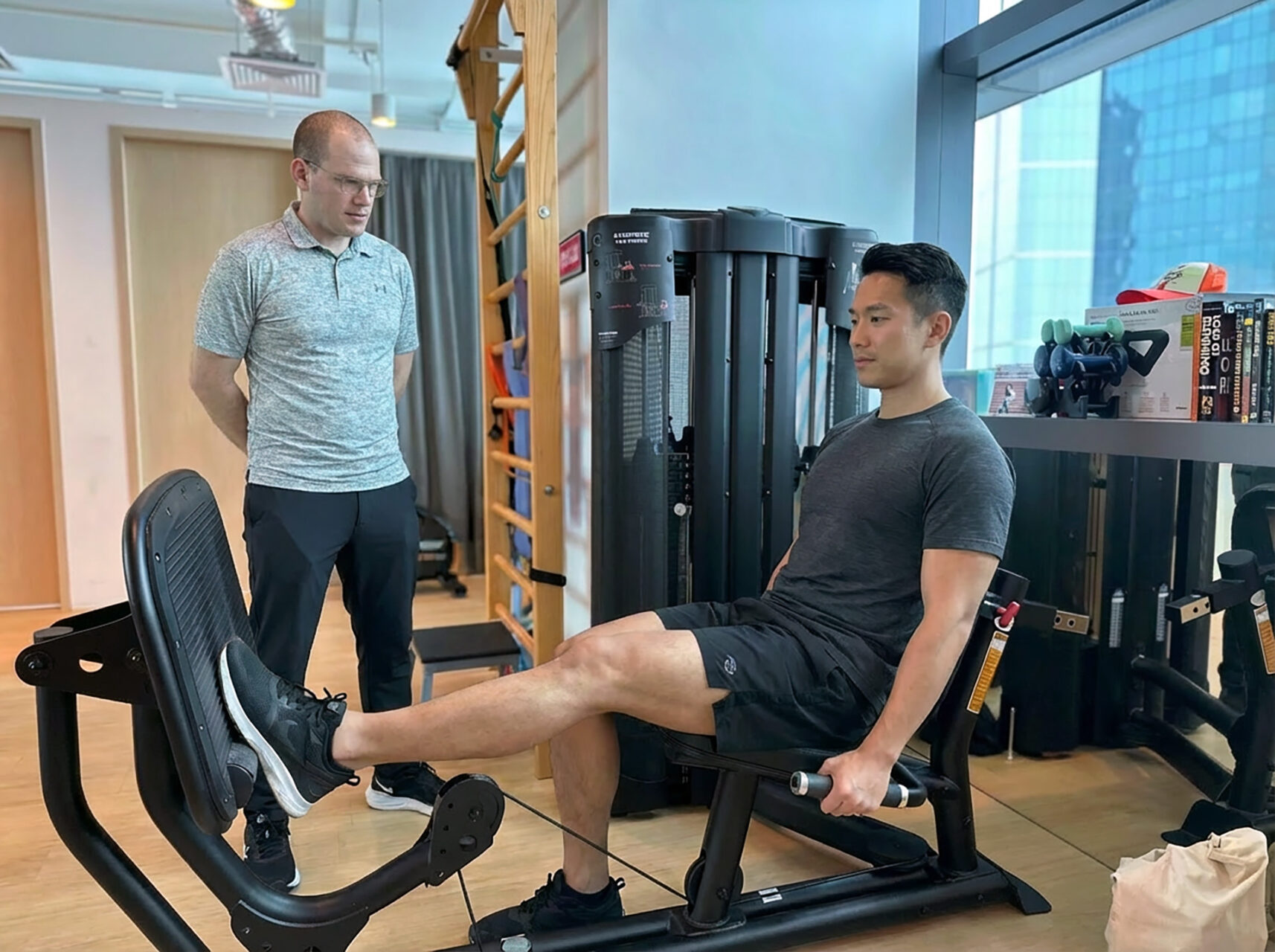
Exercise is the primary treatment because it changes how the knee tolerates load. A physiotherapist will offer you the best exercises to strengthen your leg muscles for knee stability and pain prevention.
Exercises include isometric movements to settle symptoms, and controlled squats, bridges, step downs, and calf raises that respect alignment. Half squats are a way to strengthen the front of the legs without putting excess strain on the knees. Your physiotherapist will set reps, tempo and weekly progressions so pain on the inner side of the knee doesn’t spike later in the day. Over time, you will add single-leg drills and hopping to mirror sport needs. This path reduces inner knee pain after running and makes it far less likely to return when walking.
How to Prevent Inner Knee Pain for Long-Term Knee Health Tips
Preventing inner knee pain helps you move pain-free for years to come. Start by keeping your knee joint strong and resilient through regular exercise, focusing on your quadriceps, hamstrings and hip stabilizers. Exercises like squats, lunges and leg presses build support around the knee and reduce injury risk. Being a healthy weight also reduces the load on the inner knee and lowers the risk of knee arthritis or ligament injuries.
Choose supportive shoes that match your activity and foot type, and consider using knee pads or a knee brace during high-risk activities. Avoid sudden twisting or deep bending movements that can strain the medial knee, and always warm up before exercise, especially if you’re playing sports. If you have a history of knee pain or existing conditions like knee arthritis, work with a physical therapist to address muscle imbalances or movement issues.
By making these habits part of your routine, you can protect your inner knee, reduce future injury risk and keep your knee joint functioning at its best.
When Should I Seek Help and What Can I Expect?
Seek help if you have recurrent pain in the inner part of the knee, swelling that doesn’t settle, locking or giving way or inner knee pain when bent that interferes with sleep. If you have severe pain or if your pain worsens despite self-care, you should seek medical evaluation. Visible swelling, redness or warmth around the knee indicates medical evaluation. Most patients improve within a few weeks if they follow a structured plan.
Better strength and mechanics mean fewer flares and less worry about what causes pain on the inner side of the knee during daily life. With proper guidance, even long-standing causes of inner knee pain will respond well. Contact HelloPhysio and get moving again.