

During pregnancy, every expectant woman expects the quintessential baby bump, the first flutters of movement, and perhaps a few midnight cravings. Along with these wonders may come a few surprises. Achilles tendon pain during pregnancy is one of these uncommon side effects. The question is, why does heel pain happen for expectant mothers? Is there anything families need to be concerned about if the mother has Achilles tendon pain while pregnant?
Why am I experiencing Achilles tendon pain during early pregnancy?
Many women experience joint and muscle problems throughout their lives, and runners may notice more issues in areas such as the knees and ankles. Interestingly, about half of all pregnant women complain of back pain and pain around the hips to the point where they sometimes have to consult a doctor.
What’s causing all this? Let’s get down to the body’s physiology and why pregnant women experience Achilles tendon pain.
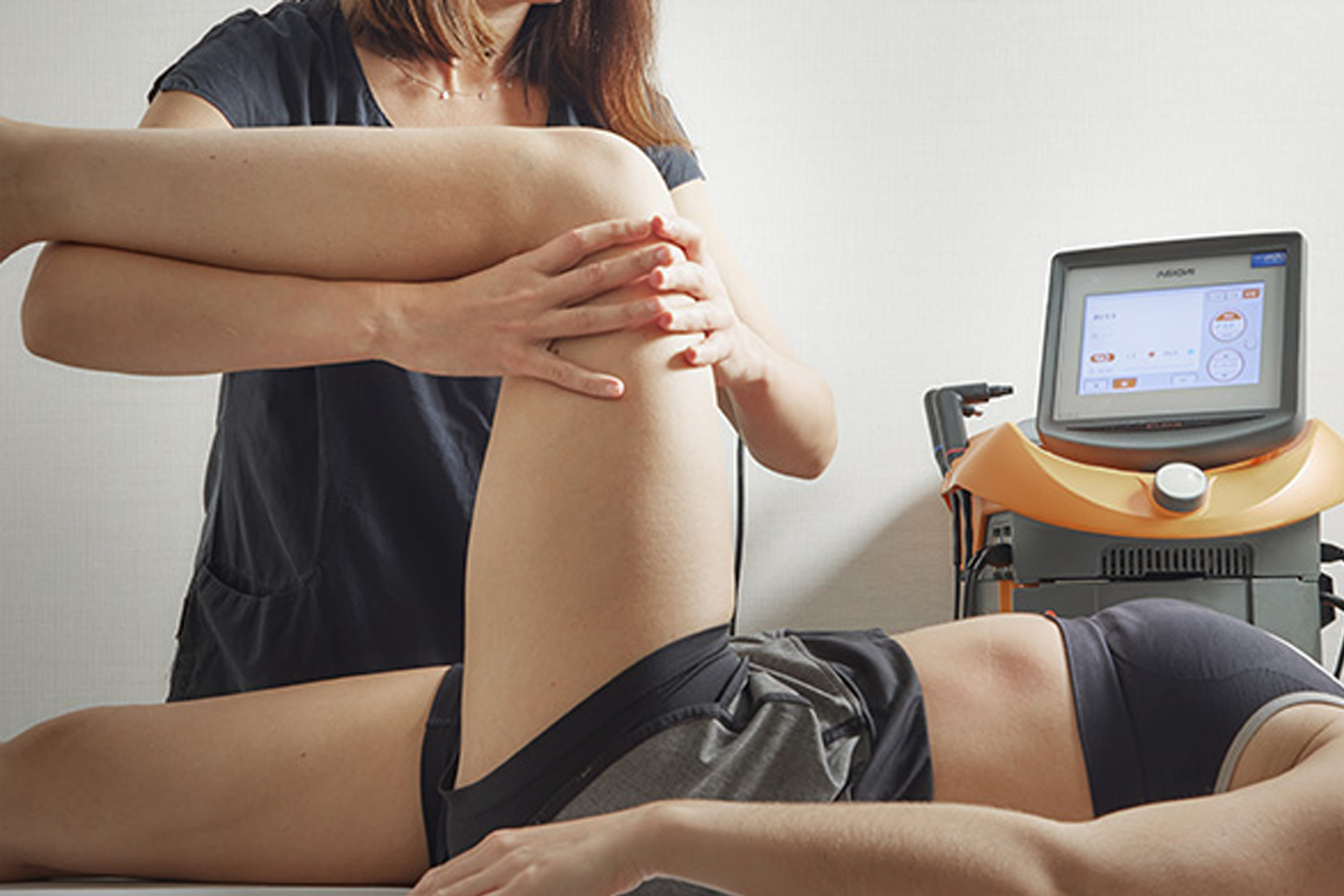
The physiological mechanisms by which these hormonal changes affect the Achilles tendon involve various cellular and molecular pathways. Hormones such as estrogen, progesterone, testosterone, relaxin, and sex hormone-binding globulin (SHBG) have been shown to affect ligament laxity during pregnancy and lactation.
For instance, estrogen and relaxin can alter the expression of genes involved in collagen synthesis and cross-linking, thereby altering tendon stiffness and laxity. Progesterone’s role in relaxing smooth muscles could also affect the tendon’s mechanical properties. SHBG’s regulation of sex hormone levels can affect the balance between collagen synthesis and degradation, thereby influencing tendon stiffness and laxity.
Let’s find out more about these hormonal changes in specifics:
Estrogen and Relaxin
Estrogen and relaxin are two key hormones that play significant roles in the changes that occur in the Achilles tendon during pregnancy. Estrogen levels increase significantly during the third trimester of pregnancy, leading to increased collagen synthesis and reduced collagen cross-linking and mechanical function. This hormonal change can decrease tendon stiffness and potentially increase tendon laxity.
Relaxin, on the other hand, relaxes spinal and pelvic ligaments and joints to facilitate childbirth. Relaxin has been shown to increase the laxity of the pubic ligaments. Similarly, in the Achilles tendon, relaxin could contribute to increased laxity by altering its mechanical properties.
Progesterone
Progesterone levels also increase significantly during pregnancy, particularly in the first trimester. While its direct impact on the Achilles tendon is less well studied than that of estrogen and relaxin, progesterone’s role in relaxing smooth muscles during pregnancy could affect the tendon’s mechanical properties. This relaxation could lead to increased tendon laxity, which could be addressed through Clinical Pilates strengthening exercises.
Sex Hormone-Binding Globulin (SHBG)
SHBG is a protein that binds to sex hormones like estrogen and testosterone, regulating their levels in the body. During pregnancy, SHBG levels increase, potentially altering hormone levels and their impact on the Achilles tendon.
For example, increased SHBG levels could reduce estrogen and testosterone levels, potentially leading to decreased collagen synthesis and tendon stiffness.
This hormonal shift could be addressed with adjunctive treatments such as INDIBA radiofrequency, which promotes tissue healing and increases blood flow to the tendon. This adjunctive treatment aims to support tissue integrity and accelerate recovery, which can be particularly useful given the hormonal and physiological stresses on tendons during pregnancy.
Benefits of physical therapy to help strengthen the Achilles tendon for pregnant athletes
Physical therapists can prescribe specific exercises to maintain the tensile strength and muscle function of the Achilles tendon and calf muscles. This includes calf raises, leg presses, and proprioceptive drills to support the feet despite increased ligament laxity.
Physical therapists may work to correct gait abnormalities, improve balance, and reduce stress on the Achilles tendon during activities. Stretching exercises for the calf muscles and ankle joints can enhance flexibility and range of motion. This is especially important during pregnancy, as hormones affect ligament laxity, making flexibility and range of motion crucial.
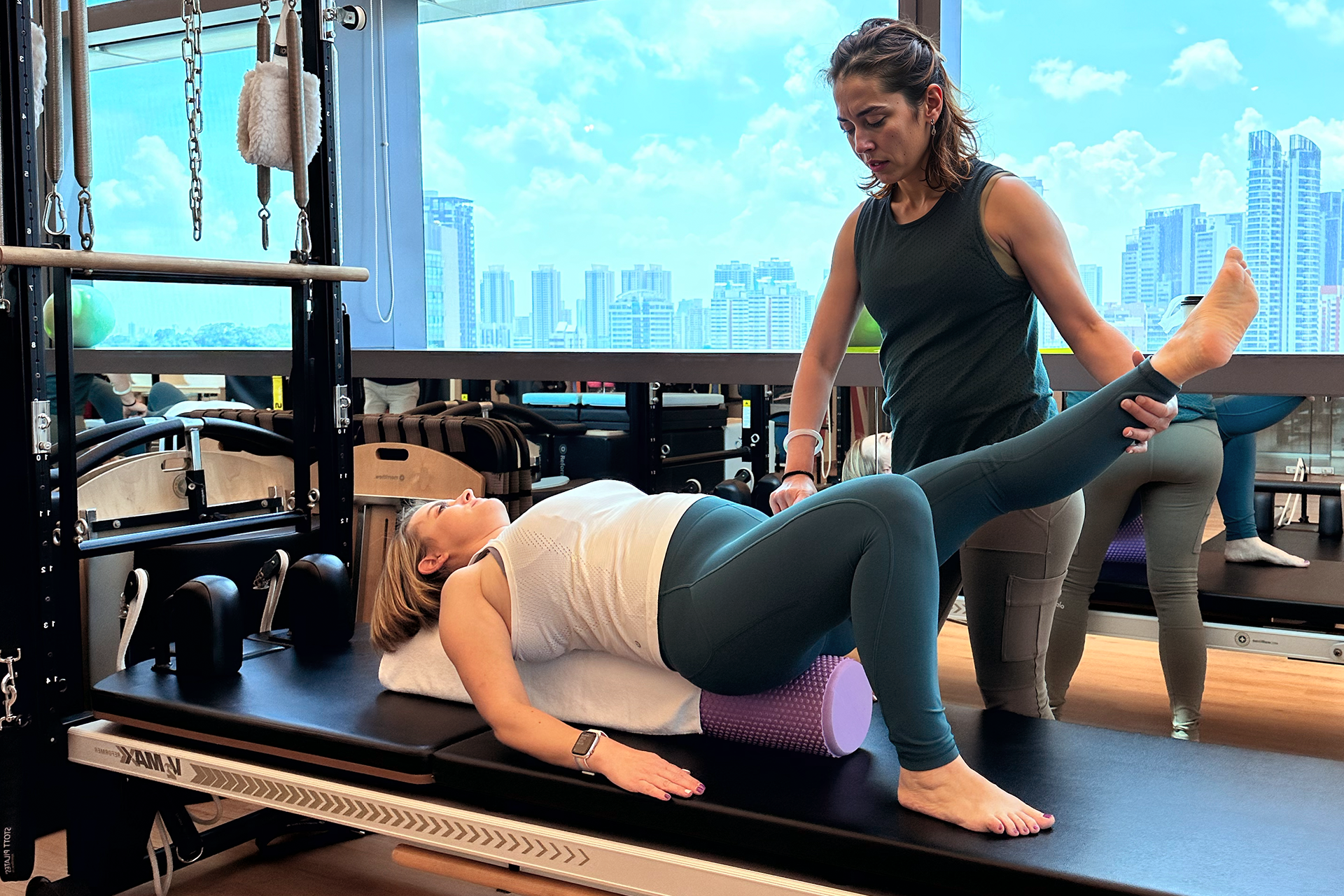
By combining targeted physical therapy interventions with adjunctive treatments, pregnant athletes can maintain Achilles tendon strength and overall musculoskeletal health during pregnancy and postpartum, despite hormonal changes that affect ligament laxity.
Abdominal and gluteal strengthening can help athletes regain core and gluteal muscle strength to stabilise the pelvis. This can help reduce stress on the Achilles tendon and other ligaments affected by pregnancy hormones.
Complementary Therapies Help with Achilles Tendon Pain during Pregnancy
At HelloPhysio, we take a safe, multimodal approach to Achilles tendinopathy treatment in Singapore that addresses the tendon pain and the physiological changes during pregnancy, driven by hormonal fluctuations.
To promote tissue healing, INDIBA radiofrequency and shockwave therapy can stimulate cellular processes that support repair. This is crucial for addressing the changes in tendon stiffness and laxity caused by hormonal fluctuations. Dry needling and other modalities can increase blood flow to the tendon and deliver the oxygen and nutrients necessary for cellular processes, aiding tissue healing and repair.

The listed adjunctive treatments can help address the physiological changes in the Achilles tendon during pregnancy, driven by hormonal fluctuations. These modalities can promote tissue healing, increase blood flow, and reduce tendon pain, all of which are crucial for maintaining tendon health and function during pregnancy and lactation.
To learn more about how Achilles tendon pain during pregnancy can be managed, contact HelloPhysio today.