
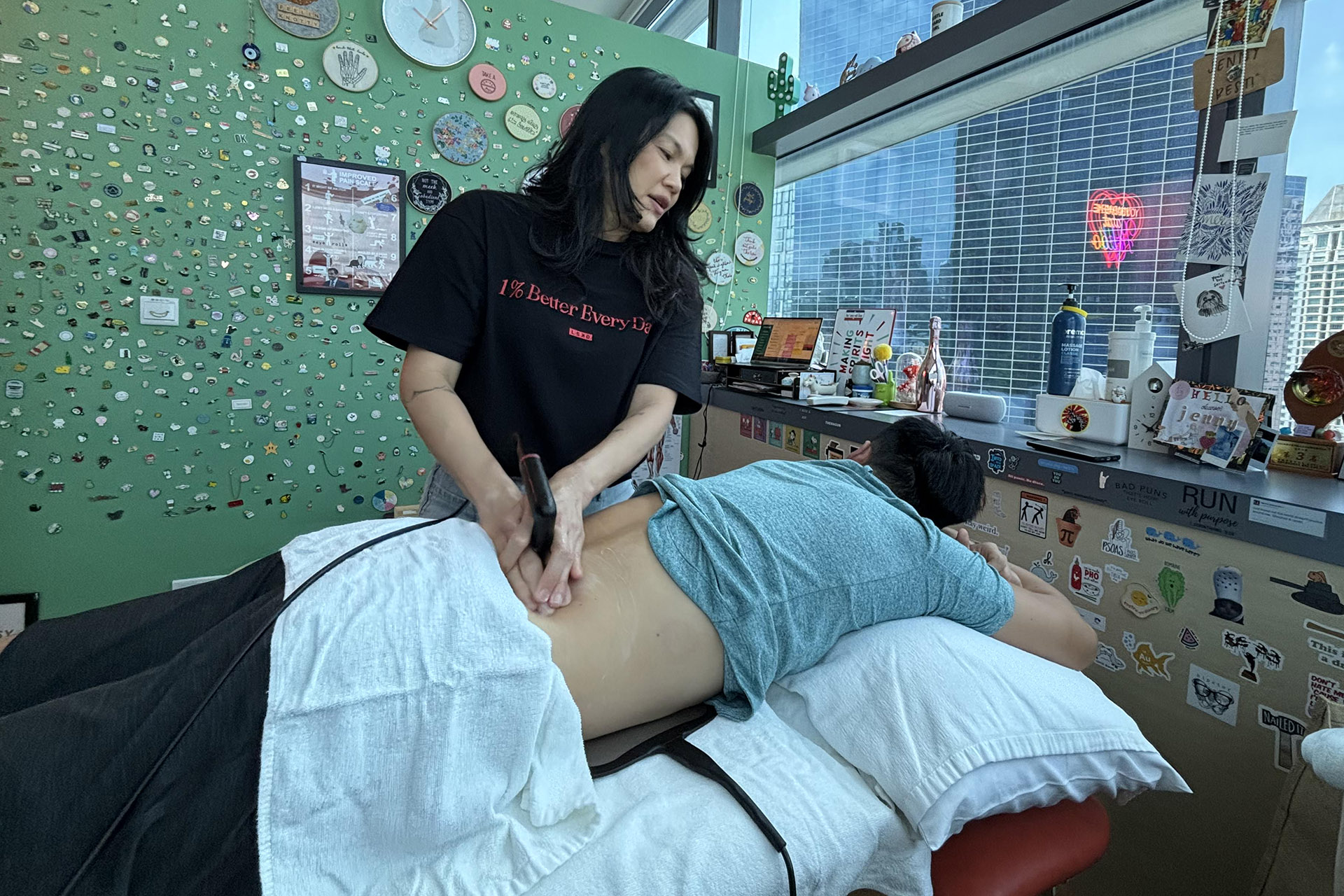
What is Sciatica?
The sciatic nerve is the largest nerve in the body, which runs from the lower back and lumbar spine through the hips and buttocks and down each leg. Sciatica refers to pain that usually affects only one side of the body. It happens when the sciatic nerve, or one of the nerve roots, spinal nerve roots or spinal nerves that form it, becomes compressed or irritated. This irritated or pinched nerve sends sciatic pain down one leg.
Sciatica is a symptom rather than a diagnosis. It points to an underlying problem affecting the sciatic nerve, such as disc herniation, spinal narrowing, or the narrowing of the spinal canal near the spinal cord, which can push disc material onto a nerve root. Identifying the cause of the sciatica matters because it guides the treatment.
The severity of sciatica varies widely. Some patients have mild lower back pain, while others experience a sharp, shooting, burning, or electric shock-like pain. The pain may be occasional or constant and can interfere with walking, sitting, sleeping, and other daily activities.
What are the Symptoms of Sciatica?
Sciatica symptoms include leg pain, tingling, numbness, or muscle weakness that travels from the lower back into one leg. These symptoms vary from person to person. Common sciatica symptoms and features include:
- A severe pain radiating from the lower back or buttock down the back of the leg
- A burning sensation or electric quality
- Discomfort that worsens with sitting, coughing or sneezing
- A sharp or shooting pain that feels like pins and needles
- Numbness or muscle weakness in the affected leg
Certain symptoms and warning signs require immediate medical attention and urgent care, such as a severe, worsening pain or weakness in the leg, numbness around the groin or inner thighs, foot drop, or a loss of bladder or bowel control. These may indicate cauda equina syndrome, a rare but serious condition affecting bladder control that needs emergency treatment.
You should also see a doctor if the pain follows a violent injury, is accompanied by fever, night sweats or an unexplained weight loss, or does not improve after a few weeks of self-care measures.
What Causes Sciatica?
Sciatica is most often caused by a disc herniation in the lower spine that presses on a nerve root. Other causes include spinal stenosis, bone spurs and, less commonly, injury or a tumour.
- A herniated or slipped disc is the most frequent cause. When the soft disc material pushes through its outer wall, it can press on a nearby nerve root, causing a pinched nerve, triggering sciatica.
- Degenerative disc disease, which comes with age, can also contribute to sciatica.
- Spinal stenosis is a narrowing of the spinal canal that can compress the nerve roots and spinal nerves. It is more common in older adults.
- Bone spurs, which are bony growths along the edges of the vertebrae, may also narrow the space around the nerve roots, causing sciatica.
- Piriformis syndrome occurs when the piriformis muscle in the buttock tightens or spasms and irritates the sciatic nerve, sometimes called sciatic nerve impingement.
- Pregnancy, prolonged sitting, obesity and heavy lifting are risk factors that can increase pressure on the spine and raise the risk of sciatica.
- Rarely, a tumour or infection can cause nerve damage or damage nerves along the path.
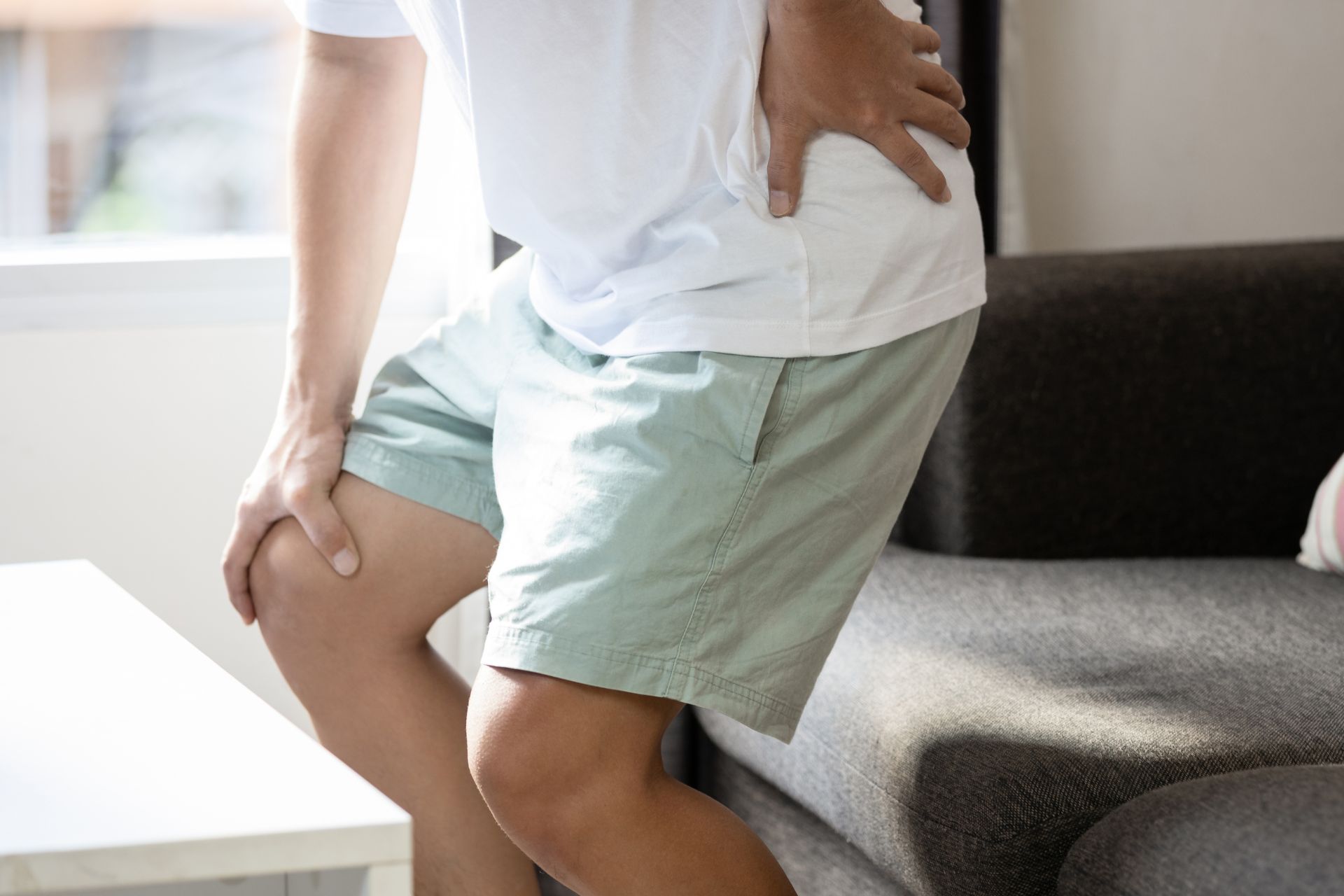
How is Sciatica Diagnosed?
To diagnose sciatica, a thorough medical history and physical examination are performed, sometimes supported by imaging if the symptoms are severe or persistent.
A straight-leg test may be used, in which the leg is lifted while you lie on your back to see whether it reproduces the pain.
Imaging is not always needed for typical sciatica that is improving. It may be recommended when symptoms are severe, do not improve, or when surgery is being considered. An X-ray can show bony changes, while an MRI will provide detailed images of the discs and nerves. Nerve conduction studies may occasionally be used.
The aim of diagnosis is to confirm that the symptoms are due to sciatica, often from a compressed sacral nerve root, and to identify the underlying cause of the pain, so that the treatment can be targeted appropriately.
How is Sciatica Treated?
Sciatica treatment usually begins with nonsurgical management in the clinic and at home, such as staying active, physical therapy, and pain relief measures, helping most patients avoid surgery, with most cases improving within a few weeks.
- Staying gently active is generally better than bed rest. It is best to avoid long periods of inactivity, as this can worsen symptoms.
- Applying heat or cold, maintaining an upright posture and avoiding prolonged sitting can help ease symptoms during a flare.
- Physical and manual therapy play important roles. A physiotherapist can guide sciatica exercises that reduce sciatic nerve pressure, improve flexibility, strengthen the core and correct posture. These measures also lower the chance of recurrence.
- Medication may include over-the-counter relievers for sciatic nerve pain. Where appropriate, a doctor may prescribe stronger medication or recommend corticosteroid injections around the affected nerve root to reduce inflammation and ease chronic pain.
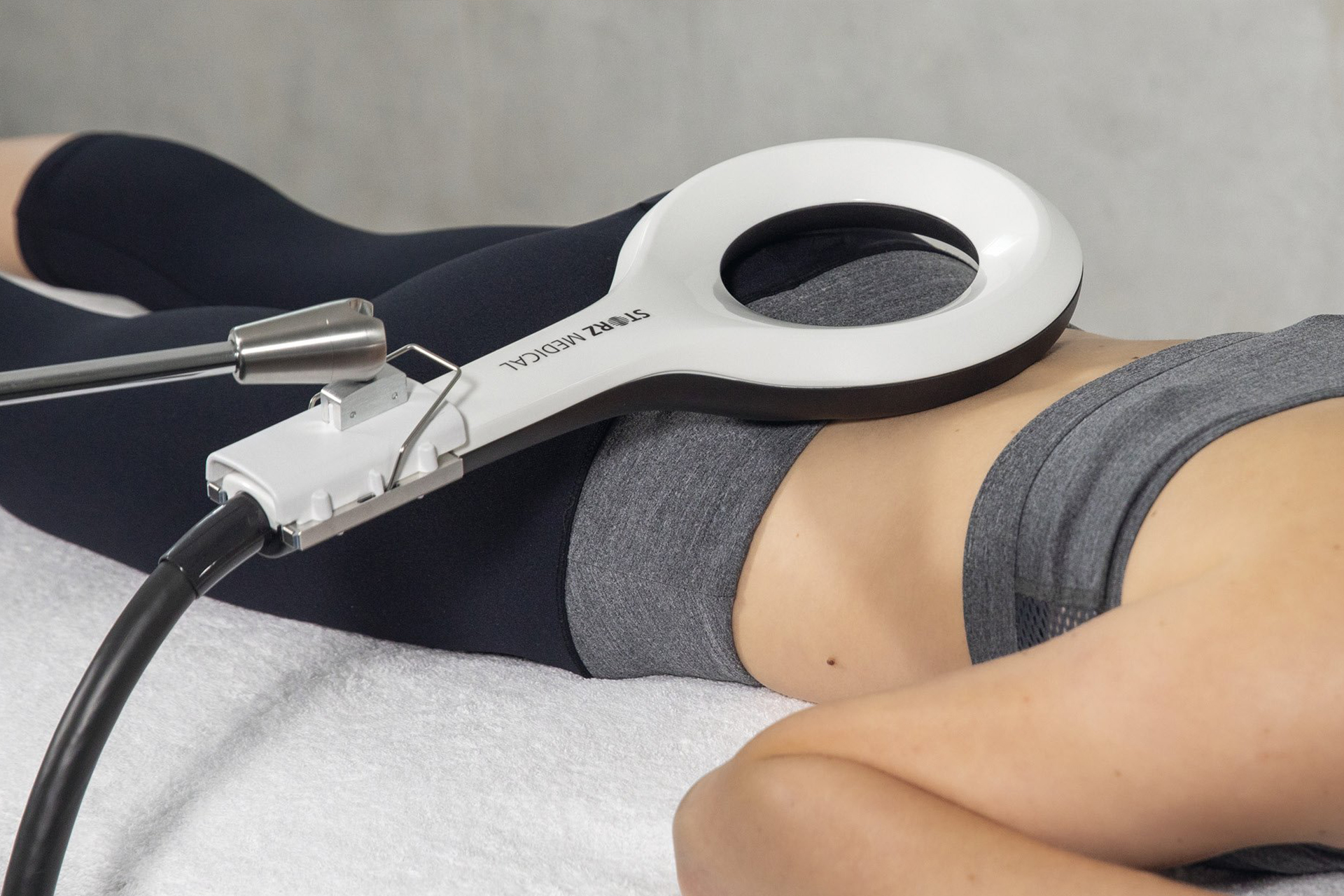
When is Surgery Needed for Sciatica?
Surgery for sciatica is considered in severe cases when symptoms persist despite conservative treatment, or when there is significant sciatic nerve compression causing weakness, or a loss of bladder or bowel control.
Most patients do not need surgery. It is usually reserved for those with severe or worsening weakness, persistent and disabling excruciating pain that has not responded to other treatments, or cauda equina syndrome, which is a surgical emergency.
Common procedures include:
- Microdiscectomy: removes the portion of a herniated disc pressing on the nerve
- Laminectomy: removes part of the bone to relieve pressure in spinal stenosis
Both aim to relieve pressure on the affected sciatic nerve.
How can Sciatica be Prevented?
Sciatica cannot always be prevented, but good posture, regular exercise and safe lifting can reduce the risk.
- Regular physical activity keeps the back strong and flexible and helps prevent back pain.
- Core strengthening exercises support the spine and reduce back pain, while good posture reduces pressure on the discs and sciatic nerve.
- When sitting, choose a supportive chair and take regular breaks to move.
- Safe lifting is important. Bend from the knees, keep the load close to the body, and avoid twisting while lifting.
- Maintaining a healthy weight also reduces the strain on the spine.
While these steps cannot guarantee sciatica will never occur, they support long-term spinal health and reduce the likelihood of a recurrence.
Get Help for Sciatica in Singapore at HelloPhysio
Sciatica treatment in Singapore ranges from physical therapy and medication to interventional procedures and, when necessary, surgery.
Early assessment helps relieve sciatica pain and back pain, prevent complications and support recovery. A thorough evaluation ensures that treatment is matched to the underlying cause rather than only addressing the symptoms.
If sciatica and its back pain are affecting your daily life, HelloPhysio can identify the cause and guide effective treatment. Contact HelloPhysio today if you’re experiencing sciatica pain.
Frequently Asked Questions
How to get rid of sciatica?
Most recover with gentle activity, individualized exercise and time. Physiotherapy can identify the aggravating movements, address strength and mobility issues, and guide a safe return to normal activities. Seek medical care for severe, worsening or persistent symptoms, and emergency care for bladder or bowel changes, saddle numbness or rapidly increasing weakness.
Where is sciatica pain felt?
Sciatic pain is usually felt from the lower back or buttock down the back or side of one thigh and into the calf. It may reach the ankle, foot or toes. Some have little back pain but a marked leg pain, tingling, numbness or weakness.
Is walking good for sciatica?
Walking is often helpful because it keeps the body moving without heavy spinal loading. Start with short, comfortable walks and increase gradually. Stop and seek advice if walking causes your pain to spread farther down the leg, increases the numbness or brings on weakness.
What sleeping position helps sciatica?
The best position is the one that reduces your symptoms. Many feel more comfortable on their side with a pillow between the knees, or on their back with a pillow under the knees. Avoid forcing one posture all night, and change positions if the pain increases.