
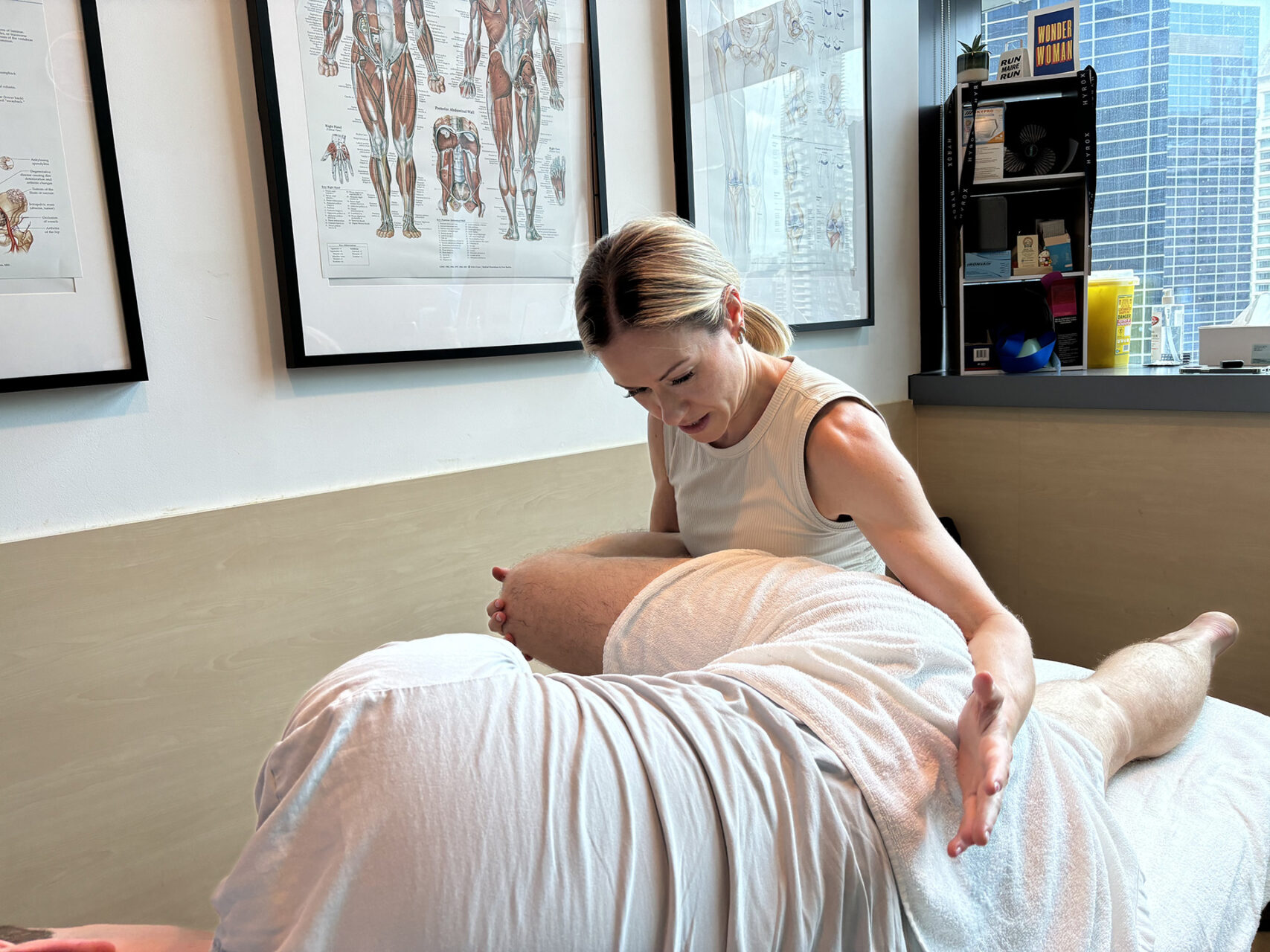
Sacroiliac joint pain, sometimes called SI joint pain, is a common cause of low back pain. It can come from one or both SI joints, the two joints where the lower spine meets the pelvis. The pain is usually felt in the lower back or buttock but may spread to the hip, groin or back of the thigh. This source of low back pain often worsens when climbing stairs, turning in bed, standing on one leg, or staying in one position for too long.
Mechanical sacroiliac joint pain is not the same as sacroiliitis. Sacroiliitis specifically means inflammation of a sacroiliac joint and can be associated with inflammatory arthritis, including ankylosing spondylitis or psoriatic arthritis. Sacroiliitis is a specific inflammatory condition, while SI joint pain can be a symptom of other conditions.
What Is Sacroiliac Joint Pain?
The two sacroiliac joints connect the sacrum at the base of the spine to the iliac bones on each side. Each sacroiliac joint acts as a shock absorber and transfers load between the upper body and legs. An SI joint moves only slightly.
Sacroiliac joint dysfunction occurs when irritation or altered load transfer around an SI joint causes pain. This joint dysfunction can affect one side or both. If it affects both sides, it may be called bilateral sacroiliac joint pain, which may need further assessment because it can also occur with inflammatory conditions and other causes of lower back pain.
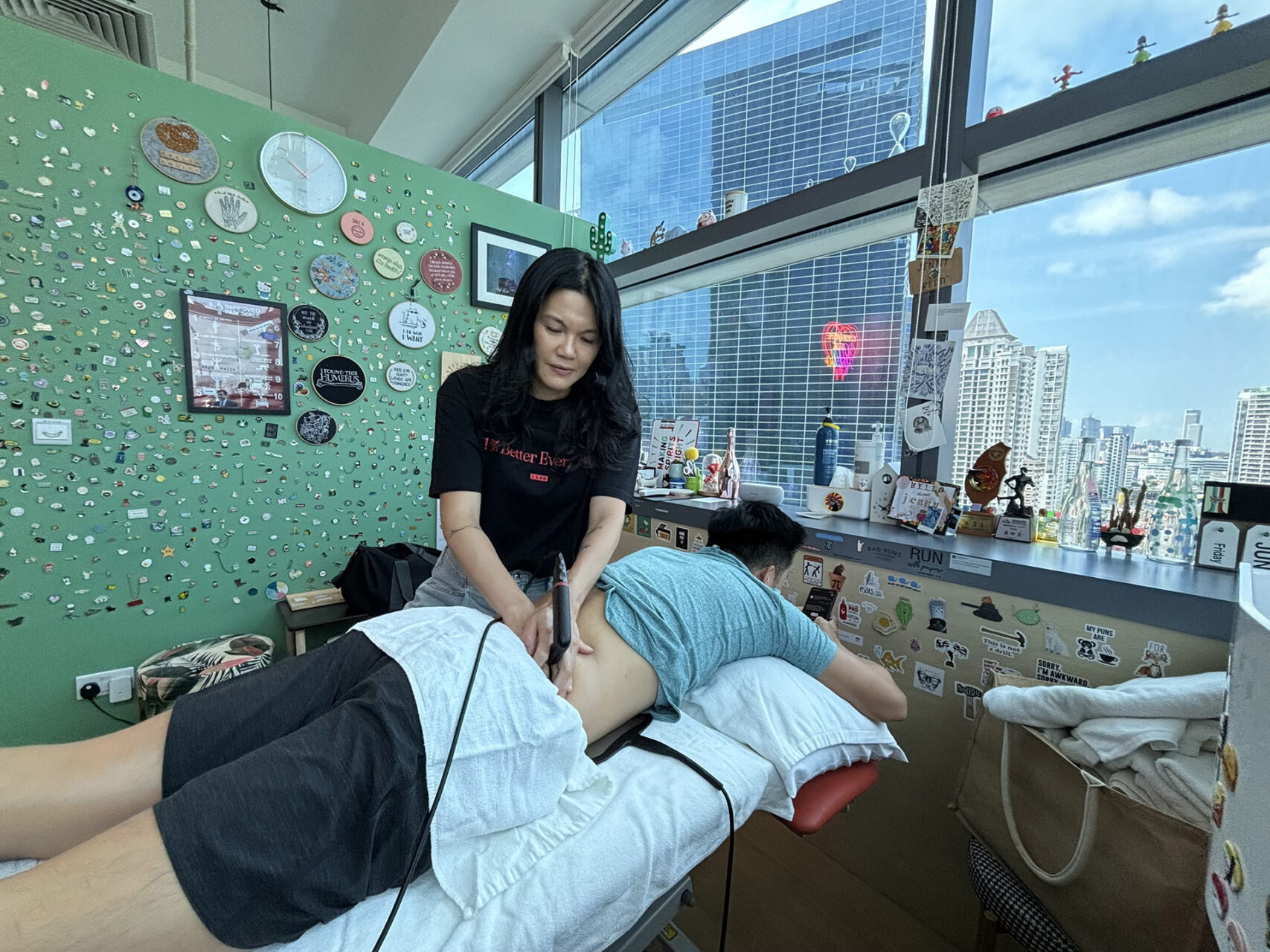
Sacroiliac Joint Pain Symptoms
SI joint pain may include:
- Pain on one or both sides of the lower back, often close to a dimple in the SI joint region.
- Buttock pain that feels dull and aching, sharp or catching.
- Pain that spreads to the outer hip, groin or back of the thigh.
- Stiffness around the lower back, pelvic girdle or hip.
- Pain when walking, climbing stairs, standing from a chair, turning in bed or standing on one leg.
- Pain after prolonged sitting or standing.
- Pain when lying on the affected side, which may disturb sleep.
Pain from a painful sacroiliac joint can overlap with conditions affecting the lumbar spine or hip. An accurate diagnosis distinguishes SI joint pain from causes of low back pain such as sciatica or a herniated disc. SI joint pain accompanied by tingling, numbness, or weakness below the knee may indicate nerve involvement.
Sacroiliac Joint Pain Causes
Sacroiliac joint pain causes and risk factors may include:
- A fall onto the buttocks, a car accident, or another direct injury.
- A sudden increase in lifting, running, sport or other recreational activities.
- Repeated twisting, impact or uneven loading through an SI joint.
- Tight muscles or reduced strength and control around the trunk, hips and pelvic girdle.
- Pregnancy and postpartum changes.
- Osteoarthritis or changes after lumbar spine fusion surgery.
These risk factors do not always cause joint pain. A medical history and physical examination help identify the underlying cause and whether another condition better explains the sacroiliac joint dysfunction. An accurate diagnosis is key to building an individualised management plan.
Pregnancy-Related Sacroiliac Joint Pain
Sacroiliac joint pain during pregnancy is one form of pregnancy-related pelvic girdle pain. Changes in weight, movement and load through the pelvis may contribute. SI joint dysfunction can also continue after childbirth.
Pregnancy-related sacroiliac joint pain may occur near one or both SI joints and may worsen with walking, stairs, dressing while standing, turning in bed or carrying a child on one hip.
Treatment for SI joint pain during or after pregnancy may include activity changes, sleep advice, body mechanics and exercises for the hips, trunk and pelvic floor. A pelvic support belt may help during pregnancy or after childbirth. Pelvic health physiotherapy may be appropriate when SI joint pain occurs with pelvic floor concerns or other pregnancy-related pelvic pain.
How Sacroiliac Joint Pain Is Diagnosed
No single symptom, physical test or scan confirms mechanical sacroiliac joint dysfunction in every person. Diagnosis starts with a medical history and physical examination of the lumbar spine, SI joints, hips and nervous system. A medical exam also considers a differential diagnosis.
During the physical examination, a physiotherapist may assess:
- The location and behavior of your pain and other relevant medical history.
- Walking and other activities that reproduce pain.
- Hip and lower spine movement.
- Muscle strength, flexibility and control.
- The pain location identified by the Fortin finger test and tenderness near the posterior superior iliac spine.
- A group of SI joint provocation tests.
Three or more positive tests within a five-test provocation cluster can support a diagnosis of SI joint dysfunction. Tenderness on the affected side alone is not enough to confirm a diagnosis. Systematic reviews support test clusters because individual tests have limited diagnostic validity.
X-rays, MRI, CT scans and bone scans do not reliably show whether an SI joint is the source of mechanical pain. A doctor may order imaging to check for a fracture, inflammatory disease, infection or another diagnosis. Before commencing an interventional procedure, an image-guided local anesthetic injection may help confirm the painful SI joint as the source.

Sacroiliac Joint Pain Treatment
SI joint pain treatment usually begins with patient education, temporary changes to aggravating activities and a progressive exercise program. Treatment options depend on the diagnosis and will be adjusted as pain and function change. The treatment plan should address your assessment findings rather than try to force the pelvis into a fixed alignment.
Activity Changes and Sacroiliac Joint Pain Relief
Avoid complete bed rest. Continue comfortable daily living and temporarily reduce painful movements that provoke the SI joint. Take shorter walks, change position often, adjust body mechanics when lifting, or reduce hills, speed work and repeated single-leg loading.
Heat or ice packs applied to the lower back may provide short-term relief from sacroiliac joint pain. Ask a doctor or pharmacist whether pain medication is suitable, especially during pregnancy or with other medical conditions. If chronic pain continues, a pain medicine doctor can discuss pain medication and other treatments.
Physiotherapy and Prescribed Exercises
Physical therapy is a first-line treatment for mechanical SI joint dysfunction and sacroiliac joint dysfunction. Your physical therapist may assess strength and flexibility, explain pain triggers and provide a home exercise program.
Sacroiliac joint pain exercises may focus on:
- Gradually strengthening the gluteal, hip, abdominal and pelvic floor muscles that support the SI joint and spine.
- Improving control during walking, stairs, lifting and single-leg tasks.
- Restoring hip and lower back mobility when it is limited.
- Using stretching exercises when tight muscles or the thoracolumbar fascia restrict movement.
- Building tolerance for work, running or sport.
The physical therapy program aims to improve function and load tolerance. Improvement does not always occur within the first few visits. Recovery varies with the cause, duration and demands of your daily activities. A physical therapist can guide your return to painful or demanding tasks.
Manual Therapy and Clinical Pilates
Manual therapy may provide short-term pain relief or improve movement when combined with exercise. It does not permanently realign the pelvis or correct every form of joint dysfunction.
Clinical Pilates may be used as a supervised way to progress trunk, hip and SI joint control. Adapt the exercises to your pain, pregnancy status, and current ability.
Injections, Radiofrequency Ablation and Surgery
If conservative treatment has not helped chronic SI joint pain, a doctor may consider sacroiliac joint injections. Corticosteroid and local anesthetic may provide temporary relief, particularly when inflammation is present. The treating doctor decides whether and when to repeat an injection.
Radiofrequency ablation uses radiofrequency energy to create controlled heat lesions in small sensory nerves around the joint. This treatment may reduce pain signals in selected people who first respond to a diagnostic block. After radiofrequency ablation, rehabilitation may continue as comfort allows. This is designed to support other intervention strategies, and is not enough on its own.
Sacroiliac joint fusion is uncommon. A spine surgeon may consider minimally invasive SI joint fusion only for persistent, confirmed sacroiliac pain that has not improved with less invasive treatment. The procedure stabilizes the joint with implants and bone graft material.
Sacroiliac Joint Pain Exercises to Avoid
No single list of SI joint pain exercises to avoid exists, as every person’s condition varies. What may help one person may hurt another. However, during a flare, temporarily modify movements that clearly reproduce pain on the affected side. These may include heavy asymmetric lifting, repeated jumping, deep lunges, hill running or unsupported single-leg exercise.
Avoid stopping all activity for a prolonged period. As the joint becomes less painful, your physiotherapist can help you reintroduce movement and load in stages.
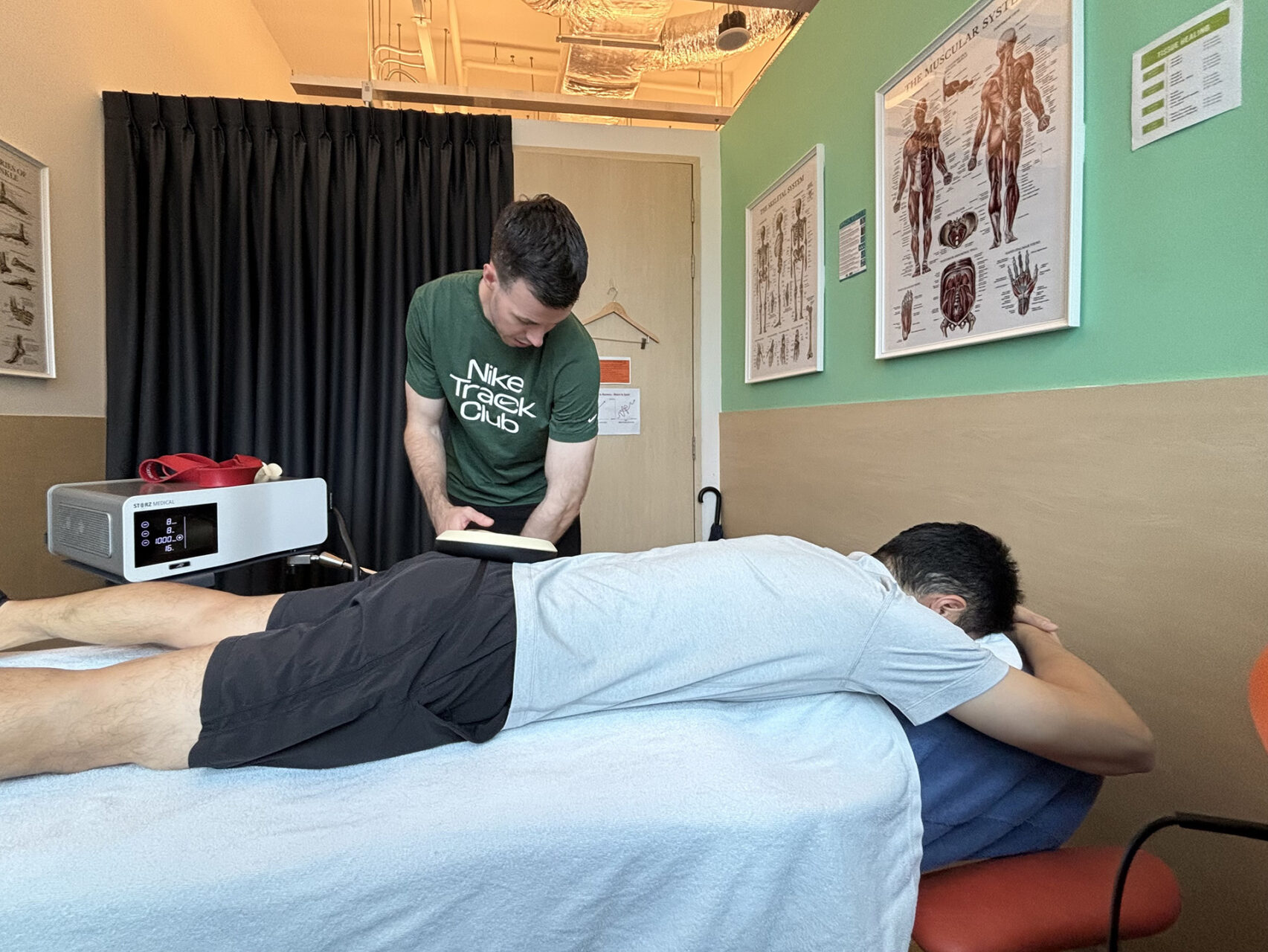
When to Seek Medical Care
Arrange an assessment if SI joint pain is severe, follows an injury, affects sleep or daily activity, or doesn’t improve.
Seek urgent medical care if lower back or pelvic pain occurs with:
- New loss of bladder or bowel control.
- Numbness around the groin or saddle area.
- New or worsening leg weakness.
- Fever, unexplained weight loss or a history of cancer.
- Major trauma or severe, unrelenting night pain.
See a doctor if pain and stiffness worsen after rest, improve with activity, repeatedly wake you in the second half of the night, or occur with psoriasis, inflammatory bowel disease, or eye inflammation. These features may require assessment for axial spondyloarthritis or another inflammatory arthritis affecting the spine and SI joints and necessitate different modes of care.
How HelloPhysio Can Help
HelloPhysio physiotherapists assess the lower back, SI joints, hips, strength, flexibility, walking and nerve function. Physical therapy treatment may include patient education, prescribed exercises, activity planning, Manual Therapy and adapted Clinical Pilates when appropriate. We modify all of these strategies to suit your body and needs, and adjust them as your SI joint pain changes.
If sacroiliac joint pain affects your walking, sleep, work, pregnancy, or sport, contact HelloPhysio to arrange a physiotherapy assessment.
Sacroiliac Joint Pain FAQs
What does sacroiliac joint pain feel like?
It may feel like a dull ache or a sharp, catching pain near one side of the lower back or buttock. It can spread to the hip, groin or back of the thigh. The pain often changes with walking, stairs, turning in bed or prolonged sitting and standing.
How can I relieve sacroiliac joint pain?
Change positions regularly, keep up comfortable activity and temporarily reduce movements that clearly aggravate the SI joint. Heat or ice may help with short-term comfort. Assess persistent pain so exercises and activity changes match the likely cause.
Can sacroiliac joint pain be cured?
Many people improve with education, activity changes and progressive rehabilitation. Some develop recurring or chronic pain, particularly when the underlying cause or activity demands continue. No treatment can guarantee a permanent cure.
Which home remedies for sacroiliac joint pain may help?
Short walks, regular position changes, a comfortable sleep position and heat or ice may help. Avoid prolonged bed rest and aggressive stretching. Seek professional advice if pain is severe, persistent or accompanied by nerve symptoms or other warning signs.