
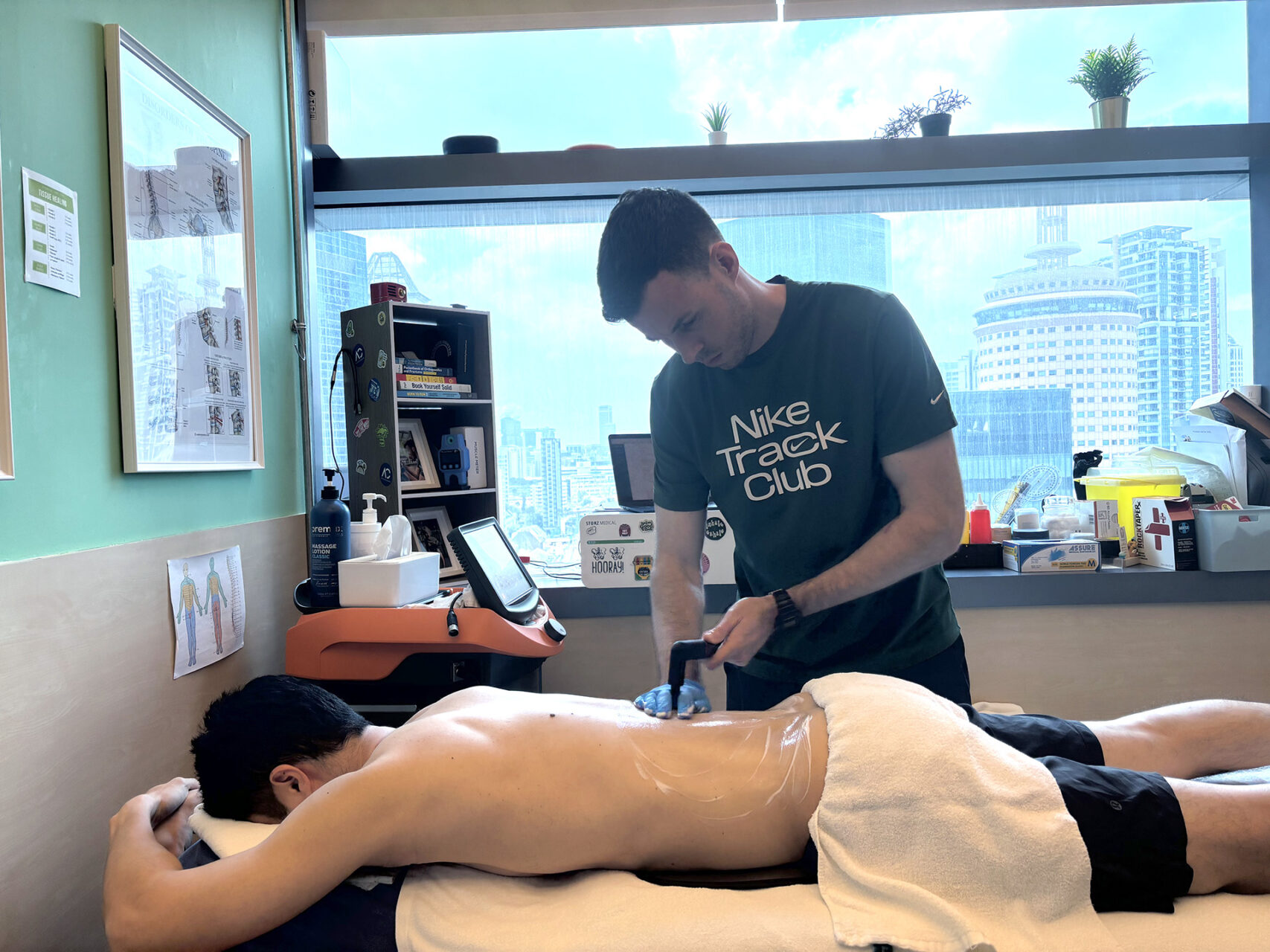
Lower back pain is discomfort between the lower edge of the ribs and the buttocks. It is a form of back pain and may involve muscles, joints, discs, nerves, or other structures in the lumbar spine, the lower part of the spinal column. Together, the vertebrae protect the spinal cord and spinal nerves. These discs act as shock absorbers for impact from walking, running, or jumping. When the discs are damaged, any basic movement can cause discomfort.
Lower back pain affects up to 80% of adults in Singapore at some point in their lives. Most episodes are not caused by a serious condition and improve with self-care and continued activity. Some symptoms, however, need prompt medical assessment.
What Are the Symptoms of Lower Back Pain?
Lower back pain symptoms vary with the cause. The pain may develop over a few hours or start suddenly. It may feel like:
- a dull ache or throbbing
- sharp pain that is stabbing or burning
- tight or stiff muscles
- a muscle spasm
The pain is often worse when standing, bending, lifting, or walking. Some also experience lower back pain when sitting. Other symptoms can include stiffness and decreased mobility. These symptoms may make it difficult to straighten the back or move after sitting. Pain may also spread into the hip, buttock, or leg. Tingling, numbness, or weakness in a leg may suggest a nerve irritation.
Lower back pain that changes with position and load often occurs when bending or sitting. This pattern alone does not identify the affected structure.
Lower Left Back Pain and Lower Right Back Pain
Lower left back pain or lower right back pain may come from a muscle, spinal joint, disc, sacroiliac joint, hip or an internal organ. Location or side alone cannot identify the cause. One-sided pain needs medical assessment if it causes severe pain, follows an injury, persists, or occurs with urinary, abdominal, or neurological symptoms.
Sharp or Sudden Lower Back Pain
Sharp lower back pain may occur after a back injury, lifting, bending, twisting, coughing, or a rapid change in activity. A sudden episode can be painful without indicating serious damage. However, seek care when the pain follows major trauma or occurs with the warning signs such as a new loss of bowel control, numbness, or an increasing weakness in one or both legs.
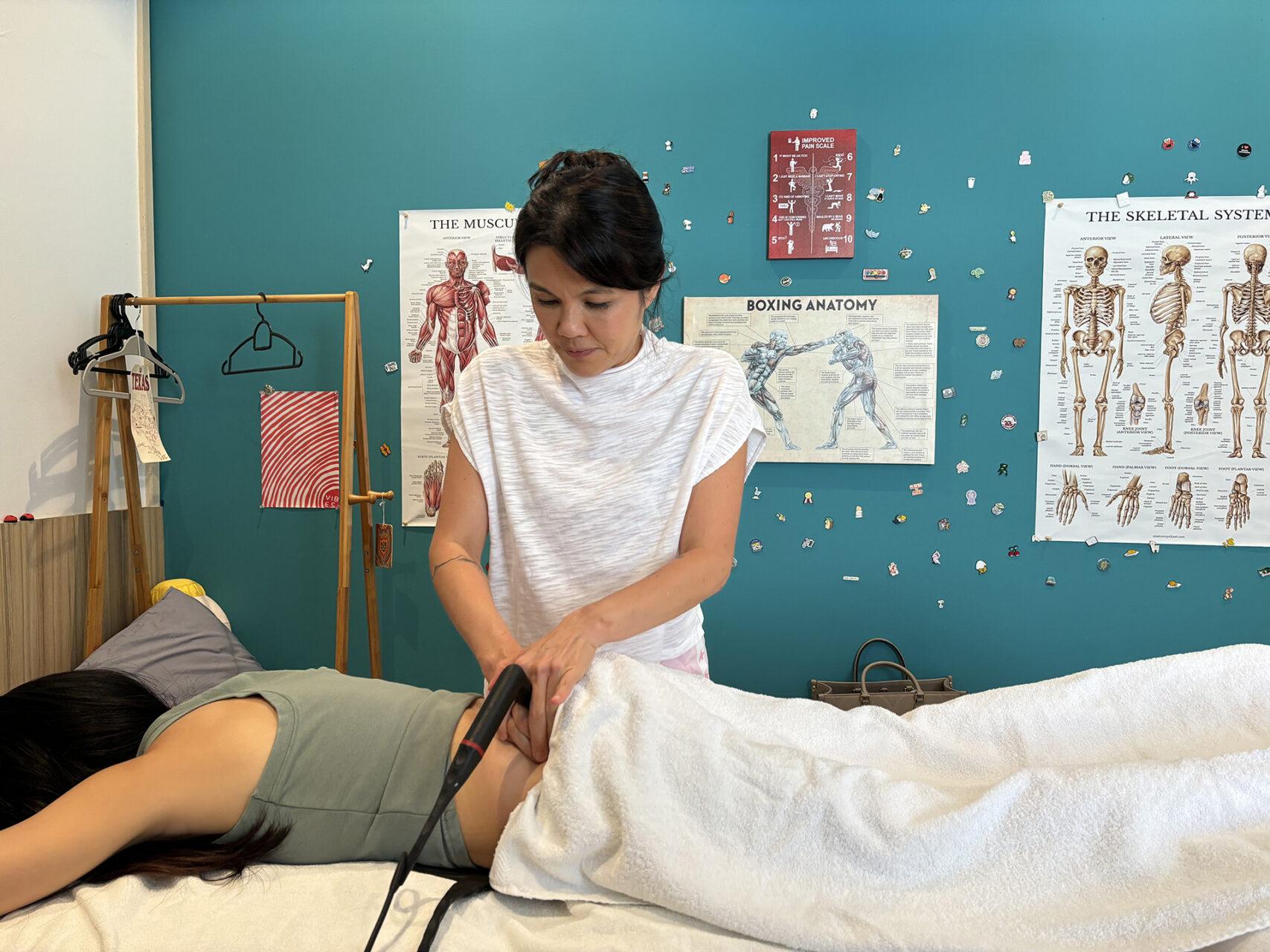
How Long Does Lower Back Pain Last?
Lower back pain may be categorized by how long it lasts:
- Acute lower back pain lasts less than six weeks.
- Subacute lower back pain lasts 6 to 12 weeks.
- Chronic lower back pain lasts more than 12 weeks.
Most episodes of acute back pain may improve within a few weeks, and most recover in about six weeks with self-management. However, if the pain persists, you may need an assessment for chronic lower back pain. Several factors can influence chronic back pain, and you may need professional help to manage it.
What Causes Lower Back Pain?
The exact causes of lower back pain are not always clear. About 90% of low back pain is non-specific, meaning no single disease or structural problem fully explains all cases. Physical load, poor sleep, stress levels, general health and some mental health conditions can influence pain and well-being.
Common causes and related conditions to lower back pain include:
- Muscle or ligament strain: Pain from a strain may follow lifting heavy objects with poor control or a sudden, awkward movement. This can strain the back muscles and other soft tissues.
- Slipped disc or herniated disc: A slipped disc occurs when disc material moves through its outer layer. It may cause back pain, leg pain, tingling, numbness or weakness.
- Degenerative disc disease: Spinal discs commonly change with age. These findings do not always cause lower back pain, but they may contribute to symptoms in some people.
- Lumbar spondylosis: Age-related changes can affect the discs, facet joints, bones and ligaments of the lower spine.
- Spinal stenosis: Pain caused by narrowing in the spinal canal or around nerve roots may occur with leg pain, numbness or heaviness, often during standing or walking.
- Sacroiliitis: Inflammation of one or both sacroiliac joints may cause lower back or buttock pain.
- Osteoporotic compression fracture: Osteoporosis weakens bones. Pain caused by a vertebral fracture may begin after a fall or, in some older adults, after a minor movement.
Less common causes include infection, cancer, inflammatory arthritis, kidney stones, and abdominal or pelvic disorders. Sometimes, the underlying cause may require medical care rather than routine physiotherapy alone.
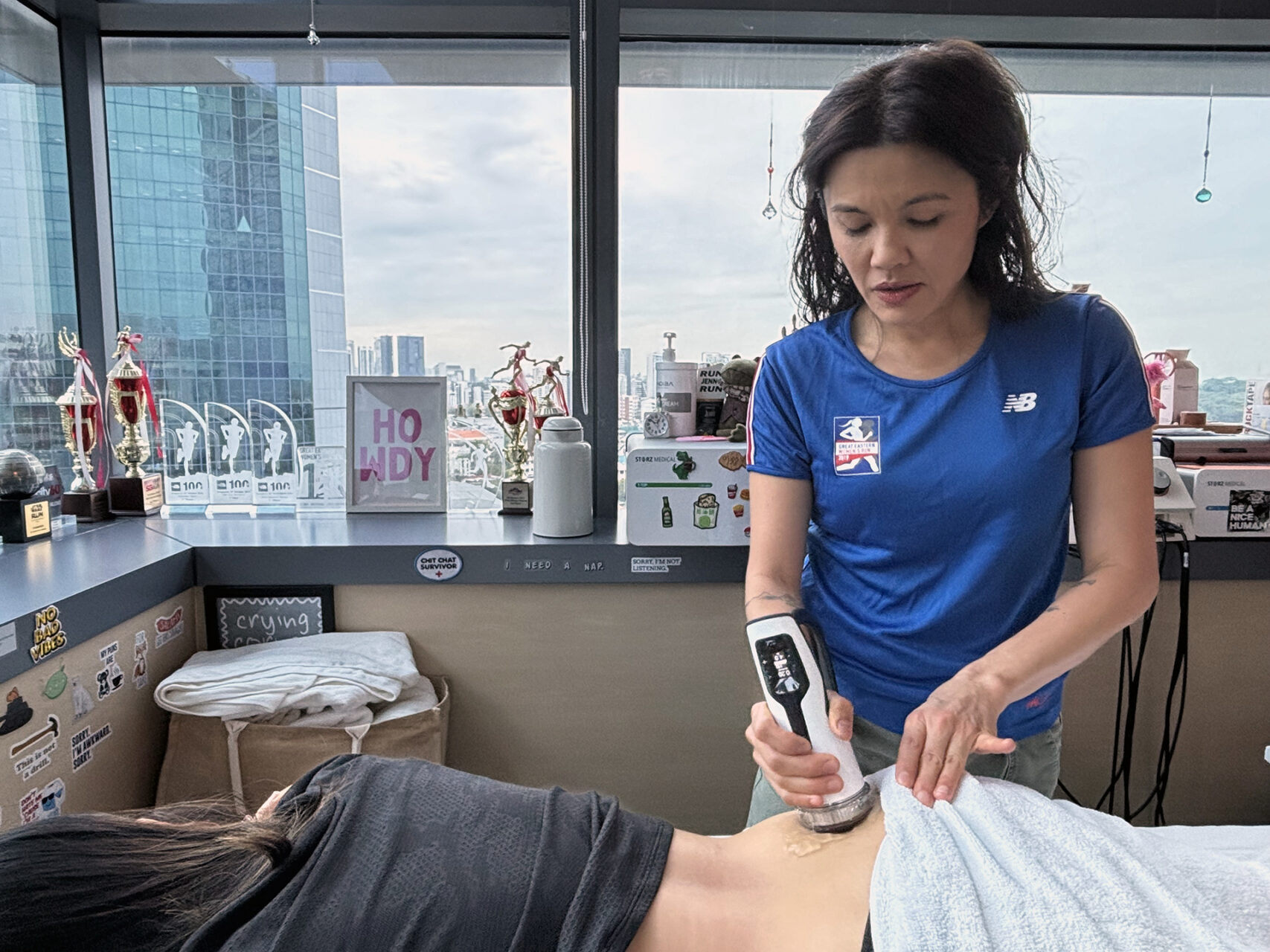
What Increases the Risk of Lower Back Pain?
Anyone can develop lower back pain. Risk factors include:
- A rapid increase in lifting, work, exercise or training load.
- Repeated heavy lifting or sustained awkward movement.
- Long periods without changing position.
- Weak back muscles or low levels of physical activity.
- Smoking.
- Excess body weight.
- Stress, anxiety, depression or poor sleep.
- Older age, osteoporosis, or a previous back injury may place some people at higher risk.
Smoking may reduce blood flow to spinal tissues and is one of the risk factors that can be changed by the patient. Poor posture is often blamed for pain, but no single posture prevents it. In the workplace, regular position changes and ergonomic adjustments may reduce unnecessary stress on the back muscles.
What Sharp Lower Back Pain Indicates
Sharp lower back pain may feel like a sudden stab, catch or electric jolt. It can develop after lifting, twisting, exercise or prolonged sitting. Common causes include muscle strain, irritated spinal joints or discs, and sacroiliac joint irritation. Pain that travels into the buttock or leg, with tingling, numbness or weakness, or may involve a spinal nerve. Pain intensity does not always reflect injury severity.
When pain begins, avoid the movement that triggered it but continue gentle activity where possible. Short walks, regular position changes and temporary avoidance of heavy lifting may help. A physiotherapist can assess spinal movement, strength and nerve function, then recommend suitable mobility exercises, strengthening and activity changes. Imaging is not routinely needed unless serious injury or another underlying condition is suspected.
Seek urgent medical care if pain occurs with bladder or bowel changes, numbness around the groin, worsening leg weakness, symptoms in both legs or significant trauma. Prompt assessment is also advised for pain with fever, unexplained weight loss, urinary symptoms, or severe abdominal pain.
How is Lower Back Pain Diagnosed?
Diagnosis usually begins with a medical history and physical examination. A healthcare provider may ask when the pain began, where it is felt, what changes it and how it affects sleep, work, exercise and daily activities.
The examination may assess spinal and hip movement, strength, sensation, reflexes, balance and walking, including signs such as unsteady walking. Nerve tests may be used when pain spreads into a leg, or when numbness or weakness is an issue.
Most lower back pain does not require immediate imaging. X-rays, MRI, CT scans or blood tests may be considered when a fracture, infection, inflammatory condition, cancer or significant nerve compression is suspected.
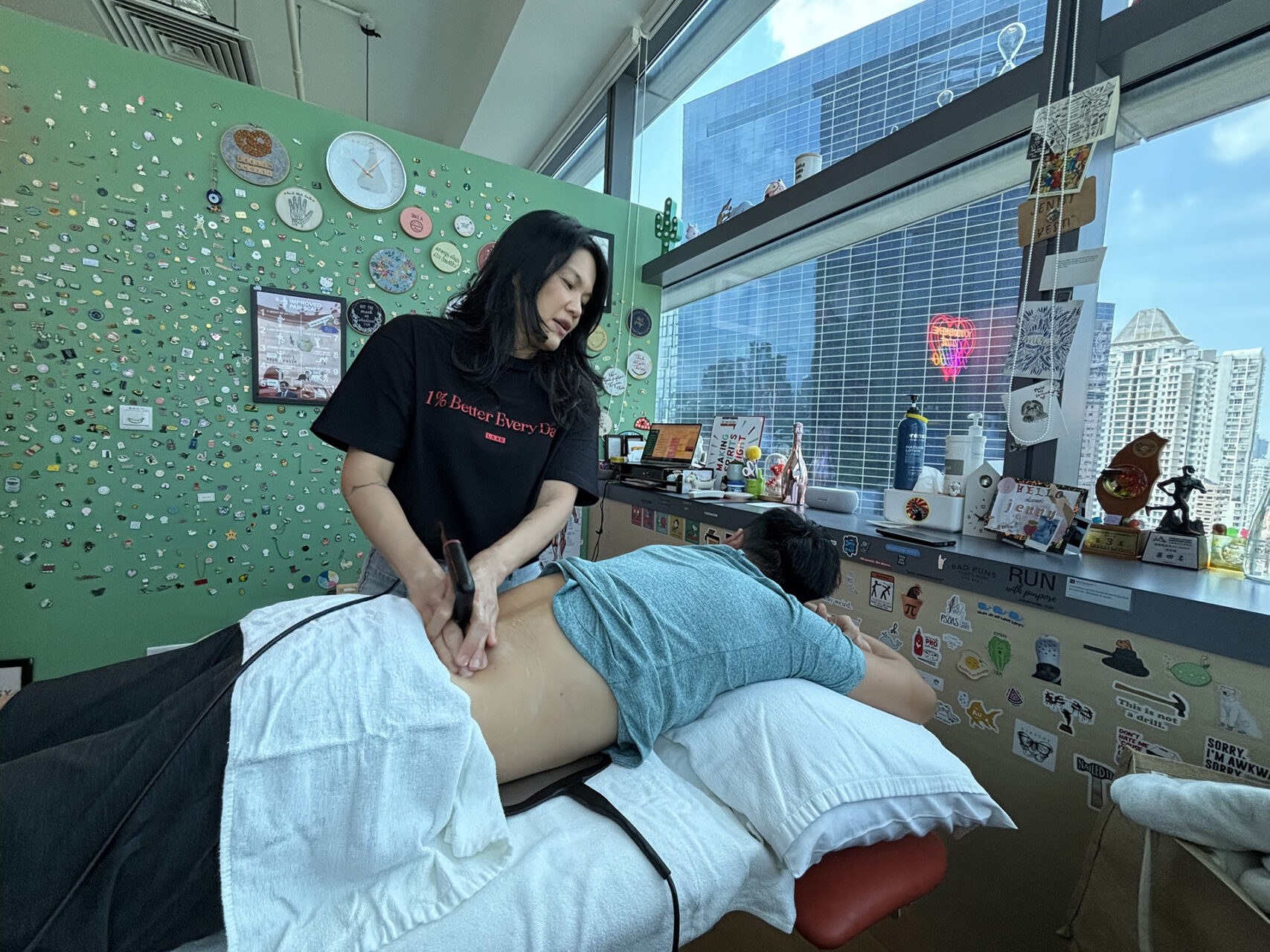
When Should You Seek Medical Care?
Seek immediate medical attention for lower back pain with the following symptoms:
- New loss of bladder or bowel control.
- Numbness around the genitals, buttocks or inner thighs.
- New or worsening weakness in one or both legs.
- Severe abdominal pain, fainting or dizziness.
- Severe pain after a serious fall, collision or other trauma.
There are other symptoms that require prompt medical attention, such as pain with a fever, unexplained weight loss, a history of cancer, osteoporosis, night pain that does not ease, or a general feeling of being unwell.
Consult a healthcare professional if the pain worsens, does not start to improve after a few weeks, keeps returning, or substantially limits walking, sleep, work, or exercise.
How is Lower Back Pain Treated?
Lower back pain treatment depends on the likely cause, duration, and effect on function. No single treatment works for all cases of lower back pain. A pain treatment plan may include self-care, physiotherapy or medical care. Most uncomplicated episodes are managed without surgery.
Self-Care for Acute Lower Back Pain
Gentle movement is generally better than prolonged bed rest, as inactivity can worsen the issue. Continue comfortable daily activities and temporarily reduce tasks that clearly worsen the pain. Short walks can help maintain mobility.
A wrapped cold pack may relieve lower back pain and help reduce pain after a recent strain, especially during the first 24 to 48 hours. Heat may help relieve pain from stiffness or muscle spasm. Stop hot or cold therapy if it irritates the skin or worsens symptoms. Some people find more relief with one method than the other. Try both on separate days to see what works best for your lower back pain.
Non-prescription pain medicine may help some, but it is not suitable for everyone. Ask a healthcare provider or pharmacist what is safe if you have other health conditions or take regular medicines.
Physiotherapy for Lower Back Pain
Physiotherapy may help restore movement, strengthen muscles and improve confidence. Care may include:
- Temporary changes to aggravating activities.
- Progressive strengthening exercises for the trunk, hips and back muscles.
- Mobility and flexibility exercises.
- Advice on walking, lifting, work tasks and returning to sport.
- Manual therapy as part of an active rehabilitation plan.
Physiotherapy exercises for lower back pain should match the person’s symptoms and goals. Pelvic tilts are one possible early movement, but they are not appropriate for every cause. Stretches for lower back pain can improve flexibility when stiffness limits movement, but they work best alongside strengthening exercises for lower back pain and regular activity.
Clinical Pilates may help develop control and strength in the trunk muscles, along with movement confidence. Dry Needling or other hands-on techniques may be considered as adjuncts in selected cases. Importantly, these should support, rather than replace, active rehabilitation.
Medical and Surgical Treatment
A doctor may consider prescription medicine, an injection or other treatments to relieve pain. For chronic back pain, a specialist review may be considered when symptoms are persistent or related to a specific condition. Surgery is uncommon for non-specific lower back pain. In severe cases, it may be considered for a slipped disc or selected conditions involving significant nerve compression, instability, fracture or deformity.
Spinal fusion is not a routine lower back pain treatment for pain in general. It is a major operation reserved for selected diagnoses after specialist assessment. Physiotherapy can support rehabilitation and recovery when surgery is necessary.
How to Relieve Lower Back Pain and Reduce its Recurrence
No method prevents every episode. The following measures may support lower back pain relief and reduce the chance of recurrence:
- Exercise regularly, gradually increasing the load.
- Build strength in the muscles of the trunk, hips and legs.
- Change sitting and standing positions regularly.
- Keep loads close to the body and use the hips and knees when lifting.
- Adjust the desk, chair, screen or work task when the setup repeatedly causes strain.
- Use comfortable sleep positions. No single sleep posture or firm mattress is best for everyone.
- Maintain a healthy weight and avoid smoking.
Return to activity gradually after a flare-up. If exercise causes spreading numbness, weakness, bladder or bowel symptoms, stop and seek medical advice.
Physiotherapy for Lower Back Pain in Singapore
Located at Wisma Atria and Raffles Hotel Arcade, the HelloPhysio team can assess musculoskeletal lower back pain, screen for signs that need medical referral and develop an individualized rehabilitation plan. We offer tailored care to help you with your lower back pain, rather than one-size-fits-all treatments. Schedule an appointment today.
FAQs
Is lower back pain on one side serious?
Not necessarily. One-sided pain often comes from a muscle, joint, disc, hip or sacroiliac joint. Seek care if it follows trauma, becomes severe or occurs with a fever, abdominal or urinary symptoms, numbness or weakness.
Do you need an MRI for lower back pain?
Usually not at first. Most uncomplicated lower back pain can be assessed from the history and physical examination. Imaging may be appropriate when a specific or serious cause is suspected or when the result would change management.
Can lower back pain be prevented?
Not every episode can be prevented. Regular exercise, progressive strengthening, appropriate lifting mechanics, movement breaks, and adjustments to repeated tasks can reduce strain and may lower the risk of recurrence.