
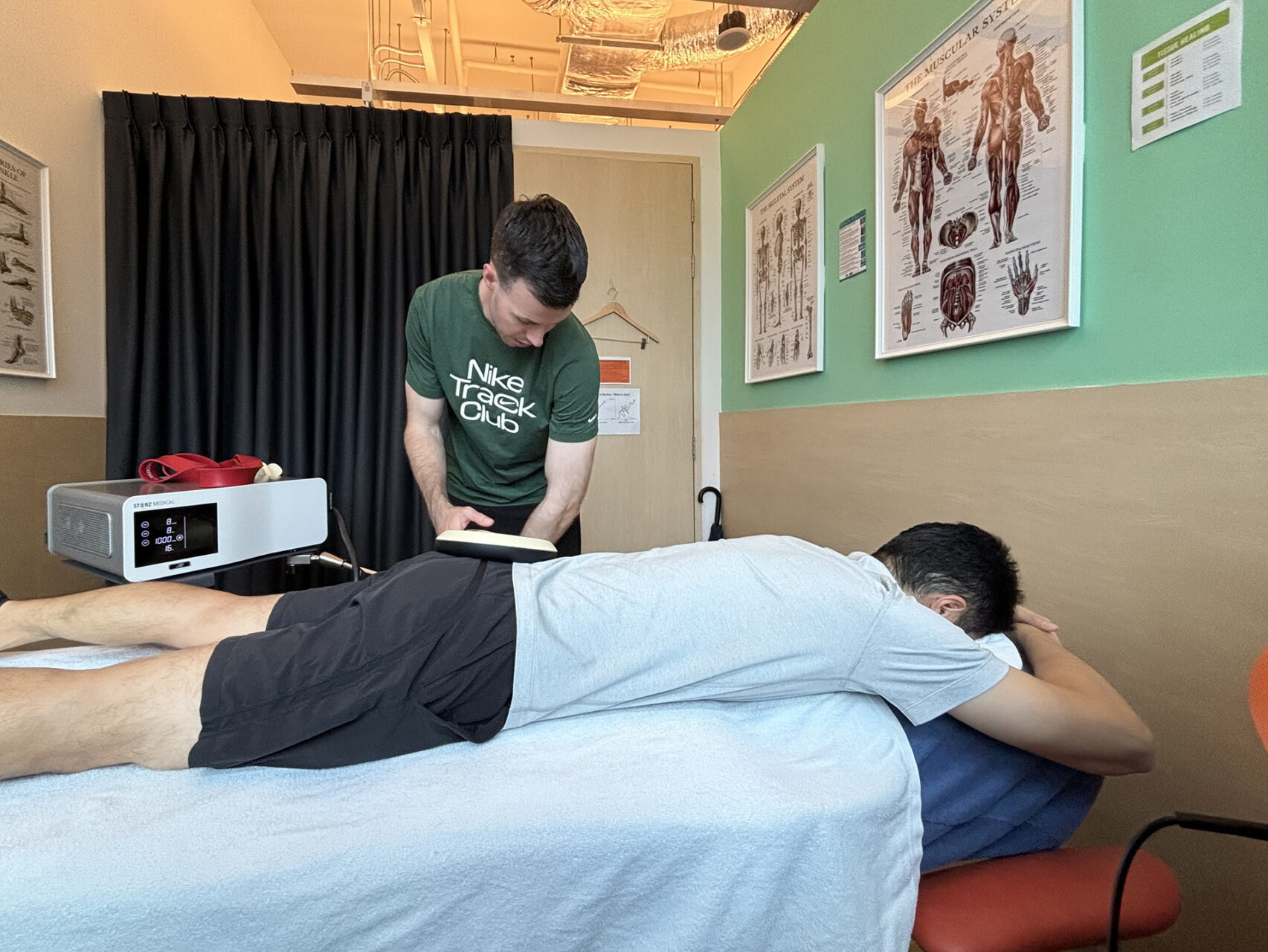
What Is Sacroiliitis?
Sacroiliitis is the inflammation of one or both sacroiliac (SI) joints, which connect the sacrum and ilium, the two major bones that connect the spine to the pelvis. These joints help transfer weight between the upper body and legs when you stand, walk, climb stairs, run, or change direction.
Sacroiliitis can cause pain in the lower back, buttocks, hip, groin or thigh. When both joints are inflamed, it is called bilateral sacroiliitis. Bilateral sacroiliitis is a common pattern and may signal an underlying inflammatory condition that affects daily walking.
Sacroiliac joint-related pain accounts for about 10% to 25% of persistent mechanical low back pain below the L5 level.
Sacroiliitis Symptoms
Sacroiliitis symptoms often include:
- Lower back or buttock pain that worsens with sitting in one position, standing still, climbing stairs, rolling in bed, running, or increasing the weight on one leg.
- The pain may feel sharp, stabbing, dull, aching, or deep. Some people feel it mainly on one side of the lower back or pelvis. Others feel pain across both sides.
- SI joint pain may radiate to the hip, groin, thigh, or occasionally farther down the leg, affecting one or both legs.
- Morning stiffness can also happen, especially when inflammation is part of the problem.
- Runners and athletes may notice pain during hill running, lunges, kicking, cutting, or pushing off.
- Office workers may feel symptoms build up after long periods at a desk.
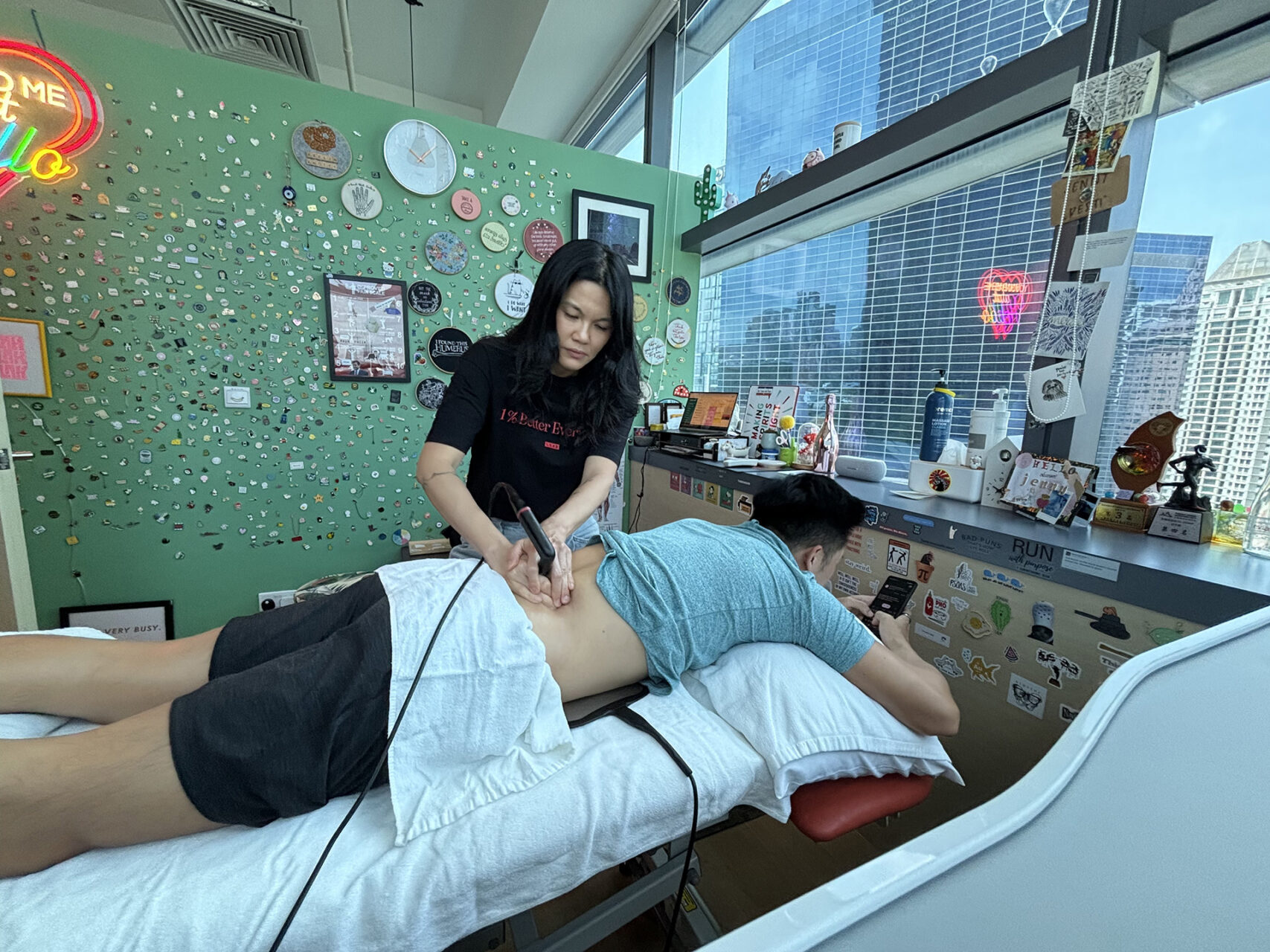
Sacroiliac Joint Pain Causes & Risk Factors
Sacroiliac joint pain can be caused by injury, joint inflammation, arthritis, pregnancy, infection, inflammatory diseases, chronic back pain, or repeated stress on the pelvis. Risk factors include prior trauma, certain health conditions, autoimmune conditions, and activities that repeatedly load the pelvis unevenly.
- A fall, motor vehicle accident, sports injury, sudden impact, or twisting movement can irritate the sacroiliac joint and trigger local inflammation.
- Muscle strain in nearby muscles can also mimic SI joint pain.
- Repeated movements that load one side of the pelvis, such as running on uneven ground, heavy lifting, or certain sports movements, may also contribute to SI joint pain.
- Inflammation can develop when the sacroiliac joint lining becomes irritated or when the immune system attacks the joint as part of an inflammatory condition. This may cause deep pain, stiffness, and symptoms that worsen after rest or first thing in the morning.
- Arthritis, including general wear and tear, can affect the sacroiliac joints. This includes osteoarthritis and inflammatory forms, such as ankylosing spondylitis, psoriatic arthritis, and other seronegative spondyloarthritides.
- Inflammatory bowel diseases, including Crohn’s disease and ulcerative colitis, can also be linked with sacroiliitis.
- Herniated discs are a separate cause of low back pain and should not be confused with SI joint problems.
- Pregnancy may increase the stress on the sacroiliac joints. Hormonal changes can loosen the supporting ligaments, while changes in posture and body weight can increase the load through the pelvis.
Infection is rare but important and needs prompt medical care.
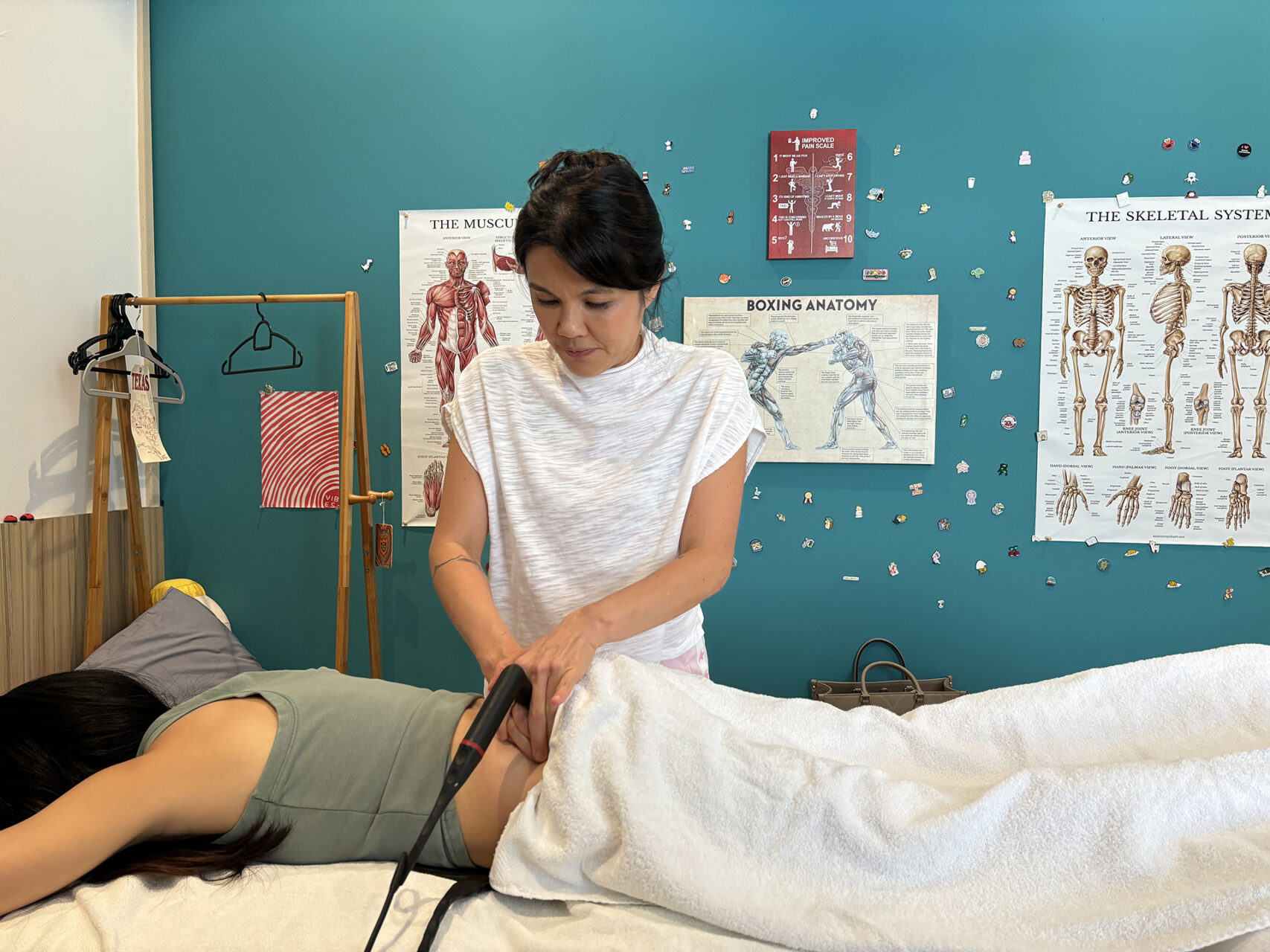
Sacroiliitis Diagnosis
A sacroiliitis diagnosis is based on medical history, physical exam, imaging tests, movement tests, and, when needed, injections by a healthcare provider. Early diagnosis helps guide treatment. Differential diagnosis rules out other causes.
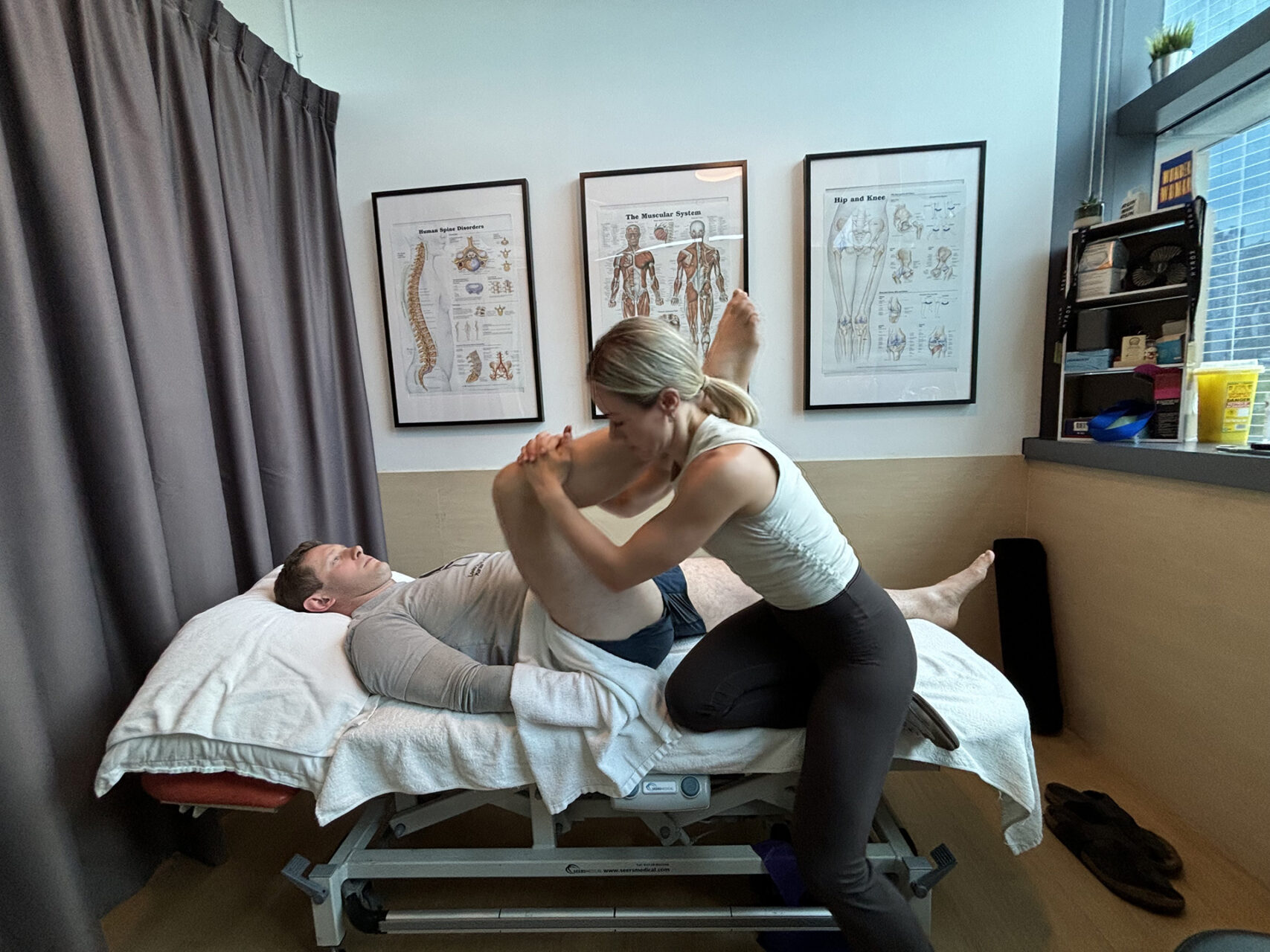
The physical assessment may include pressing around the lower back, pelvis, buttocks and hips. Your physiotherapist may use provocation tests, which place gentle stress through the sacroiliac joint to see whether they reproduce familiar pain. They may also check hip mobility, lumbar spine movement, strength, walking pattern, balance and nerve signs.
X-rays, MRI, CT scans, or blood tests may be used if inflammatory arthritis, infection, fracture, or another condition needs to be considered. MRIs can identify active inflammation and structural changes in the sacroiliac joints linked with ankylosing spondylitis, including bone marrow oedema, synovitis, bursitis, enthesitis and chronic damage.
Sacroiliitis Treatment
Sacroiliitis treatment usually starts with conservative care to reduce the pain, calm the inflammation, improve the stability, and restore movement.
The right treatment depends on the underlying cause. Treatment options vary by patient. A person with inflammatory arthritis may need medical care from a rheumatologist. A runner with load-related sacroiliac pain may need strength work, gait review, and training changes. A person with pregnancy-related symptoms may need pelvic support, activity modification, and gentle strengthening.
Conservative Care for Low Back Pain
Conservative care is usually the first step in sacroiliitis treatment.
- Physical therapy: Treatments may involve physical therapy with a physiotherapist. Sacroiliitis physiotherapy commonly includes mobility and strengthening exercises, posture advice, gait retraining, and load management.
- Medications: Over-the-counter nonsteroidal anti-inflammatory drugs (NSAIDs) and other pain relievers help manage pain by reducing the pain and inflammation. Muscle relaxers may be prescribed for muscle spasms. To treat sacroiliitis linked to autoimmune diseases such as ankylosing spondylitis, a specialist may consider biologic medicines, including TNF inhibitors, to help slow the radiographic progression, which shows the worsening of structural damage visible on medical imaging like X-rays, CT scans or MRIs over time.
- Activity modification: Avoid activities that clearly worsen symptoms in your daily routine, such as high-impact running, heavy lifting, prolonged sitting, repeated stair climbing, or standing with weight shifting to one leg. The goal is to reduce irritation while gradually rebuilding your capacity.
Physiotherapy
Physiotherapy helps sacroiliitis by improving the pelvic control, reducing painful loading, and strengthening the muscles that support the joint.
At HelloPhysio, treatment begins with understanding why the joint is irritated. The assessment looks at the lower back, hips, pelvis, walking pattern, strength, flexibility, and movement habits. This matters because sacroiliac pain often involves more than one structure.
Treatments may include manual therapy, soft-tissue work, movement retraining, hip and core strengthening, balance work, and a gradual return to running, lifting or sport. The plan is adjusted based on how symptoms respond.
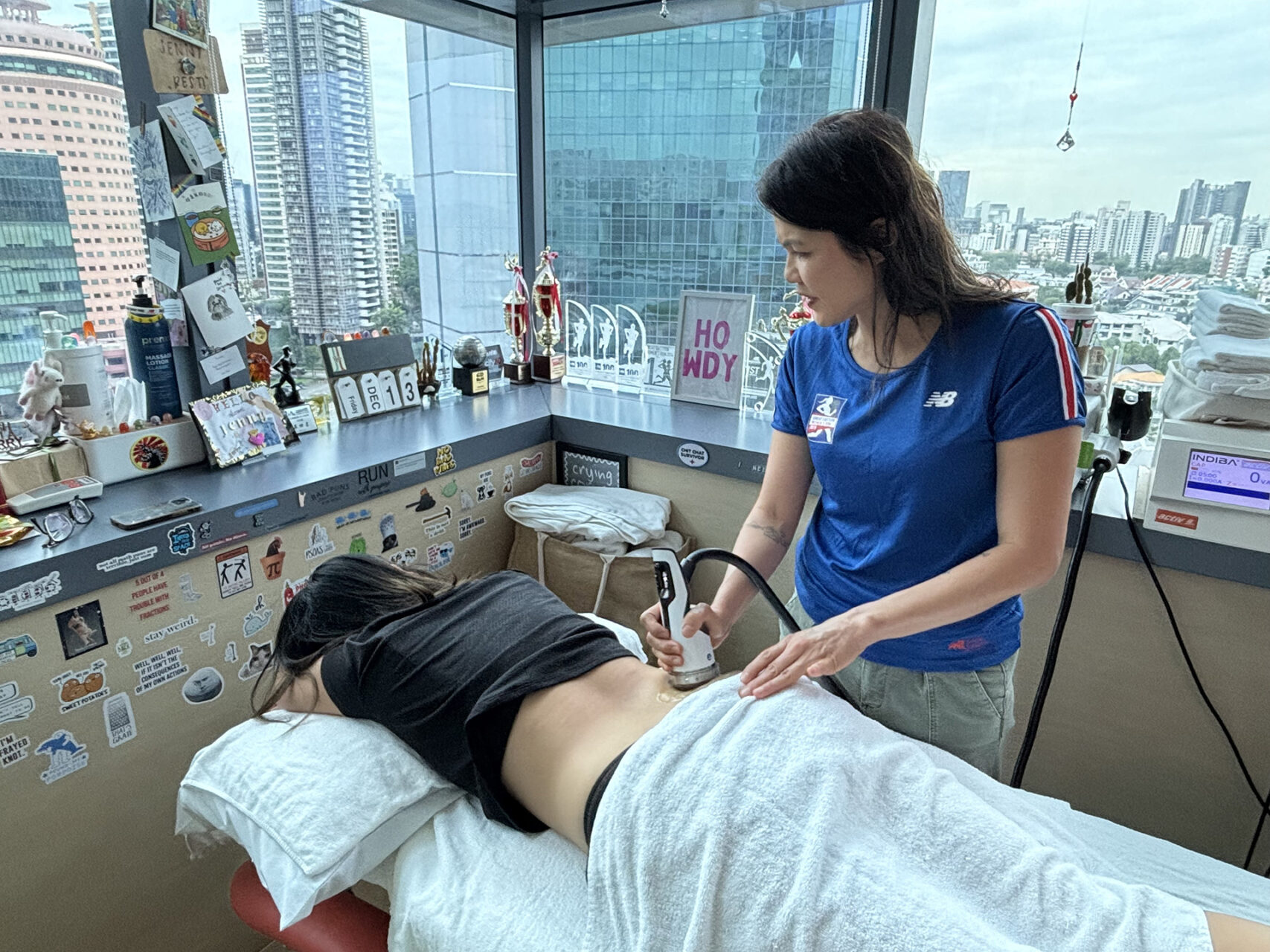
Adjunctive treatments may support recovery:
- INDIBA® may help reduce pain, stiffness and muscle guarding, making movement feel easier.
- Dry Needling may be used when tight gluteal, hip, or lower back muscles contribute to the discomfort. Electrical stimulation may also be considered in selected cases.
- Extracorporeal Magnetotransduction Therapy (EMTT) may be considered in selected musculoskeletal pain presentations to support pain modulation.
- Shockwave Therapy may be considered if a separate gluteal tendon or soft-tissue problem is also contributing to the pain.
Prescribed at-home exercises are central to recovery.
- Sacroiliitis exercises may include gentle hip mobility, glute activation, pelvic control drills, bridges, side-lying hip strengthening, core activation, and controlled single-leg work when tolerated.
- Sacroiliitis stretches may help if tight hip flexors, glutes, hamstrings, or lower back muscles are adding to the strain, but stretching should not be forced.
- For athletes, rehab may include single-leg strength, glute control, change-of-direction drills, running load management, and return-to-training markers.
- For desk-based patients, it may include sitting strategies, movement breaks, pelvic support, and a practical home program.
Interventional Procedures
Interventional procedures may be considered if the pain remains high despite the appropriate conservative care.
- Corticosteroid injections: A doctor may inject an anti-inflammatory medication into the sacroiliac joint to reduce the swelling and provide localised pain relief.
- Radiofrequency ablation: This procedure uses heat energy to reduce pain signals from nerve fibers around the sacroiliac joint.
These procedures may help reduce pain enough for rehabilitation to progress. They are usually most effective when combined with exercise, strength work and changes to aggravating activities.
Surgical Options
Surgery is rarely needed for sacroiliitis and is usually considered only after other treatments have failed.
Sacroiliac joint fusion may be considered in severe cases when the pain is severe, persistent, and has not improved after at least six months of conservative and interventional treatment. The procedure stabilizes the sacrum and ilium to reduce painful joint movement.
Even after surgery, physical therapy rehabilitation is needed to restore strength, walking tolerance and mobility.
Can Sacroiliitis Be Prevented from Returning?
Sacroiliitis may be less likely to recur when healthy habits are maintained, including regular strengthening exercises, staying active, maintaining a healthy weight, avoiding prolonged periods in one position, and gradually building the activity.
Prevention depends on the cause. If sacroiliitis is linked to inflammatory disease, long-term medical management may help reduce the risk of complications. Lifestyle changes may also help. If it is linked to mechanical stress, physiotherapy can help reduce the repeated irritation.
For runners, this may mean gradually increasing mileage and incorporating hip and trunk strength training. For office workers, it may mean changing positions often and improving sitting tolerance rather than trying to maintain a single perfect posture.
How HelloPhysio Can Help
If sacroiliitis is affecting your walking, running, sleep, work, or daily life, HelloPhysio can help. Our physiotherapists can assess your symptoms, explain what may be driving your back pain, and create a treatment plan using manual therapy, prescribed exercises, movement retraining, and adjunctive care where appropriate. Contact HelloPhysio today to book a consultation.
FAQs about Sacroiliitis
Is sacroiliitis permanent?
Sacroiliitis is not always permanent. Many patients improve with physiotherapy, medication when appropriate, activity modification, and a structured strengthening plan. If it is linked to an inflammatory condition, symptoms may need longer-term medical management.
Does sacroiliitis go away?
Sacroiliitis can settle, especially when the cause is identified and treated early. Some patients recover within weeks. Others may have recurring symptoms if the underlying cause, activity load, or inflammatory condition is not managed.
How to help sacroiliitis pain?
Sacroiliitis pain may be helped by avoiding clear triggers, using medication when appropriate, applying heat or ice, doing prescribed exercises, improving hip and core strength, and working with a physiotherapist to reduce joint strain.
What is the cause of sacroiliitis?
The cause may be injury, arthritis, pregnancy, inflammatory disease, infection, or repeated stress through the sacroiliac joint. In some, several factors contribute simultaneously.
What does sacroiliitis pain feel like?
Sacroiliitis pain often feels like deep pain in the lower back, buttocks, hip, or groin. It may be sharp or aching and can worsen with sitting, standing, stairs, running, or placing more weight on one leg.