
Musculoskeletal Disorders
Back Pain: Symptoms & Treatment in Singapore
What Is Back Pain?
Back pain is discomfort, stiffness, aching, or sharp sensations that can affect the upper, middle, or lower back.
Low back pain is one of the most common reasons people seek medical care or miss work, and the discomfort may feel like a dull ache, tightness, spasm, burning, or a shooting sensation that travels into the buttock or leg. For many, the symptoms improve within a few weeks with sensible self-care, physical activity, and the right care.
Surgery is rarely needed for most back pains. Back pain can affect anyone. It may follow heavy lifting, a sudden twist, long hours sitting in the same position, sport, poor sleep, or a change in training. In some cases, the discomfort builds slowly without one clear injury.
Back Pain Symptoms
Back pain symptoms can range from mild stiffness to severe pain that limits walking, bending, lifting, or sitting.
Common symptoms of back pain include aching across the lower back, back muscle pain, stiffness after inactivity, discomfort with bending or twisting, painful muscle spasms, or a soreness that travels into the hip, buttock or leg. Some people feel worse after sitting for long periods or staying in the same position. Others notice that their back pain worsens after standing, walking, running or lifting.
Back pain often feels like tightness, cramping, soreness, or aching muscles along one or both sides of the spine. It may be linked to muscle tension, strain, overuse, guarding around an irritated joint, or repeated loading beyond what the back muscles can tolerate.
Back Pain Causes
Back pain causes include muscle strain, ligament sprain, disc irritation, arthritis, nerve sensitivity, poor load tolerance, and, less commonly, fracture or inflammatory disease. Common risk factors include excess body weight, low muscle strength, poor posture, and long hours in one position. Causes may be related to the following conditions:
Explore Back Conditions
Many episodes of back pain do not have a single clear cause, as back pain may be influenced by many factors, including movement, strength, stress, sleep, work posture, training load, and general health. Most cases improve within a few weeks with self-management, although some cases recur and require regular strengthening and lifestyle modifications.
When Should Back Pain Be Checked?
Back pain should be checked if it is severe, persistent, spreading into the leg, or linked with nerve, bladder, bowel, fever, trauma, or unexplained weight loss symptoms.
Most back pain is not dangerous and is rarely a sign of serious tissue damage. However, some symptoms indicate a more serious medical problem and require prompt medical attention. See a physiotherapist if you have any of the following symptoms:
- A fall, injury or fever
- An unexplained weight loss
- New bladder or bowel problems
- Numbness, tingling, or weakness in the legs
- Discomfort that does not improve with rest
- Pain that persists or spreads below the knee
If you are unsure, it is better to ask. A physiotherapist can assess whether the pattern looks mechanical, such as back muscle pain or joint irritation, or whether further medical review is needed before continuing care.
How Is Back Pain Diagnosed?
Back pain is diagnosed through a detailed history, movement assessment, physical examination, and imaging only when needed.
Your physiotherapist will ask when the discomfort started, where it is felt, what makes it better or worse, and how it affects your work, sleep, sport, and daily activities. They will assess your posture, walking pattern, spinal movement, hip mobility, strength, flexibility, nerve signs, and your body’s response to specific movements or loads. As the spine, spinal cord, and nearby nerves are closely linked, the examination also checks how the lower spine moves and whether the signals reaching the legs are affected.
In most cases, back pain does not need immediate imaging. X-rays, CT scans or MRIs may be advised when symptoms persist, when there are red flags, or when medical findings suggest a more specific condition. These tests can show the bones of the spine and, in severe cases, signal pressure on the spinal cord or nerves. ns:
Back Pain Treatment
Back pain treatment usually begins with movement, education, symptom control, and changes to the activities that are keeping the back irritated.
In the early stage, back pain relief may come from gentle walking, heat for stiffness, ice for swelling or acute irritations, short breaks from aggravating tasks, and careful movement rather than bed rest. A hot water bottle or heating pad can ease tension and improve blood flow, while an ice pack may calm acute irritation in the affected area. Many feel some relief within a few hours.
Simple home remedies are often enough to reduce pain in the first six weeks:
- Sit upright with your shoulders relaxed and your body supported
- Keep good posture, avoid bending or twisting
- Avoid movements that flare your symptoms until the pain eases
A firm mattress at night and brisk walking during the day can also help reduce back strain, so try not to stay in one position for too long. Over-the-counter medicine or, in some cases, short courses of muscle relaxants from a doctor may help while your symptoms settle.
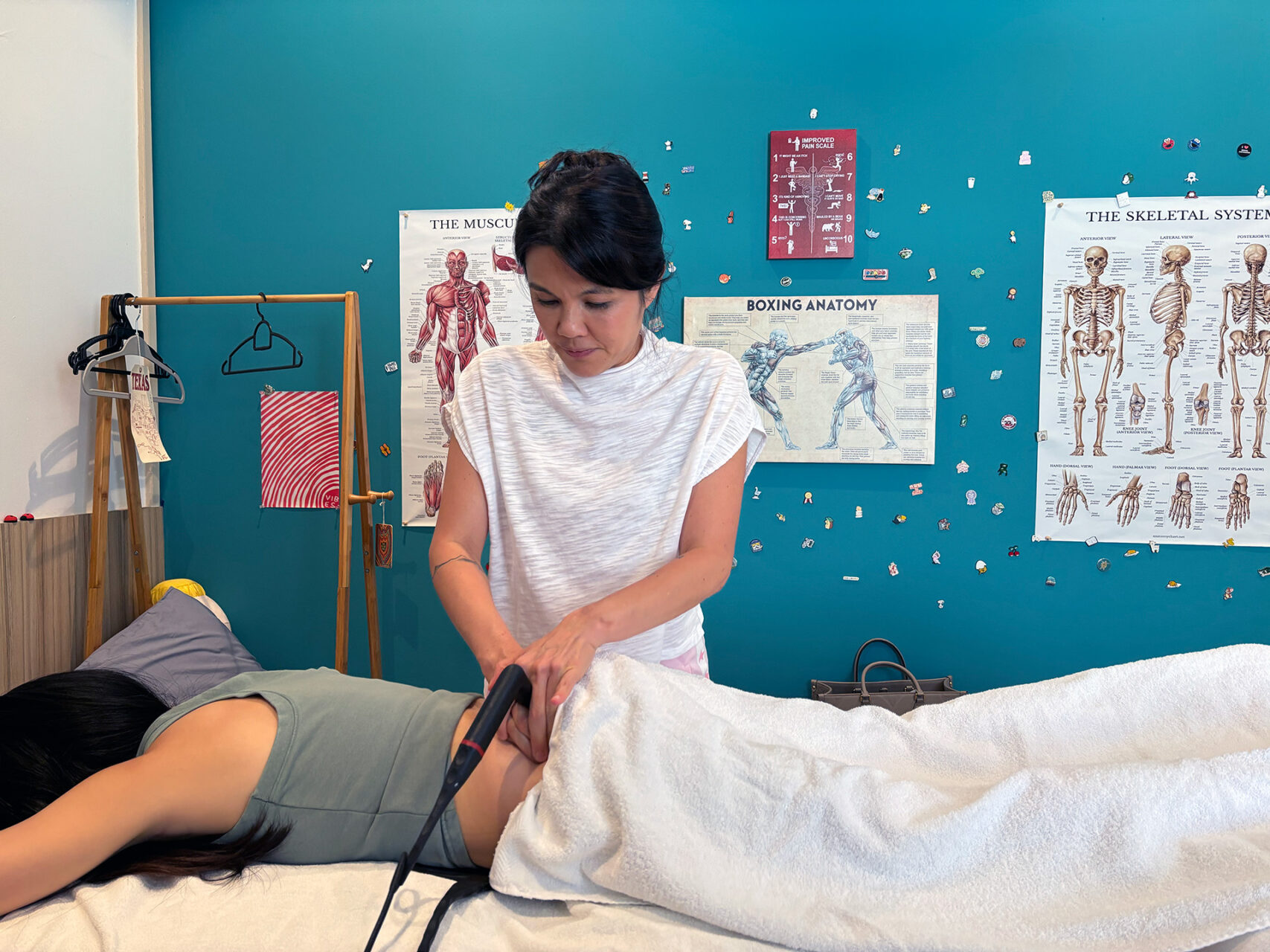
Physiotherapy may include manual therapy, mobility work, soft-tissue release, movement retraining, strengthening, and advice on sitting, lifting, and pacing. Back pain treatments should be tailored to the person. A runner with low back pain may need different advice from an office worker, a new parent, or someone recovering after surgery.
At HelloPhysio, adjunctive treatments may be used when appropriate. INDIBA® may support comfort, mobility, and tissue recovery when discomfort or stiffness limits movement. Dry Needling may help when muscle tightness or trigger points are contributing to back muscle soreness. EMTT may be considered in selected musculoskeletal cases. These treatments work best when they support a plan built around movement, strength, and function.
Back Pain Exercises
Back pain exercises help restore mobility, strength and control in movement.
The best approach depends on the cause, irritability and goals. Early movements may include gentle pelvic tilts, knee rolls, breathing drills, walking, hip mobility exercises, and comfortable spinal motion. As symptoms settle, recovery often progresses to core control, glute strengthening, hip hinges, bridges, squats, step work, and resistance training. Targeted exercises that build muscle strength and improve function can also reduce spinal strain during everyday tasks.
Back pain exercises should not be random or overly aggressive. The aim is to find the right starting point and progress steadily. Some discomfort can be normal, but a sharp discomfort, spreading nerve symptoms, or a clear flare-up that lasts into the next day usually means the movement needs to be modified.
How Physiotherapy Helps Prevent Recurrence
Physiotherapy helps prevent recurrent back pain by improving the strength, mobility, load tolerance, and the body’s ability to handle daily stress.
Many people seek back pain relief only when their symptoms are severe. However, long-term recovery often depends on what happens after the symptoms improve. If the back remains weak, stiff, sensitive, or poorly conditioned, the trouble may return with the next long workday, heavy lift, or training increase. When back pain lasts more than three months, it is considered chronic, and ongoing chronic pain often responds best to steady, graded loading.
Physiotherapy is often a practical first step for mechanical back pain. A physiotherapist can help you build a home plan that fits your life. This may include strengthening exercises two to three times a week, a short daily back-exercise routine, short mobility breaks, and better lifting habits. Staying at a healthy weight, exercising regularly, keeping good form, and continuing your usual activities all lower your risk of another episode of back pain.
How HelloPhysio Can Help
For most, finding relief from back pain is less about one fix and more about consistent habits.
If your symptoms keep returning, limit movement, affect sleep, or make daily activities feel uncertain, HelloPhysio can help. Our physiotherapists can assess your back pain symptoms, explain likely causes, and create a clear plan for back pain relief, targeted exercises, and long-term recovery.
If you are looking for a back pain specialist Singapore patients can trust for physiotherapy-led care, contact HelloPhysio to book a consultation.