
Inversion Ankle Sprain: More Than A Twist
Every movement counts, and every millisecond matters in high-performance sports. Often, athletes’ ankles take the brunt of the action, in ways spectators seldom appreciate. And sometimes, that pressure can lead to an inversion ankle sprain.
Clinically, an inversion ankle sprain is more than just a twist in the ankle. It’s an unwelcome straining or tearing of the ligaments on the inner side of the ankle, an ailment all too familiar to many an athlete. Many injuries are common among athletes, but the inversion ankle sprain is worth noting for its prevalence across a wide range of sports.
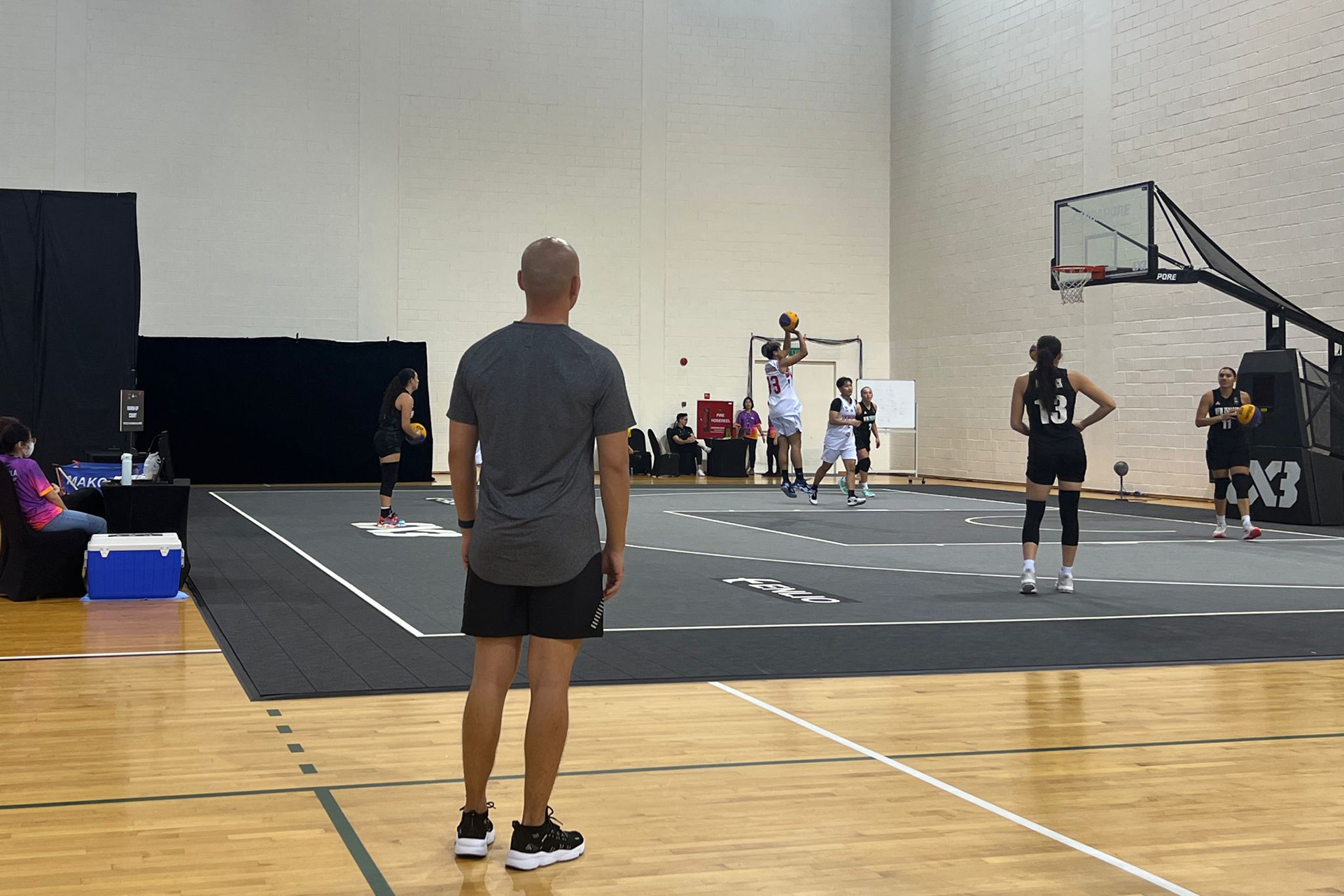
The unpredictable basketball court, with its sudden pivots, and the capricious terrains of soccer and trail running create fertile ground for such sprains. Tennis, with its rapid shifts, and volleyball, with its forceful landings, are no strangers to this injury. As long as the feet move suddenly and abruptly, there’s a risk of an inversion ankle sprain. Let’s unpack the mechanics, repercussions and potential preventative measures for this common athletic impediment.
Understanding the Inversion Ankle Sprain
Three bones meet at the ankle: the shin bone, the tibia, and the talus. It’s a significant pivot point for the leg, with many ligaments, cartilage, muscles, nerves, and blood vessels supporting its structure. It may seem obvious, but it is worth noting that the ankle is designed to rotate and move to best accommodate our movements. Part of that depends on the three essential ligaments that make up the ankle: the anterior talofibular ligament, the calcaneofibular ligament, and the posterior talofibular ligament. An inversion ankle sprain involves an injury of any of these ligaments on the outside of the ankle.
Inversion ankle sprain aetiology essentially comes down to one thing: Our feet are designed to rotate inwards and outwards so we can move swiftly and smoothly. But sometimes, too much rotation can stress the ligaments, leading to excessive stretching or tearing. An inversion ankle sprain happens when the foot rolls too far inward, straining the anterior ligaments. This can happen when we land from a jump on an uneven surface, like a rocky path or another athlete’s foot.
Symptoms and Diagnosis
Many people have heard a “pop” when they have listened to their ankle. The ankle inversion sprain pop is considered a telltale sign of ligament damage, as the sound is produced when the ligament is overstretched. It’s also very different from hearing a “crack”, which suggests a bone within the ankle joint has fractured.
Other common symptoms of an inversion ankle injury include pain with weight-bearing on the affected foot, tenderness in the ankle area, swelling, bruising, instability, or restricted range of motion. More specifically, it’s usually pain at the lateral ankle, where the ligament was overstretched. However, some people can experience pain in the medial ankle region, the inside of the ankle. This happens because of impingement between the medial malleolus, the small bone inside the ankle, and the talus. It may seem odd that the pain is on the side of the foot that wasn’t injured, but it’s related to inversion.
You can diagnose inversion ankle sprains in several ways. It usually begins with your physiotherapist or healthcare provider asking if you recently fell or experienced trauma to your ankle, as inversion ankle sprains are generally the result of acute damage. You should be able to identify a specific moment when the ankle pain began. If they suspect the damage is severe and warrants closer inspection, they may order an X-ray, ultrasound, or CT scan of the ankle to see which ligaments are involved in your inversion ankle sprain and how severe the damage is.
Classification and Severity
There are several ways to classify an ankle sprain, depending on the ankle region, the ligaments affected, and the extent of ligament damage. First, an ankle sprain can be low or high, depending on which part of the ankle was injured. Simply put, a low ankle sprain is lower in the ankle, and a high ankle sprain is higher, specifically between the tibia and fibula. Both these injuries can cause pain, but a high ankle sprain needs a longer recovery time and may need a more severe intervention.
The severity of the injury depends on which of the ankle’s three ligaments are damaged and to what extent.
- A Grade 1 inversion ankle sprain means only one ligament has been overstretched, with no tearing. Often, it’s the anterior talofibular ligament.
- A Grade 2 injury means either one of the three ligaments has been torn or two have been strained.
- A Grade 3 injury means two of the three ligaments are torn. A Grade 3 injury is much worse than a Grade 1 injury and requires more time and care.
Recovering from any type of ankle injury, be it a high ankle sprain, inversion, low ankle inversion sprain, or any grade, is affected by many factors. These include age, prior injuries, flexibility, sprain severity, and more. Ankle sprains also often recur; once you sprain your ankle, your chances of doing so again increase dramatically. Inversion ankle sprain recovery times also vary widely: a Grade 1 injury can take a month to heal, a Grade 2 inversion ankle sprain can take up to six weeks, and a Grade 3 can take half a year or longer. Every ankle and injury is different, so recovery times vary considerably.
Intervention Strategies
Many forms of inversion ankle sprain treatment exist. Still, they can be summed up by two acronyms: PEACE and LOVE: Protection, Elevation, Avoiding Anti-Inflammatories, Compression, Education, & Load, Optimism, Vascularisation, Exercise. PEACE applies immediately after injury, while LOVE guides the long-term healing process. LOVE is an excellent guide for rehabilitation, helping you restore your mobility and strength under a physiotherapist’s guidance. PEACE and LOVE can help you whether you’ve got a medial ankle pain with an inversion sprain, a Grade 3 inversion ankle sprain, or you’re recovering from an inversion ankle sprain dislocation.
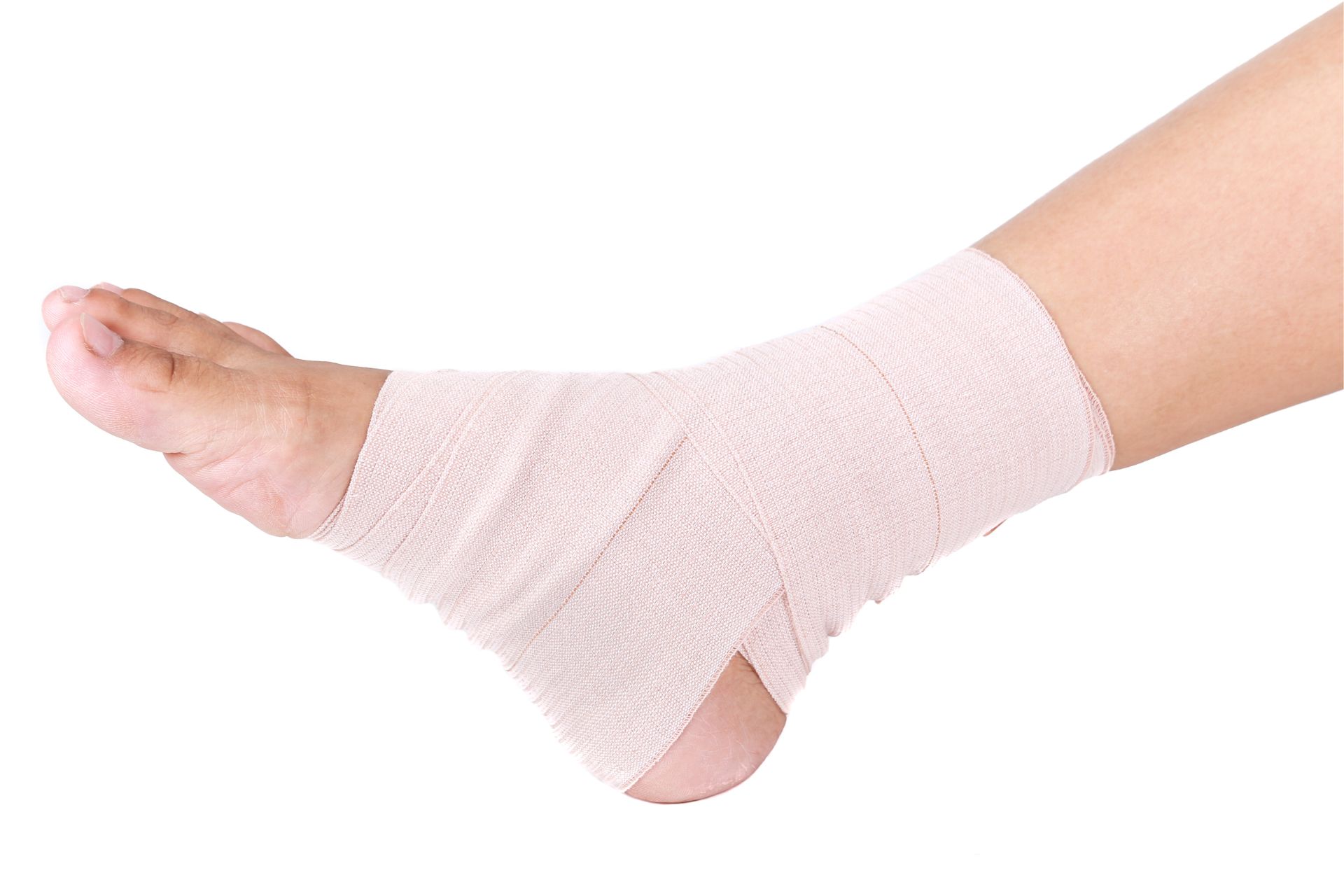
Two standard manual techniques for assisting are inversion ankle sprain taping and wrapping. With taping, a physiotherapist uses medical adhesive tape to support your ankle as it recovers. An inversion ankle sprain wrap is similar but more constricting, with a bandage looped around the ankle to prevent movement. The main difference between them is the material used. Still, both serve a similar function: to support and stabilise the ankle and to compress the injury to prevent additional swelling and reduce the risk of future injury. Sometimes, your ankle may need more support during recovery, and your physiotherapist will recommend the best ankle brace for an inversion sprain.
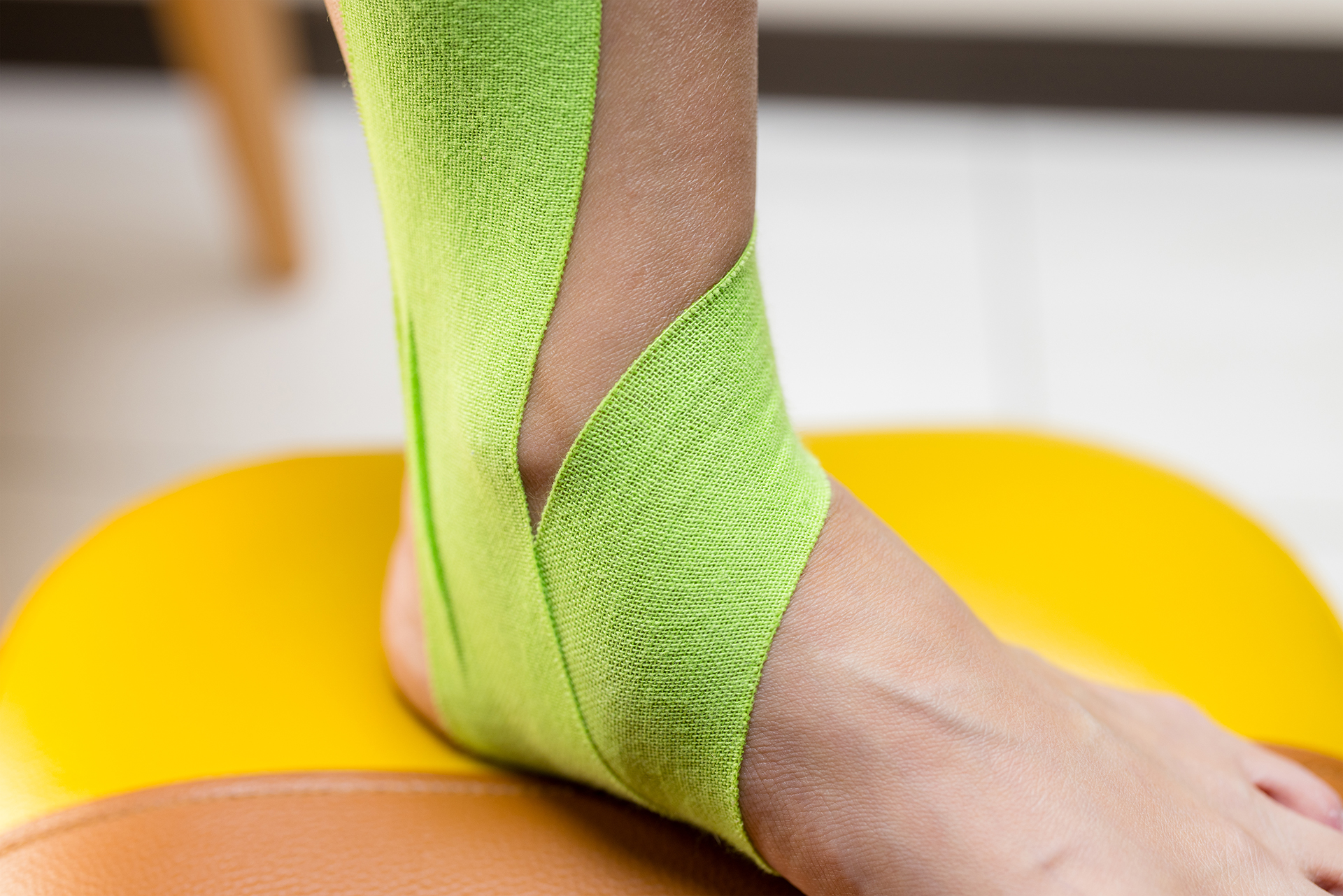
A similar option is Kinesio tape. Kinesio tape differs from regular sports tape because of its stretchiness and adhesiveness. This stretchiness is vital because, when applied, it pulls on the muscles it is taped to, signalling to the body that something is out of alignment. Kinesio tape for ankle inversion sprains works almost subconsciously, helping the body learn the best position for recovery.
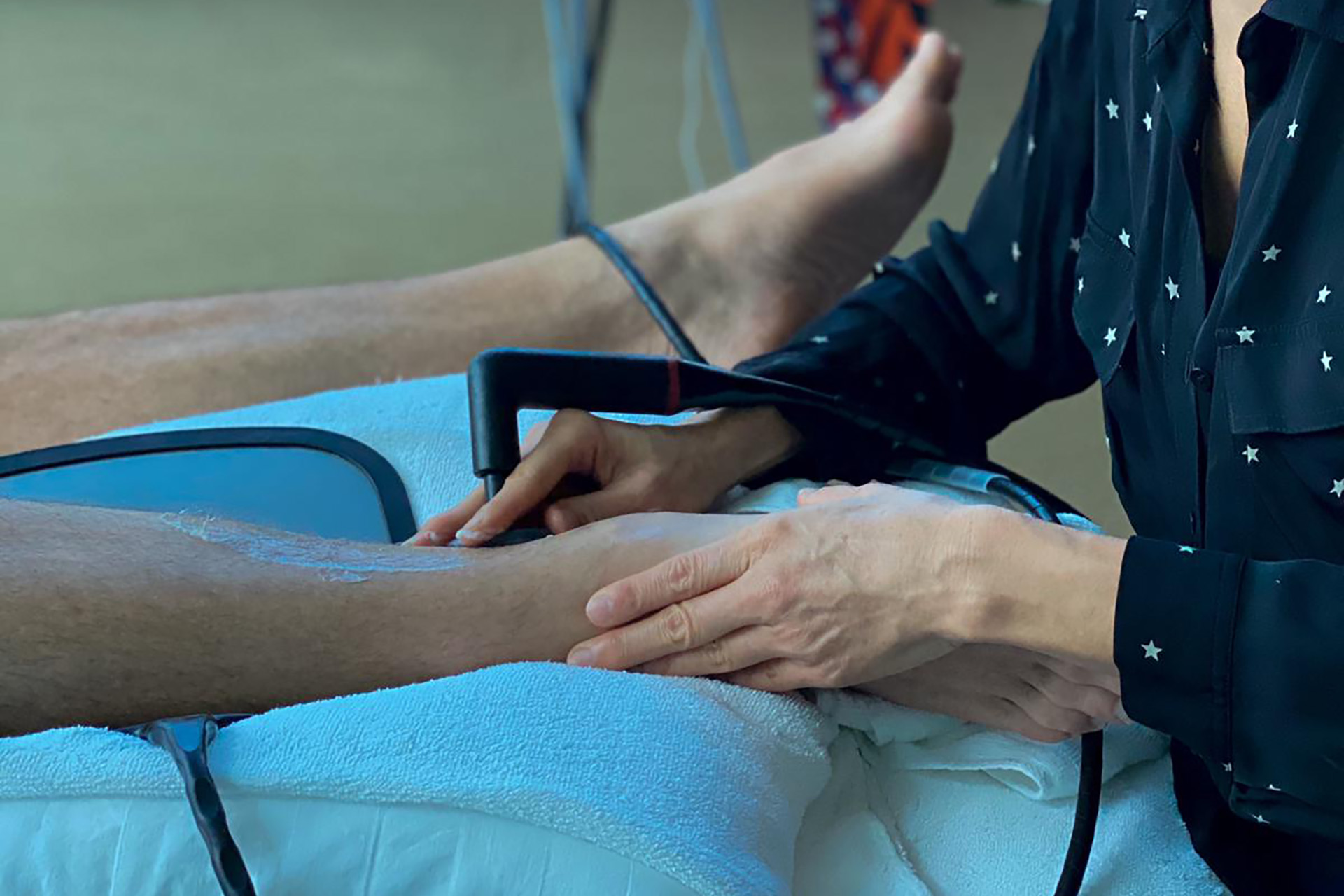
These manual methods can be combined with more advanced technologies to reduce the healing time for inversion ankle sprains. One such method is INDIBA®, which delivers radiofrequency energy to the affected area to stimulate muscle and joint healing. It accelerates the body’s natural healing process, reduces inflammation, and hastens recovery.
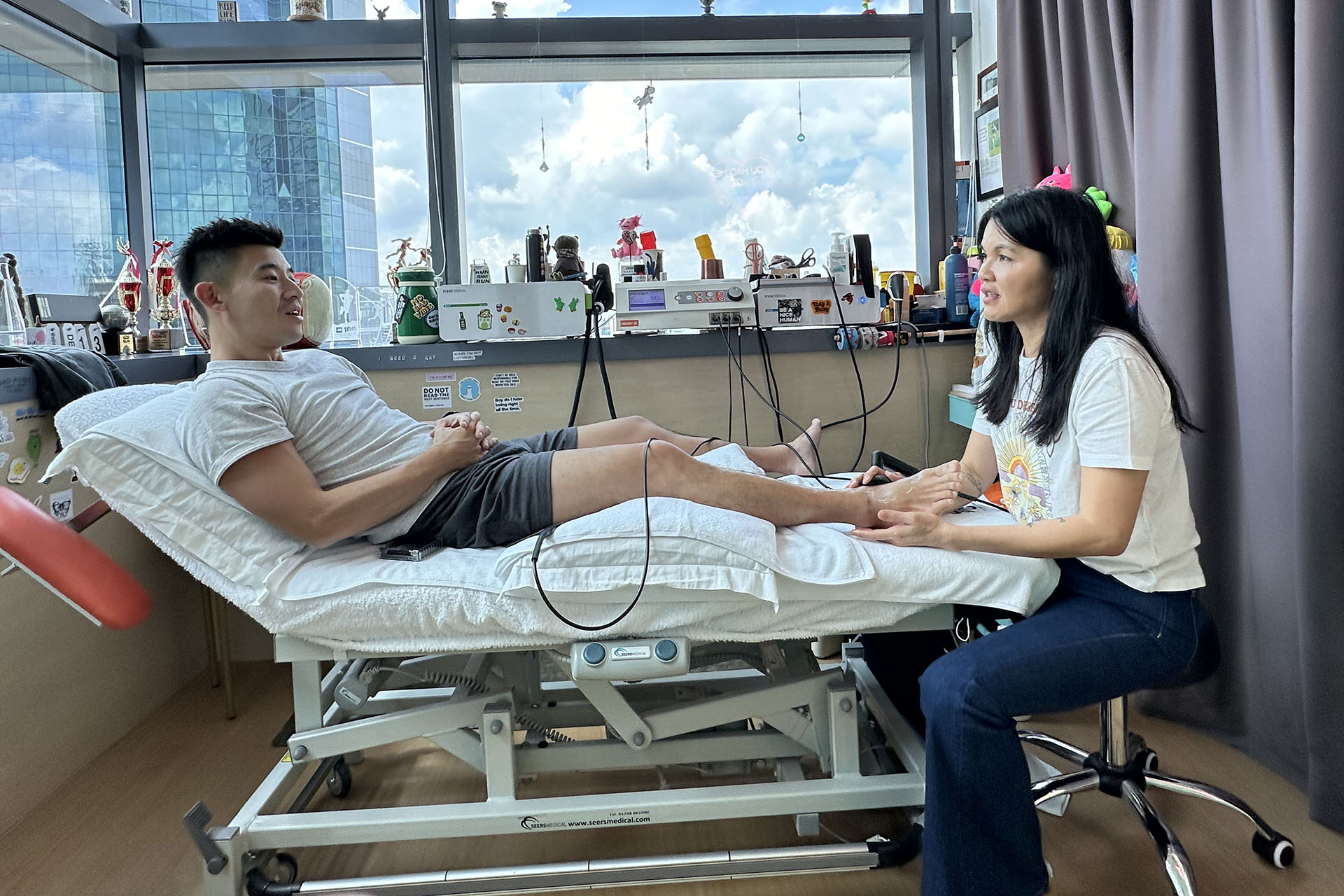
Shockwave Therapy works similarly, though it stimulates blood flow (vasculature) to the ankle, encouraging healing. These advanced technologies and rehabilitation exercises can significantly accelerate recovery from ankle injuries and get athletes back on the field, court, or track.
Preventative Measures for Inversion Ankle Sprains
As with any injury, it’s better to prevent than treat. A straightforward way to do so is to ensure your ankles are adequately supported when playing sports. That can help you land better after big jumps or reduce stress on your ankle after a sharp turn.
It’s also important for your overall foot health; unstable arches can lead to ankle imbalance, increasing the risk of ankle injury. The wrong shoes can affect your arches; if unsure, talk to your physiotherapist about which shoes are right for you.
Ankle strength and flexibility can also help prevent future ankle injuries. Talk to our physiotherapist about the best way to strengthen your ankle with resistance bands. It’s essential to speak with a professional so you do not accidentally injure yourself or, if you are already injured, make the condition worse by attempting to follow a routine that isn’t catered to you.
So, if you’re concerned about your inversion ankle sprain in Singapore, contact us today.