
The medical term for tailbone pain is coccydynia. It is the pain in or around the coccyx, the small triangular bone at the base of the spine. This bony structure consists of three to five small vertebrae and provides attachment points for the pelvic floor muscles and ligaments.
Tailbone pain may feel dull and achy or sharp and focused. It often worsens when sitting, leaning backwards or moving from sitting to standing. Symptoms can range from mild discomfort to severe pain that affects work, sleep and daily activities. For many patients, symptoms improve without surgery, though professional assessment is often key to recovery.
Symptoms of Tailbone Pain
Tailbone pain symptoms usually occur at the base of the spine, near the top of the buttocks. Coccydynia symptoms may include:
- Pain or tenderness over the tailbone.
- A dull ache with occasional sharp pain in the tailbone.
- Tailbone pain when sitting down and getting up, especially from a hard surface.
- Pain when bending forwards, having a bowel movement or having sex.
- Difficulty sleeping or completing usual activities because of pain.
Other symptoms may include back pain, discomfort in the lower back, buttocks, hips or pelvic area. Pain that shoots down a leg, or occurs with numbness or weakness, may have another cause and should be medically assessed.

What Causes Tailbone Pain?
Causes of tailbone pain include injury, repeated pressure, and changes in the joints or surrounding tissues. Several factors can be involved, and sometimes there is no clear cause. This is called idiopathic coccydynia, where no single cause can be identified.
Falls and direct trauma
A backwards fall onto the buttocks can bruise, fracture or dislocate the coccyx. A road accident, contact sport or other direct impact can also injure the tailbone.
Repeated pressure or movement
Sitting for long periods, especially on a hard or narrow surface, places pressure on the coccyx and tissues around the tailbone. Repetitive movement in cycling or rowing can also irritate the area. Tailbone pain after cycling may relate to saddle pressure, riding position, or training loads, so adjustments can help reduce pain through exercise.
Pregnancy and childbirth
Tailbone pain during pregnancy may develop as hormonal changes relax the pelvic ligaments and the growing baby alters posture, increasing strain around the coccyx. Pregnancy changes the body posture and pelvic load, while hormonal changes make ligaments more flexible. These bodily changes can aggravate a previous injury. Additionally, during a vaginal childbirth, pressure and pushing can strain the ligaments and muscles around the tailbone, potentially bruising, displacing, or fracturing the coccyx.
Weight and age-related changes
Higher body weight can increase pressure on the coccyx while sitting. Very low body weight may reduce the natural cushioning over the bone. As you age, the coccyx’s joints and discs can develop degenerative changes that contribute to chronic coccydynia.
Other conditions near the coccyx
Not every pain near the tailbone comes from the coccyx. A pilonidal cyst, infection, abscess, pelvic floor disorder, lower back condition or hip problem can cause pain in the same tailbone area. A tumour is a rare cause.

Tailbone Pain When Sitting
Tailbone pain when sitting is the most typical pattern of coccydynia. Coccydynia pain usually increases when you lean backwards, during prolonged sitting or after long hours on a hard surface. For some, the pain may be sharp when standing up.
To reduce pressure while sitting:
- Use a coccyx cushion with a rear cut-out or a wedge-shaped pressure-reduction cushion.
- Keep your feet supported and let your weight rest through the sitting bones.
- Lean forwards slightly if this is more comfortable.
- Change positions and take regular standing or walking breaks.
- Avoid forcing yourself to remain seated through increasing pain.
You should not avoid sitting completely. Poor posture alone does not cause tailbone pain, and good posture is not one fixed position. Regular movement and a well-supported position are more useful than holding one rigid posture. A pillow for tailbone pain can also reduce direct pressure by supporting the tailbone area, making sitting more comfortable.

Tailbone Pain During Pregnancy
Tailbone pain during pregnancy may develop as the growing uterus changes the pelvis and increases load through the lower spine. More flexible ligaments and a previous coccyx injury also may contribute to tailbone pain during pregnancy. Pregnant women may notice more discomfort in the third trimester, when extra weight and posture changes increase load through the pelvis.
To relieve tailbone pain during a pregnancy, consider a coccyx cushion, changing positions regularly, and resting on your side when uncomfortable. Gentle walking may help avoid some stiffness. A physiotherapist with pelvic health experience can assess the pelvic floor, hips, back and sitting pattern.
Importantly, do not start pain medicine or a new exercise programme during a pregnancy without checking that it is suitable for you. Seek advice from your maternity team if the pain is sudden or severe, follows a fall, or occurs with bleeding, contractions, fevers, weakness, numbness or bladder or bowel changes.
Tailbone pain after delivery may result from soft-tissue strain, bruising or injury during childbirth. Arrange an assessment if it worsens, doesn’t improve over several weeks, or makes caring for your baby difficult. Consider pelvic health physiotherapy during pregnancy or after birth.

When to Seek Medical Care
Arrange a medical assessment if tailbone pain:
- Has not improved after a few weeks of self-care.
- Is severe, worsening or interfering with daily activities.
- Follows a significant fall, collision or other injury.
- Occurs with unexplained weight loss, persistent night pain or a history of cancer.
- Occurs with a new lump on the back, drainage, redness, significant swelling or fever.
Seek urgent medical care for new leg weakness, numbness around the groin or buttocks, difficulty walking or maintaining balance, or loss of bladder or bowel control. These symptoms are not typical of uncomplicated coccydynia and indicate other conditions that require immediate attention.
Diagnosis
A coccydynia diagnosis usually starts with a medical history and physical examination. Your healthcare provider may ask about falls, childbirth, sitting, cycling and bowel symptoms. The examination may include the lower spine, hips, pelvis, pelvic floor muscles and skin over the tailbone.
Imaging is not needed for every case. However, healthcare providers may consider an X-ray or CT scan after a trauma. Magnetic resonance imaging (MRI) may be used for persistent or unusual symptoms, or when infection, a mass or another soft-tissue condition needs to be ruled out. A digital rectal exam may be considered to assess coccyx movement or the pelvic floor. This examination requires a clear clinical reason, informed consent, and a suitably trained healthcare provider.

Tailbone Pain Treatment
Treatment depends on the cause, severity, and duration of the tailbone pain. About 90% of cases can be managed with conservative care, including reducing pressure, changing activities, medication, or physiotherapy. A substantial injury may take longer to improve.
How to Ease Tailbone Pain at Home
For short-term tailbone pain relief, home remedies include reducing direct pressure on the coccyx and avoiding long, uninterrupted periods of sitting. A pressure-reduction cushion may help you sit without discomfort. Side-lying can reduce pressure during sleep.
An ice pack wrapped in a towel may help when applied to the affected area after a recent injury. Similarly, heat packs may ease muscle tension, though they must not harm the skin. Pain relievers such as non-steroidal anti-inflammatory drugs, also called NSAIDs, may reduce the pain and swelling, but they are not suitable for everyone. Ask a pharmacist or doctor before taking them if you have another medical condition, take regular medicine or are pregnant.
Constipation can exacerbate symptoms, including pain during bowel movements. Drinking enough fluid and eating fibre can help keep stools soft, as can stool softeners. Home remedies may help treat tailbone pain when symptoms are mild, but they do not replace assessment when symptoms are severe or persistent.
Coccydynia Physiotherapy
Physiotherapy may help relieve pain, improve sitting tolerance and restore movement. Your physiotherapist may assess the muscles of the lower back, hips, pelvis and pelvic floor.
Prescribed tailbone pain exercises may include gentle hip or lower back mobility, pelvic floor relaxation techniques, breathing, and progressive hip or trunk strengthening, depending on their assessment findings. Some sufferers need pelvic floor exercises to strengthen the pelvic floor muscles. Others need relaxation first. Generic coccydynia exercises are not appropriate for everyone; general advice you find online could do more harm than good.
Clinical Pilates may support supervised movement control and gradual strengthening while avoiding direct pressure on the coccyx. Modify these exercises during pregnancy and after childbirth.
Manual Therapy
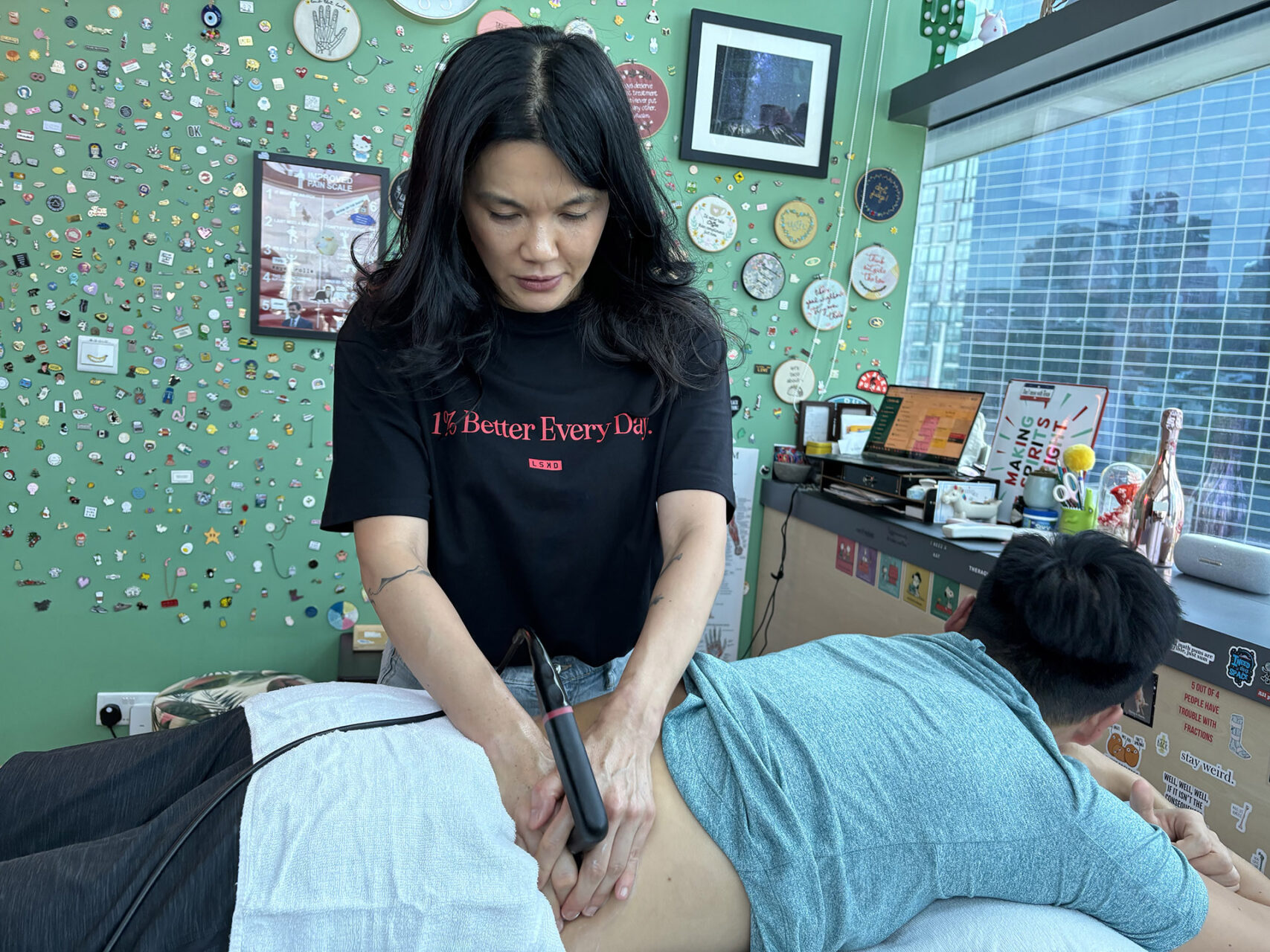
Manual Therapy may include external soft-tissue techniques, joint mobilization, or work on muscles attached near the tailbone. Internal coccygeal or pelvic floor techniques may help selected cases, but evidence is limited. Internal treatment requires specific training, a clear reason, and informed consent.
Shockwave Therapy
Some studies suggest that Shockwave Therapy may ease pain in some people with chronic coccydynia. However, it is not a first treatment for a recent fracture and should be applied judiciously and carefully. It should follow an assessment and complement active rehabilitation.
Injections and Surgery
If pain remains severe despite conservative treatment, a doctor may consider a local anaesthetic and corticosteroid injection or a nerve block to relieve pain. These treatments are used for selected persistent cases.
Coccydynia surgery is uncommon and considered only in rare cases. A coccygectomy removes part or all of the coccyx. It is reserved for severe cases of persistent pain that has not improved with other treatments. Recovery may take several months, and surgery does not guarantee that pain will resolve.

Can Tailbone Pain Be Prevented?
You can’t always prevent tailbone pain. These steps may reduce repeated pressure or injury:
- Change position regularly during desk work, driving and travel.
- Use a suitable cushion when symptoms are sensitive.
- Check your bicycle fit and saddle comfort, and build cycling time gradually.
- Maintain a healthy weight to reduce extra pressure on the tailbone while sitting.
- Reduce fall risks at home and use appropriate protection during sport.
Tailbone Pain Physiotherapy in Singapore
HelloPhysio provides assessment and physiotherapy for musculoskeletal tailbone pain at its Orchard Road and Raffles Hotel Arcade clinics. Treatment depends on the cause and may include sitting advice, prescribed exercises, pelvic health rehabilitation, Manual Therapy or selected adjunctive care. If you’re looking for help with tailbone pain in Singapore, call us today to make an appointment.
Frequently Asked Questions
How do I cure tailbone pain?
There is no single answer. Most cases improve with reduced pressure, activity changes, heat or ice, appropriate medications, and time. Physiotherapy may help when symptoms persist.
How long does tailbone pain take to heal?
Mild symptoms may settle within a few weeks. A fracture, childbirth injury or chronic coccydynia can take longer. Seek advice if pain worsens or doesn’t improve after several weeks.
Which tailbone pain exercises help?
Useful exercises depend on the cause and cannot be done without specific advice. Gentle mobility, pelvic floor relaxation, breathing and progressive hip or trunk strengthening may help. Stop if an exercise increases sharp pain, numbness or weakness.
Is tailbone pain serious?
Tailbone pain is usually not caused by a serious condition. Medical assessment is important when pain follows major trauma or occurs with fever, swelling, drainage, a mass, neurological symptoms, unexplained weight loss or bladder or bowel changes.