
What Is Sinus Tarsi Syndrome?
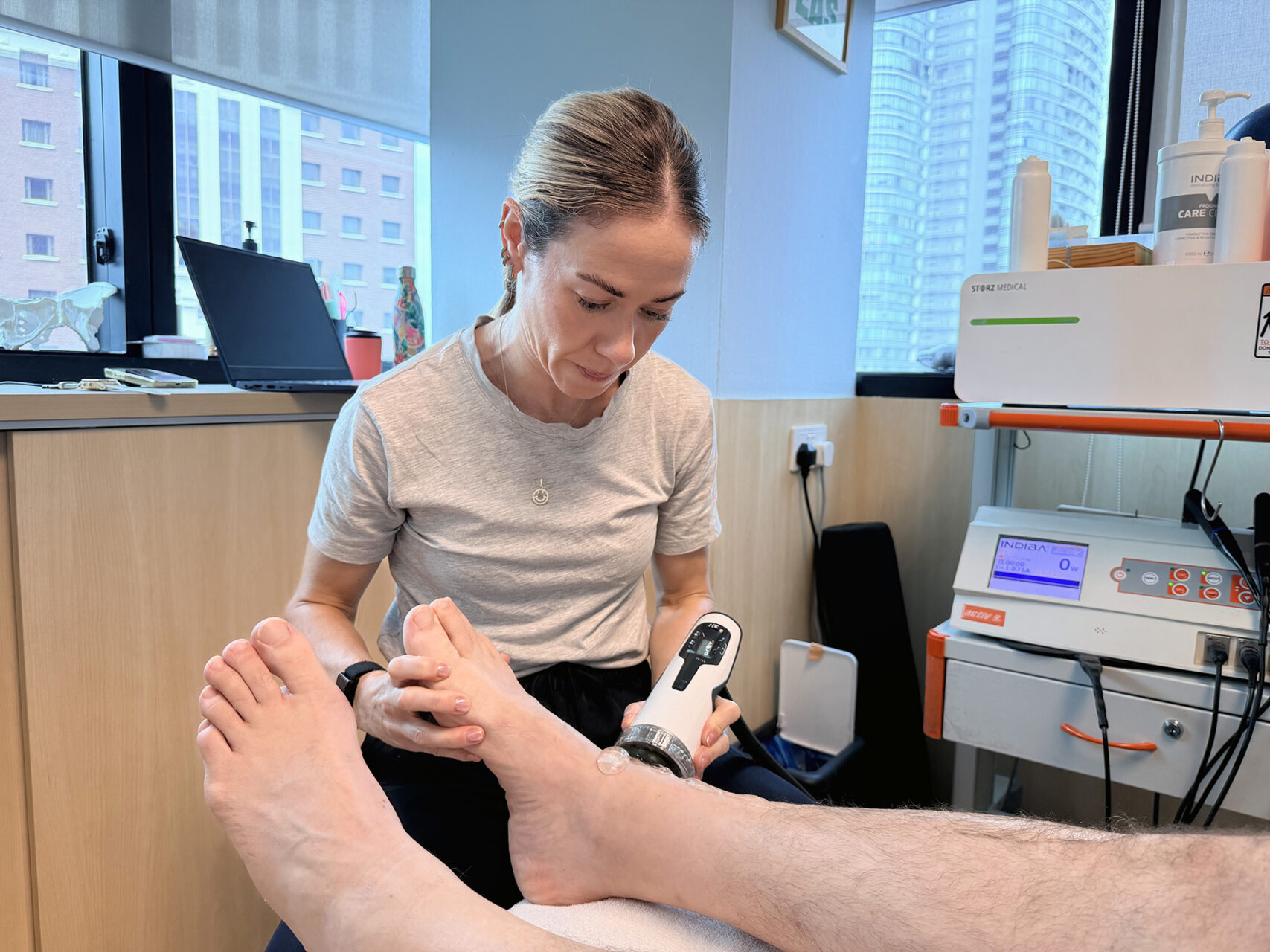
Sinus tarsi syndrome is a painful condition characterized by pain and inflammation in the small space between the talus and calcaneus on the outer side of the hindfoot. That space, called the sinus tarsi or tarsal sinus, contains ligaments, blood vessels, nerves and fat that help with stability and proprioception, which is your sense of joint position and movement. When the tissues in the sinus tarsi space become irritated, inflamed, swollen, or scarred, the outer aspect of the ankle can become persistently sore and unstable.
This is one reason the condition is confusing. The pain is near the ankle joint, but the problem is often deeper and more localised than a routine sprain. Sinus tarsi syndrome often becomes more obvious when the subtalar joint is loaded on uneven ground, during side-to-side movement, or after repeated ankle sprains.
Symptoms
Sinus tarsi syndrome usually feels like a constant ache or tenderness on the outer side of the ankle, sometimes with sharper pain with movement or weight-bearing. The pain may feel worse when the foot turns inward or outward, when walking or running, when climbing stairs, or when pressure is applied directly over the sinus tarsi. Swelling is common, and some people notice a puffy area that feels almost like a small lump, and many can point to one sore area between the ankle bone and the heel.
The ankle may feel less stable on unstable surfaces and uneven ground, during quick pivots, or when walking downhill. Some describe it as a sensation that the foot might give way even when strength seems mostly intact. This can affect both confidence and comfort, affecting your daily quality of life by impeding simple walking movements.
Causes
The most common cause of sinus tarsi syndrome is an ankle sprain, especially a repeated inversion sprain, which is when the foot rolls inward, as the ankle rolls outward. Swelling, synovitis, and, later, scar tissue can build up inside the tarsal sinus, keeping the sinus tarsi area painful long after the initial sprain should have settled. Around 80% of those who develop sinus tarsi syndrome have a history of ankle sprain.
Not every case starts with one dramatic injury. Overuse can also irritate the sinus tarsi area, especially in those who stand or walk for long periods, run on uneven ground, or repeatedly load the ankle in twisting positions. Flat feet, pes planus, overpronation, obesity, arthritis, and chronic subtalar instability can all place extra stress on the sinus tarsi over time.
Diagnosis
A healthcare professional will usually ask whether the symptoms began after a sprain, where the pain is felt, whether the ankle feels unstable, and which movements or surfaces worsen sinus tarsi symptoms. Direct tenderness over the sinus tarsi is one of the key examination findings. The foot and ankle are then assessed for swelling, range of motion, walking pattern, joint stability, and the possibility that another problem may be causing similar symptoms.
This matters because several other conditions can mimic sinus tarsi syndrome. Lateral ankle pain can come from arthritis, fractures of the talus and calcaneus, nerve irritation, degenerative changes, or ongoing ligament injury.
Imaging tests are used when the diagnosis is unclear, symptoms persist, or the clinician wants to rule out something more serious. A differential diagnosis should be considered before settling on sinus tarsi syndrome as the cause. X-rays may help exclude fractures or joint changes.
Magnetic resonance imaging (MRI) is often the most useful imaging test for soft-tissue assessment because it can detect ligament injury, fibrotic tissue changes, synovitis, and loss of normal fatty tissue in the sinus tarsi. Pathologic findings on an MRI or computed tomography (CT) scan may also reveal structural abnormalities contributing to sinus tarsi pain. Imaging tests are helpful, but they work best alongside a good clinical examination and medical history rather than in isolation.
Sinus Tarsi Syndrome Treatment
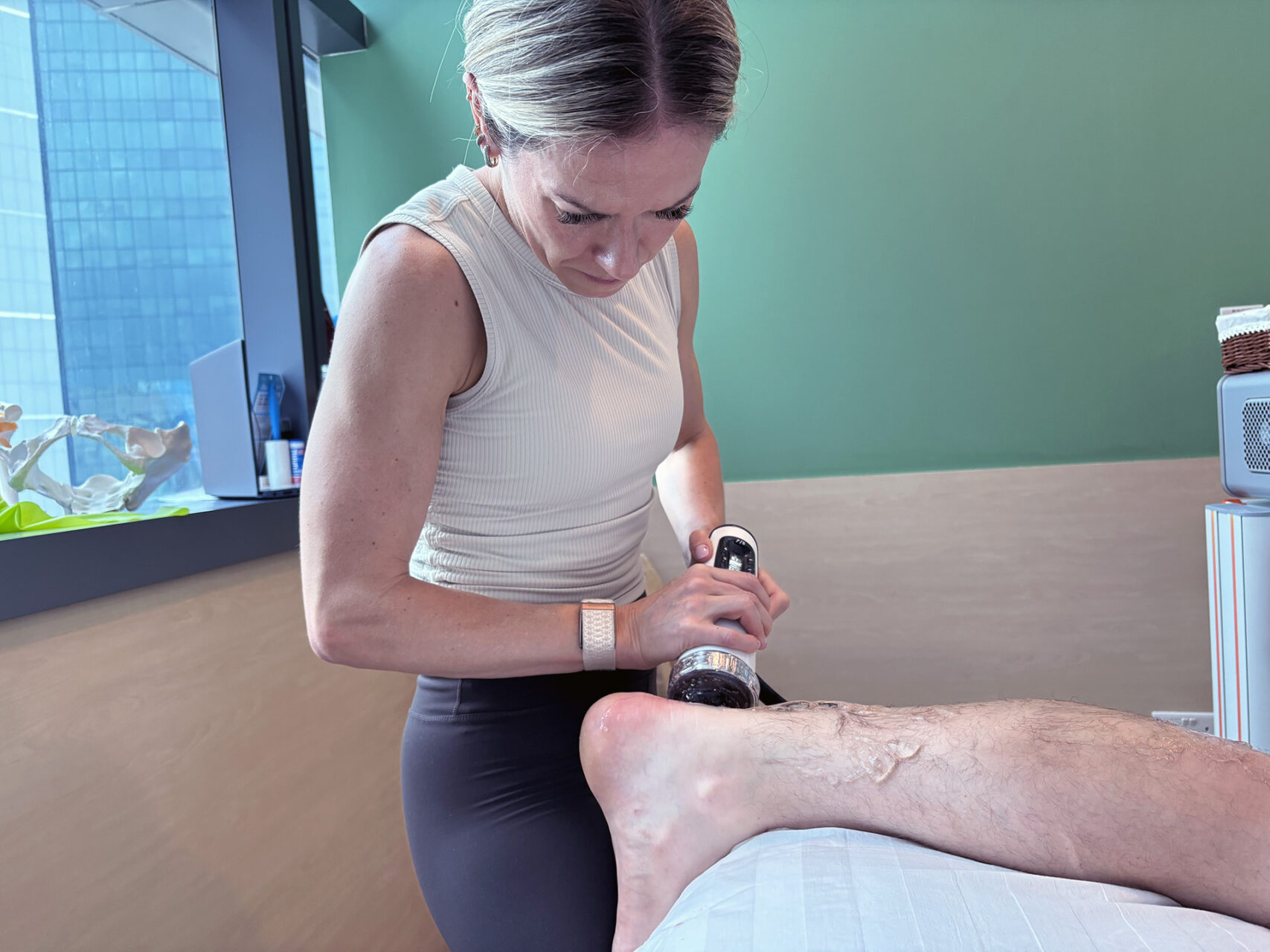
For many, treatment options for sinus tarsi syndrome include a combination of activity modification, short-term pain relief, external support and rehabilitation.
Home Remedies for Sinus Tarsi Syndrome
Home remedies for subtalar joint syndrome usually focus on calming symptoms and avoiding movements that irritate the subtalar joint. That includes reducing aggravating activities for a period, using ice after an activity, avoiding uneven ground, wearing more supportive shoes, and using a brace or tape if advised. Simple pain relief medication may help some in the short term, but this is not advisable as a long-term solution, as it does not address the instability in the ankle
Home treatment works best when it is paired with the right exercises. Gentle ankle mobility work, calf stretching when tolerated, foot control exercises, and early balance retraining are often prescribed once sinus tarsi pain is manageable. The aim is to restore comfortable movement without provoking the irritated tissues.
Physiotherapy and Adjunct Modalities
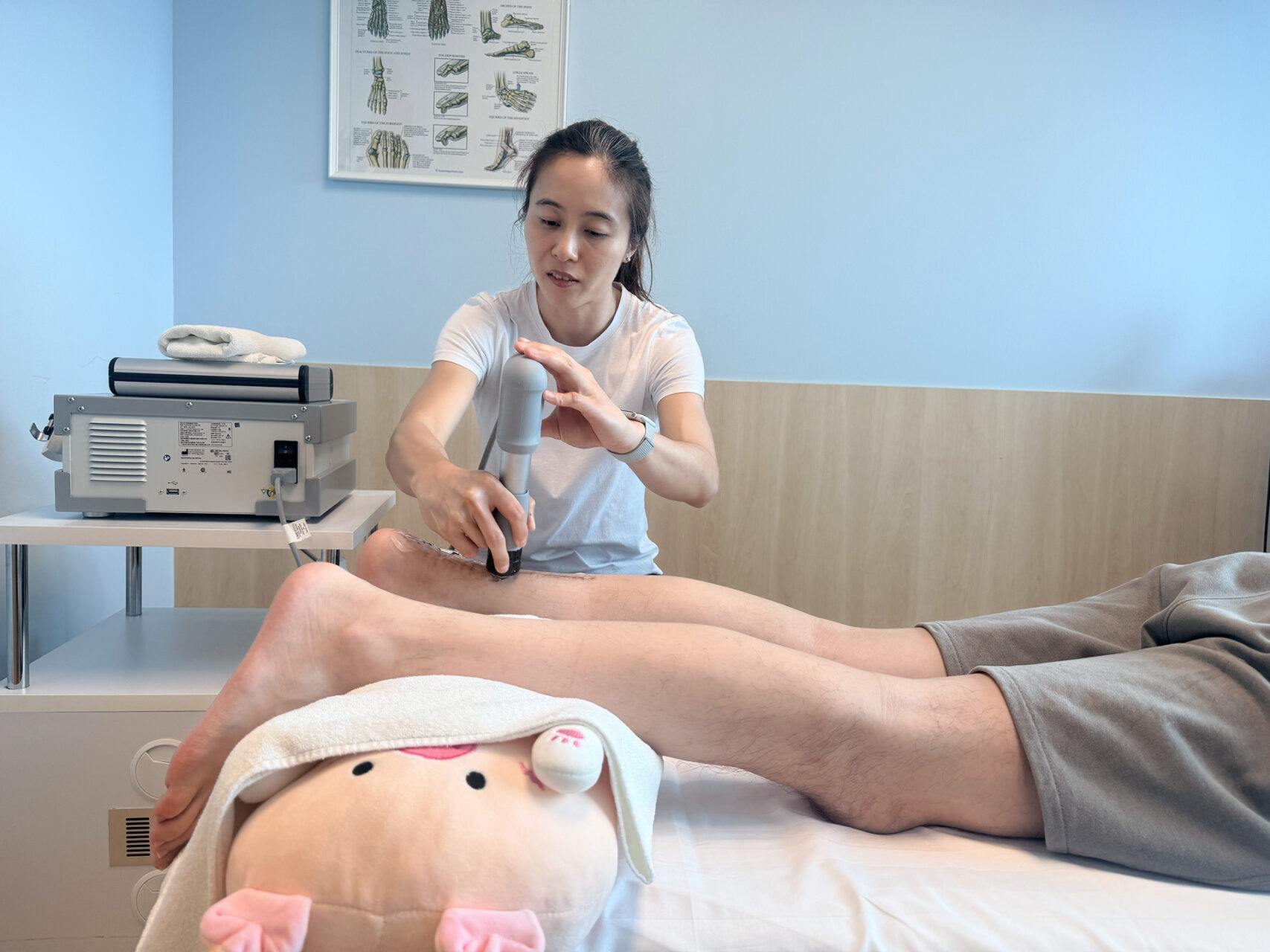
Physiotherapy helps restore subtalar joint mobility, improve ankle stability, and rebuild balance and proprioception that often decline after repeated sprains. Since sinus tarsi syndrome frequently develops alongside ankle instability after the foot has been braced, taped, or underused during recovery from a sprain, the ankle often needs guided mobility work in addition to strength and control training. Joint mobilization, especially through pronation and supination ranges that are pain-free, can help restore normal movement patterns.
The hallmark of rehab is progressive stability work. That may include proprioceptive training, balance training, single-leg control, calf strengthening, intrinsic footwork, resistance exercises for the lower-extremity muscles that support the ankle, and retraining walking or return-to-running mechanics when needed.
At-home exercises matter here because ankle health improves through repetition. A physical therapist can identify the problem and guide the treatment plan, but recovery usually depends on how the foot and ankle behave between sessions. The exact mix depends on the irritability, instability, and whether the condition follows a recent sprain or a longer-standing overuse pattern.
Orthoses and Footwear
Orthoses or supportive footwear may also be used to reduce excess pronation and take extra pressure off the subtalar joint while strength catches up. That is why orthotics are usually part of the answer to the question, “How do you treat sinus tarsi syndrome in a lasting way?” You do not just settle the pain. You also improve how the foot and ankle manage load through methods such as orthoses or supportive footwear.
Sinus Tarsi Syndrome Taping
Sinus tarsi syndrome taping can help by giving the ankle and subtalar joint extra support while irritated tissues settle. Taping is not a cure on its own, but it can reduce the sense of giving way, improve comfort during walking, and make it easier to move without repeatedly aggravating the sinus tarsi area. Some patients do better with tape, while others prefer a brace, especially if they need more consistent support.
The important point is that support should buy the ankle time, not replace rehabilitation. If taping makes the ankle feel steadier, but strength, control and loading tolerance do not improve, symptoms often return when the tape comes off. That is why sinus tarsi syndrome taping is best used as part of a larger treatment plan that also addresses joint mobility, balance, strength, and the underlying trigger, rather than as the sole method for easing symptoms.
NAIDs, Injections and Surgery
If symptoms are more persistent or the sinus tarsi area is markedly inflamed, treatment with a corticosteroid injection into the sinus tarsi or subtalar region may be considered, sometimes alongside a local anaesthetic. The aim is to reduce inflammation enough to make walking and rehabilitation more tolerable.
Surgical intervention is uncommon and usually reserved for cases that do not improve with conservative treatment, especially when scar tissue, ligament injury, or persistent subtalar instability is contributing to the problem. Arthroscopic or open treatment procedures may be used to address these issues in selected cases, and referral to a foot and ankle surgeon may be appropriate.
How Long Does It Take To Heal, and Can Sinus Tarsi Syndrome Come Back?
Sinus tarsi syndrome can improve within a few weeks, but some cases take a few months, especially if instability, foot mechanics, or repeated sprains are still driving the problem, and it is left unchecked. When the condition follows an ankle sprain, sinus tarsi symptoms often improve as the sprain heals, but not always at the same pace. Recovery tends to be slower when the sinus tarsi area has remained irritated for a long time or when people continue to work or train through pain on an unstable ankle.
It can also become chronic if treatment is delayed or if the ankle keeps getting re-injured. That is why prevention and early intervention matter. Supportive footwear, a gradual return to sport, balance training, and proper rehab after an ankle sprain can support full recovery and reduce the chance of recurrence. If the foot is prone to overpronation, orthotics or targeted strengthening may be part of the longer-term treatment plan. The goal is not only to settle the current flare-up. It is to make the foot and ankle less likely to repeat the same pattern and contribute to long-term stability.
How HelloPhysio Can Help
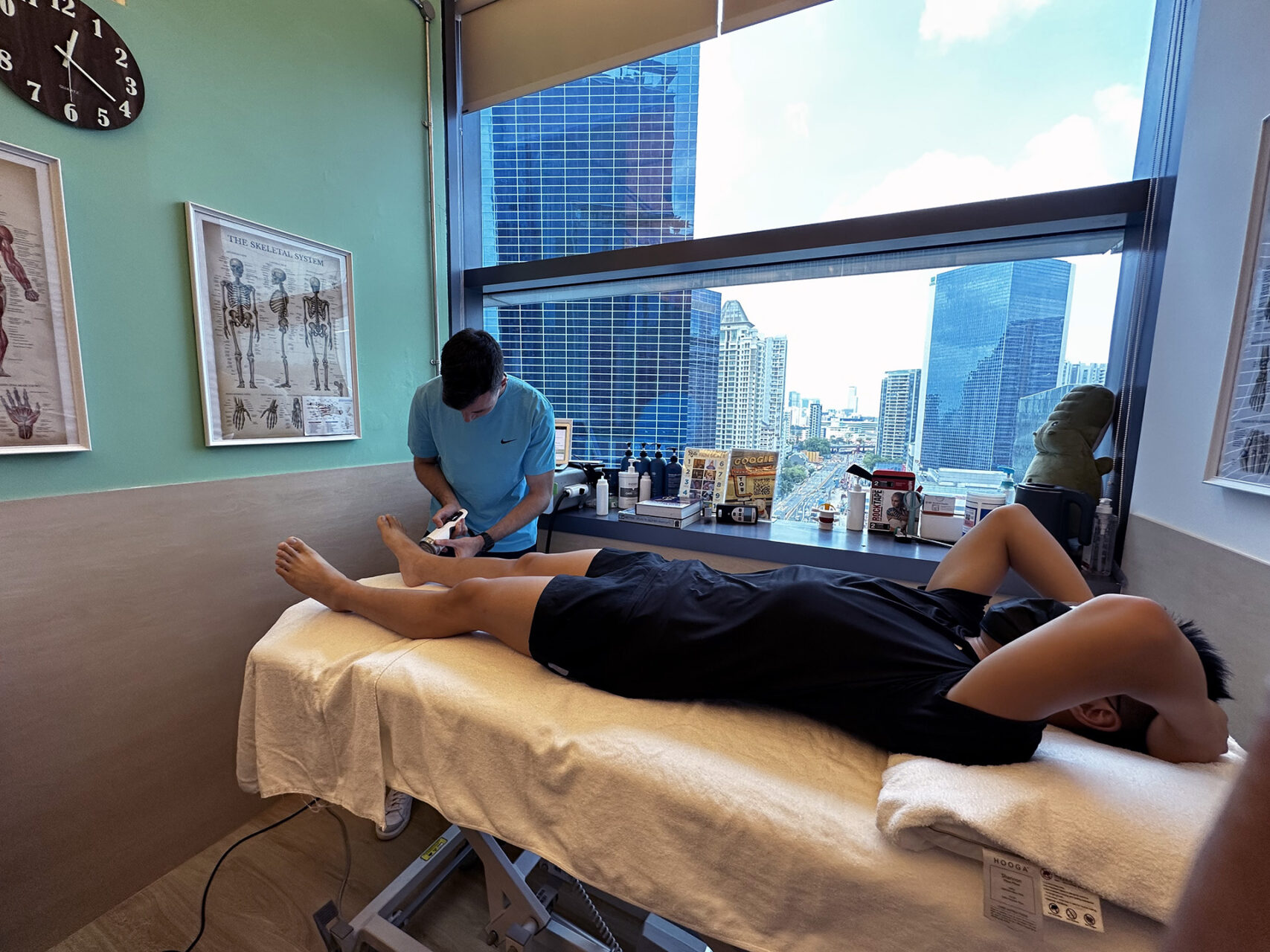
If pain on the outer aspect of your ankle has not gone away after a sprain, or if your ankle still feels unstable on uneven ground, HelloPhysio can help. A clear assessment by a physiotherapist can identify whether sinus tarsi syndrome is contributing to your symptoms, what is keeping the area irritated, and how to rebuild confidence in the ankle. With the right sinus tarsi syndrome physiotherapy treatment plan, most patients can reduce their pain, inflammation and swelling, restore stability, and get back to walking, training, and daily life with much less uncertainty.
If you think you have sinus tarsi syndrome, call HelloPhysio today to receive tailored, careful attention that will get you back on the path to recovery.