
What Is a Fibula Fracture?
A fractured fibula can happen after a direct blow, a twisting injury, a fall, or repeated overuse. Fibula fractures can vary widely and need not result from a dramatic injury. A small crack from repetitive loading, known as a fibula stress fracture, can affect active people, especially runners and athletes who increase their training too quickly.
The fibula runs along the outside of the leg from just below the knee to the ankle. It plays an important role in ankle stability. A fibula bone fracture is a break in the smaller of the two bones in the lower leg and can range from a relatively straightforward shaft injury to a more complex ankle-related injury that affects how the joint lines up and moves. Isolated breaks do happen, but many fibula fractures occur with other injuries around the leg or ankle.

Types of Fibula Fractures
The types of fibula fractures depend on where the bone breaks, how the break looks, and whether the ankle joint is involved. Common points of differentiation that affect treatment include:
- Where is the break: Is it high up near the knee (proximal), in the middle (shaft), or low down near the ankle (distal)?
- How does the break look: Does the break go straight across (transverse), at an angle (oblique), twist around the bone (spiral), shatter into pieces (comminuted or segmental), or just pull a small piece off (avulsion)?
- Is the ankle joint affected in the injury?
The kind of break you have in your fibula is important because it changes how it needs to be treated and how well you will recover.
- Breaks near the ankle (distal fibula fractures): These require close attention because the distal fibula helps stabilise the ankle. Breaks here, especially of the lateral malleolus, are very common. If the break is lower down and affects the ankle joint or its stability, you might need surgery to fix the alignment.
- Breaks in the middle of the bone (fibula shaft): These are often simpler to treat.
- Breaks higher up with ligament damage (proximal fibular fracture with syndesmotic injury, or Maisonneuve pattern): If the ligaments connecting the lower leg bones are also torn, the treatment is much more complex, usually requiring surgery.
Broken Fibula & Fibular Fractures
An orthopedic surgeon or physical therapist can help patients determine the best fibula fracture treatment options. Patients with an injured leg need imaging tests to assess the shin bone, tibia shaft, lower leg bone, tibia plateau, and knee.
An isolated fibula fracture is common in young athletes and people who play contact sports. A sports injury, car accident, or motor vehicle accident involving high-energy trauma can cause open injuries, tibia injuries, and combined tibia-fibula injuries. Patients with high-energy trauma injuries often have tissue damage, ligamentous injury, and knee injuries as well. Risk factors include osteoporosis, previous injuries, and repetitive loading.
Tibia Injuries
Tibia injuries often accompany fibular fractures. The tibia bears most of the weight in the lower leg, and tibia fractures change the treatment plan.
Closed reduction with immobilization may be used when the broken bone fragments can be aligned without surgery. The bone heals over six weeks to eight weeks, and patients often heal faster with physical therapy and constant daily care. With proper care, a full recovery is achievable.
Fibula Fracture Symptoms
Fibula bone fracture symptoms usually include pain, tenderness, bruising and difficulty walking. If the break is more severe, there may be a visible deformity, an unusual bump, or an inability to move the leg normally. Some patients may also have numbness, coldness in the foot, or a difficulty bearing weight on the leg.
Symptoms of a fibula fracture can vary depending on its location:
- A shaft injury may feel most painful along the outer lower leg after a direct hit.
- A fibula fracture ankle injury is more likely to behave like a bad ankle injury, with discomfort around the outer joint after a twist. This is one reason a distal fibular fracture is sometimes mistaken for a sprain in the early stage.
- Tibia and ankle swelling may persist for weeks and deserve proper assessment.
Fibula Fracture Causes
Fibula fracture causes include direct trauma, twisting injuries, sports collisions, falls, motor vehicle accidents, and repetitive overuse. Sports injuries and high-energy traumas are common causes.
Trauma is the main cause of acute fibula breaks. Stress injuries develop when the bone is exposed to repeated loads without enough time to recover, such as with excessive running.
The exact cause of a fibula fracture often gives clues about the kind of injury. A direct blow to the outer leg is more likely to produce an isolated fracture of the shaft. A sharp twisting mechanism can cause an ankle-level fracture or even a proximal fibula injury associated with syndesmotic damage. A fibula stress fracture tends to build gradually in runners, dancers, and active people who suddenly raise their training intensity, volume, and/or frequency. Low bone density, poor nutrition, low vitamin D or calcium levels, and worn footwear also increase the risk of stress fractures.
How Is a Fibula Fracture Diagnosed?
Imaging is the usual first step, but a CT or MRI may be needed when the pattern is complex or when a stress injury is suspected.
Diagnosis should not stop at the fracture line. Stress injuries often do not appear on standard X-rays until healing has begun, and an MRI is considered the best test when suspicion of a stress fracture remains high. The knee and ankle will both be examined when a fracture is suspected, because an apparently isolated break may hide ligament injury, ankle instability, or a Maisonneuve pattern, which refers to a combination of a proximal fibula fracture and an unstable ankle injury.
Fibula Fracture Treatment
Fibula fracture treatment depends on where the bone is broken, whether the ankle is stable, and whether the fragments are displaced. Most isolated shaft fractures can be managed nonoperatively, often with weight-bearing and gradual weight loading as tolerated, and sometimes with a walking boot for comfort. Some broken fibulas can be treated with a splint, cast, or boot, with follow-up imaging to check on the healing process.
Fibula fracture treatments become more complex when the break is near the ankle, is displaced, is open, or involves joint instability. Stable minimally displaced distal injuries may still do well without surgery, but unstable distal injuries more often than not need fixation to restore alignment. A fibula fracture surgery plan usually involves reducing the break and securing it with plates and screws.

Physiotherapy after a Fractured Fibula
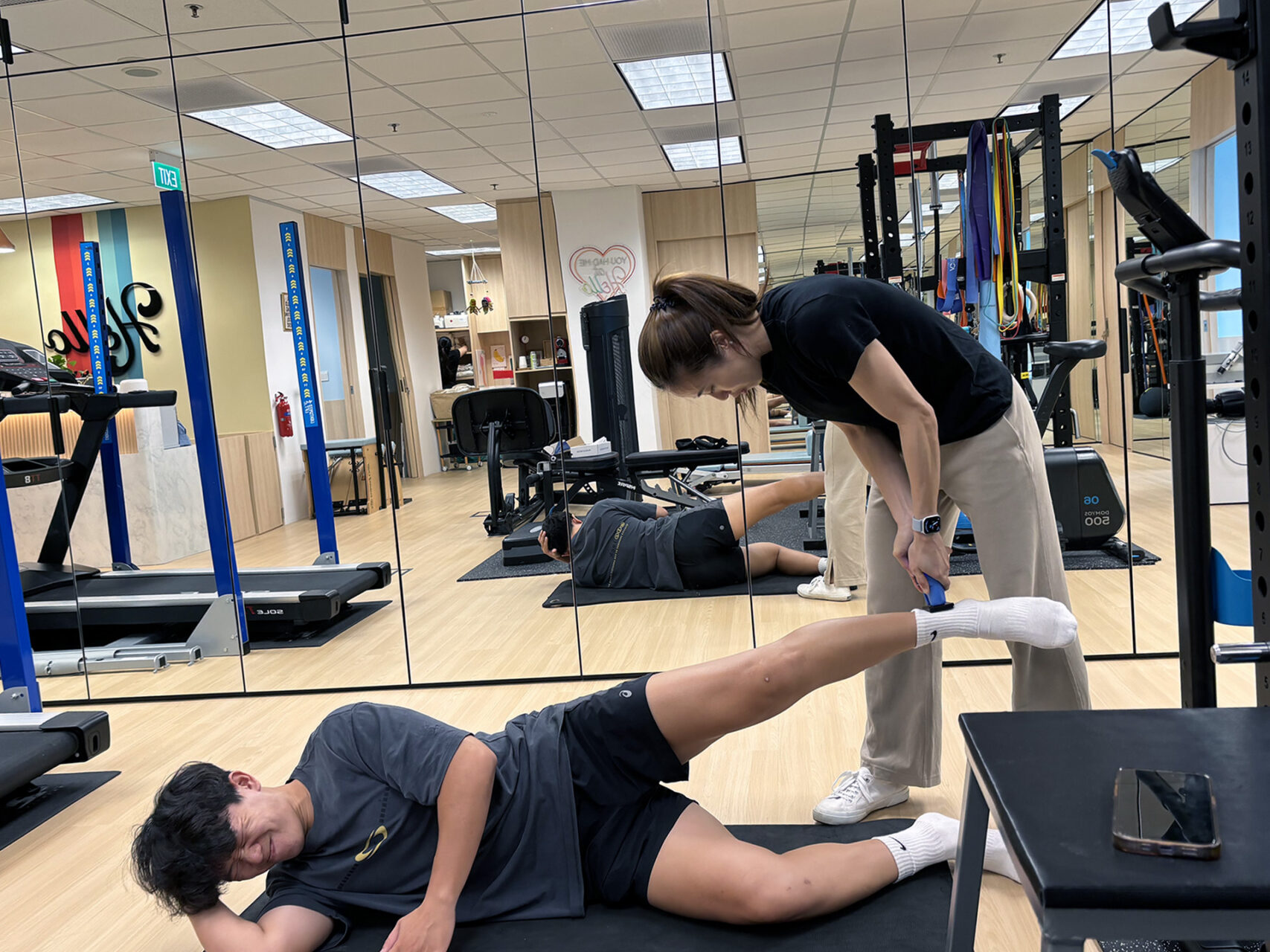
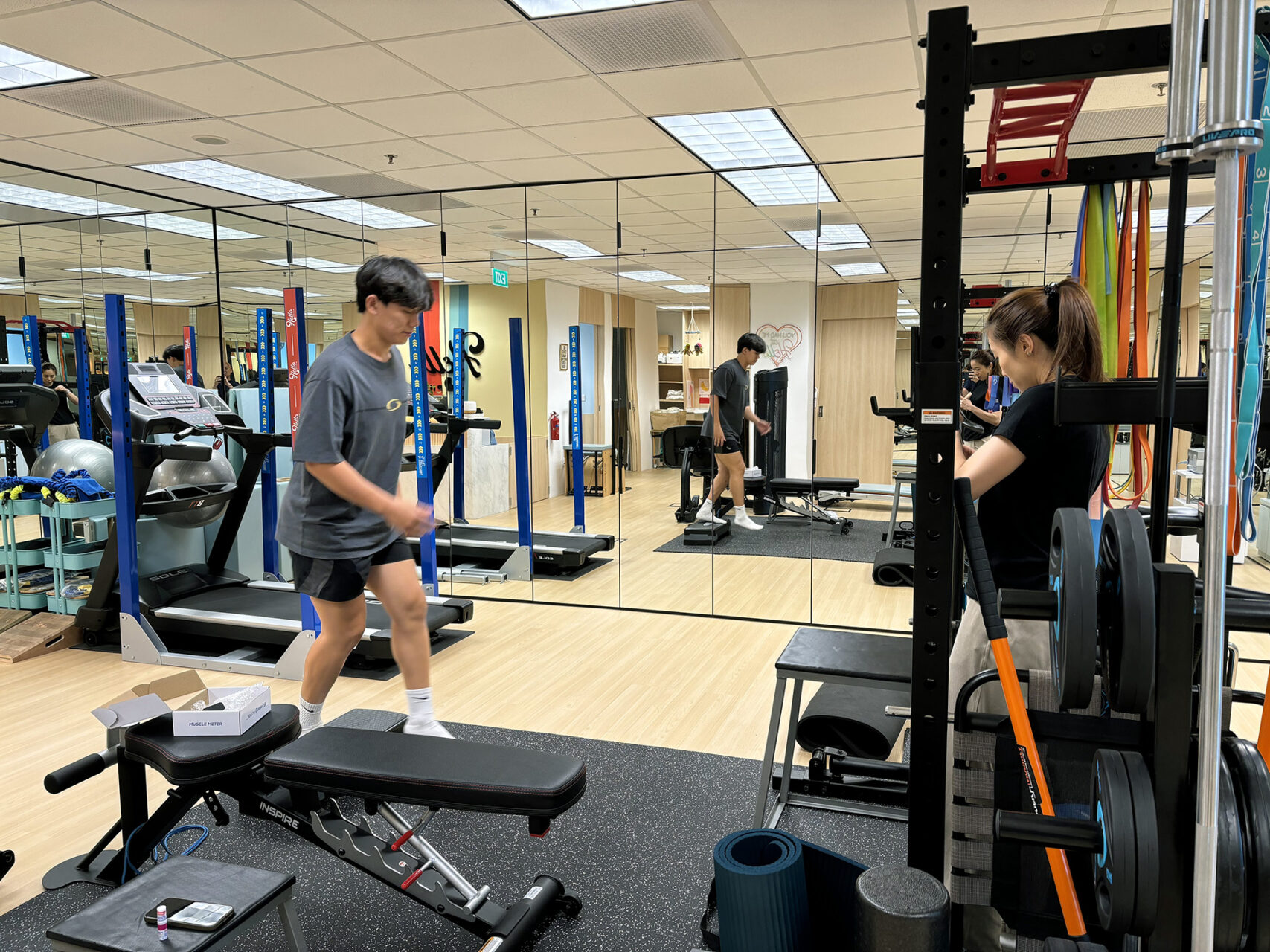
Physiotherapy after a fractured fibula helps restore range of motion, strength, gait, and confidence once the bone is stable enough to bear weight. After several weeks in a cast, splint or boot, many patients experience ankle stiffness, calf weakness, lower-leg muscle stiffness, and reduced balance. That is why rehab usually begins with mobility and strengthening, before progressing to walking, stepping, and balance training.
A good rehab plan is practical and progressive. Early prescribed at-home exercises may include ankle pumps, gentle ankle circles, toe mobility, and isometric work, if allowed. Later stages often add calf raises, step work, single-leg balance, and return-to-running drills when appropriate.
The best foot and ankle physiotherapy in Singapore is evidence-based care that includes biomechanical and gait assessments, surgeon-directed rehabilitation, joint and soft-tissue techniques, therapeutic exercises, and advice on activity precautions.
Adjunct Modalities
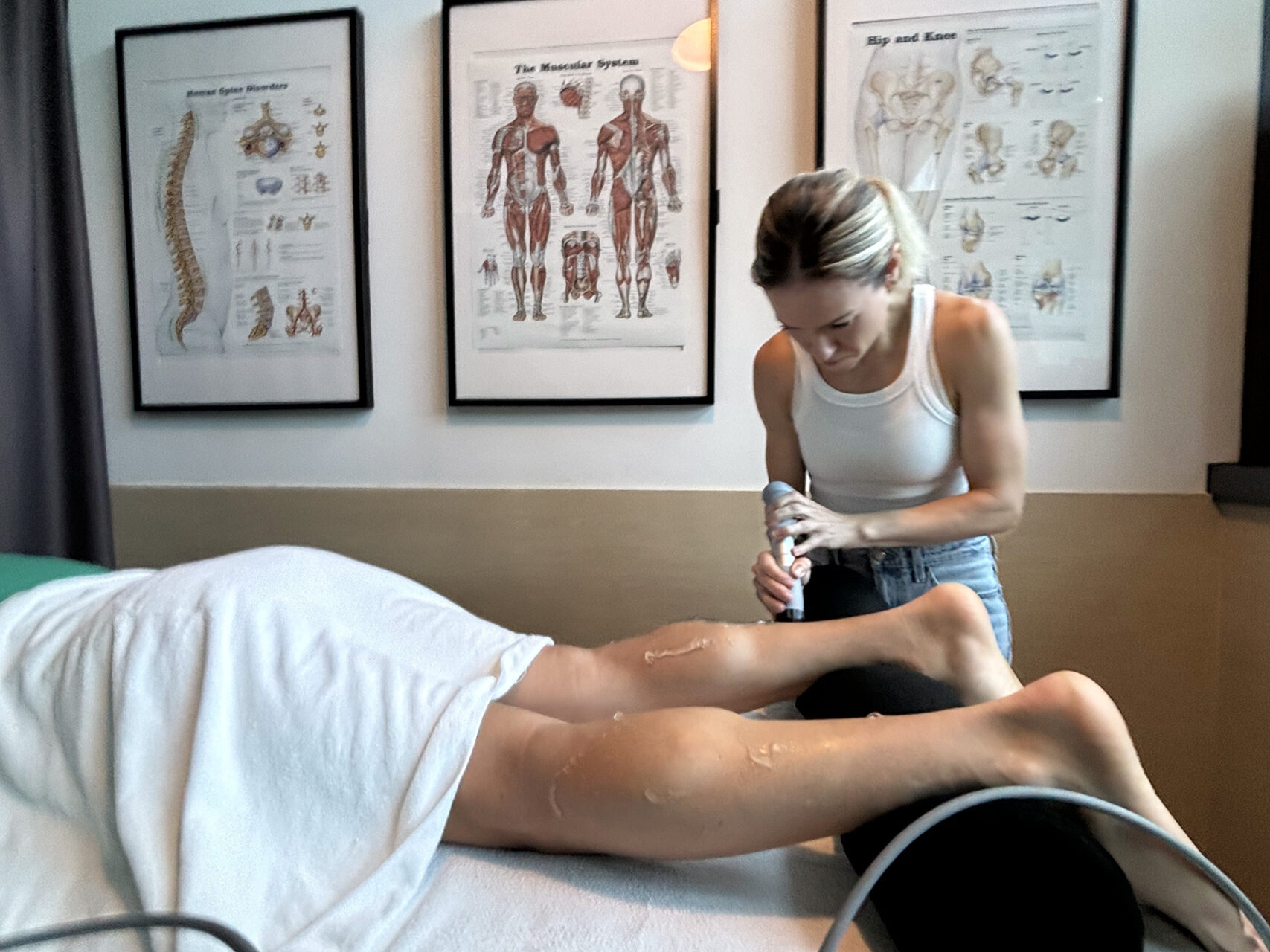
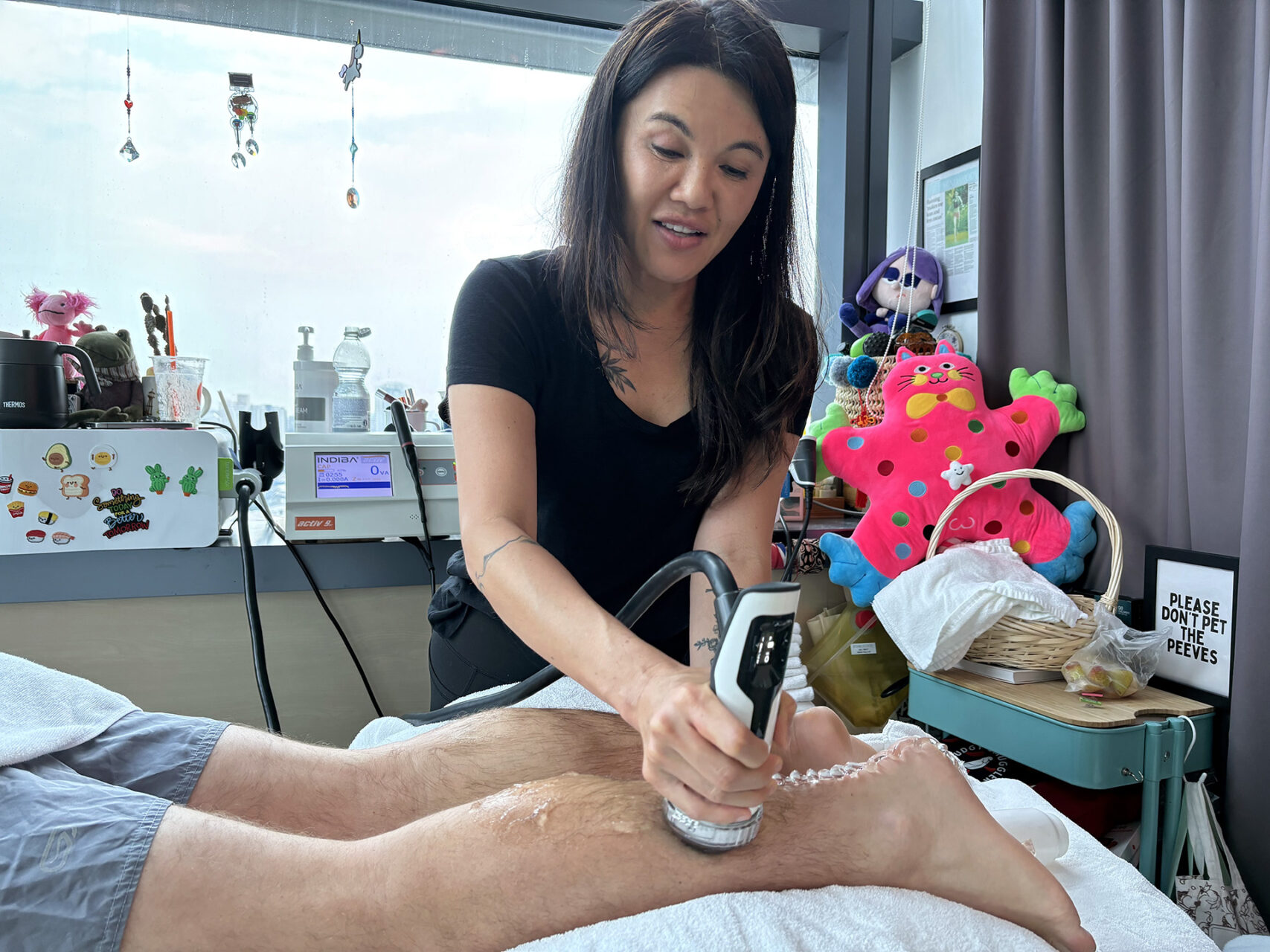
Adjunctive treatments can sometimes support rehab, but they do not replace good fracture management. Once the bone is medically stable, some clinics may use INDIBA® as part of physiotherapy to support pain reduction, tissue recovery, and mobility in musculoskeletal injuries. Dry Needling may also help if calf or peroneal muscle guarding is limiting movement during the later-stage rehab. Shockwave Therapy is not routine for an acute break, but it is used for certain bone problems, such as delayed bone healing, nonunion, and stress fractures.
Fibula Fracture Surgery and Recovery
Fibula fracture surgery is more likely when the fracture affects ankle stability, is significantly displaced, is an open fracture, or fails conservative care. The aim is to restore the bone’s position and protect the ankle joint from chronic instability or later arthritis. Distal fibular fractures often need internal fixation to restore the ankle mortise, while symptomatic nonunion may also require surgical correction.
Fibula fracture recovery is usually measured in weeks, but the timeline depends on the pattern of injury and whether surgery is required. Most fibula fractures heal in about six to eight weeks, with a similar window for isolated shaft fractures in people without major complicating factors. The practical fibula fracture recovery time can be longer for ankle-level injuries, combined tibia-fibula injuries, open fracture cases, smokers, and those recovering after surgery.
Preventing Recurrence
Preventing another fibular fracture requires managing both healing and loading. Gradual training progress, adequate recovery, supportive footwear, and attention to bone health all matter. For athletes, the biggest mistake is often returning to impact work before the leg has rebuilt strength, control, and tolerance.
How HelloPhysio Can Help
If you have symptoms of a fibular fracture or ankle pain, a recent broken fibula, or are experiencing a slow recovery after time in a boot or after surgery, contact HelloPhysio. We can help you understand your injury, guide your rehab, and build a plan that supports a safe, steady return to daily life and sport for you.