

Spinal stenosis is the narrowing of the spinal canal or the openings where spinal nerves leave the spine. This narrowing most often affects the lower back or neck, though some people have no symptoms. However, if the narrowing compresses a nerve, it can cause back or neck pain, numbness, tingling, weakness, and problems with walking or balance.
Treatment options depend on where the narrowing is, the symptoms it causes and whether nerve function is changing. Many people begin with physiotherapy, prescribed exercises, and medical pain management. Doctors may consider surgery for severe or progressive symptoms from spinal stenosis.
What Is Spinal Stenosis?
The spinal canal is the tunnel formed by the bones of the spinal column. It contains the spinal cord in the neck and upper back. In the lower back, the lumbar vertebrae form the lumbar spine, which contains a bundle of nerve roots that continues below the end of the spinal cord.
Spinal canal stenosis develops when this tunnel or a nerve-exit opening becomes smaller. Importantly, spinal canal narrowing alone does not always cause a problem. Many people have stenosis on an X-ray, CT scan or MRI without pain or neurological symptoms. Treatment is based on the symptoms and examination findings, not the scan alone.
Spinal stenosis may be:
- Acquired: This is the more common type. Risk factors include age-related changes in discs, joints, ligaments and bones. It usually develops after age 50.
- Congenital or developmental: A person is born with a small spinal canal. Congenital causes account for about 9% of cases, according to a commonly cited estimate.
Lumbar and Cervical Spinal Stenosis
The two most common types are lumbar spinal stenosis and cervical spinal stenosis.
| Type | Area affected | Common symptom pattern |
| Lumbar spinal stenosis | Lower back | Pain, aching, cramping, heaviness, tingling, numbness or weakness in the buttocks or legs, often brought on by standing or walking |
| Cervical spinal stenosis | Neck | Pain, tingling, numbness or weakness in the neck, arms or hands. Spinal cord compression may also affect hand control, balance and walking |
Thoracic stenosis affects the middle back and is less common.
Spinal Stenosis Symptoms
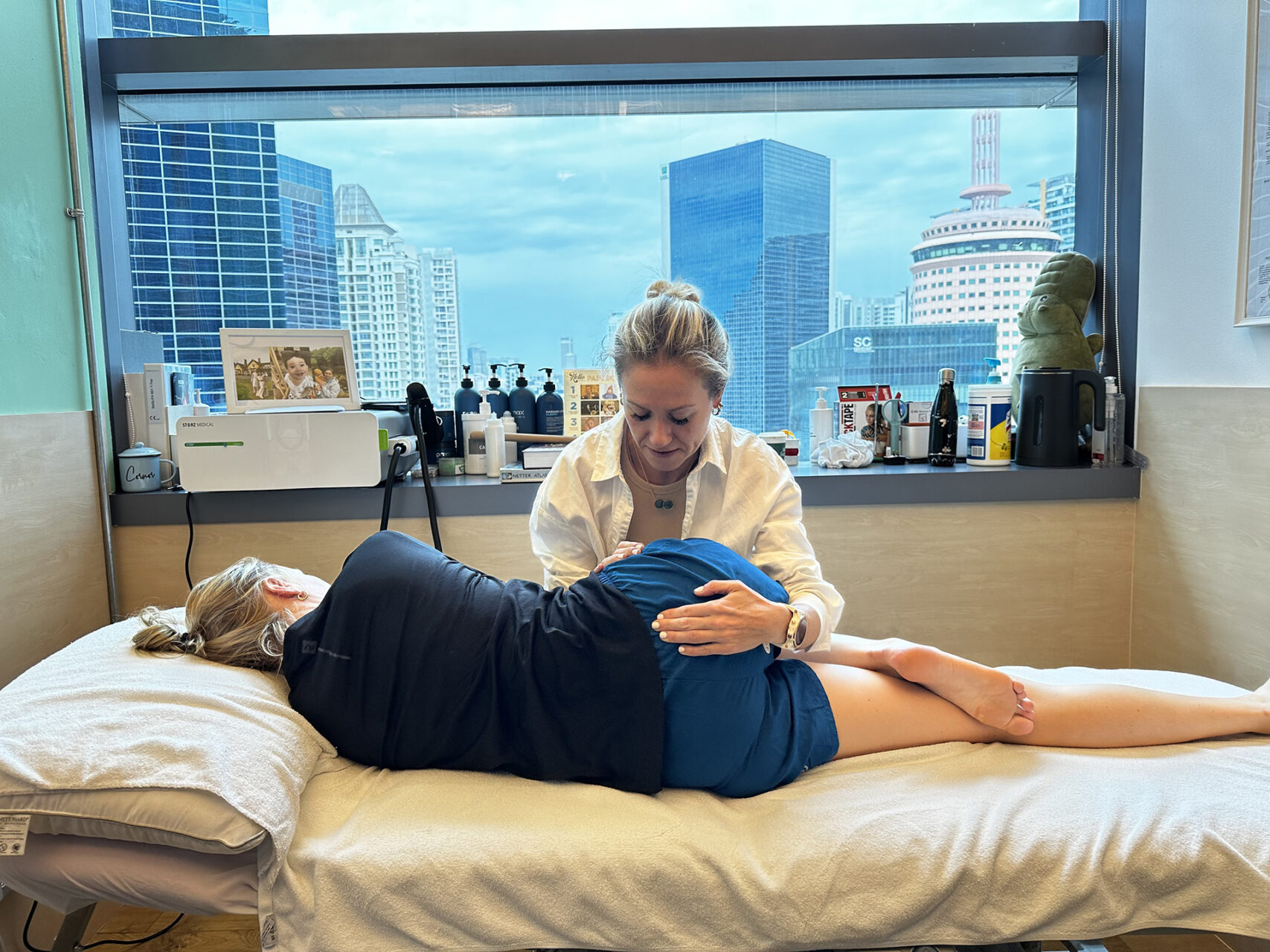
Spinal stenosis symptoms depend on the location and severity of the narrowing. Spinal stenosis symptoms often develop gradually and may vary from day to day. For many, spinal stenosis and walking problems are connected, though those kinds of problems can vary from person to person.
Lumbar spinal stenosis symptoms
Symptoms of spinal stenosis in the lumbar spine can include:
- Lower back pain, which may feel like a dull ache
- Aching, burning or cramping in one or both buttocks or legs
- A heavy or tired feeling in the legs
- Tingling or numbness in the legs or feet
- Leg or foot weakness
- Reduced walking or standing tolerance
Bending forward can temporarily increase the space available for the lumbar nerves. This is why some people can cycle or walk while leaning on a shopping trolley more comfortably than they can walk upright.
Spinal stenosis can also cause sciatica when it irritates a lumbar nerve root. However, not all patients with spinal stenosis will experience symptoms.
Cervical spinal stenosis symptoms
Symptoms of spinal stenosis in the cervical spine can include:
- Neck pain or stiffness
- Tingling or numbness in an arm or hand
- Muscle weakness in an arm or hand, including grip weakness
- Hand clumsiness, such as difficulty with buttons or handwriting
- Unsteady walking or reduced balance
- Leg stiffness or weakness if the spinal cord is affected
Compression of the spinal cord in the cervical spine is called cervical myelopathy. It needs prompt medical assessment because neurological function can deteriorate.
When to Seek Medical Care
Arrange prompt medical assessment for new or worsening limb weakness, foot drop, hand clumsiness, loss of balance or a marked reduction in walking ability.
Seek emergency medical care for:
- New loss of bladder or bowel control
- Difficulty starting urination or an inability to pass urine
- New numbness around the genitals, buttocks or inner thighs
- Rapidly increasing weakness in one or both legs
- Severe symptoms after a significant fall or other trauma that may cause spinal injuries
These signs may indicate severe compression of the spinal cord or the cauda equina nerves and require immediate medical attention.
What Causes Spinal Stenosis?
The causes of spinal stenosis most often involve age-related spinal degeneration. Changes can occur together due to:
- Arthritis and bone spurs: Degenerative arthritis can affect the facet joints. The body may form extra bone that projects into the spinal canal or a nerve-exit opening.
- Thickened ligaments: Ligaments that support the spine can stiffen and thicken over time, reducing the space available for nerves.
- Disc changes and herniated discs: Discs lose water and height with age. A bulging or herniated disc can encroach on the spinal canal or neural foramen and press on a nerve root.
- Vertebral slippage: Spondylolisthesis can narrow the canal when one vertebra moves relative to another.
- Congenital anatomy: Some people are born with a small spinal canal. Roughly 9% of spinal stenosis cases are due to a congenital birth defect.
- Less common causes: Fractures, tumors, inflammatory disease, certain bone diseases, or changes after spinal surgery can reduce available space.
Lumbar spondylosis describes age-related changes in the lumbar spine. It is a form of degenerative spondylosis. Degenerative disc disease describes changes in the spinal discs. Either can contribute to stenosis, but these terms are not interchangeable.
How Spinal Stenosis Is Diagnosed
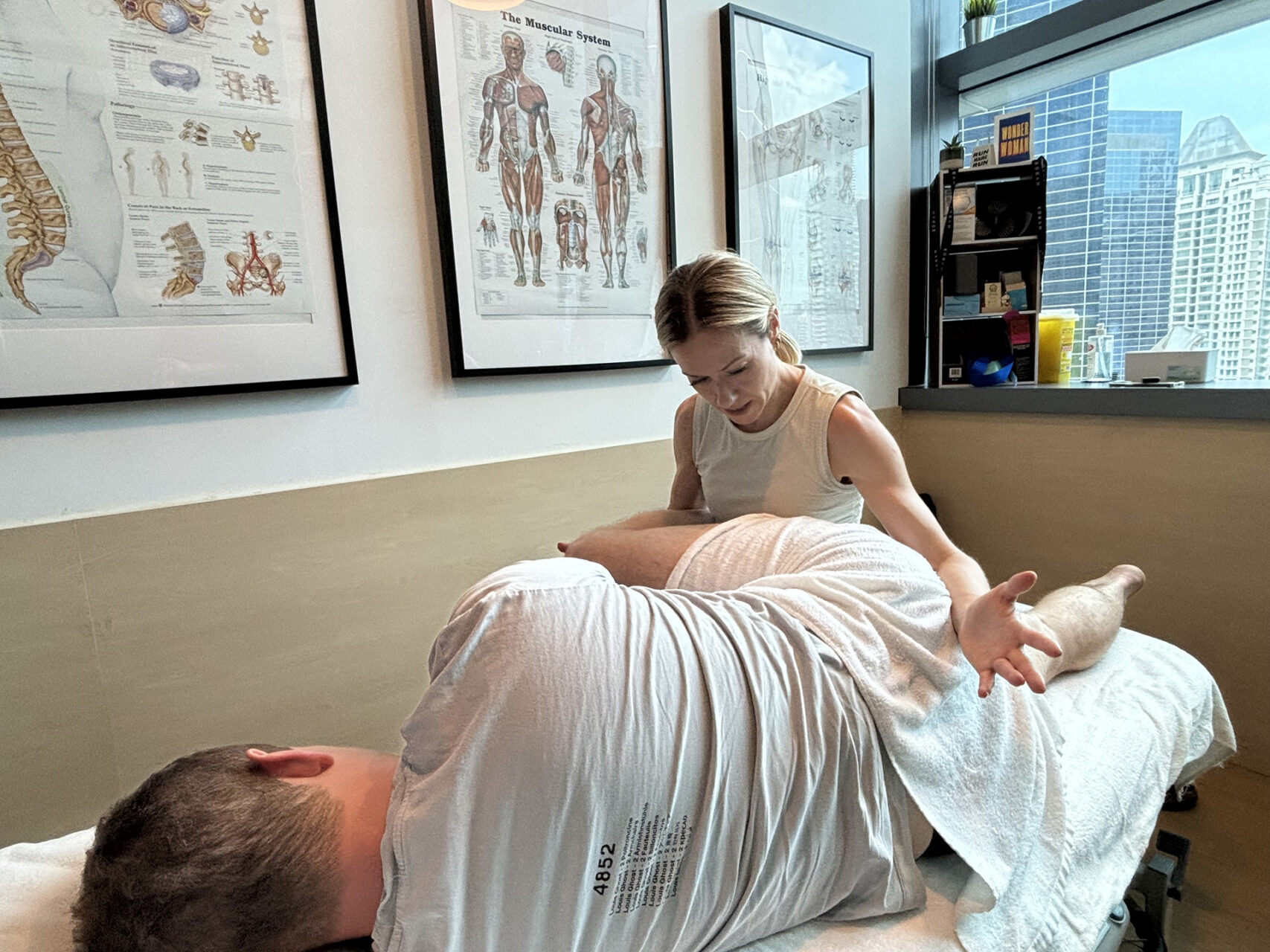
Diagnosing spinal stenosis starts with a medical history and physical examination. A clinician may assess:
- Walking and balance
- Spinal and hip movement
- Muscle strength
- Sensation and reflexes
- Hand control if cervical stenosis is suspected
- The response to standing, walking, sitting and bending
Imaging tests may be recommended when symptoms are persistent, severe or worsening, or when an injection or surgery is being considered. X-rays show bone and alignment, providing a clearer picture. Magnetic resonance imaging (MRI) shows discs, ligaments, the spinal cord and spinal nerves. Computed tomography (CT) provides detailed images of bone.
Scan findings must match the clinical picture. Leg pain during walking can also come from reduced blood flow in the legs, hip disease, peripheral nerve problems or other conditions. A medical assessment helps distinguish these causes.
Spinal Stenosis Treatment
Initial treatment for spinal stenosis usually uses nonsurgical treatment options and conservative measures, such as activity changes and losing weight when appropriate, if there is no severe or progressive neurological deficit. Treatment depends on your symptoms, activity limits, and changes in nerve function. The aim is to reduce pain and other symptoms, maintain activity and improve strength, balance and walking capacity. Nonsurgical treatment does not reverse the anatomical narrowing, but it will help manage the symptoms.
Physiotherapy for spinal stenosis
Physiotherapy includes assessing which positions and activities bring on or ease symptoms, how far you can walk, and whether weakness, stiffness, or balance loss limits function. Physiotherapists then match treatment to the affected region and your goals.
Prescribed exercises
Spinal stenosis exercises may include:
- Comfortable spinal and hip mobility exercises
- Strengthening the core muscles and hips
- Leg strengthening
- Balance exercises
- Stationary cycling or another tolerated form of aerobic exercise
- Short walking intervals with planned rests
- Nerve mobility exercises when appropriate
For lumbar spinal stenosis, exercises in a slightly flexed position are better tolerated in most patients. These exercises are not suitable for everyone, and cervical stenosis requires a different assessment. Speak to your physiotherapist if any of the prescribed exercises cause spreading numbness, increasing weakness, or a sustained flare.
Manual Therapy
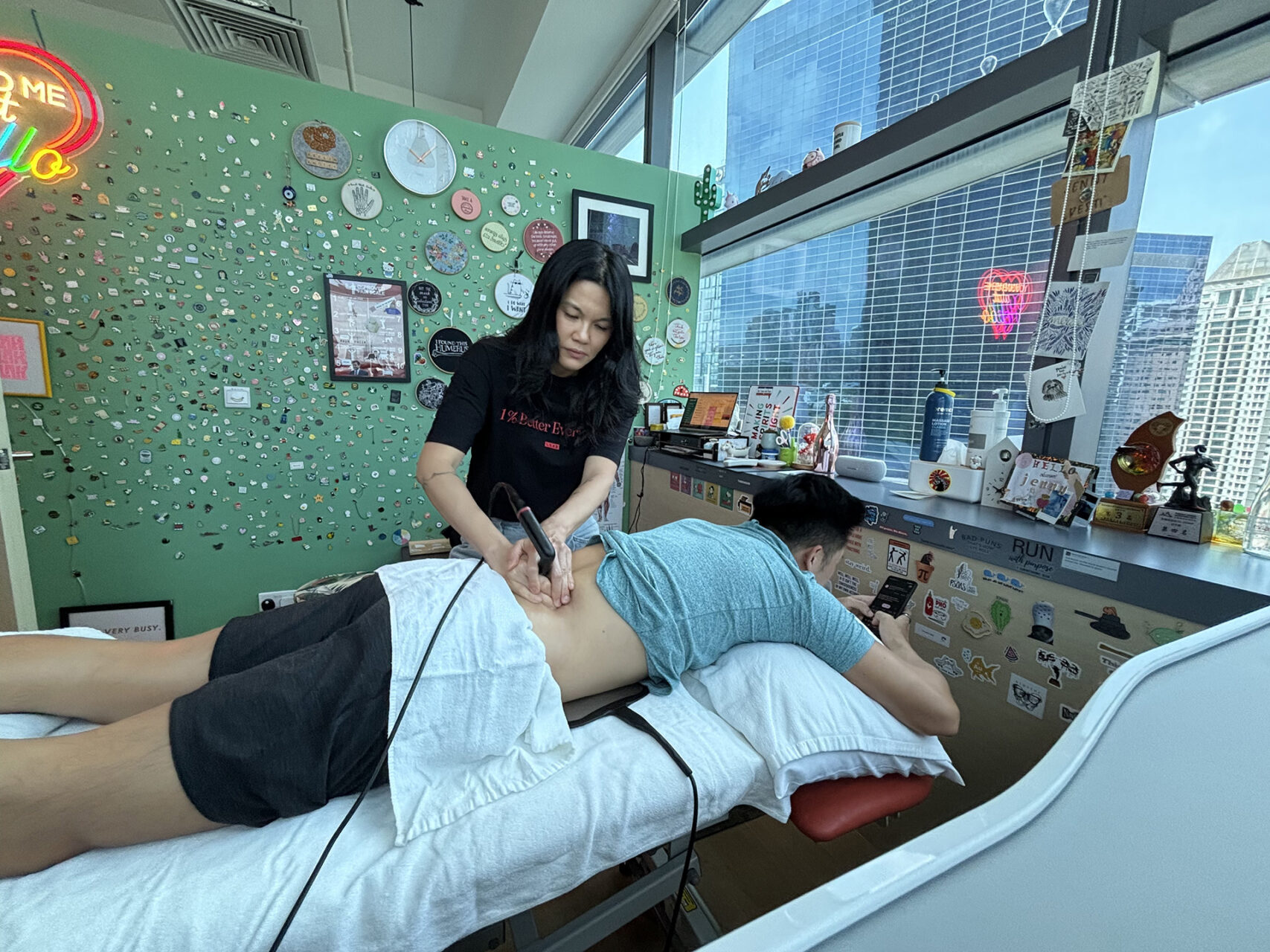
Manual Therapy may be used with exercise to address joint stiffness, hip mobility and muscle guarding. Research supports Manual Therapy combined with individualised exercise for short-term improvements in symptoms, physical function and walking capacity in lumbar spinal stenosis. It does not widen the spinal canal and should not replace active rehabilitation, such as at-home exercises.
Clinical Pilates and supported walking
Clinical Pilates can provide a supervised way to build trunk and hip strength, movement control and balance. Select exercises for the individual rather than using a generic routine.
If full-weight walking quickly brings on symptoms, a body-weight support system such as LightSpeed Lift may be used in selected cases to practise gait at a lower load. This is a rehabilitation tool, not a treatment for the narrowing itself.
Medication and injections
A doctor may recommend pain medicines, such as a short course of nonsteroidal anti-inflammatory drugs (NSAIDs), to reduce inflammation and relieve pain. Doctors may also consider muscle relaxants when muscle spasm contributes to pain. These medicines are not suitable for everyone, particularly people with certain kidney, heart, stomach, bleeding or medication-related risks. Be clear with your doctor about your medications before taking any killers.
Epidural steroid injections or a nerve-root injection may be considered for radiating nerve pain. They may provide temporary pain relief for some people. Corticosteroid injections do not enlarge the spinal canal, and studies have found limited additional benefit from steroid over local anaesthetic alone in lumbar spinal stenosis. Your doctor will discuss the likely benefits and risks.
Surgery
In severe cases, surgery for spinal stenosis is considered when pain, weakness, or walking difficulty causes substantial disability despite appropriate nonsurgical care. Surgical intervention may be recommended sooner for progressive neurological impairment, cervical myelopathy, or cauda equina syndrome.
Decompression surgery creates more space to relieve pressure on the spinal cord or nerves. Minimally invasive surgery, a type of spine surgery, may be an option in selected cases. Depending on the location and anatomy, procedures may include:
- Laminectomy, which removes the entire lamina at the back of a vertebra
- Laminotomy, which removes part of the lamina
- Foraminotomy, which enlarges an opening where nerve roots exit the spinal column
Spinal fusion surgery may be added if instability or vertebral slippage also needs treatment. A spine surgeon determines whether decompression or spinal fusion is appropriate and explains the potential benefits, limitations and risks. A physiotherapist can help with long-term recovery plans after surgery.
Is Walking Good for Spinal Stenosis?
Walking and other regular activities can help keep your spine healthy and maintain mobility and fitness, but you may need to reduce the intensity. Start with a distance or duration that does not cause a marked increase in leg symptoms. Use short intervals, rest before symptoms become severe and increase gradually.
A walking aid may improve stability. Some people with lumbar stenosis also find that a walker reduces symptoms by allowing a slightly flexed posture. Cycling or pool exercise may be better tolerated when upright walking is limited, as these are lower impact exercises.
Spinal Stenosis Treatment in Singapore
HelloPhysio provides assessment and physiotherapy for spinal stenosis in Singapore. Care may include prescribed exercises, walking progression, balance training, Clinical Pilates and Manual Therapy when appropriate. If the assessment identifies progressive neurological signs or another medical concern, your physiotherapist will recommend medical or specialist review. Whether you are looking for cervical stenosis or lumbar spinal stenosis treatment, HelloPhysio has options available for you.
If spinal stenosis symptoms limit walking, work, or daily activity, book an assessment with HelloPhysio at either our Orchard or Raffles Hotel Arcade clinic.
Frequently Asked Questions
Can spinal stenosis be treated without surgery?
Yes. Nonsurgical treatment for spinal stenosis can include physiotherapy, prescribed exercise, activity changes and medication to reduce pain when appropriate. A doctor may consider an injection for selected nerve pain. Surgery is usually reserved for substantial persistent disability or progressive neurological symptoms.
What are the early signs of spinal stenosis?
Early signs may include aching, tingling, numbness, heaviness or cramping in the legs during standing or walking. Cervical stenosis may begin with arm or hand symptoms, reduced grip or hand clumsiness.
What exercises are best for spinal stenosis?
The best exercise treatment for spinal stenosis depends on the location of the stenosis, the symptom pattern, and other health conditions. Lumbar programmes often use tolerated flexion-based movement, trunk and hip strengthening, cycling and interval walking. Balance and leg strengthening may also be needed. Cervical symptoms require an individual assessment before exercise selection.
Can an MRI show spinal stenosis without symptoms?
Yes. A narrowed spinal canal can appear on a scan in someone who has no symptoms. A diagnosis that requires treatment depends on whether the history, examination and imaging findings fit together.
Does spinal stenosis always get worse?
No. Symptoms may remain stable, improve or fluctuate. Seek medical review if walking ability declines or numbness, weakness, balance or bladder or bowel function changes.