
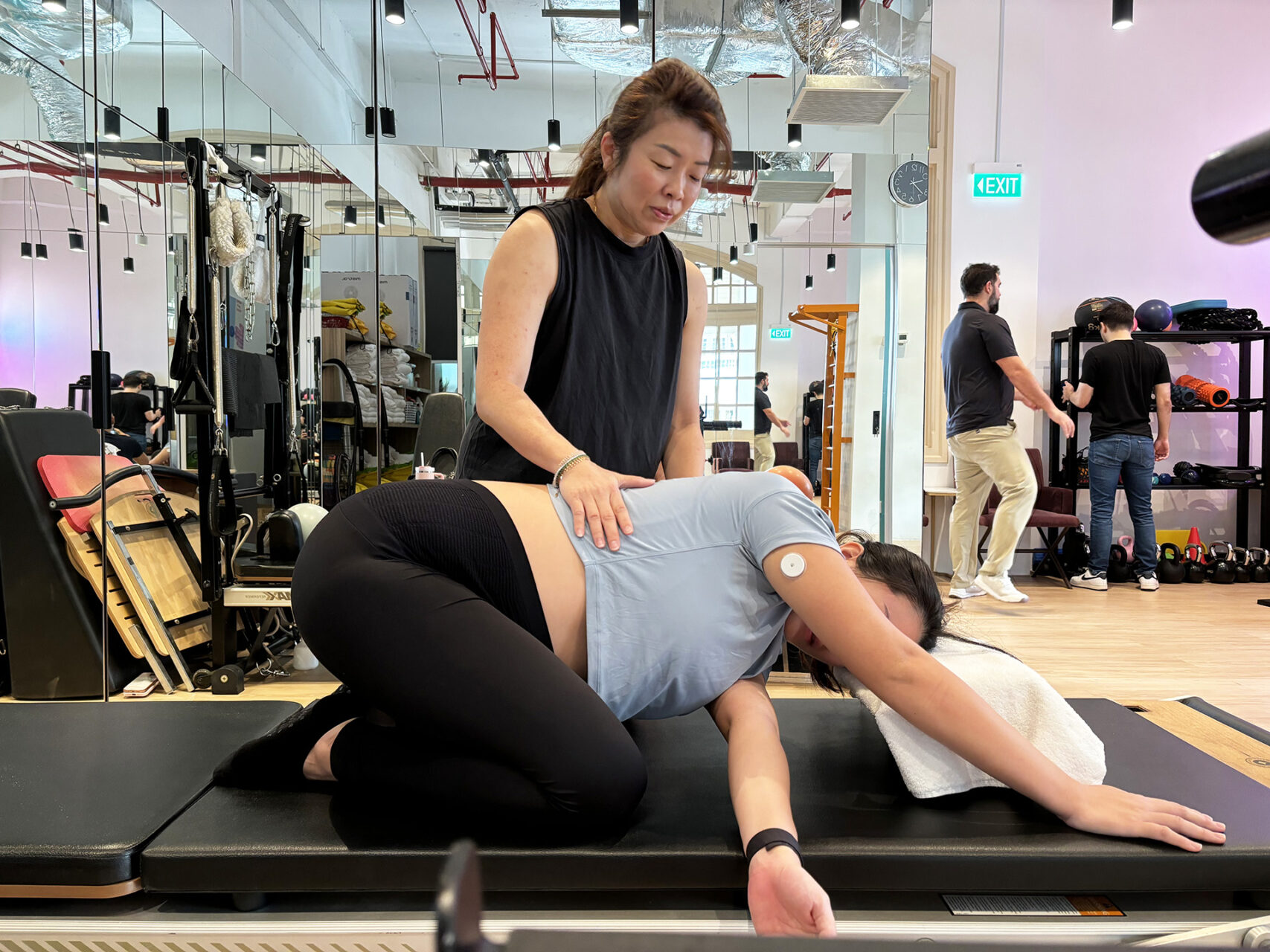
Many pregnant women experience lower back pain or pelvic pain during pregnancy, but fewer women experience sciatica caused by nerve compression. Sciatic nerve pain during pregnancy travels from the lower back or buttock into the leg. This nerve pain may feel sharp, burning or electric. Pregnancy sciatica nerve pain may also cause tingling, numbness or weakness, which can be alarming.
An assessment can help distinguish sciatic nerve pain from pelvic girdle pain, sacroiliac joint pain and muscular pain.
What Is Sciatica during Pregnancy?
The sciatic nerve forms from nerve roots in the lower spinal canal, below the end of the spinal cord. Sciatic nerve pain usually begins when one of these roots becomes irritated or compressed, which can happen during pregnancy.
Sciatica symptoms in pregnancy generally travel from the lower back or buttock into one leg. Sciatica pain that stays only in the back, hip or buttock is less likely to be true sciatica and is likely caused by a different form of imbalance.
Pregnancy Sciatica Symptoms
Sciatic nerve pain during pregnancy may cause:
- Sharp, shooting, burning, or electric pain.
- Radiating pain that travels from the lower back or buttock into the thigh, calf or foot.
- Tingling or pins and needles in the leg or foot.
- Numbness in part of the leg.
- Weakness in the leg, ankle or foot.
- Pain that worsens with prolonged sitting or standing.
- Pain that increases with coughing, sneezing or certain movements.
Sciatic pain usually affects one side. Sciatic nerve pain in both legs is less common and should be assessed promptly, particularly when it occurs with weakness or numbness. This may signal a worsening condition and should be addressed quickly.
What Causes Pregnancy Sciatic Nerve Pain?
Pregnancy weight gain, the expanding uterus and changes in movement can alter the load on the lower back and pelvis. As the belly grows, the body’s center of gravity shifts forward. These changes may aggravate an already sensitive sciatic nerve, causing lower back pain during pregnancy. Direct pressure related to the baby’s position may contribute in some cases, but it should not be assumed to be the cause.
Weight gain alone does not confirm the source of symptoms.
The hormone relaxin affects ligaments and joints during pregnancy. However, these changes are more commonly associated with pregnancy-related back or pelvic girdle pain than with confirmed sciatic nerve irritation.
Tight muscles around the buttock or hip flexors also may produce sciatica-like symptoms. The piriformis muscle lies close to the sciatic nerve. Piriformis syndrome involves the piriformis muscle but is a separate condition that should not be diagnosed from pain location alone. Further assessment is required to diagnose this syndrome or sciatica. Pregnancy does not always directly cause sciatic nerve pain. Sometimes, a pre-existing spinal problem, such as a slipped or herniated disc or spinal stenosis, may become symptomatic as the pregnancy develops. That herniated disc can press on a nerve or compress a nerve root.
When Does Sciatica Start during Pregnancy?
Nerve pain during pregnancy can begin during any trimester, including early pregnancy. Sciatica in early pregnancy can progress and become more noticeable during the second or third trimester as physical load and movement patterns change.
Sciatic nerve pain beginning early in pregnancy should not automatically be attributed to the growing uterus. The assessment should consider spinal, hip, pelvic and other medical causes.
How Is Sciatica during Pregnancy Diagnosed?
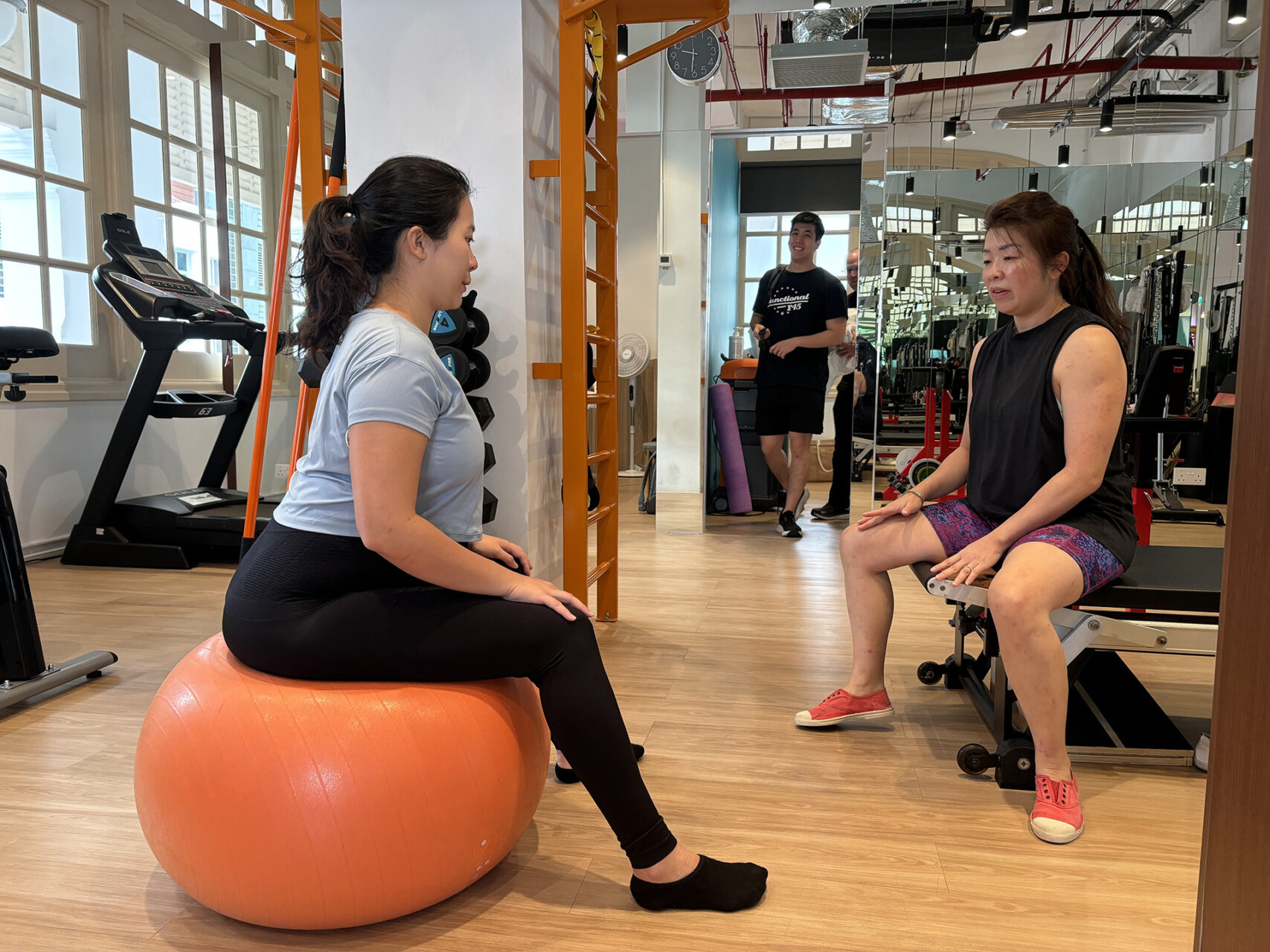
Assessment usually begins with a medical history and physical examination. Pregnant women with nerve pain during pregnancy may need assessment of:
- The location and pattern of the pain.
- Strength, sensation and reflexes.
- Spinal and hip movement.
- Nerve sensitivity.
- Walking and functional movement.
- Positions or activities that change the symptoms.
- Signs of pelvic girdle, sacroiliac joint or muscular pain.
Imaging is not routinely needed when symptoms are mild and improving. Referral to a doctor or spine specialist may be required if you have a severe pain, persistent symptoms, progressive neurological changes, or another suspected condition.
Sciatica Pregnancy Treatment
The treatment depends on the cause, pregnancy stage, symptom severity, and the patient’s overall health. The overall aim is to manage the symptoms, relieve sciatica pain and maintain safe movement.
Activity and Position Changes
Avoid remaining in one position for long periods. Short periods of gentle movement may aid with comfort.
Temporarily reduce activities that make sciatic pain travel farther down the leg. Complete bed rest is generally not recommended. Gentle physical activity is often preferable when it does not worsen symptoms.
A comfortable side-lying position with a pillow between the knees and ankles may reduce strain during sleep. Supportive footwear also may improve comfort during standing and walking.
Warmth and Pain Relief
Warm compresses or a heating pad on a low setting may relieve sciatica pain caused by tight muscles. Avoid overheating by limiting heating pad use to no more than 15 minutes. Warmth may help with easing sciatic nerve pain, but responses may vary.
Pregnant women should ask an obstetrician, doctor or pharmacist before taking medicine for nerve pain during a pregnancy. Do not assume that any medicine is safe because it is available without a prescription.
Physiotherapy and Prescribed Exercises
Physiotherapy may help alleviate sciatica symptoms. The goal is easing sciatic nerve pain while maintaining movement. Care may include:
- Pregnancy-safe exercises selected for your symptoms and trimester.
- Gentle stretching exercises or nerve mobility when appropriate.
- Progressive strengthening for the abdominal muscles, trunk and hips.
- Advice about sitting, lifting, walking and sleep positions.
- Modifications to work, household tasks and exercise.
- Manual Therapy for associated joint or muscle discomfort.
Manual Therapy or prenatal massage therapy may relieve pain from tight muscles, but neither removes nerve pressure from a compressed spinal nerve.
A seated piriformis stretch or prenatal yoga position may be appropriate for some, but do not force a stretch or apply a foam roller directly to painful areas without guidance. Discuss sciatica pregnancy exercises with a medical professional before attempting.
Walking, Swimming and Clinical Pilates
Short, comfortable walks may help maintain movement and reduce stiffness. Swimming or aquatic therapy can reduce the amount of body weight supported during exercise, making it easier for some people.
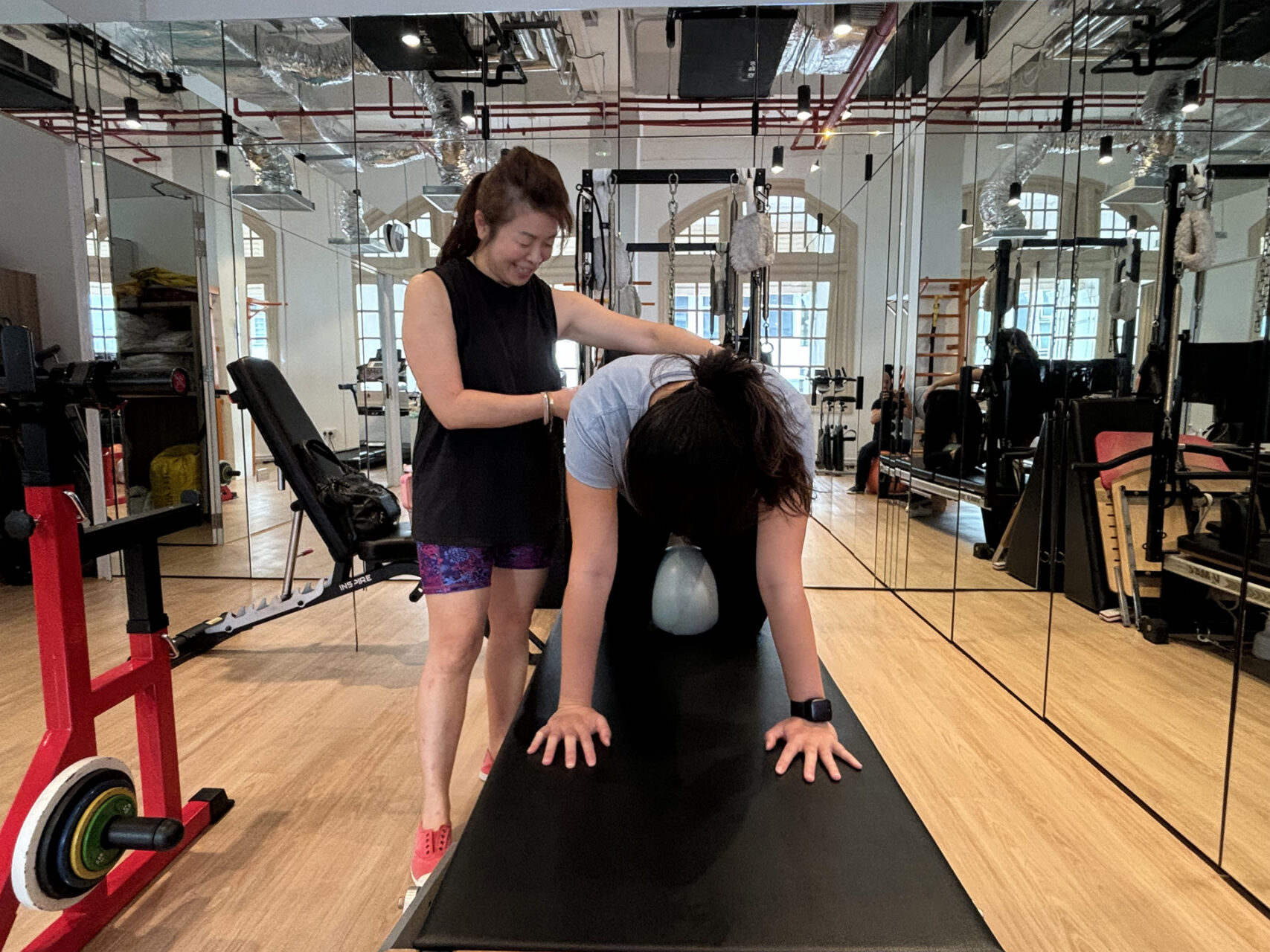
Prenatal Clinical Pilates may be adapted to develop trunk, hip and pelvic control. Exercises should match your pregnancy, symptoms and previous activity level.
A suitable exercise plan may help relieve sciatica symptoms without forcing painful movement.
Speak with your pregnancy care provider before beginning a new exercise routine, particularly if your pregnancy is complicated or you have been advised to limit activity. Regular activity is generally safe during an uncomplicated pregnancy, although you may need modifications to certain activities.
When to Seek Urgent Medical Care
Seek urgent medical attention if back or leg pain occurs with:
- New changes in bladder or bowel function.
- Numbness around the genitals, buttocks or inner thighs.
- New or worsening leg weakness.
- Foot drop or difficulty walking safely.
- Severe symptoms affecting both legs.
- Fever, significant trauma or rapidly worsening pain.
Contact your maternity care team urgently if pain occurs with vaginal bleeding, fluid loss, regular contractions, severe abdominal pain, fainting, or reduced fetal movement.
Does Nerve Pain during Pregnancy Go Away After Delivery?
Many pregnant women improve after giving birth as pregnancy-related physical demands change, though recovery time varies widely. Pregnancy-related sciatica and sciatic nerve pain may persist if an irritated nerve root, disc problem or another condition remains.
Arrange further assessment if sciatic pain continues after delivery, worsens, or includes weakness or persistent numbness.
Physiotherapy for Sciatica during Pregnancy in Singapore
HelloPhysio can assess whether your symptoms are consistent with sciatica or another source of back, pelvic or leg pain during a pregnancy. Care may include education, activity changes, prescribed exercises, modified Clinical Pilates and Manual Therapy when appropriate.
If sciatica pain, tingling, or numbness affects your walking, sleep, or daily activities, contact HelloPhysio to arrange an assessment.