
What Is an Ankle Avulsion Fracture?
An avulsion fracture is an injury in which a tendon or ligament pulls a chunk of bone away from the main bone. This usually happens during a sudden twist, roll, or a forceful change of direction, making it feel like a sprain at first.
A true avulsion fracture is still a fracture, even if the bone fragment is small. That is important because the bone, the ligament or tendon and the surrounding soft tissues all need time to settle. With an avulsion fracture, the bone is not the only structure affected. The nearby muscles, ligaments, tendons and nerves may also be irritated by the injury.
Symptoms of Ankle Avulsion Fractures
An ankle avulsion fracture usually causes sharp pain, swelling, tenderness, bruising and difficulty walking. The symptoms often begin immediately after the injury. Some might hear or feel a “pop”. Others simply notice that the ankle swells quickly and is too painful to walk on. These symptoms are similar to the feeling of a bad ankle sprain, which is one reason an acute avulsion fracture is sometimes missed in the first few days.
What often makes an avulsion ankle fracture clearer is the tenderness over a very specific bony point rather than a more general ache. Ankle avulsion fractures can be difficult to distinguish from breaks without medical imaging.
What Causes an Acute Avulsion Ankle Fracture?
An acute avulsion fracture is usually caused by a sudden force that pulls hard on a ligament or tendon before the bone can resist the load. Traumatic traction through a tendon is the underlying mechanism. These fractures occur with sudden changes of direction, sprinting, leaping or falling.
The ankle is one of the most common sites for an avulsion fracture. They are common in activities involving repetitive or explosive movement, and are not limited to competitive athletes. Avulsion fractures can happen to active adults, teenagers in sports, or anyone who lands awkwardly in a fall. Risk factors include weak bones, previous injury, and repetitive stress.
Diagnosis
An avulsion fracture is diagnosed with a clinical assessment and imaging, usually starting with an X-ray. Your clinician will ask how the injury happened, where the pain is located, if you can bear weight, and whether swelling or bruising developed quickly. Diagnosis often includes an examination followed by imaging such as X-rays, with CT scans used when a more precise view is needed.
Imaging matters because symptoms alone are not enough to reliably separate a soft tissue-driven injury from a fracture. An ankle that looks and feels like a break can be an avulsion fracture, especially after an inversion injury. An orthopedic specialist can review the fracture site and affected area.

Avulsion Ankle Fracture Treatment
Treatment for an avulsion fracture usually begins with protecting the ankle, controlling pain and swelling, and allowing the bone fragment to settle in place. Immobilization, restriction of activity, icing and physical therapy are standard treatment options. Many of these injuries are treated without surgery.
An avulsion fracture is often managed similarly to a severe strain or sprain, sometimes with a walking boot, splint, or crutches. The exact treatment depends on where the fragment is, how large it is, and whether the joint is stable. Small, well-aligned fractures often respond well to a boot or brace and a gradual return to weight-bearing.
Early self-care still matters. Elevation can help with swelling, and gentle movement of the toes, foot, and nearby joints can help prevent stiffness if your specialist says it is safe to move, by avoiding both excessive rest and excessive activity.
Surgical Intervention
Surgery is more likely if the fragment is significantly displaced, the joint is unstable, or symptoms and function remain poor after non-invasive methods are applied. Surgery is occasionally needed for severe injuries with instability, and more displaced cases may need internal fixation by a surgeon. Physiotherapy after surgery can help the ankle regain strength safely and effectively.
Physiotherapy After Fracture
Physiotherapy helps restore movement, strength, balance, and confidence after the fracture has settled. After the immobilization phase, normal joint mechanics, lower-limb strength, proprioception, and functional movement must be regained. Physical therapy and range-of-motion exercises are part of the standard management for an avulsion fracture.
Rehab usually starts with simple, prescribed at-home exercises and progresses in stages. Early work may include ankle pumps, circles or gentle alphabet movements, followed by calf strengthening, step work and balance drills as weight-bearing improves. Exercises for the foot, leg, hip and surrounding joints help rebuild function. Later stages often focus on hopping, landing, cutting and return-to-sport drills for runners and field-sport athletes, though with careful attention to any renewed symptoms.
Adjunct Treatments
Adjunctive treatments can have a place, but they should support the plan, not replace it. Here are some options that can bolster your physiotherapy recovery plan:
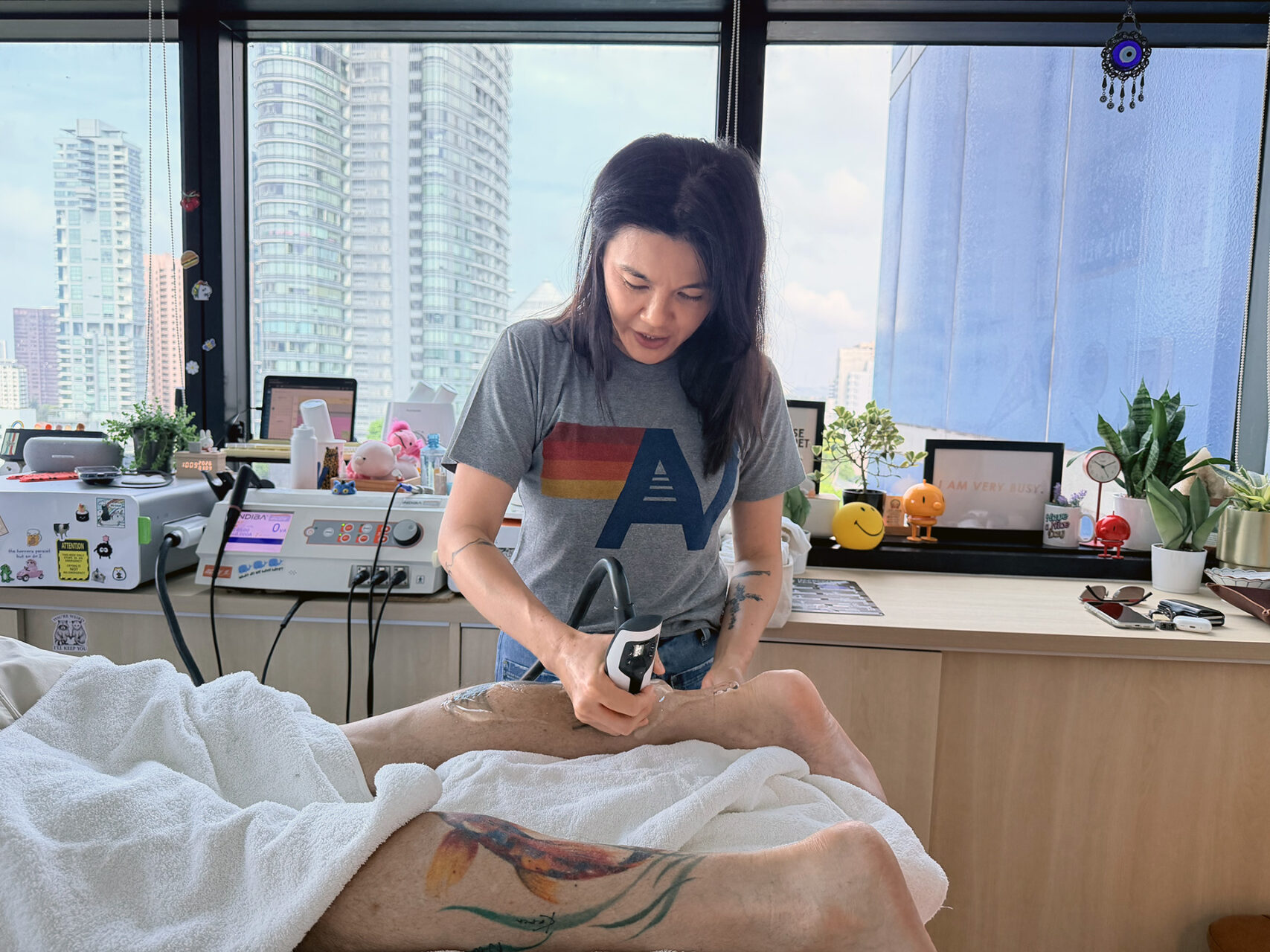
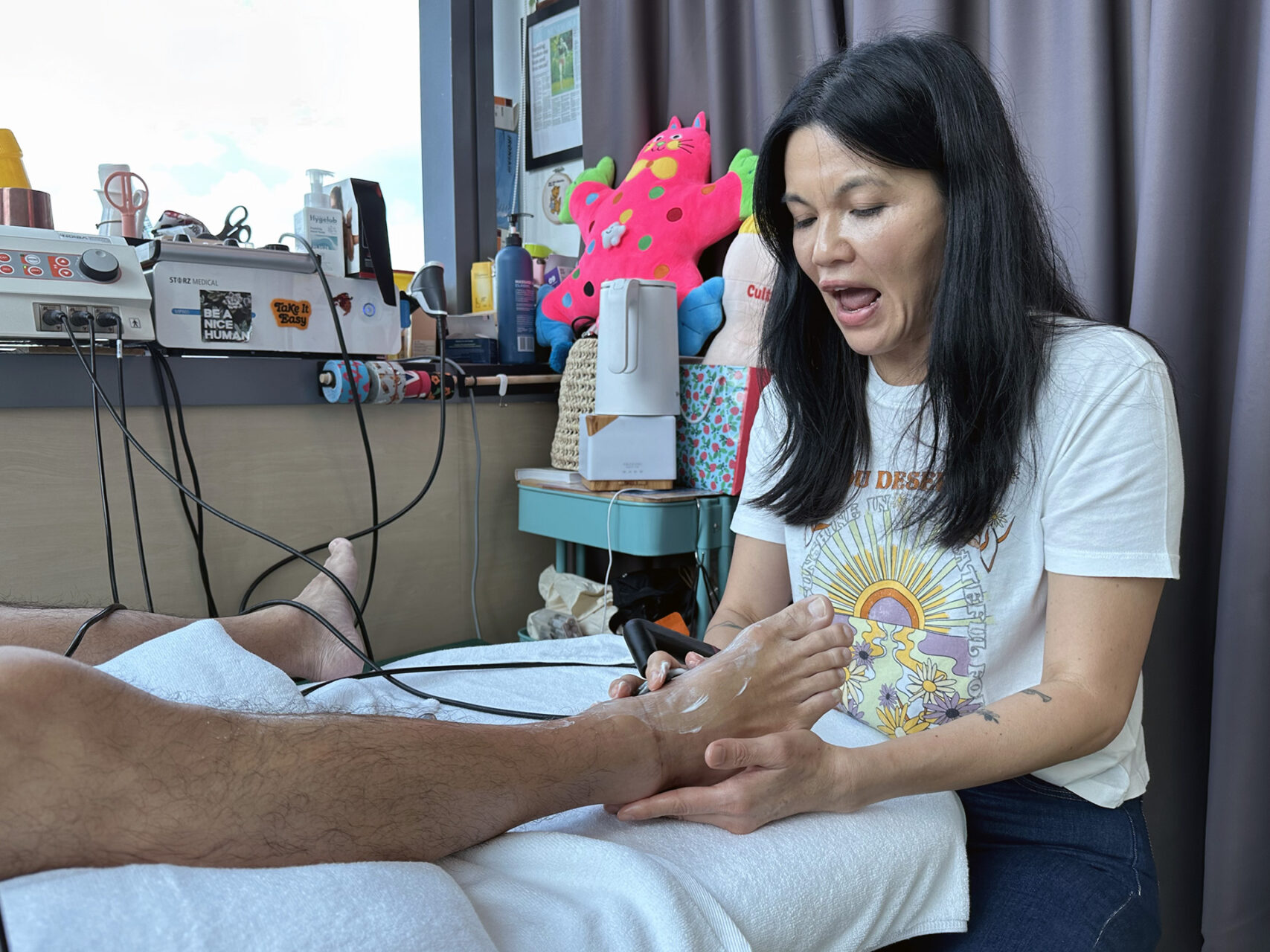
- INDIBA® positions its 448 kHz radiofrequency technology for musculoskeletal rehabilitation, pain reduction, tissue repair and improved mobility, so some clinics may use it later in recovery to help with pain and stiffness around the ankle, when appropriate.
- Dry Needling is commonly used by physical therapists for musculoskeletal pain, so it may help if calf or peroneal muscle guarding is limiting motion during rehab.
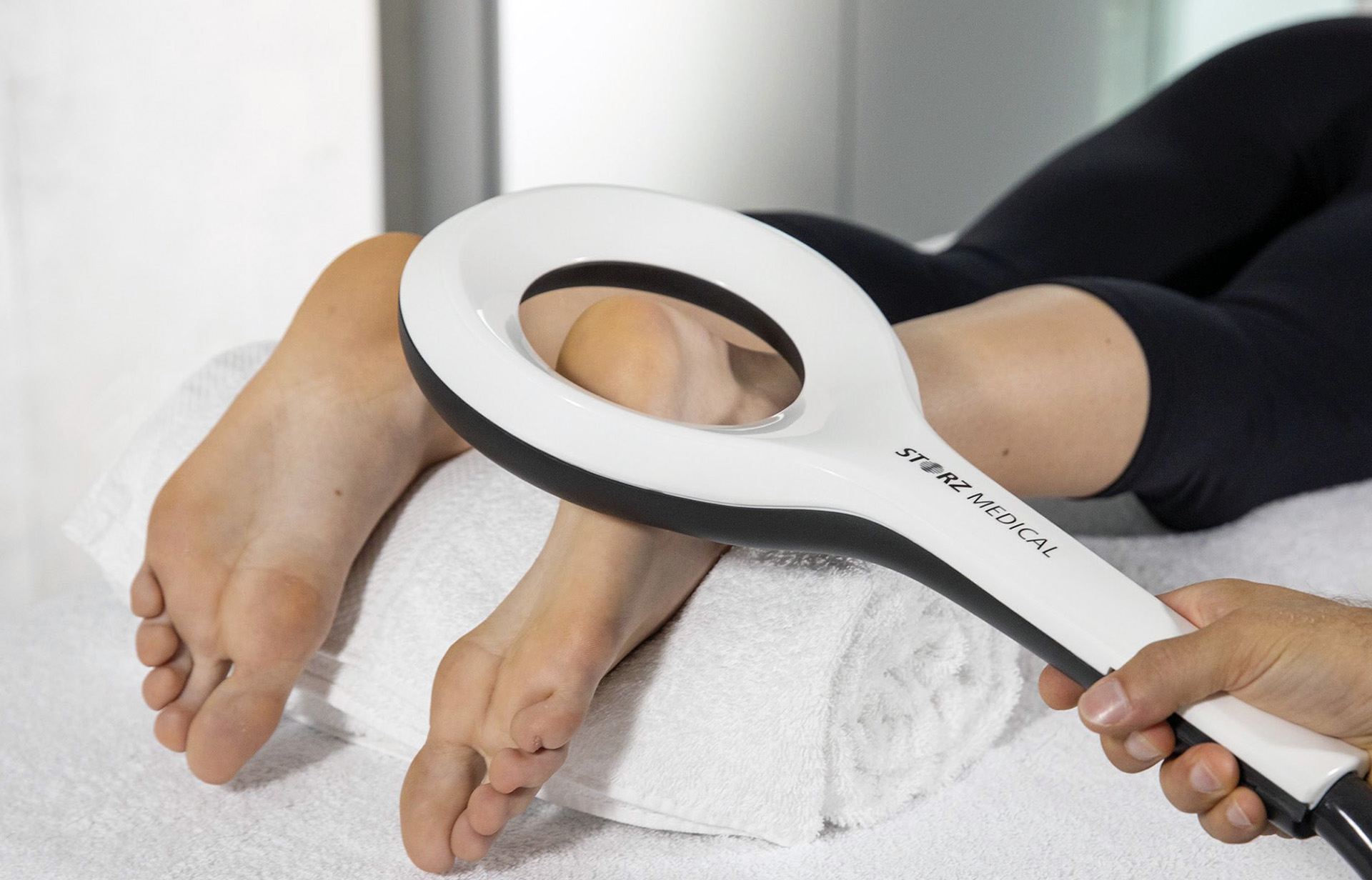
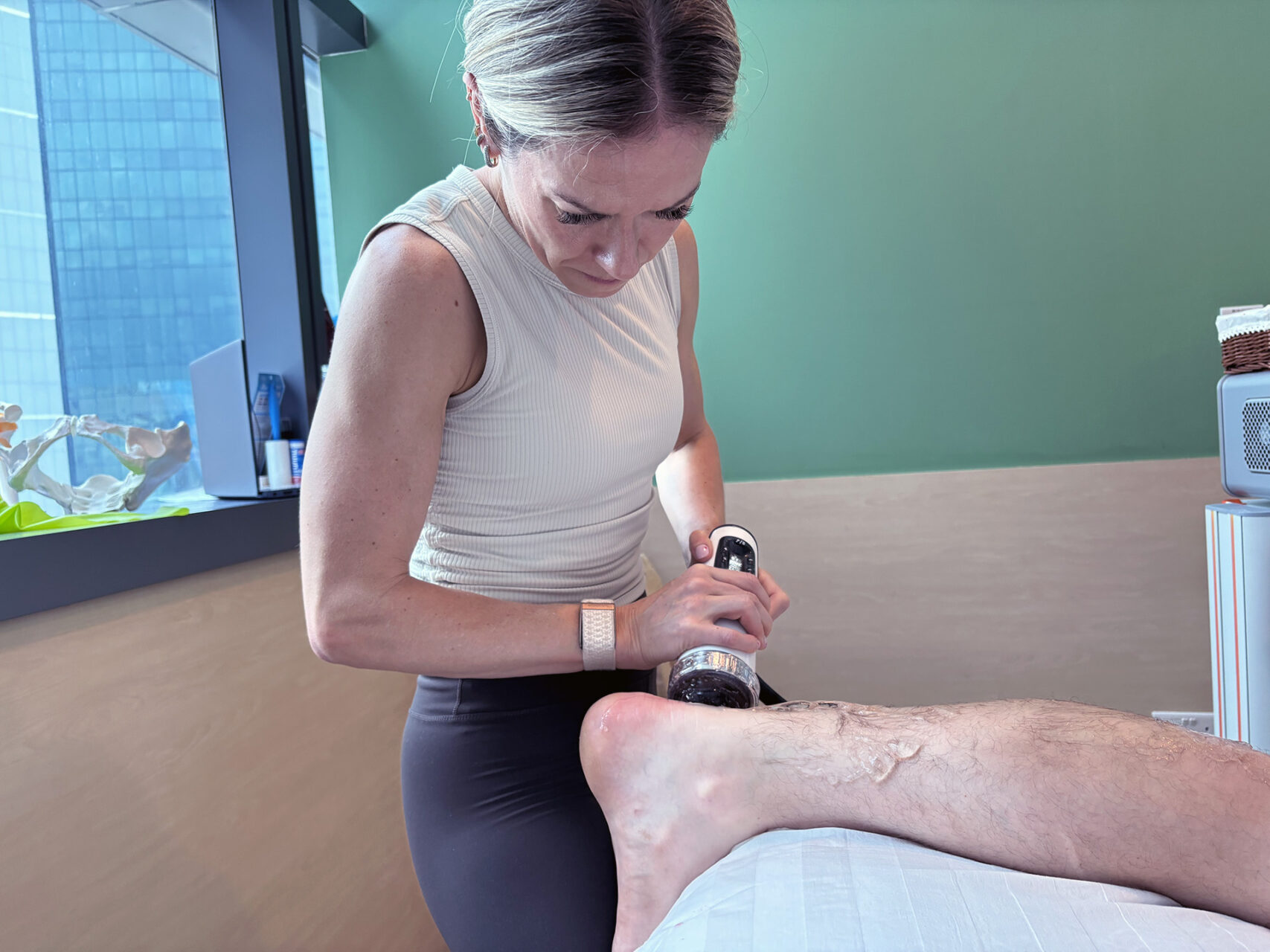
- Shockwave Therapy is used for bone pathologies such as delayed bone healing, bone nonunion and stress fracture, though it is not used as first-line care for a simple fresh avulsion fracture.
- EMTT is positioned to address musculoskeletal pain and symptoms. It may be considered in selected later-stage cases where pain or recovery has stalled, but it is not a substitute for standard treatment in the early phase.
For most with an acute avulsion fracture, the best results still come from the basics done well.

Avulsion Ankle Fracture Healing Time
The healing time for an avulsion fracture is often measured in weeks, though full recovery goes beyond waiting for symptoms to subside. Most healing happens between 4 and 6 weeks after the fracture, although aches, sensitivity, and some swelling can continue beyond that. The typical healing time for avulsion fractures is 3 to 12 weeks, depending on the site and severity.
The healing time for an avulsion fracture and your return to normal activity are not always the same. The bone may be healing well while the ankle is still stiff, weak or less confident on uneven ground. The rehabilitation plan progresses from early weight-bearing and gentle movement in the first 2 weeks to a balance of work between 2 and 6 weeks, and then back toward normal day-to-day and higher-impact activity from 6 to 12 weeks, as tolerated.
What Can Delay Recovery or Cause Problems Later?
Recovery can be delayed by doing too much too soon, smoking, poor general health, or not following the loading plan by your physiotherapist. Conditions such as diabetes may slow recovery.
The other common problem is stopping rehab too early. Pain often improves before strength, balance and trust in the ankle fully return. That can leave a person vulnerable to repeated sprains, persistent stiffness, or another injury at the same site. Avulsion fractures can recur after treatment, which is why prevention and a graded return matter.
How HelloPhysio Can Help
You should get medical help if you cannot bear weight, the ankle is very swollen, the ankle pain is severe, or the joint looks deformed. You should also seek care if symptoms are not improving after a few weeks. If you think you may have an avulsion fracture, or if your ankle still does not feel right after what you think was a twist, HelloPhysio can help. We can assess how the injury is healing, guide your rehabilitation, and build a recovery plan that matches your goals, whether that means walking comfortably, getting back to sport, or simply trusting the ankle again.
Contact HelloPhysio to book a consultation and start a clear, steady path back to full function.