
|
Getting your Trinity Audio player ready...
|
What Causes Lower Back Pain in Women?
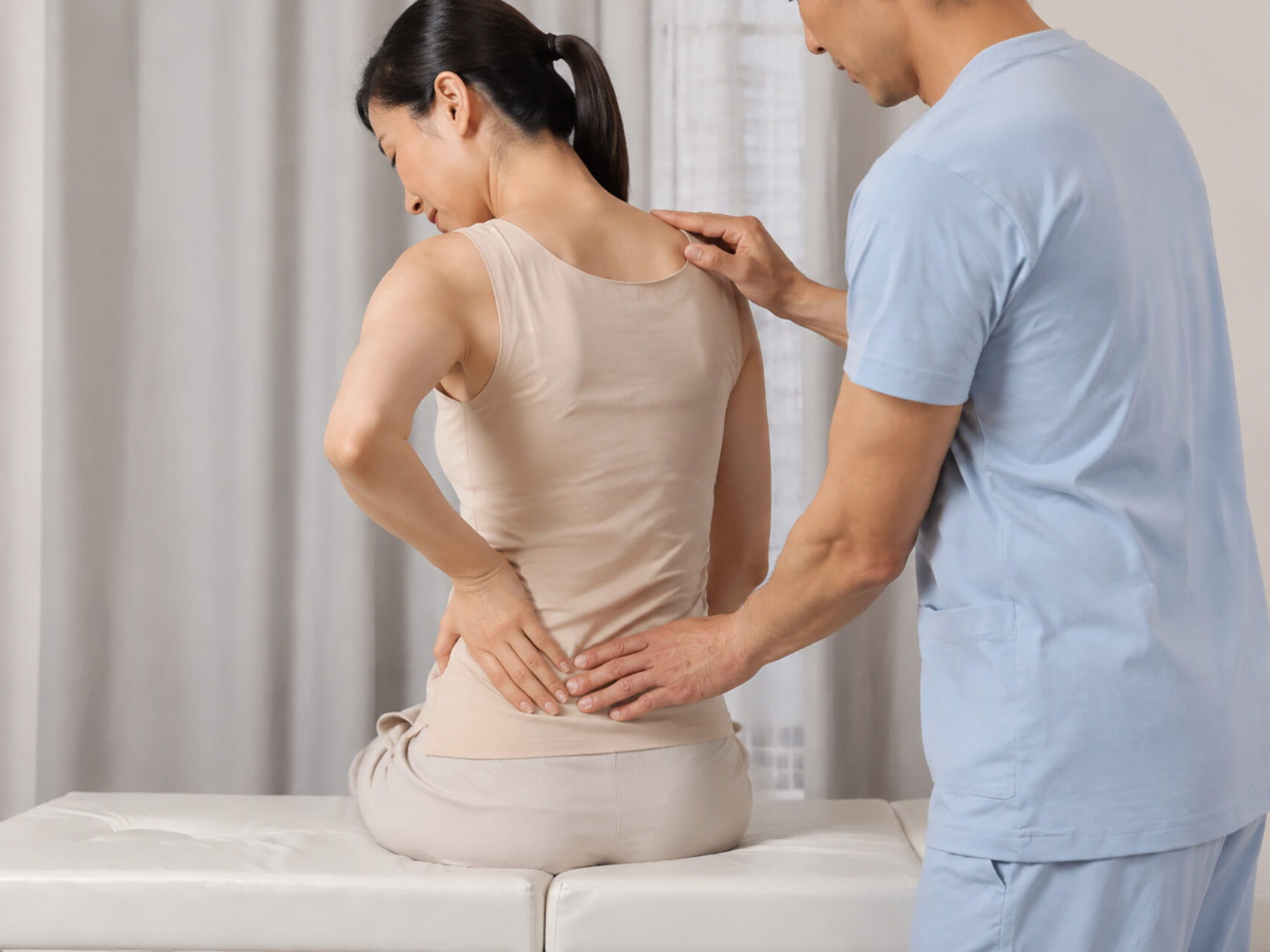
For some women, lower back pain may feel like a short-lived ache. For others, it may return in cycles or become chronic pain that affects sleep, work and exercise. Up to 80% of women in Singapore experience low back pain at some point, and though most cases are not serious, it is still worth looking into if it is affecting your daily quality of life.
Lower back pain in females is any discomfort between the lower ribs and buttocks. It may come from the lumbar spine, surrounding muscles and other soft tissues, pelvic organs or a combination of these areas.
Most lower back pain is musculoskeletal, regardless of gender. This means it involves the muscles, ligaments, joints, spinal discs or nerves in the lower back. More specifically, menstruation, pregnancy, menopause and gynecologic conditions also may contribute to lower back pain in women.
What Are the Symptoms of Lower Back Pain in Females?
Female patients with lower back pain symptoms report aching, back stiffness, muscle spasms, limited movements and sharp pains with activity.
- Musculoskeletal symptoms: Back pain may be central, one-sided or spread into one buttock. This kind of pain may worsen with any lifting, bending, running or prolonged sitting.
- Nerve-related symptoms: Pain that travels below the knee, with tingling, numbness, or weakness, may indicate sciatica from an irritated sciatic nerve root near the spinal cord.
- Pelvic or cycle-related symptoms: Pain may occur with menstrual cramps, pressure in the lower abdomen, abnormal bleeding, pain during sex or changes in bladder or bowel function. Other symptoms of discomfort may follow the menstrual cycle.
Location and timing within the menstrual cycle provide clues about lower back pain but do not confirm the cause.
What Causes Lower Back Pain in Women?
The most common causes of lower back pain in females are muscle strains, disc and joint changes, nerve irritations, and sacroiliac joint dysfunctions.
- Muscle strains and overloads: Heavy lifting, twisting or a rapid increase in training load can irritate muscles and ligaments.
- Disc or nerve problems: A herniated disc may irritate a nerve root, causing leg pain, numbness or weakness. Degenerative disc disease can also narrow the space around the spinal discs, creating more discomfort.
- Joint changes: Osteoarthritis can affect spinal joints and joint health. Degenerative spondylolisthesis occurs when one vertebra slips forward in the lower spine.
- Sacroiliac joint dysfunction: The sacroiliac joints transfer loads between the spine and pelvis. Pain due to a dysfunction here is often felt beside a dimple at the back of the pelvis.
- Spinal stenosis: Narrowing of the spinal canal may compress nerves, causing leg pain, heaviness, or numbness when standing or walking. Spinal stenosis is most common in people older than 50, although younger people also can be affected, and the risk rises with age.
Age-related scan findings do not always cause back pain, and risk factors can vary.
Which Conditions Can Cause Lower Back Pain in Women?
Female-specific causes include menstrual cramping, endometriosis, pregnancy-related changes and other gynecologic conditions:
- Menstrual cramps can reach the lower back when prostaglandins cause uterine contractions, and premenstrual syndrome may add to the discomfort.
- Endometriosis may cause persistent pelvic and back pains, painful periods, pain during sex or cycle-related bowel and bladder symptoms.
- Adenomyosis, fibroids, ovarian cysts and pelvic inflammatory disease also may cause pain in the lower back, sometimes with heavy bleeding, discharge, fever or pressure in the lower abdomen.
- Pregnancy and postpartum changes: In pregnant women, a growing uterus shifts the body’s centre of gravity, abdominal muscles stretch, and ligaments become more flexible due to hormonal fluctuations. After delivery, lifting, feeding positions, poor sleep and reduced trunk or pelvic floor capacity may contribute.
- Menopause and bone health: Estrogen loss weakens bones and contributes to bone loss. Osteoporosis raises the risk of spinal compression fractures, sometimes after minor strain, giving a higher risk of back pain in women after menopause.
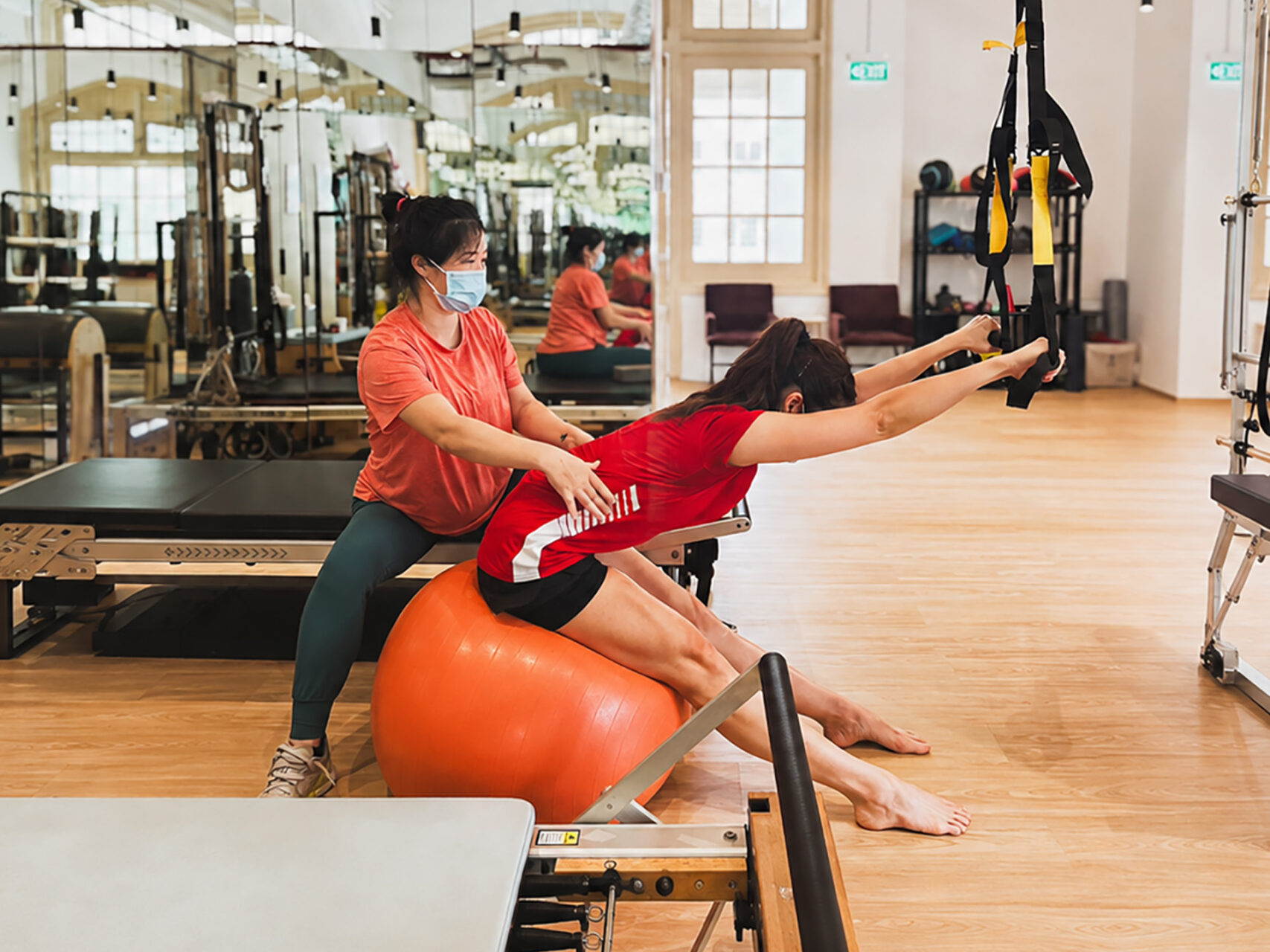
Physiotherapy may help when a musculoskeletal or pelvic floor problem is the root cause of the lower back pain.
Why Does Lower Back Pain Occur on One Side?
One-sided lower back pain often comes from a strained muscle, a spinal joint, the SI joint, or an irritated sciatic nerve. Kidney stones and pelvic conditions can also cause a similar pain and should be considered, as they can cause lower left back pain in females or lower right back pain.
One-sided pain with fever, nausea, painful urination or blood in the urine may indicate a kidney problem. A doctor may use urine tests to help identify the cause. Sudden one-sided pain during pregnancy with bleeding, dizziness or fainting also requires urgent medical assessment.
In female patients, one-sided lower back pain may begin after lifting unevenly, carrying a load on one side, or maintaining a poor posture. Pain that changes when you bend, twist, walk, or change position is more likely to have a musculoskeletal cause. Treatment depends on the structure involved, whether it is lower right back pain for females or otherwise.
Who Is at Risk of Lower Back Pain in Females?
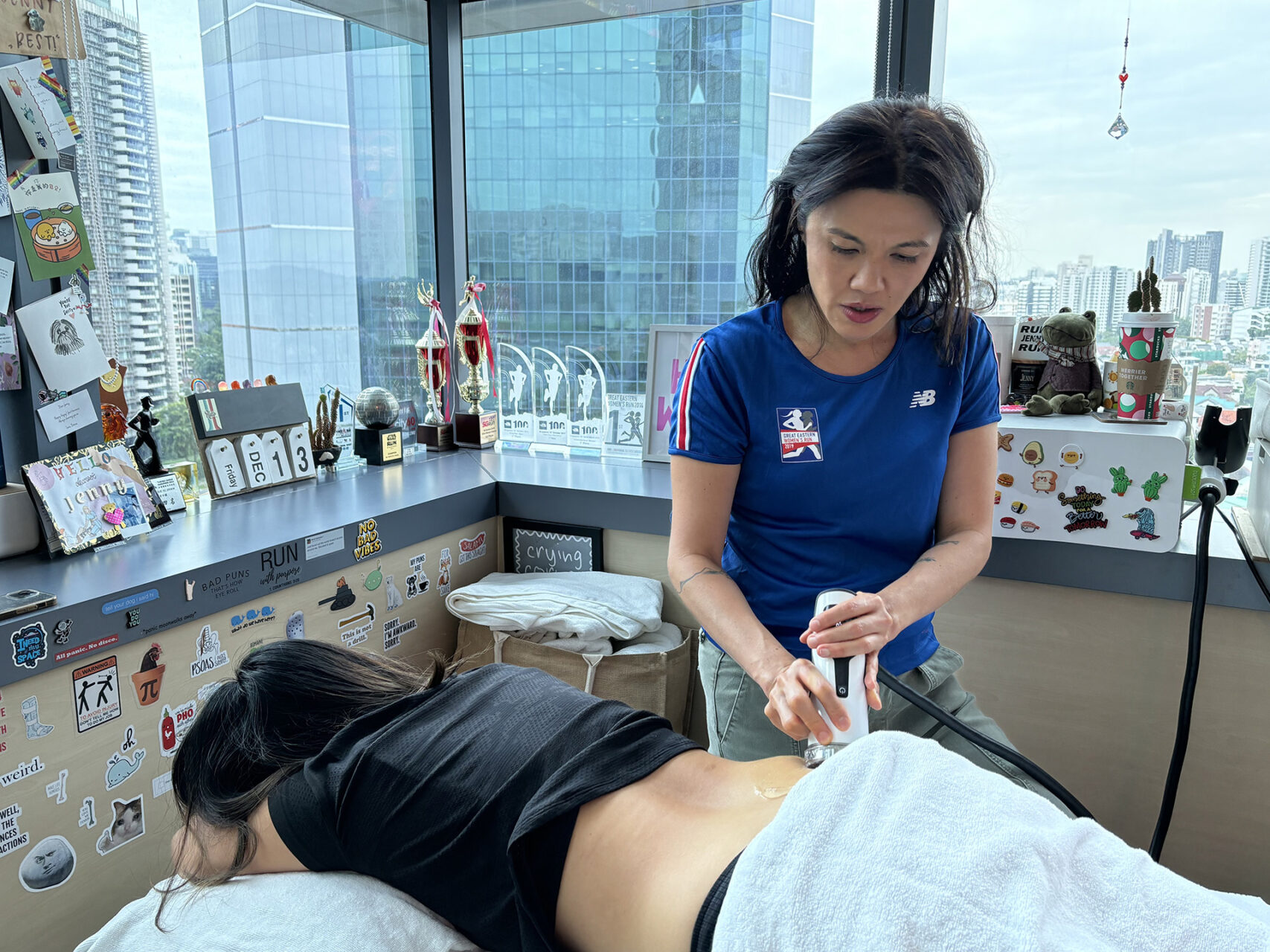
Low back pain can occur at any age, and back pain in women is more prevalent overall than in men. Previous back pain, inactivity, sudden training changes, repetitive heavy lifting, smoking, poor sleep and demanding physical work can contribute to lower back pain in women.
Risk factors also increase with age and when physical, medical or psychological demands exceed the back’s capacity.
Chronic stress and depression can intensify chronic pain, disrupt sleep and hinder recovery. Physical and emotional factors influence one another, especially when symptoms persist.
How is Lower Back Pain in Females Diagnosed?
The diagnosis begins with a medical history and physical examination to determine whether the likely source of back pain is musculoskeletal, neurologic, pelvic or systemic. A physiotherapist may ask how symptoms relate to movement, training, sleep, menstruation, pregnancy and bladder or bowel function.
The examination will likely assess movement, strength, reflexes, sensation, walking, SI joint loading and pelvic floor function when relevant. Imaging is not routinely needed for uncomplicated lower back pain. If necessary, a doctor may arrange scans, urine tests, laboratory tests or a gynecological review when results could change care, if an underlying condition is suspected.
How is Lower Back Pain in Females Treated?
Treatment options depend on the cause, severity and effect on function, and most uncomplicated musculoskeletal episodes improve with conservative treatments rather than surgery.
- Activity and relative rest: Brief rests may help during severe pain, but prolonged bed rest is discouraged. Gentle movement and a gradual return to activity usually support recovery.
- Heat or cold applied to the pain area: A heating pad may ease stiffness, muscle guarding and menstrual cramps and improve circulation. Cold therapy may reduce the inflammation after an acute muscle strain. Protect the skin and limit application time whether using heating pads or cold packs.
- Physical therapy: Individualized exercise, education and graded physical activity will address the strength, mobility and the demands of work or sport.
- Medication and injections: A clinician can advise whether over-the-counter (OTC) pain relief is appropriate. Muscle relaxants may be used for spasms. Epidural steroid injections may reduce the inflammation around the nerve root and relieve pressure symptoms for some with acute severe sciatica.
- Surgery: Surgical treatments are reserved for selected structural problems, progressive neurological loss or persistent disabling symptoms that have not improved with the appropriate nonsurgical care.
- Discectomy: A discectomy removes disc material compressing a nerve to relieve pressure, usually for persistent sciatica or a weakness from a herniated disc.
- Decompression: Spinal decompression creates more room for nerves affected by spinal stenosis. It is considered in severe cases and used when the condition causes walking limitations.
- Spinal fusion: Spinal fusion joins vertebrae to restore stability in selected conditions. It is not routine care for nonspecific lower back pain.
- Disc replacement: Artificial disc replacement may be suitable for selected adults with symptomatic lumbar degenerative disc disease. It is not standard surgery for an uncomplicated herniated disc.
Gynecological, urinary, pregnancy-related and bone conditions need the appropriate treatments directed at the underlying cause of the lower back pain.
How Can Physiotherapy Help Lower Back Pain in Females?
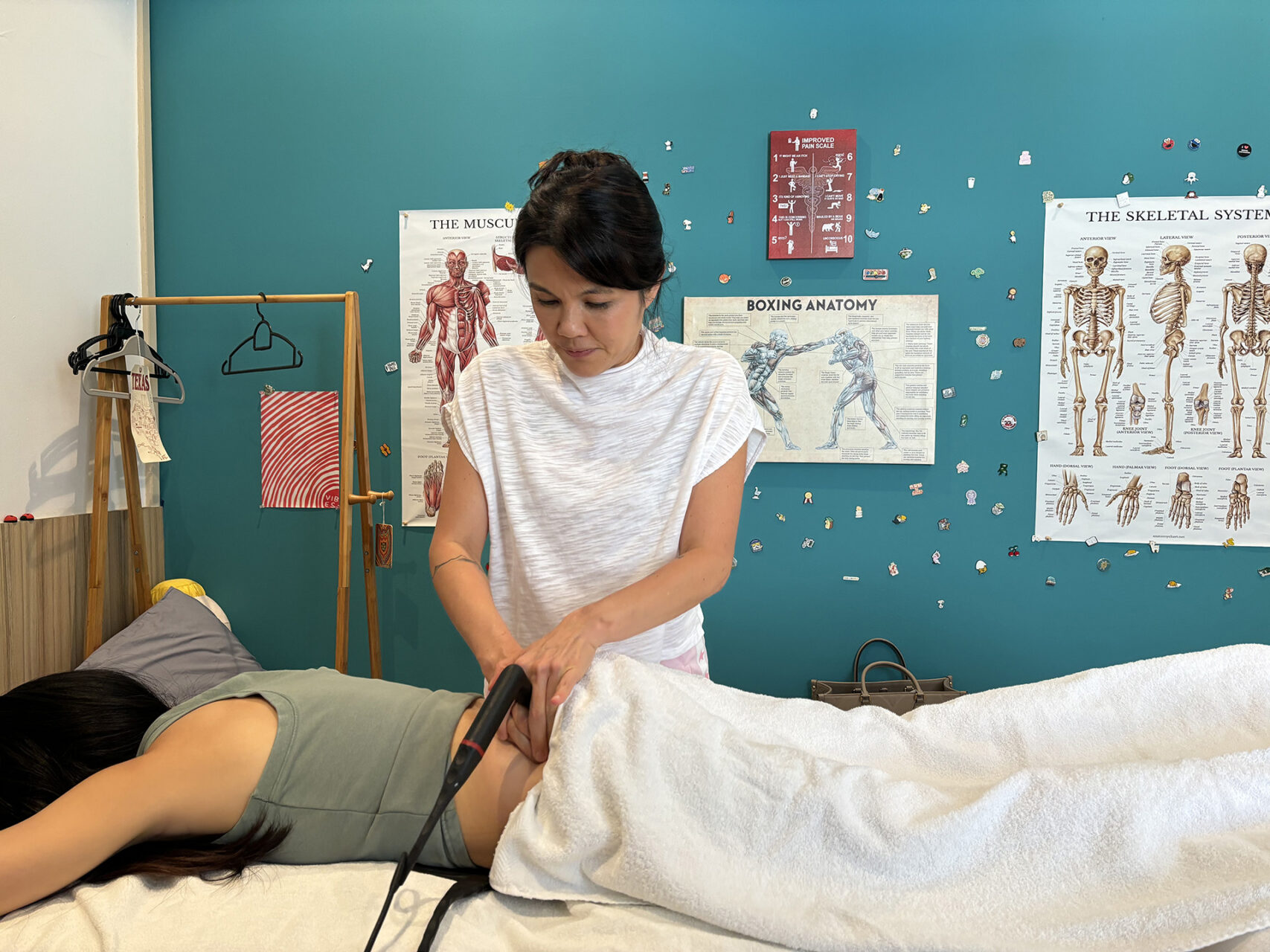
Physical therapy identifies modifiable contributors, reduces back pain and rebuilds capacity for daily life and exercise. Care is personalized because the same area can hurt for different reasons, so a one-size-fits-all solution will not work for most females with lower back pain.
Treatments may include:
- Advice on movement, lifting, training and sleep, with prescribed at-home exercises.
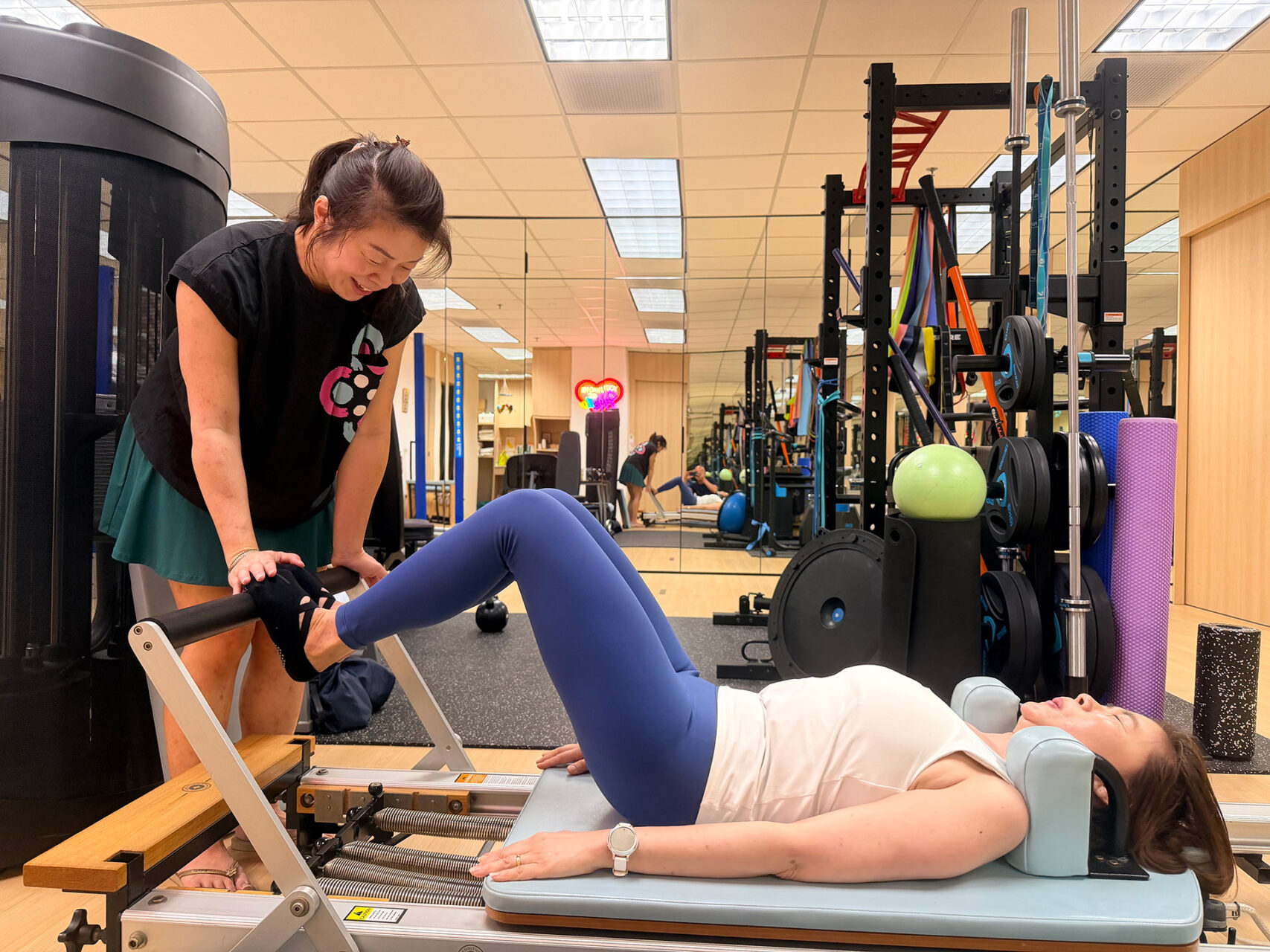
- Clinical Pilates to combine spinal movement, trunk and hip strengthening, walking, graded running and pelvic floor coordination.
- Gentle stretching to ease tension in tight muscles and improve mobility without causing sharp pain or spreading pain.
- Manual therapy to offer short-term back pain relief with exercise and improve blood flow to the soft tissues.
- In selected musculoskeletal cases, INDIBA® radiofrequency therapy or Dry Needling may help relieve pain when the pain limits movement.
- Extracorporeal Magnetotransduction Therapy (EMTT) may be considered when pain persists, although condition-specific evidence is developing.
- Radial Shockwave Therapy is occasionally used for confirmed myofascial pain in the lower back.
What Can You Do at Home for Lower Back Pain in Females?
Mild musculoskeletal lower back pain can often be managed initially with gentle activity, symptom-guided movement and simple comfort measures that alleviate pain.
- Take short walks and change positions regularly.
- Use a heating pad or cold therapy if it feels helpful, with a layer of protection between the pad and your skin.
- Try gentle stretching for tight muscles, but stop if the pain worsens or travels farther into a leg.
- Use a pillow between the knees when side sleeping, or under the knees when lying on the back, if comfortable.
- Support your sleep and mental well-being. Seek help for ongoing stress or depression, particularly when it is affecting pain or your daily function.
Stretching can reduce pain and tension but does not prevent it from returning. It works best within a plan that combines activity, strengthening, recovery and sensible load management.
When Should You Seek Medical Care for Lower Back Pain?
Seek medical attention when lower back pain is severe, persistent, worsening or accompanied by other symptoms suggesting nerve, pelvic or systemic disease. These warning signs matter.
Seek emergency care for:
- Loss of bladder or bowel control
- Numbness around the groin or saddle area
- Severe or rapidly worsening leg weakness
- Major trauma, collapse or sudden one-sided pain with bleeding and faintness when pregnancy is possible
Arrange prompt assessment for:
- Fever, unexplained weight loss, severe night pain or a history of cancer
- Urinary symptoms, abnormal vaginal bleeding or discharge
- Pain that travels down a leg with numbness or weakness
- Pain that persists, recurs or limits sleep, exercise or daily life
How HelloPhysio Can Help
If you’re experiencing lower back pain and it limits your daily movement, contact HelloPhysio for a consultation. Our physiotherapists can assess your movement, strength, nerve function and relevant pelvic factors before providing an individualized plan based on education, exercise and appropriate adjunctive care for your lower back pain.