
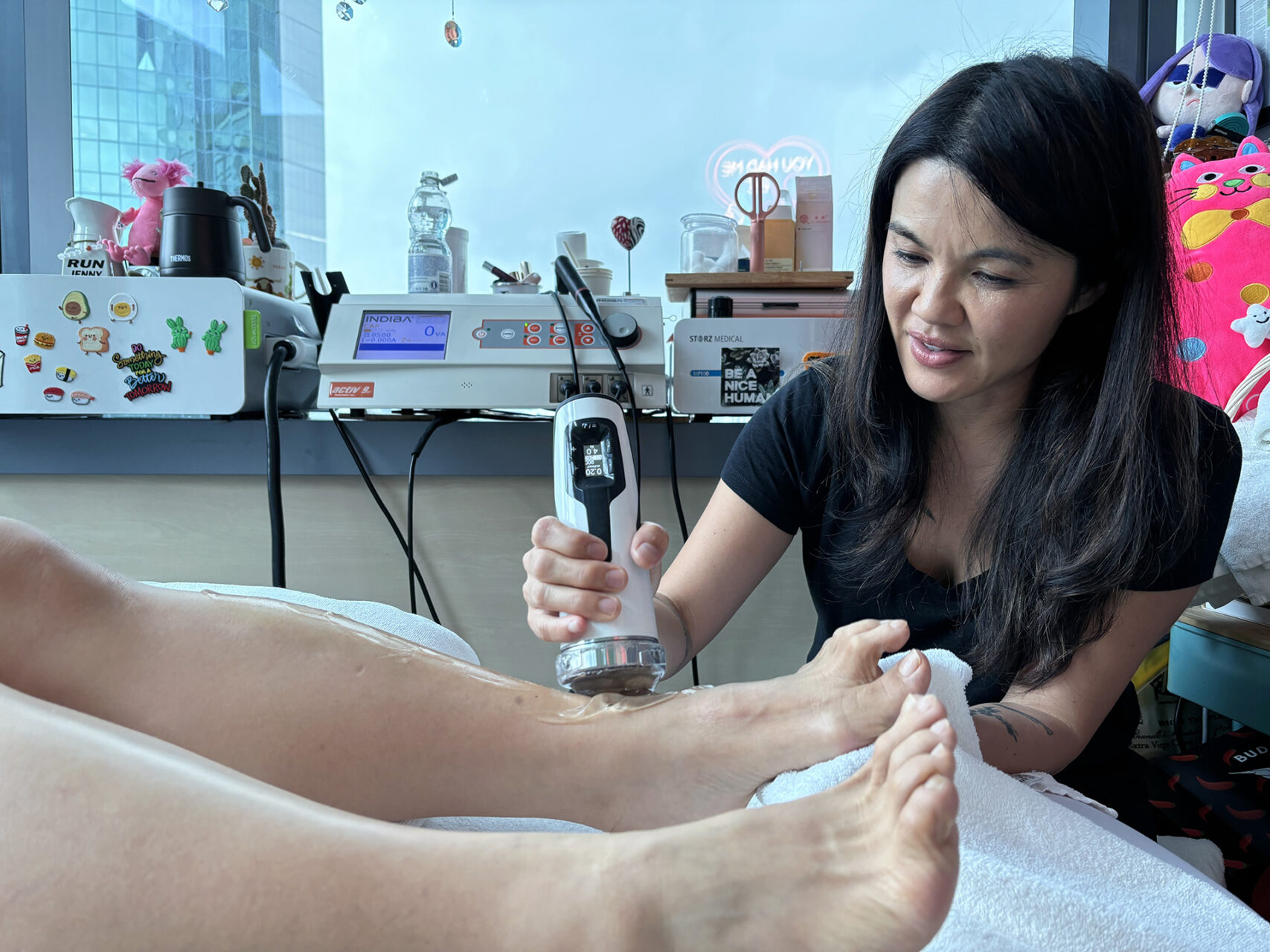
Peroneal tendonitis is a frequent overuse injury that causes persistent peroneal tendon pain on the outer side of your ankle. It often begins mildly and then gradually worsens, making activities such as walking, climbing stairs, and playing sports (especially those with sudden stops, starts, or quick changes in direction) difficult. Many patients can’t pinpoint the exact date the pain began because it develops gradually. Most can only tell that the outside of their ankle feels weak or unreliable.
At HelloPhysio in Singapore, we treat both athletes and non-athletes with peroneal tendon ankle disorders. This issue often starts when you suddenly increase activity, or when you have an ankle sprain that hasn’t healed well. The good news is that this peroneal tendon pain usually improves with the right diagnosis, reducing activity, and a rehab program focused on building strength, while avoiding activities that worsen the pain.
What Is Peroneal Tendonitis?
Peroneal tendonitis occurs when the structures on the outside of your ankle and along the side of your foot get irritated. This usually happens because they’ve been overworked or because your ankle isn’t stable enough. Although the term “tendonitis” suggests swelling or inflammation, if the problem persists, it’s often more of a “tendinopathy,” meaning the tendon is overly sensitive and can’t handle as much stress. The goal of peroneal tendonitis treatment is always the same. First, reduce pain and swelling, then strengthen the tendon so it can support your physical activity and sports.
Peroneal tendonitis can mimic other ankle conditions and is often misdiagnosed early, leading to a persistent, long-term problem.
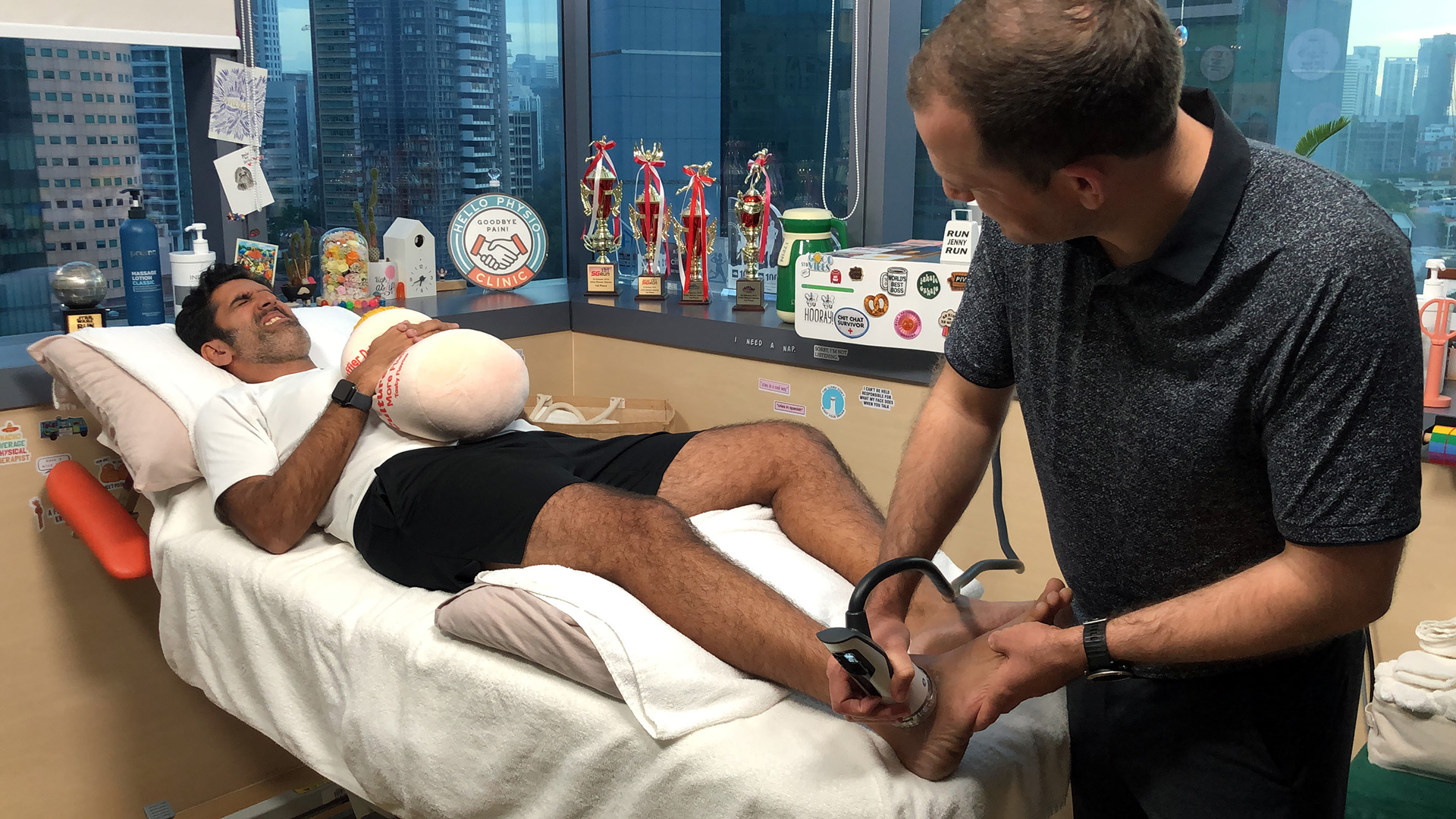
Why Peroneal Tendon Anatomy Matters
The peroneal muscles are on the outside of your lower leg, and their rope-like tendons wrap behind the outer ankle bone (the lateral malleolus bump on the outside).
There are two main tendons:
- The peroneus brevis attaches to the middle-outside part of your foot (near the fifth metatarsal) and helps keep the outer part of your foot stable.
- The peroneus longus runs under your foot to help support the arch and push off when you walk or run.
These tendons act like stabilizers for your ankle, especially when your foot twists or lands awkwardly. That’s why you might feel pain after activities like trail running, playing sports, or even just walking a lot in unsupportive shoes.
Peroneal Tendonitis Symptoms
Peroneal tendonitis typically presents with pain and tenderness along the lateral aspect of the ankle or foot. This pain worsens with activity and improves with rest. You may experience discomfort behind the ankle or along the lateral aspect of your foot, sometimes accompanied by swelling or tightness.
Typical signs include: outer ankle pain when you run (especially on uneven ground or when turning); a sharp ache during quick side-to-side or cutting movements; tenderness right behind the ankle bone; discomfort the day after activity or the next morning; and feeling that your balance is a bit off or wobbly.
If you sometimes feel a snapping behind your ankle, especially after a sprain, it may indicate that the peroneal tendons are catching or slipping out of place. Not everyone has this, but it’s an important detail for planning your treatment.
Causes and Risk Factors
Peroneal tendonitis happens when you put too much load on the tendon than it can handle. For athletes, this includes running longer distances faster, completing more intense workouts, tackling more hills, or returning to a sport after a long break. Sports that involve quick side-to-side movements and twists (such as court or field sports) are also frequent culprits because they constantly require the ankle to remain stable.
If you’ve sprained your ankle before, it can become less stable, affect your balance, or change your gait, causing the peroneal tendons to work harder to compensate. The shape of your foot structures matters, too. High arches can place additional strain on the foot or ankle, and other foot alignments can cause friction or overload.
Everyday activities, such as standing for long periods, climbing stairs, or sudden changes in footwear, can also irritate the tendon. In places like Singapore, training year-round without proper breaks may mean the tendon doesn’t get the rest it needs to recover.
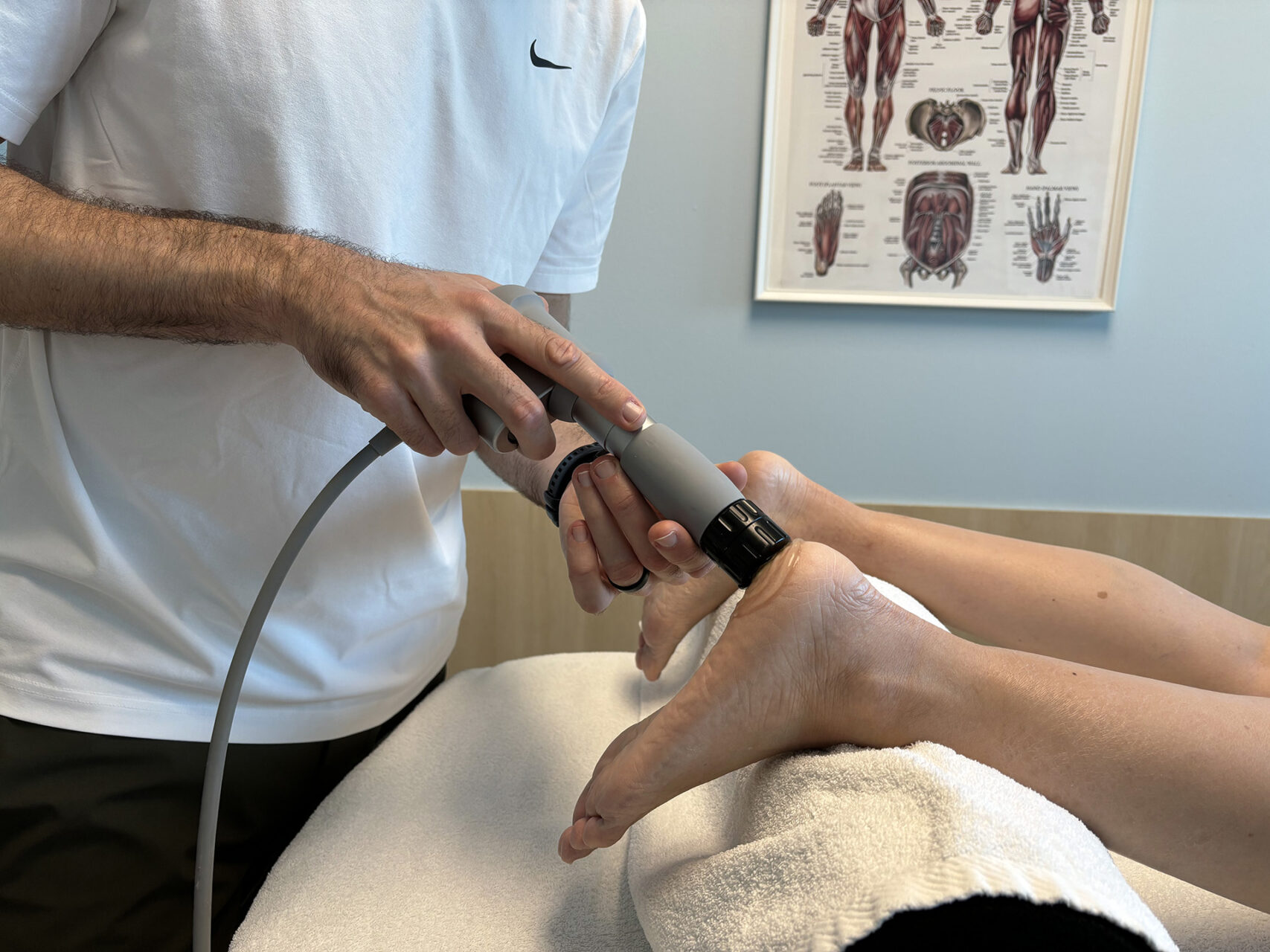
Tendonitis, Tendinopathy, Strain or Tear
It’s vital to know the exact problem, whether it be peroneal tendon strain or tear, as the recovery plan depends on the specific injury, not just the general term “tendonitis.”
An acute peroneal tendon strain, typically from twisting your ankle, a quick stop, or a bad landing, might heal faster than chronic tendinopathy. Still, both need a plan to gradually reintroduce activity rather than just complete rest.
A peroneal tendon tear can be partial or complete. Although less common, diagnosis is essential because they might require closer medical attention from foot and ankle surgeons, and possibly surgery.
When You Should Get Assessed Quickly
Though most cases are minor, get assessed sooner rather than later if you cannot bear weight, have significant post-trauma swelling, sharp, persistent pain, or recurrent ankle instability. Numbness, marked weakness, or “electric” pain suggests nerve involvement. An urgent review is needed for redness, heat, fever, or calf swelling to rule out other causes.
Diagnosis
A peroneal tendonitis diagnosis starts with your medical history and a physical examination to assess your tendons, your ankles and your movement. The goal is to identify the main cause of the pain.
When you come in, we will ask exactly where it hurts, which movements make it worse, and whether you have made any changes to your routine recently. We assess your strength and control by having you push against a resistance band, perform heel raises, stand on one leg, and perform activities of daily living, such as stepping and hopping. We also observe how you walk to identify potential causes of excessive stress in the area.
If the cause of your foot or ankle pain isn’t clear or doesn’t go away, we use imaging. X-rays help ensure there are no bone problems, such as a fractured os peroneum or a bony bump. Magnetic resonance imaging (MRI) provides detailed images of soft tissues. A peroneal tendonitis ultrasound is often the first step to check for swelling, fluid, or tears in the tendon if your symptoms persist or we are not quite sure what’s going on.
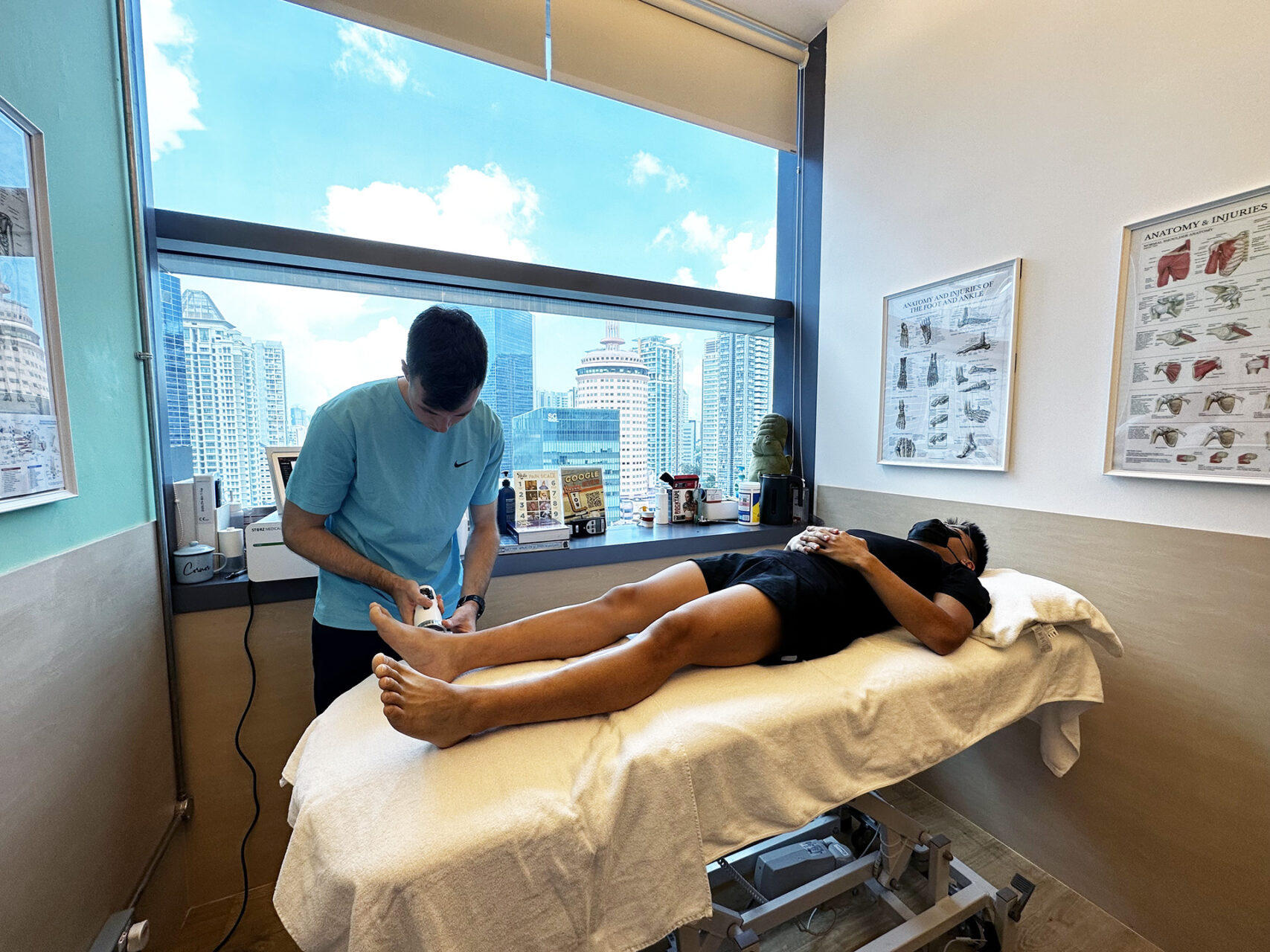
Peroneal Tendon Injury Treatment
Treatment requires first calming the pain, then progressively rebuilding strength and control. Many fail by resting, then returning to full activity too quickly, which can cause flare-ups. HelloPhysio uses an evidence-informed approach to keep you active while reducing inflammation and irritation through load management, peroneal tendonitis treatment exercises and supportive strategies.
Load Management
Managing your pain means finding the right amount of activity. You will want to reduce activities that aggravate your tendon while still keeping it moving, and then slowly build the stress back up. For instance, instead of halting your running sessions, you can run shorter distances, slow your pace, avoid hills, or run less often. In sports, this could mean changing drills, reducing practice time, or switching the training surface. The key is consistency. Your tendons get stronger with regular, appropriate use. Taking long breaks and then suddenly pushing the tendon to its limits is usually what exacerbates the pain.
Footwear, Bracing, and Orthoses
Using temporary ankle bracing for certain activities can help reduce strain on the tendon, especially if your ankle is naturally unstable or if you have an unusual gait. Supportive footwear matters a lot. Soft, worn-out, or wobbly shoes will cause the peroneal tendon to work harder to compensate. Custom shoe inserts (orthoses) may be useful if your gait places excessive pressure on the outside of your ankle. However, they should support your recovery and daily life, not become something you depend on forever.
Physiotherapy & Adjunctive Modalities
Physical therapy helps with peroneal tendonitis by strengthening the tendon to handle increased physical activity, improving ankle stability, and enhancing overall lower-limb control. Manual therapy can soothe pain and loosen tight muscles. Dry Needling can also reduce soreness in the tight peroneal muscles, making movement easier and providing pain relief.
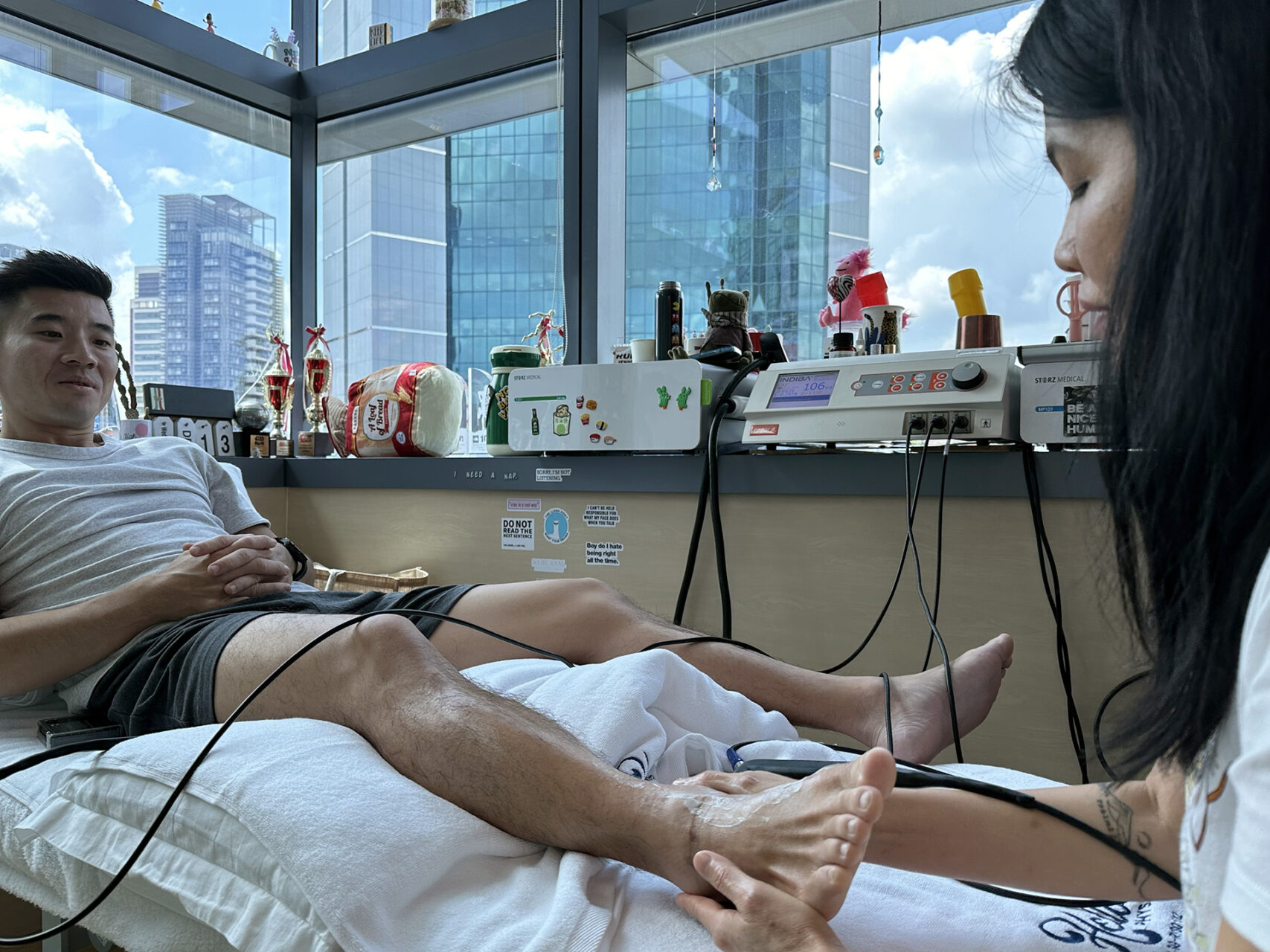
Other treatments, such as INDIBA®, Shockwave Therapy, and Extracorporeal Magnetotransduction Therapy (EMTT), can accelerate recovery and promote healing while you strengthen. These extra tools work best when you consistently do the peroneal tendonitis rehab exercises prescribed to build tendon strength.
Peroneal Tendonitis Exercises
Because the peroneal tendons are often affected by hip instability or excessive foot collapse or shifting, peroneal tendonitis exercises focus on strengthening and controlling the ankle and foot and on better managing stress on the hips and knees.
Start with gentle, non-painful peroneal tendonitis stretches, such as pressing the ankle against light resistance with a resistance band. As the pain lessens, move to more challenging strengthening exercises to build strength and balance.
Runners should check their stride, landing, and core control to avoid strain. Light stretching is acceptable, but avoid aggressive stretching near the ankle, as it can exacerbate pain.
Surgical Intervention
Surgery for peroneal tendon injuries is typically reserved for significant tendon tears, recurrent instability, or persistent symptoms unresponsive to conservative treatment, especially when imaging confirms damage. While most patients prefer physiotherapy to surgery, surgery may be appropriate in certain cases. If surgery is required, pre- and post-operative physiotherapy is crucial for restoring the ankle’s full strength, mobility, and reliable function.
How Long Does Peroneal Tendonitis Last?
Peroneal tendonitis recovery time varies with the severity of the condition, the duration of symptoms, and adherence to appropriate exercise. A mild, early case with a gradual onset may take a few weeks. Chronic cases or those with ankle instability could take months.
Returning to Running and Sport
A safe return to sport requires your tendon to tolerate progressive load and your ankle control to be reliable under fatigue. Flare-ups often happen when training resumes too quickly or when fatigue compromises late-session mechanics. Rehab progressively rebuilds tolerance, from walking to short runs and drills, then longer, faster, and sport-specific activities until the ankle regains confidence.
Preventing Recurrence Long-Term
Keep your tendons strong, avoid sudden increases in training volume, and ensure your ankle is stable, especially after a sprain. Tendons do best with gradual, expected increases in activity. Problems often start when you suddenly run faster, go up more hills, or increase your running distance too quickly.
Your specific prevention plan should include regular strengthening exercises to maintain strength in your calf and peroneal muscles. If you frequently sprain your ankle, performing strengthening exercises is crucial for preventing further peroneal tendon injuries.
How HelloPhysio Can Help
Peroneal tendonitis can be stubborn when misdiagnosed or when treatment focuses on short-term relief rather than rebuilding capacity. The most reliable path forward is a clear assessment, a plan that respects tendon physiology, and steady progress that fits your sport and lifestyle.
Dealing with stubborn peroneal tendon pain? Consult the expert physiotherapist team at HelloPhysio. Book an assessment at our Orchard or Raffles Hotel Arcade clinic locations in Singapore, and we will identify the root cause, set a clear path to recovery, and provide a plan that works for your life.