|
Getting your Trinity Audio player ready...
|
So you’ve just had an ACL surgery, and you’re wondering when you’ll be back to running, training, or even walking comfortably again. ACL surgery recovery time varies, but with proper physiotherapy, adjunctive treatments and a structured plan, most people regain full function within 9 to 12 months. Those who commit to guided rehab can even return to lighter activities much sooner.
ACL tears are a common injury among athletes and active individuals who engage in high-impact sports. That said, ACL injuries can often be prevented or their severity reduced through targeted injury-prevention strategies, including balance and stability training, which are also crucial during rehabilitation to lower the risk of reinjury and improve recovery outcomes.
At HelloPhysio in Singapore, we’ve worked with countless patients recovering from ACL reconstruction, combining manual therapy with cutting-edge technology to help them build strength safely and confidently.

What Is the ACL and Why Does it Matter?
The anterior cruciate ligament, or ACL, is one of 4 ligaments that stabilise the knee. It connects the thigh bone (femur) to the shin bone (tibia) and controls how the knee moves forward and twists. This ligament is crucial for athletes, dancers and anyone who engages in jumping, pivoting or rapid changes of direction.
ACL tears are common among athletes and are significant because the ACL cannot heal naturally after tearing, making proper diagnosis and treatment essential. ACL reconstruction restores stability by using a graft from your own tissue or a donor’s. This procedure repairs the damaged ligament to restore knee function. However, proper recovery comes from physiotherapy and careful rehabilitation to build the strength and balance your knee needs. These elements are key to shortening ACL post-surgery recovery time.
ACL Surgery and Reconstruction
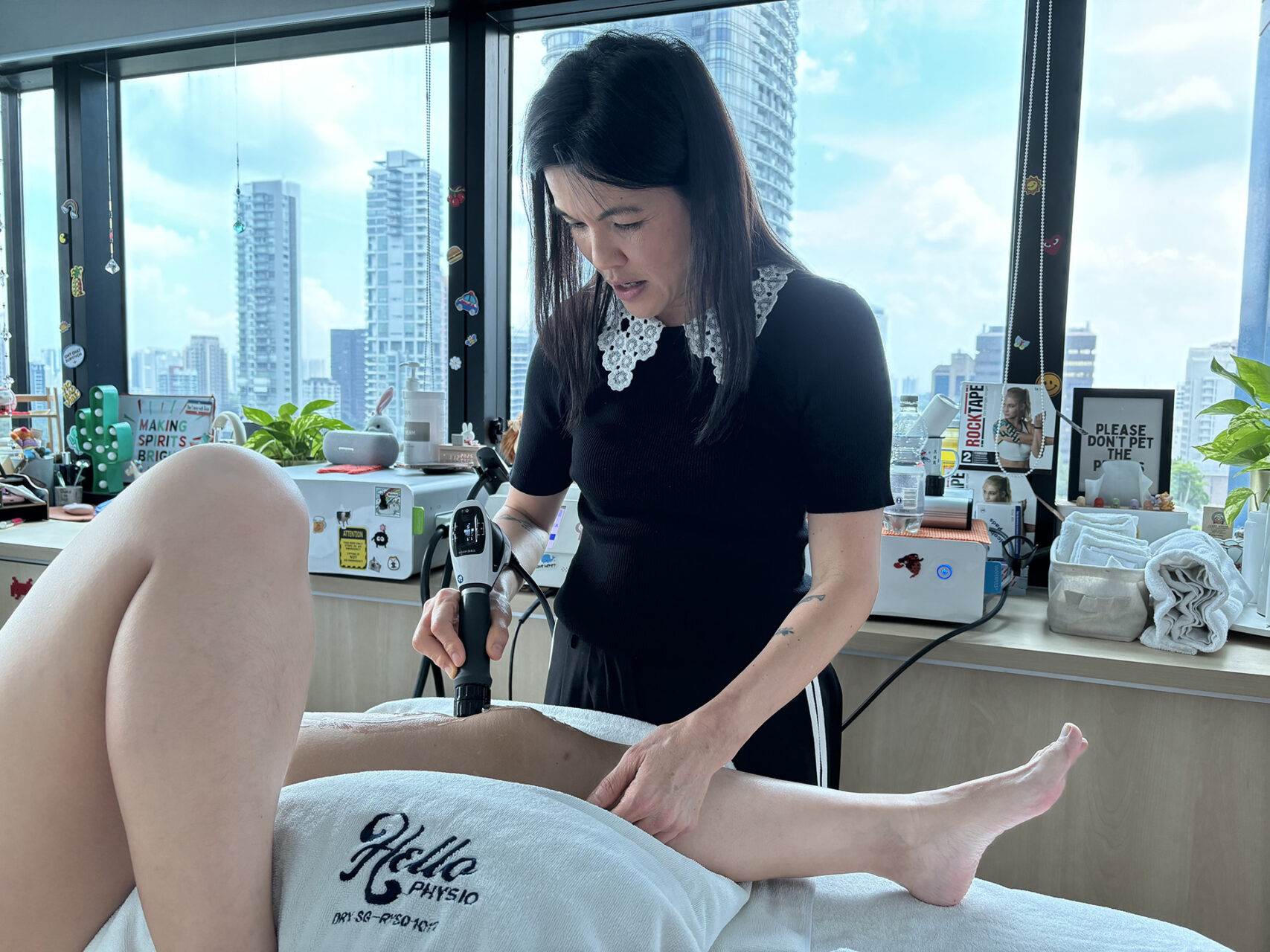
ACL surgery and reconstruction are vital procedures for restoring stability and function to the knee joint after an ACL injury. During the procedure, the surgeon replaces the torn ACL with a graft, either from your own tissue (autograft) or from a donor (allograft), based on the patient’s and surgeon’s preference, as well as your overall physical health and activity goals.
The primary aim of ACL reconstruction is to restore stability to the knee, allowing you to return to your favorite activities without the fear of further injury. However, a complete and successful recovery depends on a comprehensive rehabilitation plan that includes regular physical therapy sessions, targeted strengthening exercises, and a gradual increase in weight-bearing activities. Your physical therapist will guide you through each stage, ensuring your knee joint regains strength, flexibility and balance.
The recovery process is highly individualized, taking into account the type of graft used, your physical health, and how your knee responds to rehabilitation. By following your rehabilitation plan closely and working with your healthcare team, you can optimize your torn ACL recovery time with surgery and safely return to your favourite sport and your daily life.
Preparing for Surgery
In the weeks leading up to ACL surgery, working with a physical therapist can make a big difference. ACL surgery recovery time for athletes is understandably important, so it’s best to get your body prepared for the surgery for optimized outcomes. Targeted physical therapy sessions will strengthen the knee joint, improve knee function and overall knee stability. Exercises like hamstring curls and quadriceps sets are especially useful as they prepare your muscles for the demands of surgery and the rehabilitation program that follows. A strong, well-conditioned knee can lead to faster recovery and reduce the risk of future injuries.
A structured rehabilitation protocol, developed with your physical therapist, will guide you through each stage of recovery. This personalized rehabilitation plan will take into account your overall physical health, the nature of your ACL tear and the type of surgery performed. By attending regular physical therapy sessions and following your rehabilitation program closely, you’ll gradually regain strength and mobility in your knee joint.
Typical ACL Tear Surgery Recovery Time
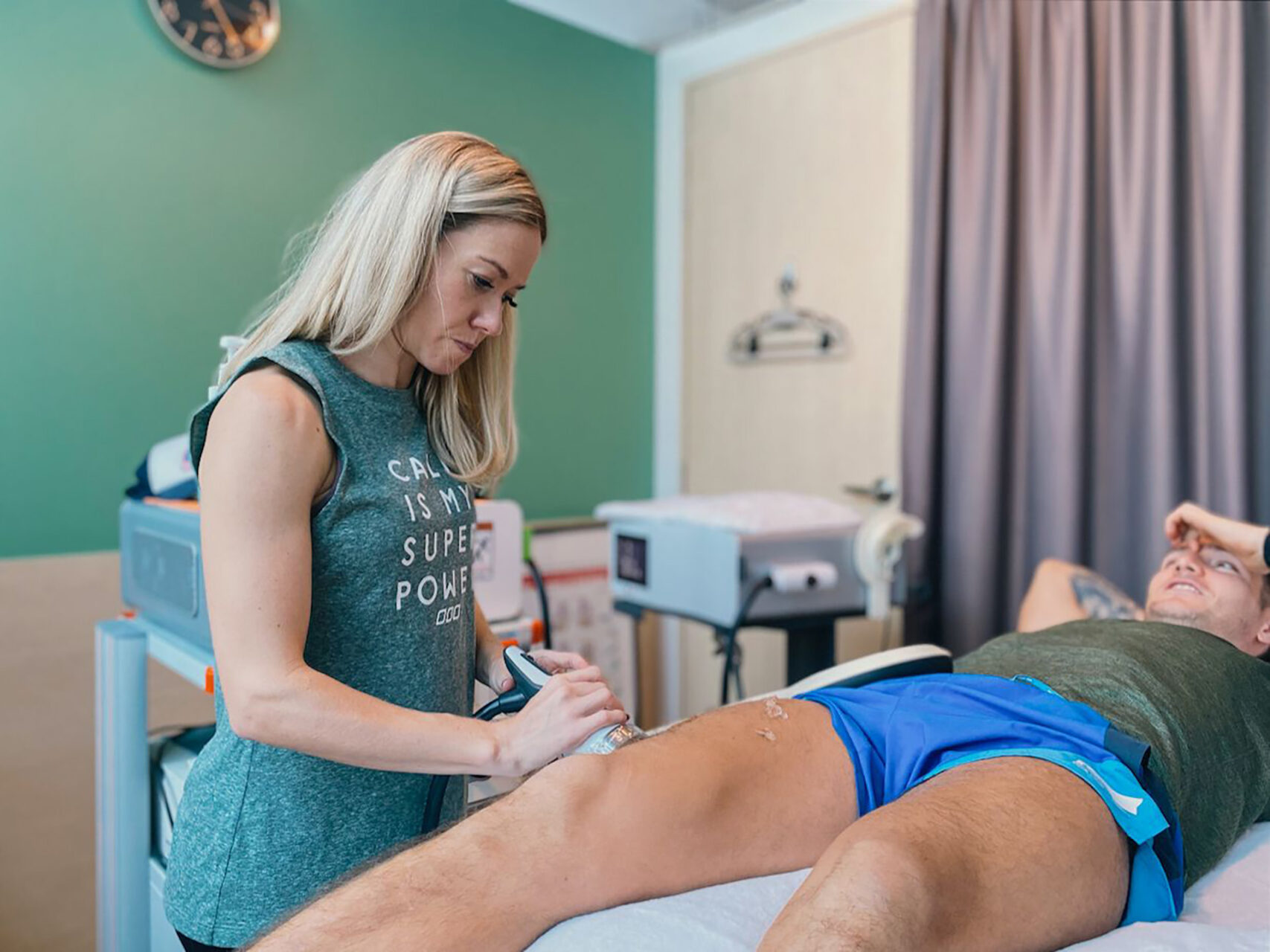
ACL surgery recovery takes 9 to 12 months, but many patients can start light, controlled movement within weeks. Some can even return to low-impact activities as early as 5 months, but full athletic performance requires patience and structured care.
Here’s what most patients can expect:
- Weeks 2-6: Walking without crutches, improving range of motion
- Weeks 6-8: Light cycling or aquatic exercises
- 3-4 Months: Running on LightSpeed Lift (reduced body weight)
- 5-6 Months: Outdoor running or low-impact sport drills
- 6-9 Months: Agility and pivot training
- 9-12 Months: Full return to sport or competition
Factors such as graft type, pre-surgery fitness, general health and adherence to physiotherapy all influence how quickly you recover. The key is consistency with steady, guided progress rather than rushing through milestones.
Phase 1: Early Recovery (0-2 Weeks After Surgery)
After ACL revision surgery, patients typically spend a few hours in the recovery room. In this initial post-surgery area, medical staff closely monitor pain management, control swelling, and encourage early movement to ensure a safe transition before discharge.
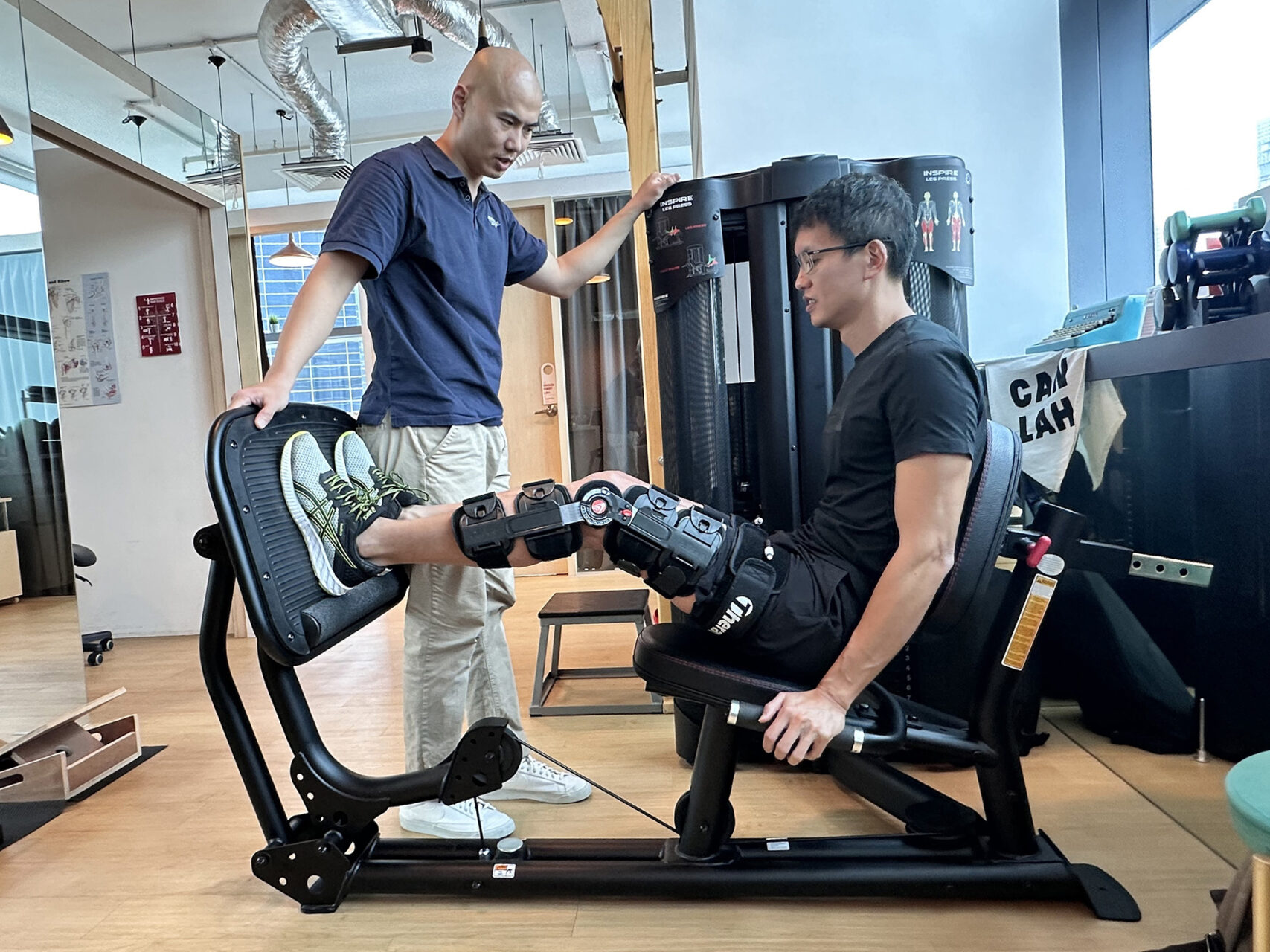
In the early stages of recovery, the focus is on reducing swelling, protecting the graft and restoring knee movement. You’ll use ice packs, elevation and prescribed pain management to alleviate discomfort while working with your physiotherapist to do gentle exercises. Managing pain and using strategies to reduce swelling and limit movement, such as using braces or crutches, are key in the early stages to protect the surgical site and promote healing. This may include quad sets and heel slides to maintain circulation and prevent stiffness.
Phase 2: Regaining Strength and Mobility (2-6 Weeks)
Once swelling subsides, physiotherapy focuses on regaining control and building foundational strength. You’ll progress from partial weight bearing to full weight bearing and start using your leg more naturally. In this stage, it’s important to do knee-bending exercises to restore the range of motion. Patients should gradually increase their activity level and weight-bearing capacity under the guidance of a healthcare professional.
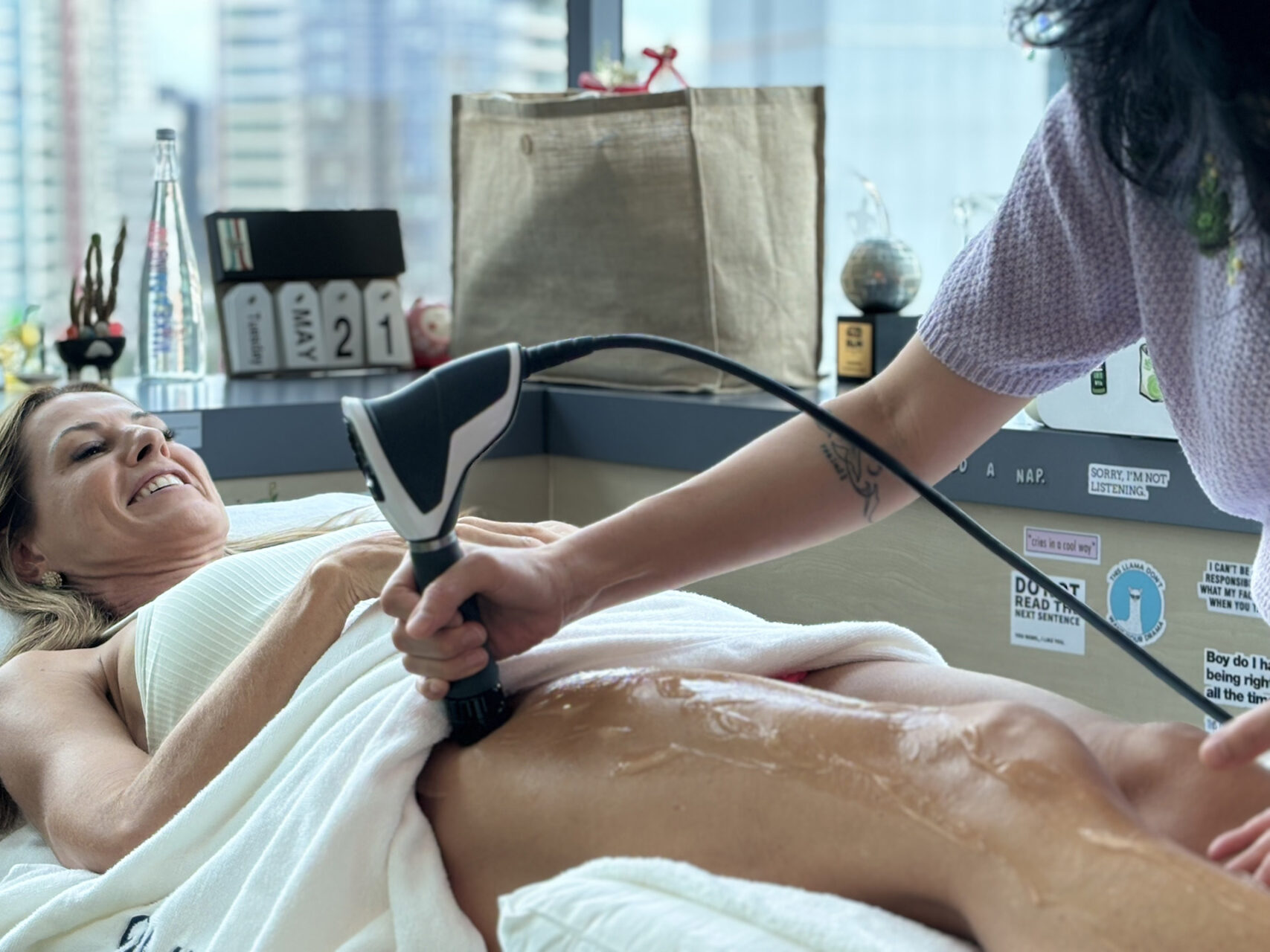
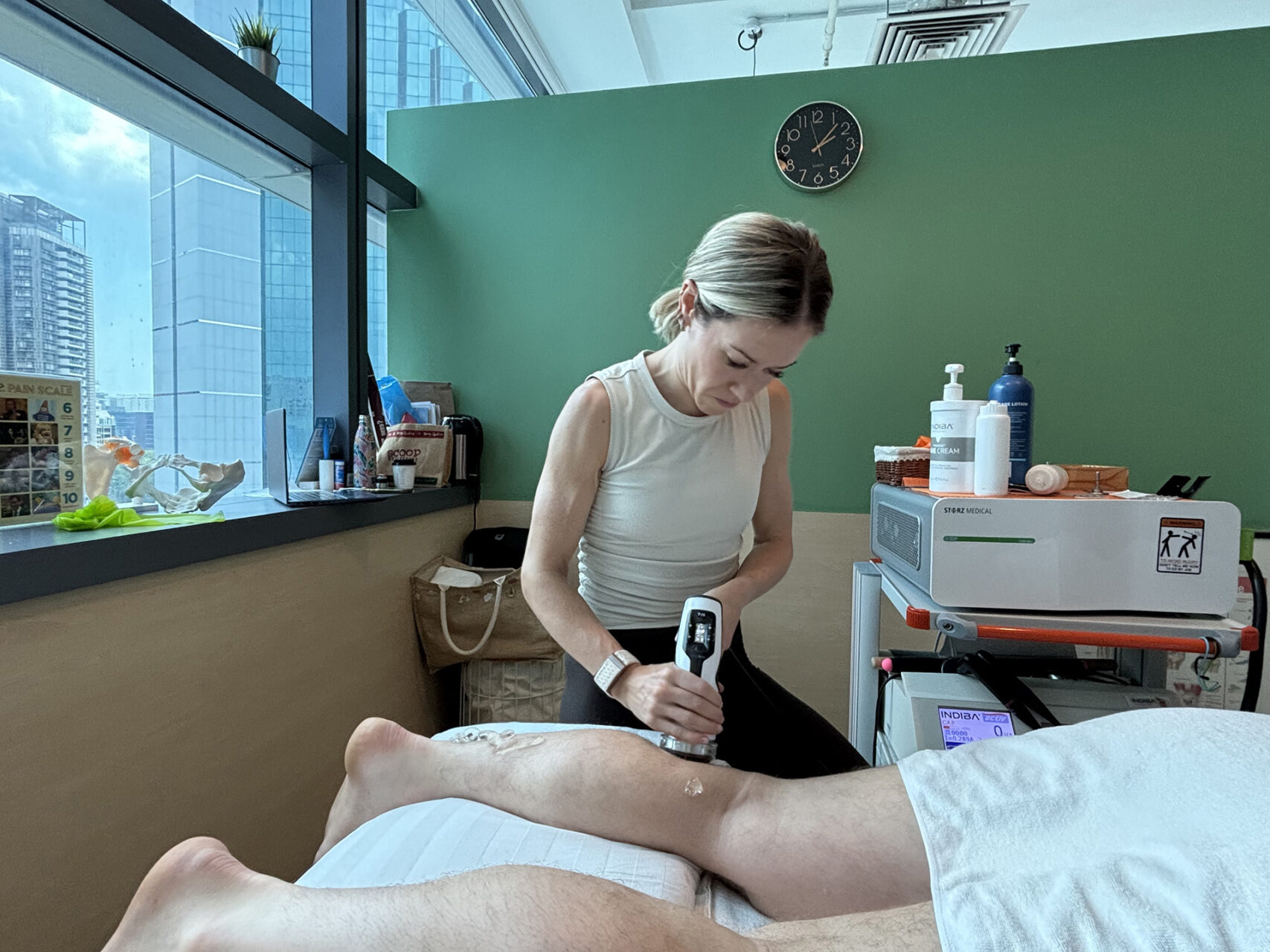
Shockwave Therapy may be introduced to break down scar tissue and stimulate soft tissue repair during this phase. The combination of Shockwave Therapy and INDIBA®, a radiofrequency technology, promotes faster recovery and prevents stiffness around the surgical site. By Week 6, many patients can walk without crutches and start stationary cycling to restore mobility.
Phase 3: Intermediate Recovery (6 Weeks to 6 Months)
This stage bridges early healing and advanced functional training. By now, your knee can tolerate more load, and physiotherapy becomes more dynamic.
Balance training, proprioception and strength exercises will be introduced. Think single-leg stands, step-ups and controlled squats to improve strength and stability in both knees. Gradual introduction of weight-bearing activities is also emphasized as part of the rehabilitation process to restore mobility and joint stability.
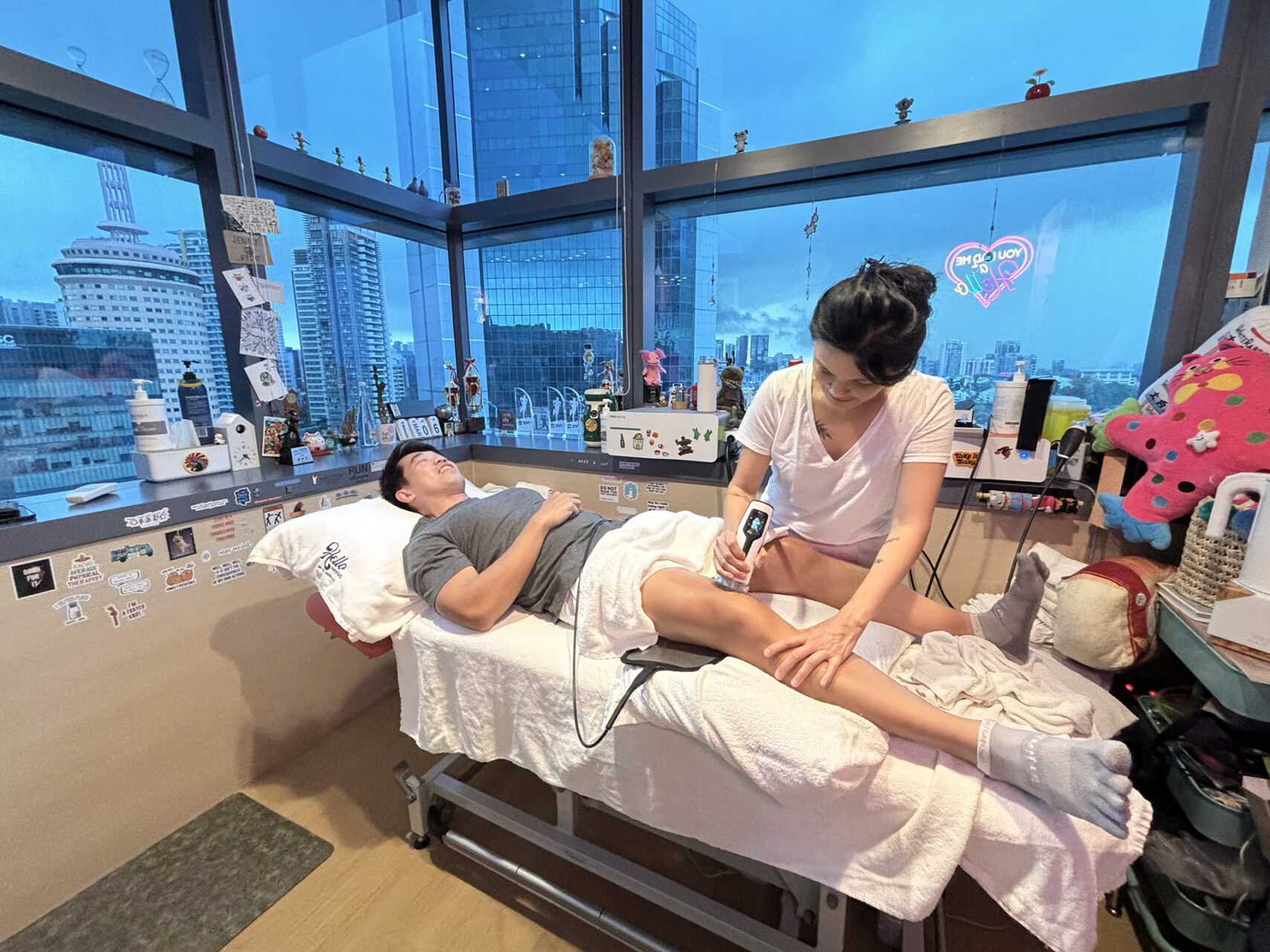
One of the tools we use at HelloPhysio is LightSpeed Lift. This ‘antigravity’ rehabilitation device supports part of your body weight, enabling you to walk or run earlier in your recovery. This allows you to practice proper movement patterns safely without overloading the healing knee. During this phase, patients will feel tangible progress as they move freely again with proper control and support.
If any discomfort persists, Shockwave Therapy helps release tight spots or scar adhesions, while INDIBA continues to promote deeper tissue healing and regeneration.
Phase 4: Advanced Rehabilitation and Return to Sport (6 Months to 1 Year)
This phase focuses on agility, power and confidence in movement, such as the ability to pivot, jump and land without hesitation. Advanced rehabilitation now incorporates sport-specific drills alongside progressive strengthening exercises to rebuild knee strength and overall function.
You will do progressive drills, including plyometrics, agility ladders, resistance training, and sport-specific drills, tailored to your athletic goals. Periodic use of INDIBA will support tissue remodeling, keeping muscles and ligaments supple during intense training, for runners and athletes in Singapore who train in hot and humid conditions, managing inflammation and maintaining joint mobility are crucial.
LightSpeed Lift remains an asset here, allowing simulated high-impact movements without the strain of full body weight. By reducing joint stress, patients build endurance and strength safely, avoiding setbacks that could prolong recovery. Assessing the knee’s strength is a critical factor in determining when a patient can return to sports and high-impact activities, as it ensures readiness and reduces the risk of reinjury.
Factors That Influence ACL Surgery Recovery Time
Graft Type
Hamstring tendon grafts are popular for athletes who need flexibility and strong acceleration, while patellar tendon grafts offer durability for sports that require quick stops. Donor grafts, although less invasive to harvest, often take longer to integrate. Physiotherapy tailors the plan accordingly, adjusting load and progression speed to match the graft type.
Pre-Surgery Fitness
Patients who undergo prehabilitation, or strengthening and conditioning before surgery, tend to recover faster. Strong quadriceps and a balanced lower body provide better post-op support, reducing atrophy and instability. If you’re having ACL surgery, even a few weeks of prehabilitation with your physiotherapist can make a measurable difference in your recovery time.
Adherence to Rehabilitation
No matter how good the surgery is, skipping or rushing physiotherapy can compromise your rehab outcome. Consistency is key. Rehabilitation should progress gradually, rebuilding strength, flexibility and coordination step by step. At HelloPhysio, each patient follows a tailored recovery roadmap that blends hands-on care, manual therapy and adjunctive modalities to stay on track safely.
Type of Sport
Your sport influences how soon you can return. Activities like cycling or swimming may be back within 6 months, while pivoting or contact sports like basketball or football may take 9-12 months. Every knee and every athlete is unique, so your physiotherapist will assess your readiness using movement and strength testing before giving you the green light.
Taking the Right Steps to Full Recovery
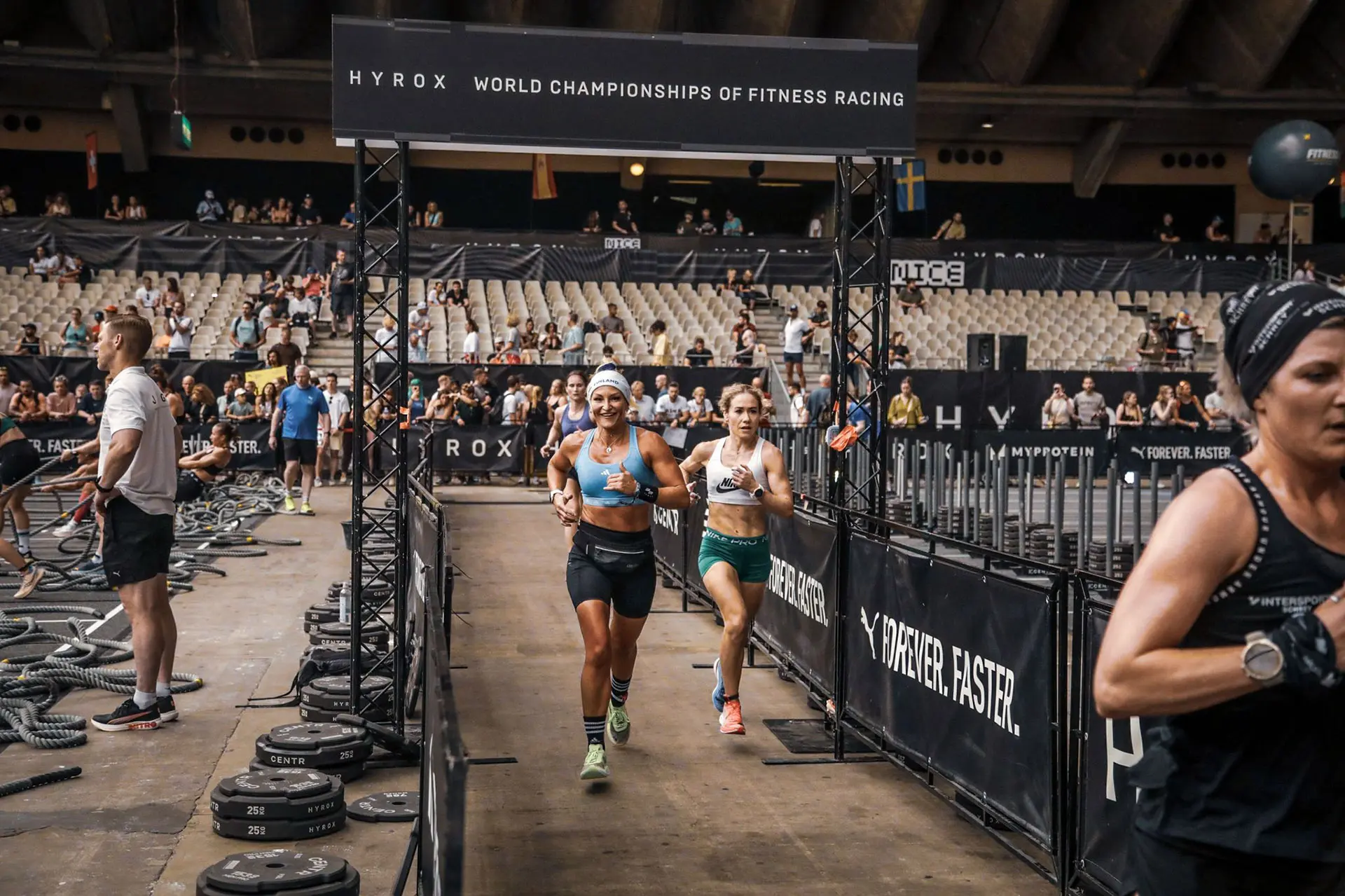
Recovering from ACL surgery is a marathon, not a sprint. While most patients regain full function within 9-12 months, the objective measure of success lies in strength, stability and confidence. Physiotherapy bridges the gap between surgery and return to sport, while adjunctive modalities like INDIBA, Shockwave Therapy, and LightSpeed Lift help you get there faster, with fewer setbacks. Get in touch with HelloPhysio today to schedule an initial consultation and get back to your sport safely and surely.