
|
Getting your Trinity Audio player ready...
|
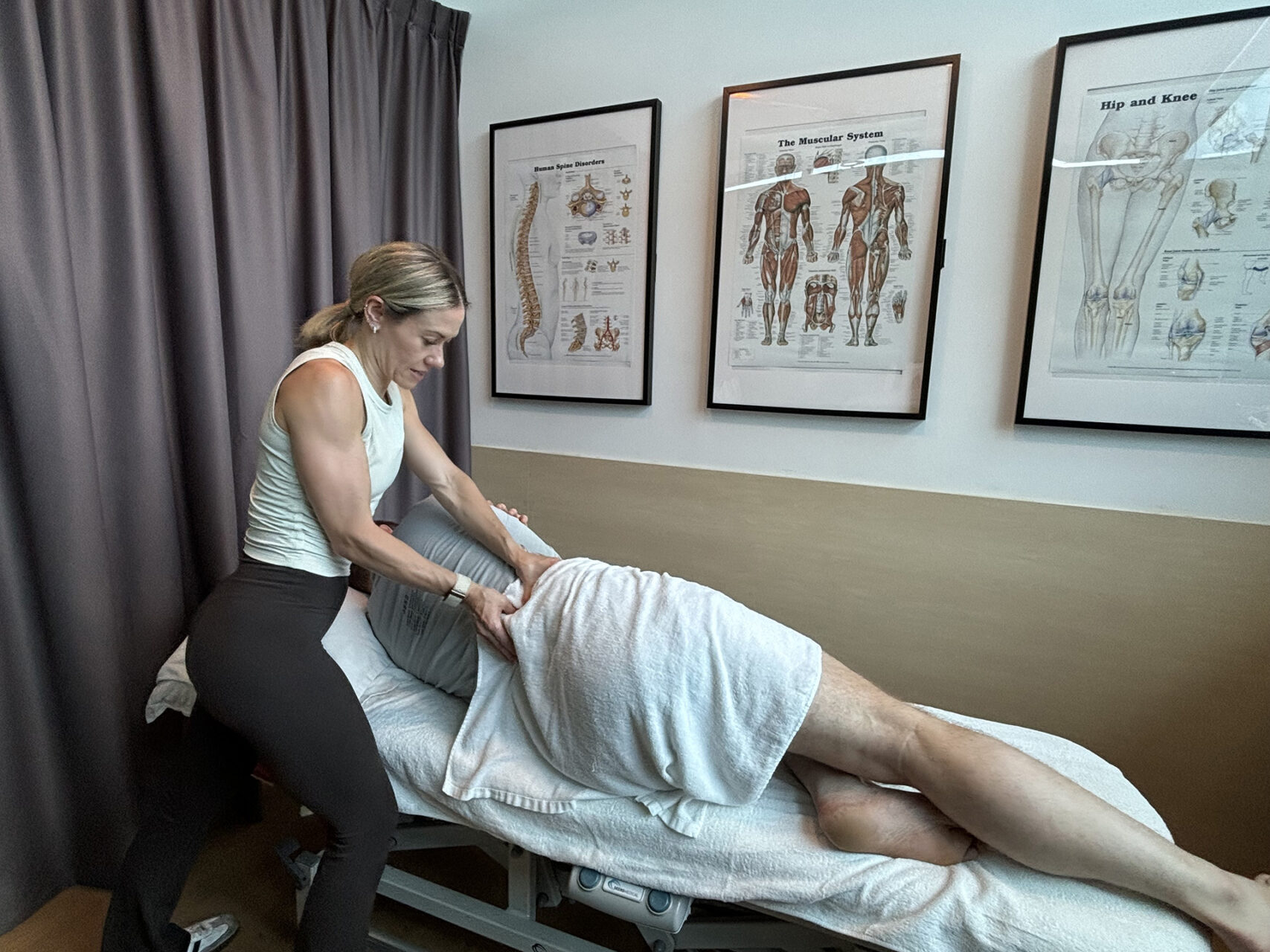
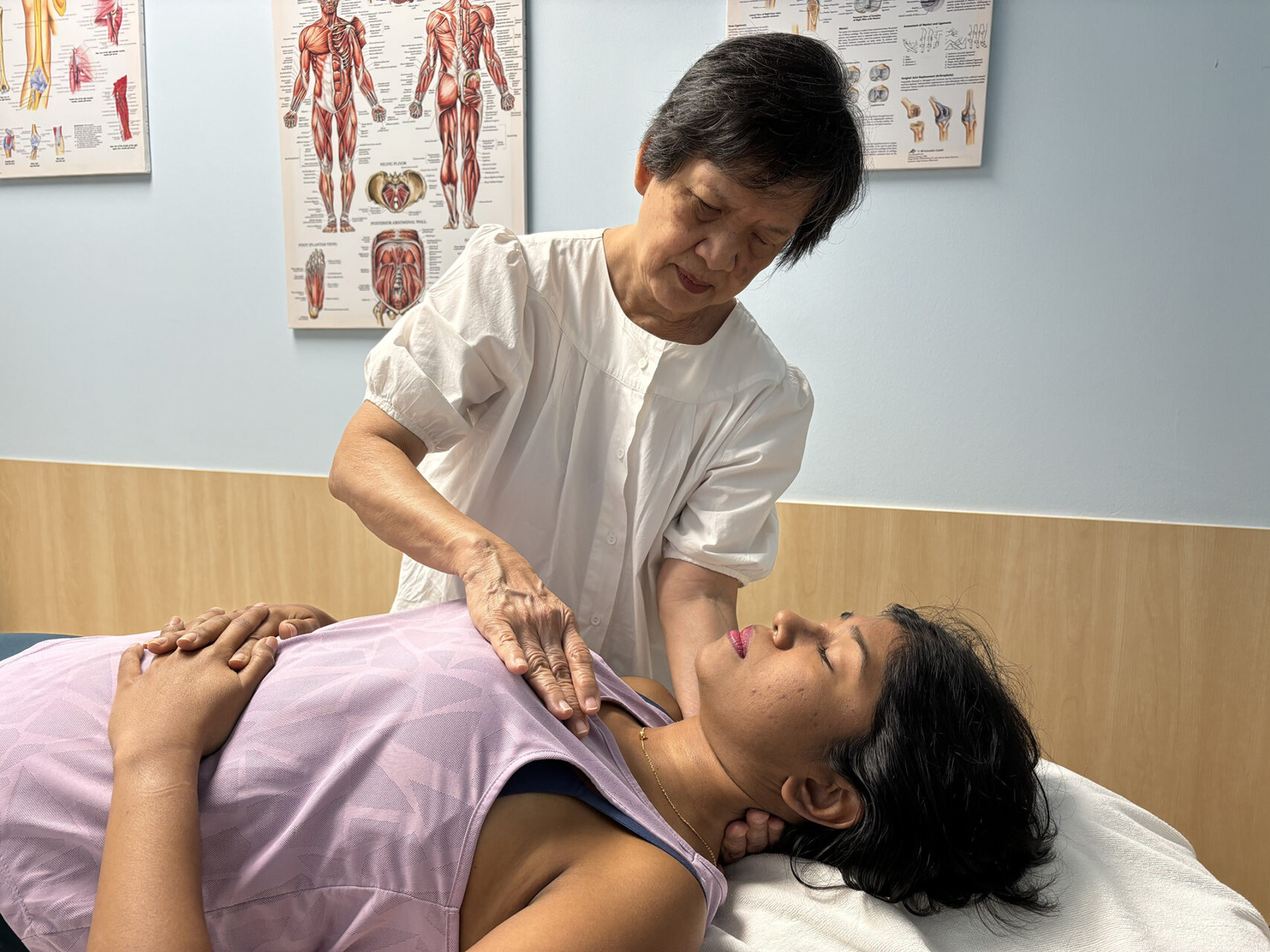
Soft tissue release (STR) is a physiotherapy technique that involves getting hands-on with your muscles, tendons, and fascia to address pain and stiffness, restore proper movement patterns, and reduce pain.
Many issues that leave you feeling ‘stuck’ after an injury or chronic injury aren’t a sign of weakness or lack of flexibility. More often than not, it has to do with how your soft tissue responds to physical stress and load, and how it heals afterwards, usually leading to reduced mobility and restricted movement.
At HelloPhysio, we take a holistic approach to soft tissue release therapy that’s about more than a quick fix. We’ll get you moving more comfortably and with more freedom, often within the first session. To lock in those gains, we’ll also give you personalized treatment plans with a set of exercises to work with at home. It’s the combination of in-person active release techniques and at-home soft tissue release techniques that’s the key to lasting success and overall physical well-being.
What is Soft Tissue Release?
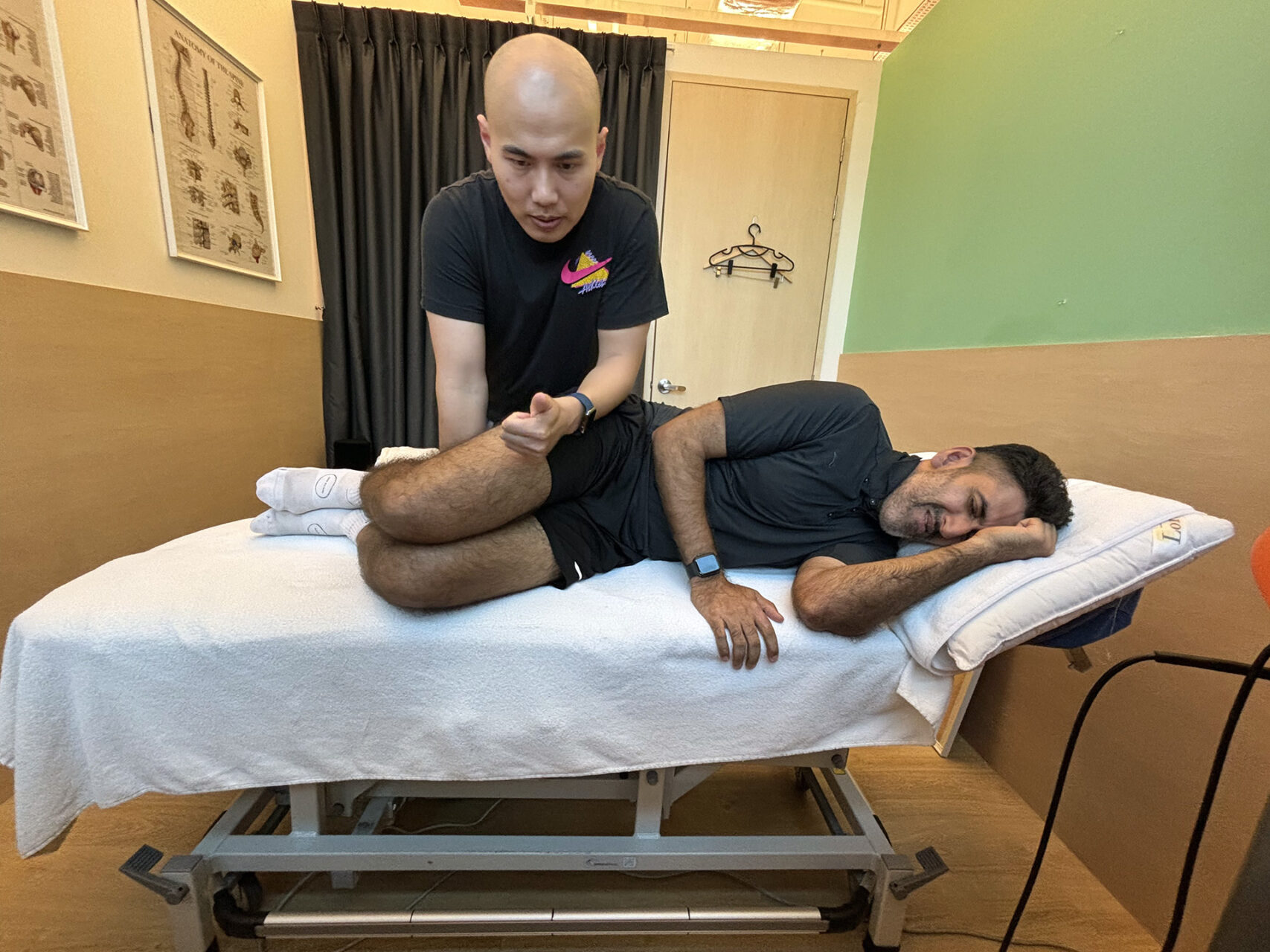
Soft tissue release is a manual therapy technique that targets the muscle tension in your muscles, tendons and fascia to improve comfort, support movement, and reduce pain. Soft tissue release techniques can involve sustained, precise pressure, gliding strokes and guided movement to help your tissue tolerate stretch and load. The ultimate goal is to reduce sensitivity, restore fluid tissue glide, and return your range of motion to normal without placing excessive stress on the joint.
While it’s similar to a deep tissue massage, soft tissue release physiotherapy is a more targeted approach that’s linked to a specific movement goal, such as getting a good squat, running with less impact, or getting smooth shoulder rotation.
How Does Soft Tissue Release Work?
After an injury, your nervous system tends to increase muscle tension as a protective measure.
While it’s helpful in the short term, persistent guarding and muscle guarding can limit your range of motion, change the way you move, and keep chronic pain going. That’s why soft tissue release and muscle guarding often come up together. The former is a means to address the latter.
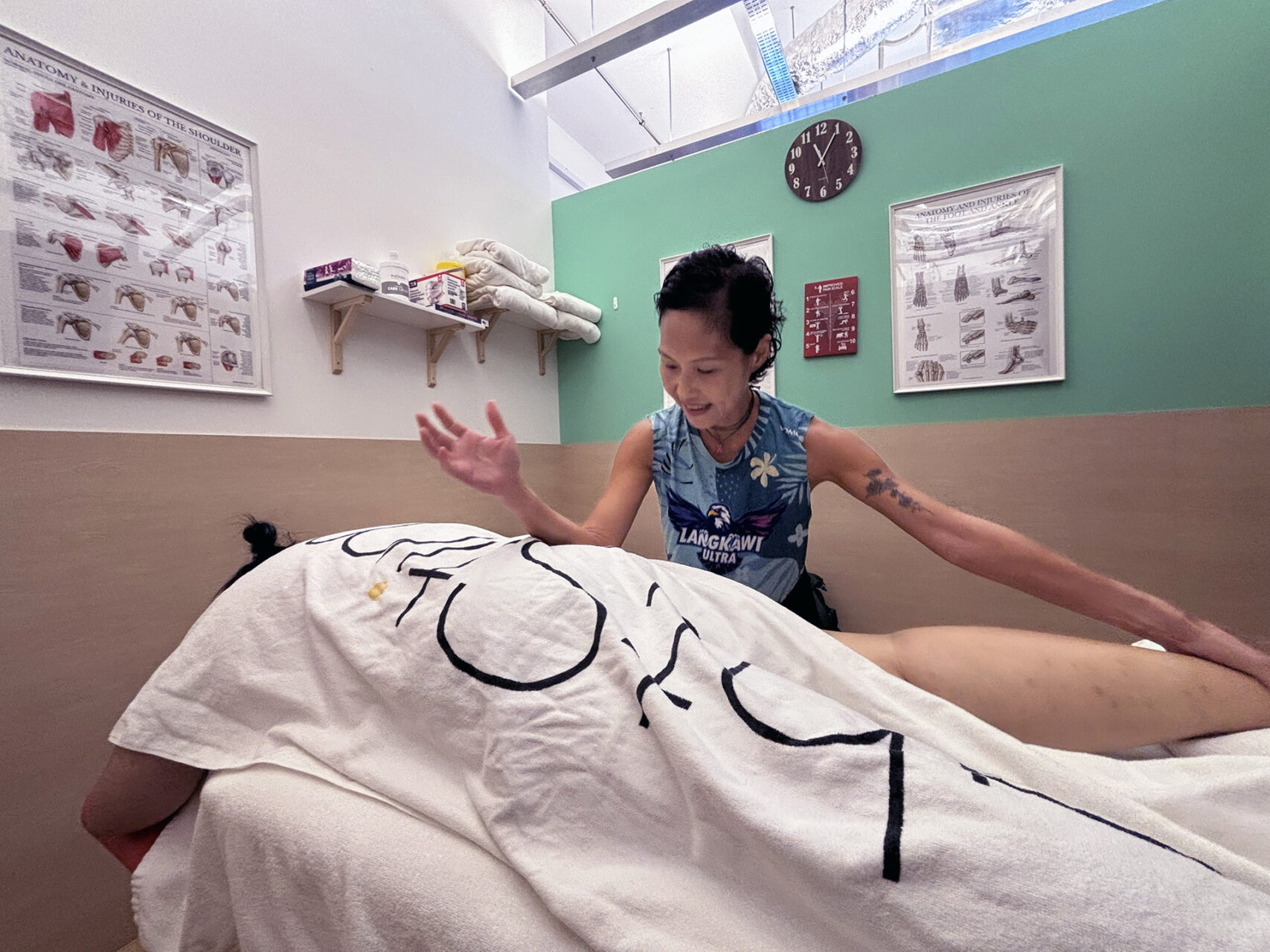
STR techniques are designed to calm down this over-protection and get your tissue gliding smoothly again. You may get immediate pain relief, but that’s only part of the benefits. The primary purpose is to get your function back on track, meaning achieving a full range of motion or being able to load your tendons without muscle pain.
What Is Active Release Technique and How Is It Different?
Active Release Technique (ART) is a specific style of soft tissue work that combines precise pressure with active movement to get stuck tissue moving again. The Active Release Technique works by having the therapist apply gentle pressure to the specific areas causing the problem. Then you move through a particular range, and the tissue starts to “relearn” how to move smoothly.
The Active Release Technique is helpful for specific patterns. At HelloPhysio, we may use ART where it fits in your treatment plan, but we’ll also blend it with other soft-tissue release, adjunctive modalities, and exercise progression to help you move fluidly.
Who Benefits From Soft Tissue Release Physiotherapy?
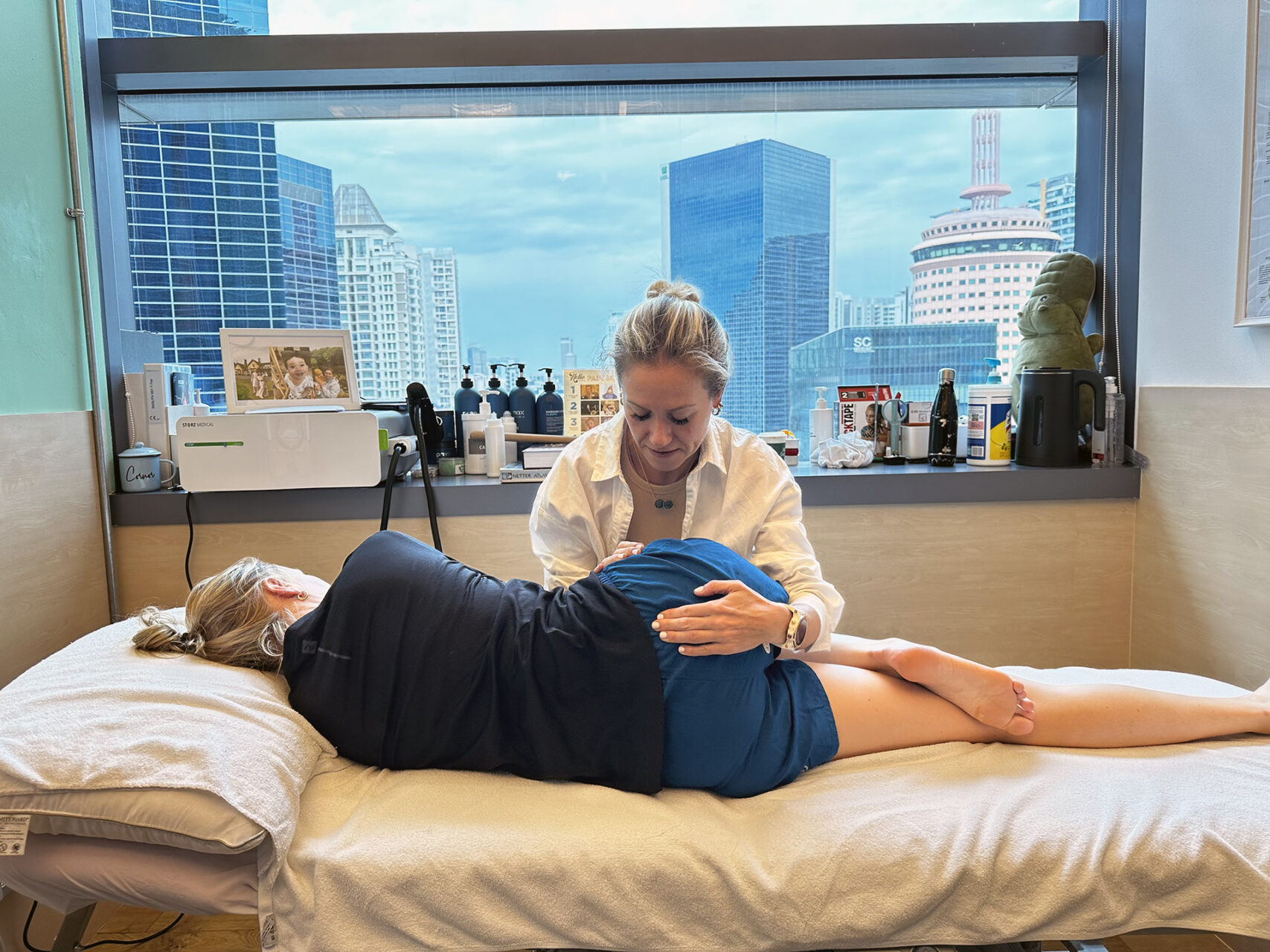
Soft tissue release physiotherapy is beneficial for treating pain and restriction that comes from overuse, poor posture, old injuries or spikes in training. Runners in particular love it for tight calves, hamstrings, hip flexors and plantar fascia; strength athletes for shoulders, elbows, and hips; and desk workers for neck and upper back muscle tension that’s impacting shoulder mechanics.
It’s useful for many musculoskeletal conditions, such as:
- Muscle strains that feel healed but still limit mobility
- Tendon overload is causing sensitivity
- Post-injury stiffness that holds you back from training
- Recurring trigger points with increased volume
- Myofascial pain syndrome and muscular tension
- Muscle adhesions and connective tissue restrictions
- Chronic conditions affecting mobility
What To Expect During A Session
Soft tissue release is a targeted, purposeful therapy that starts with examining how you’re moving, how strong you are and how your tissue is coping with load. We’ll then create the treatment approach that best achieves your goals. Immediate loosening up is common, but lasting and consistent change comes from following up on treatment with targeted exercises that use the new range or reduce sensitivity.
Mild, temporary, painful soreness is possible, especially if you’ve had long-standing issues, but it should settle within a couple of days. We’ll adjust the pressure, duration and exercises based on how you’re responding to achieve optimal length and greater range of motion in multiple planes.
The Advantages And Disadvantages Of Soft Tissue Release
The advantages of soft tissue release include quicker comfort, improved range of motion, and better tolerance to strength and running progressions, especially when tissues are irritable. It can also boost your confidence in movement and improve overall function.
However, STR is problematic when used alone. You need to put in the strength and control work to keep your tissues and muscles supple and fluid. Relying solely on repeated sessions without any exercise or progressive loading will get you some short-term pain relief, but not much more.
How HelloPhysio Combines Treatment, Tech and Prescribed Exercises
At HelloPhysio, our soft tissue release approach is designed to complement a clear progression plan, not compete with it. Here are some other treatment options available at HelloPhysio:
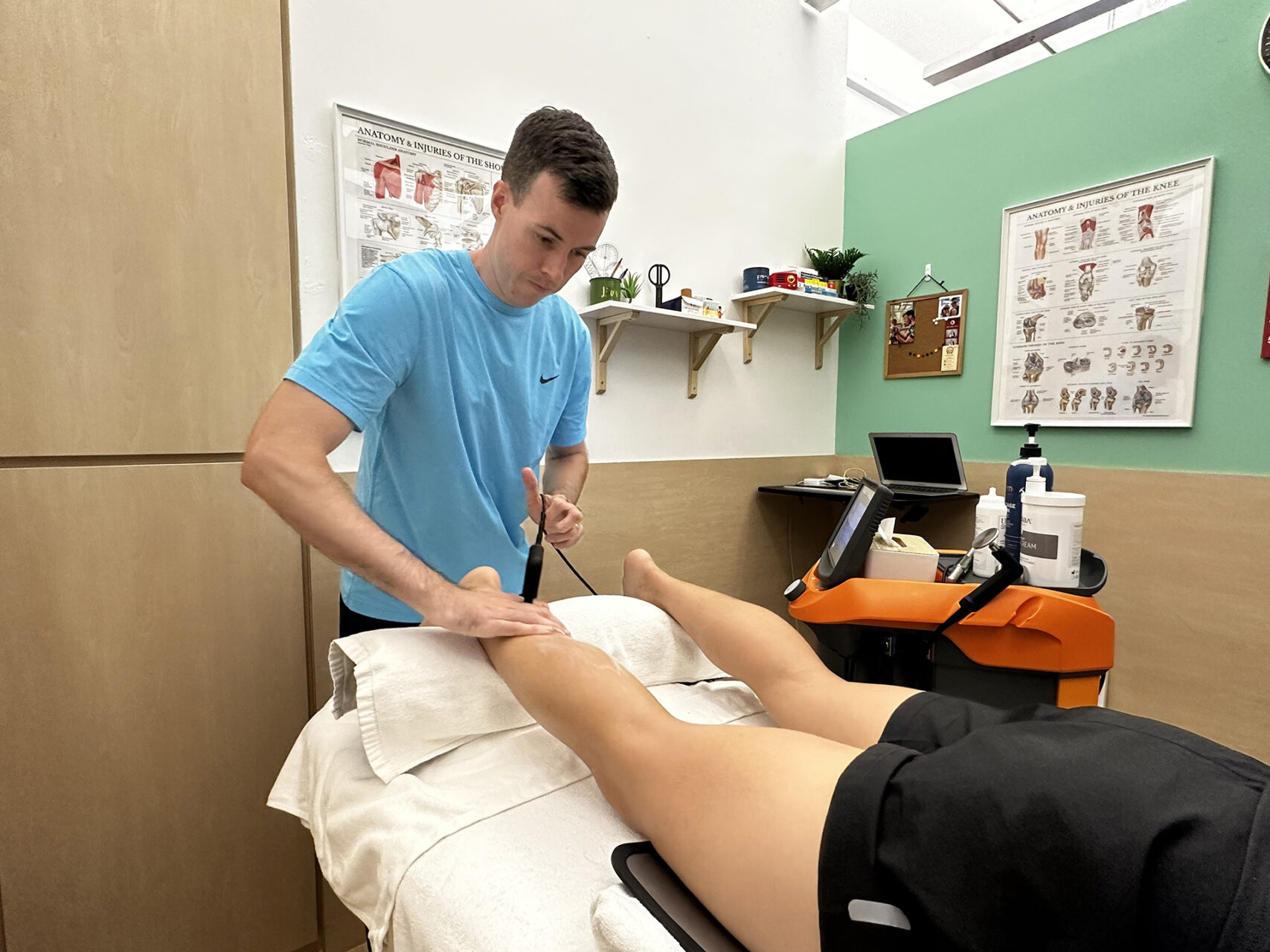
Manual Therapy
We often combine hands-on therapy with various modalities to help you better tolerate training and move with more confidence. These supporting treatment approaches include:
- Posture correction
- Proprioception training
- Strength and control exercise
- Plyometrics
- Myofascial release
- Taping techniques
- Injury prevention
Adjunct Modalities
INDIBA® Therapy
This advanced modality warms and calms irritated tissue, so soft-tissue release techniques feel smoother and less likely to provoke a reaction.
Shockwave Therapy
This technique is helpful for cases of stubborn tendon or fascia pain that’s super sensitive and refusing to budge, no matter how gentle your therapist is. This can help treat pain from chronic injury.
EMTT (Electromagnetic Transduction Therapy)
We might use this technique when pain and irritation are getting in the way and preventing you from doing the exercises you need to get better and improve mobility.
Dry Needling
Dry Needling is used to reduce trigger-point sensitivity and help muscles work properly again when they’re completely shut down by muscle guarding.

Prescribed Exercises
Ultimately, it all comes down to integrating this into your prescribed exercises, because, at the end of the day, it’s through exercise that you build lasting physical capacity and address musculoskeletal conditions effectively.
This combined approach is critical in Singapore, where some people are burning the candle at both ends, working long hours sitting, then trying to fit in a few intense gym sessions at F45 in East Coast Park on the weekends, or squeezing HIIT workouts at Barry’s Bootcamp Raffles in between a long workweek.
Ready to Start Feeling a Bit Looser and Stronger?
Soft tissue release can be the turning point when all of a sudden, pain, stiffness, or recurring muscle tension starts getting in the way of your daily life. If you’re searching for soft tissue release near you, get in touch with HelloPhysio to book an assessment and receive a plan that combines manual therapies from our experienced therapist with technology, myofascial release, and exercises that directly restore your body’s natural movement patterns.