
What Is an Ankle Hairline Fracture?
A hairline fracture of the ankle or hairline stress fracture is a tiny crack or bruise in an ankle bone, which is often hard to notice. Hairline stress fractures are common in athletes or anyone who tries to push through pain. Unlike a broken ankle or fractured ankle, a hairline fracture can result from a simple twist, a slip, or overdoing an activity over time, making it easy to mistake for an ankle sprain.
Hairline fractures are tiny cracks in weight-bearing bones. The small crack can be in the lower leg: the shin bone (tibia), lateral malleolus, medial malleolus, fibula, or talus. A hairline stress fracture in the ankle occurs when the bone is overloaded, often due to a sudden increase in activity like walking, running, or standing, and doesn’t get enough time to heal. It simply means the bone is under more stress than it can handle.
Risk factors include repetitive stress, repetitive strain, weakened bones and dietary gaps. Other risk factors, such as prior hairline fractures and low bone strength, can also contribute to hairline fractures. To prevent more severe fractures, accurate diagnosis, a physical examination, and stress management are essential.

Ankle Hairline Fracture Symptoms
Most hairline fractures and hairline ankle fractures develop gradually over days or weeks. The symptoms of a hairline ankle fracture usually include localized pain, dull pain, tenderness, swelling, and discomfort with walking or impact activities.
A useful way to think about hairline fracture symptoms is that they tend to follow load. If the ankle hurts more the more you do, and settles when you back off, the bone may be signaling overload rather than simple muscle soreness. That pattern matters in runners and active adults. In Singapore, it is not unusual to see this after someone rapidly builds mileage for a race, returns to sport after time off, or spends long days on hard surfaces with little recovery.
At first, the pain may only occur during running, brisk walking, climbing stairs, or hopping. Later, it may appear earlier in physical activity, linger afterwards, or begin to affect normal walking. A common symptom is persistent pain in the affected area. Many people notice one very specific tender spot. Applying gentle pressure to the affected area may cause it to feel slightly swollen. Mild bruising can happen.
Ankle fractures are usually worse with weight-bearing activities and better with adequate rest, which is an important clue. Determining hairline fractures requires attention to this pattern.
Ankle Hairline Fracture Causes
Hairline stress fractures are usually caused by repetitive stress, sudden increases in activity, or, less commonly, a smaller traumatic event that creates a fine crack. High-impact sports, long-distance running, jumping, cutting and repetitive stress loads are common triggers.
Stress fractures are overuse injuries. A hairline fracture develops when training volume, intensity, frequency or surface changes too quickly. Poor footwear, altered foot mechanics, high or rigid arches, prior hairline fractures, prior stress fractures, low bone density, low vitamin D levels, insufficient recovery, nutritional deficiencies, and other risk factors can all contribute. Particularly, those new to physical activity develop stress fractures not because they are reckless, but because the bone has not had enough time to adapt.
This is also why a hairline stress fracture is not limited to elite athletes. Stress fractures can happen in those who start a new exercise program too aggressively, in workers who spend many hours on their feet, or in older adults whose weakened bones are affected by osteoporosis. When the underlying issue is weaker bone rather than pure overuse, clinicians sometimes call it an ‘insufficiency break’. Persistent pain and focal bone pain from stress fractures deserve attention. Seek treatment early.
How Is a Hairline Fracture Diagnosed
Although regular X-rays are commonly the first tests for an ankle hairline fracture, early X-rays can miss them. A small crack will not show up right away on an ankle hairline fracture X-ray and may only be visible when healing changes appear weeks later. An ankle hairline fracture has to be diagnosed based on the history, physical examination, and imaging.
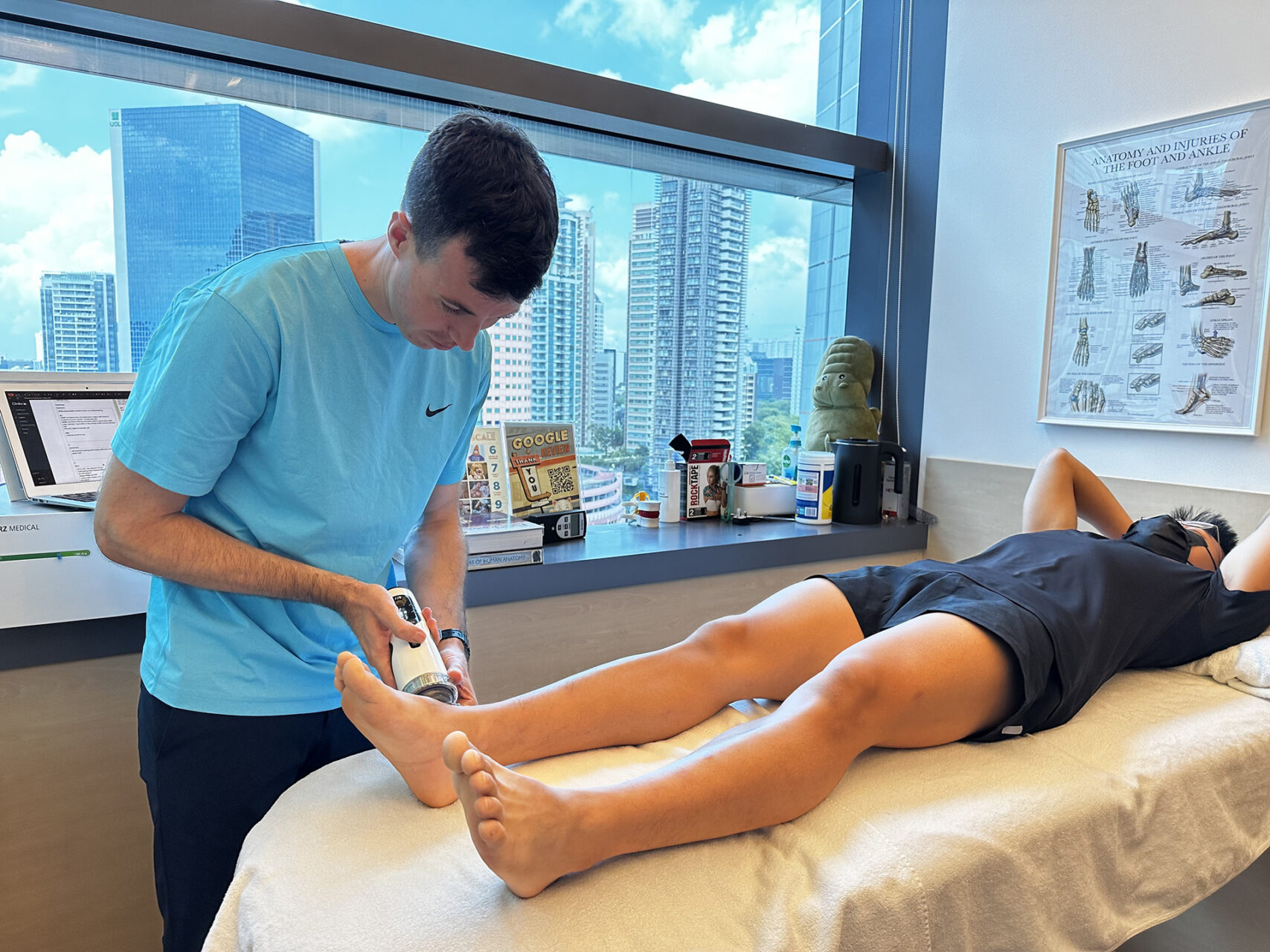
Magnetic resonance imaging (MRI) is widely considered the best imaging test for detecting stress fractures and hairline fractures early because it can show bone abnormalities, stress and changes. A CT can also be helpful in selected cases, especially when the diagnosis remains unclear or surgical planning is needed.
If an initial hairline fracture X-ray is normal, but the history and physical examination strongly support it, clinicians often do not stop there. Repeat X-rays, MRIs, or sometimes a bone scan, which uses radioactive material to detect increased blood supply at the fracture site, may be recommended when pain persists or the injured area is at high risk.
A bone scan can help with an accurate diagnosis. This matters because a missed injury is not just a labeling problem. It can change what the patient is allowed to do, how quickly they return to sport, and whether the bone heals well. An orthopedic surgeon may be consulted in severe cases.
Treating a Hairline Ankle Fracture
Most hairline ankle fractures respond well to treatment. Treatment for hairline ankle fractures usually includes adequate rest, activity modification, and sometimes a boot, brace, cast, or crutches, depending on the site and severity. Treating hairline ankle fractures starts with reducing the load on the affected limb to allow the bone to heal properly. The main goal of hairline fracture treatment is simple: protect the injured foot and bone from repetitive stress while symptoms settle, and the healing process begins.
Hairline bone fracture pain management with pain relievers can help manage discomfort. Stable injuries are often managed without surgery, but some fractures in areas with poorer blood supply, injuries that progress, or injuries in high-demand athletes may need specialist review and sometimes surgery. Treating the injury early and well often prevents a small crack from becoming a complete break.
The treatment of a hairline ankle fracture should also address the cause. That may mean adjusting training load, reviewing footwear, addressing nutritional deficiencies, improving nutrition with a balanced diet and vitamin D, and correcting mechanics that repeatedly overload the same affected area.
Physiotherapy often becomes especially important once the bone is protected and the ankle joint starts to tolerate more movement. At this stage, rehabilitation may include gentle range-of-motion work, calf and hip strengthening, gait retraining, and at-home exercises such as ankle alphabet drills, towel calf stretches, seated calf raises, and later single-leg balance work when cleared.
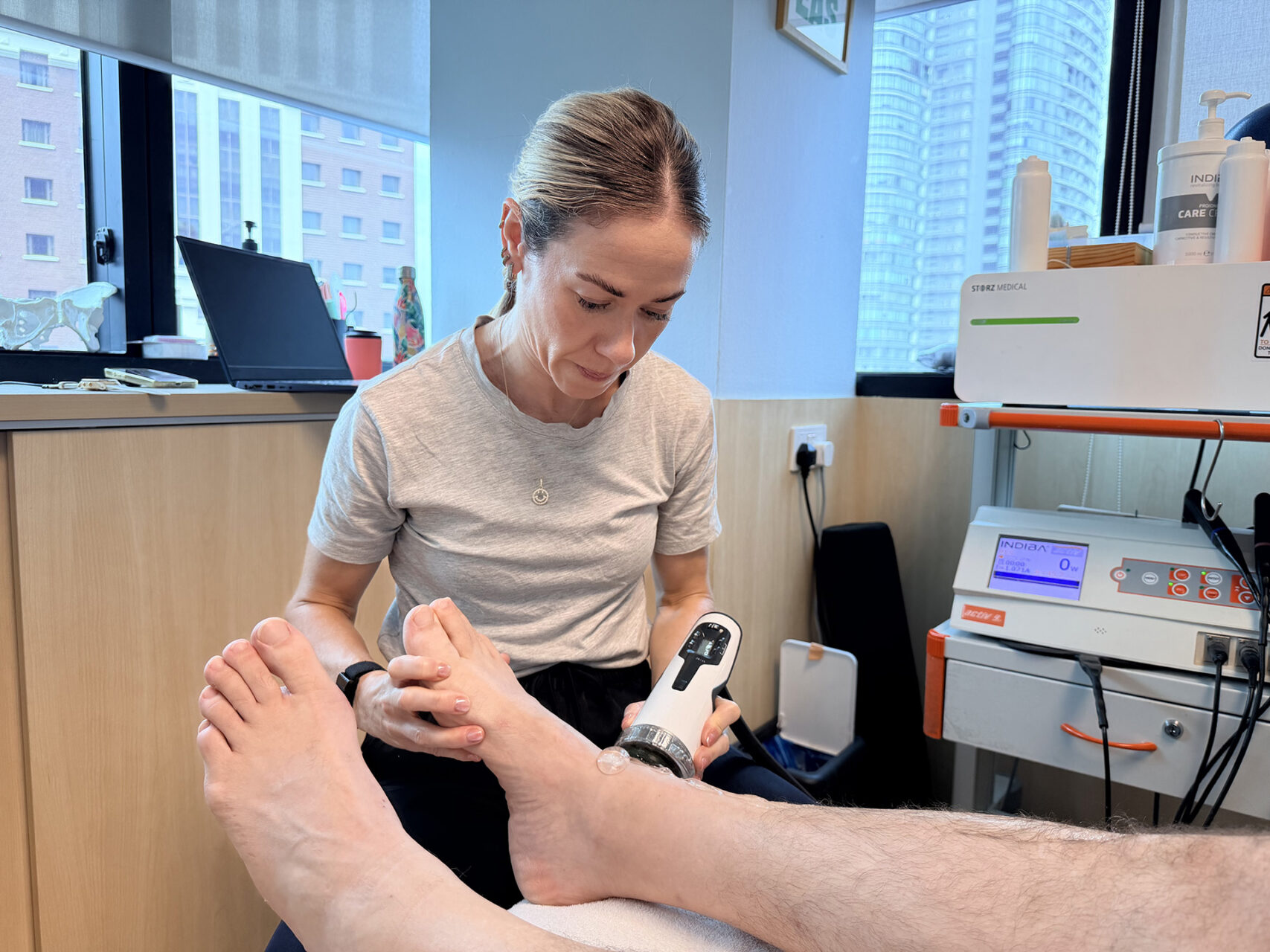
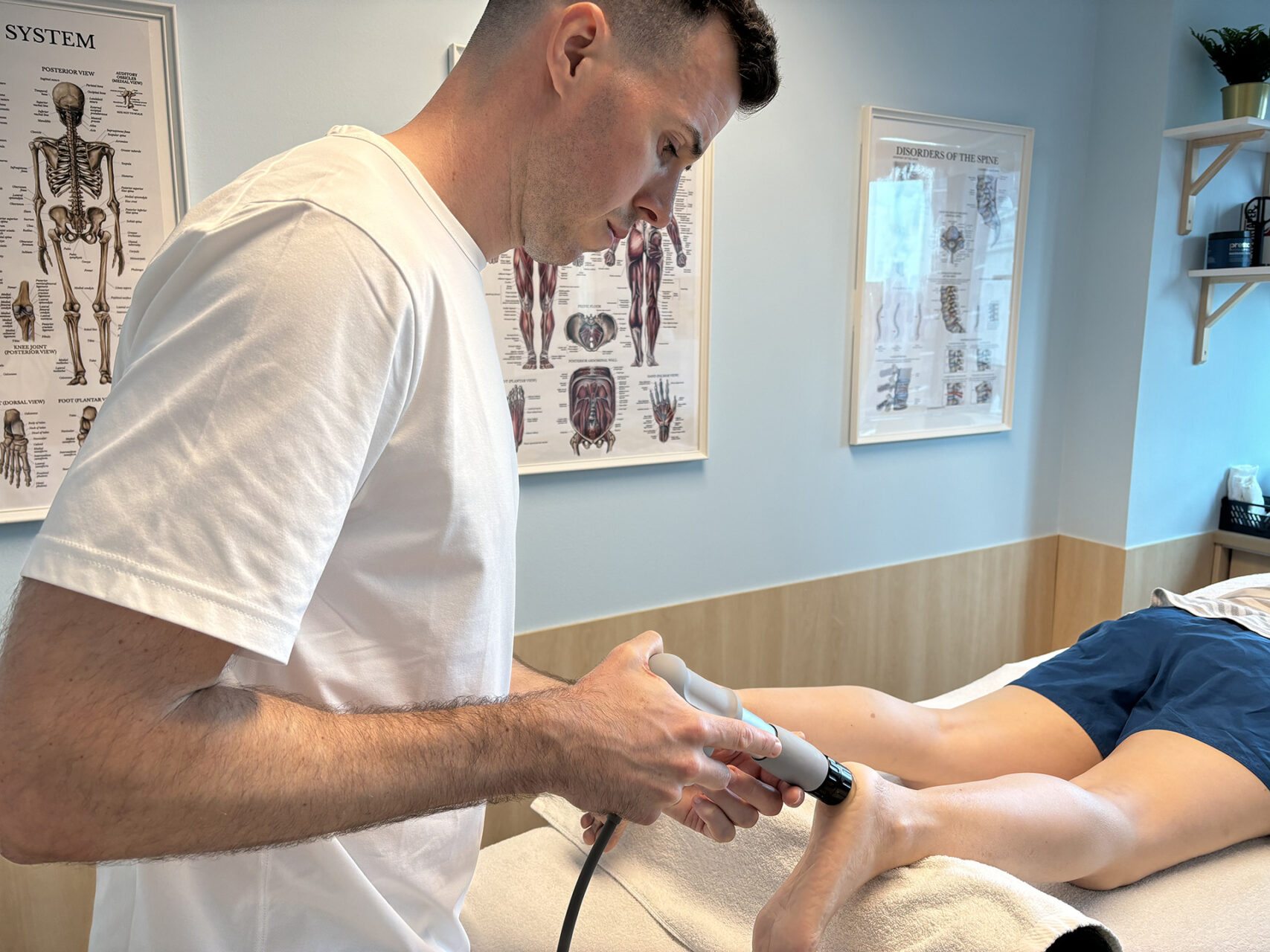
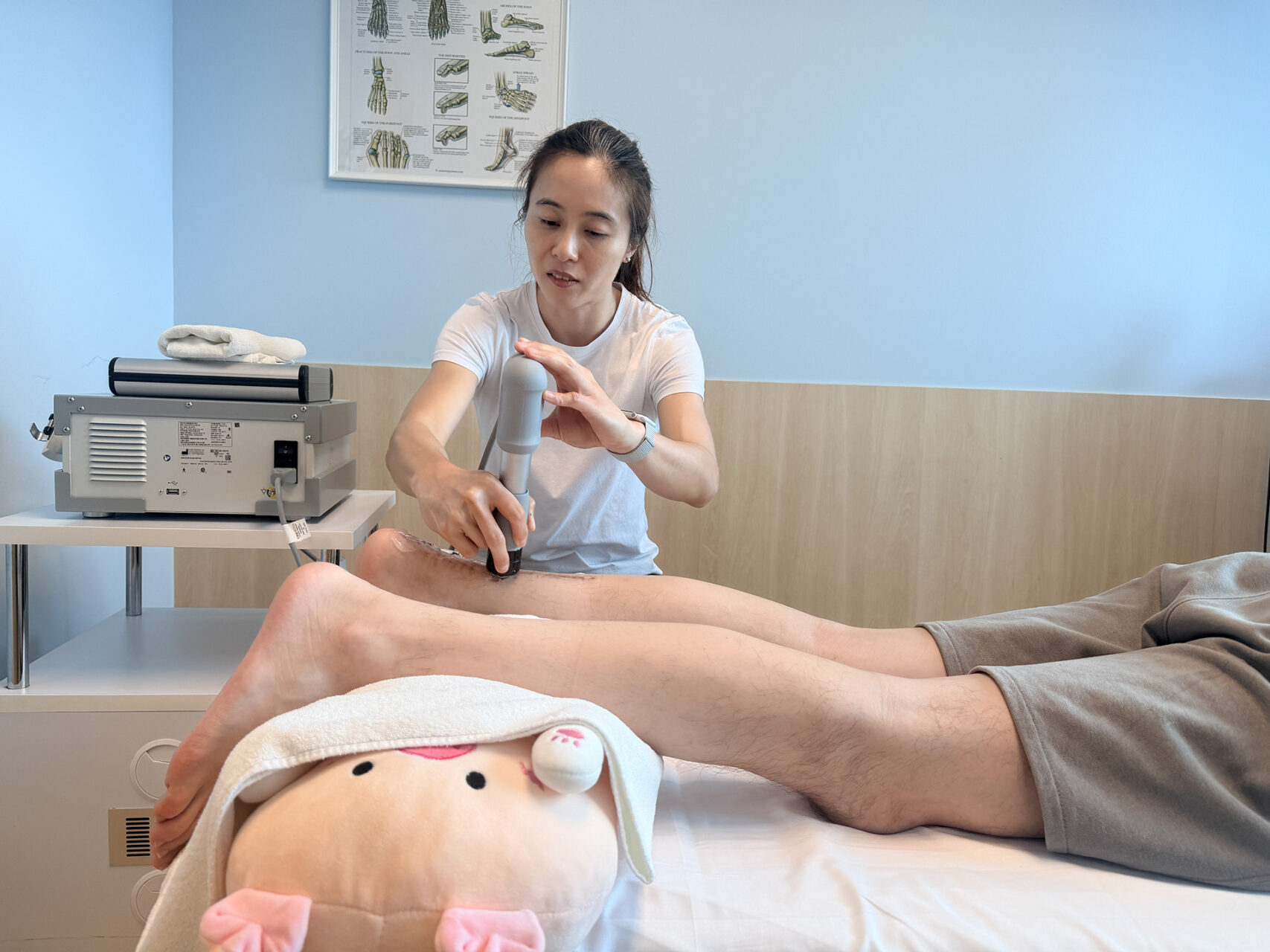
INDIBA® is used in musculoskeletal rehabilitation for pain reduction, swelling control, mobility and tissue recovery, while EMTT is positioned as a noninvasive option for musculoskeletal pain and inflammation. These can support comfort and progression, but they do not replace offloading the bone.
Ankle Hairline Fracture Recovery and Healing Time
The recovery time for an ankle hairline fracture is usually measured in weeks to months, depending on the bone involved, the timing of the diagnosis, and whether the ankle is properly protected. The healing time for hairline ankle fractures is typically 6 to 8 weeks, but a return to full impact and weight-bearing activities may take longer.
Some weight-bearing bones heal more slowly, especially when the blood supply is less favourable, or the injury has been aggravated by ongoing walking, running or sports. In practice, the recovery time for a hairline stress fracture is not only about when the crack settles. It is also about when the fractured ankle can walk, balance and absorb load normally again.
The hairline ankle fracture healing time is also affected by what you do during recovery. Continuing to walk on pain can delay healing, returning to impact too soon or ignoring medical advice can delay healing. Early treatment usually improves the odds of a smoother recovery and fewer complications. A gradual return is key. Cross-training that minimizes strain on the ankle joint may be possible when approved, but high-impact work should wait until the bone has healed properly and the person is ready.
Untreated Hairline Ankle Fracture Complications
An untreated hairline fracture can progress to a complete fracture, chronic pain, or a long-term mechanical issue. That is the main reason not to shrug off a persistent tender ankle, hoping it will fade. When stress fractures are left untreated, and loading continues, the small crack can enlarge. In some cases, a hairline fracture left untreated may contribute to delayed healing, chronic pain, cartilage damage, altered walking, or earlier joint wear. The longer the overload pattern continues, the harder the healing process and recovery can become.
This is also where careful rehab matters. After immobilization or protected walking, the injured foot and affected limb are often stiff, the calf is weak, and the surrounding muscles may guard or tighten. Dry needling has evidence supporting its role in reducing pain in musculoskeletal conditions and may be used later in rehab for calf or peroneal muscle trigger points when muscle guarding is present.

How HelloPhysio Can Help
Physiotherapy helps by guiding the ankle from protection to normal loading in a measured way. Once the bone is stable enough, rehab focuses on restoring ankle motion, calf strength, balance, and walking mechanics so the joint can handle daily life and sports again. That process is especially important for runners and field-sport athletes, because hairline ankle fractures rarely happen in isolation. Stiffness at the ankle joint, weakness in the calf and hip, and poor single-leg control can all shift force back to the same or other affected areas if left unaddressed.
A good prevention plan to minimize strain is practical, not fancy. It usually means building training more gradually, keeping footwear appropriate, supporting bone health with a balanced diet with vitamin D, and doing prescribed home exercises consistently.
At HelloPhysio, rehab may also include INDIBA® or EMTT to support symptom control, and dry needling when myofascial pain is limiting progress. The goal is not just to settle ankle pain. It is intended to restore confidence in the ankle and reduce the risk that the same overload pattern recurs. Hairline ankle fractures and hairline fractures respond well to appropriate progression of physical activity.
If you think you may have a hairline stress fracture, a fractured ankle, or a sprained vs broken ankle, or you are stuck in recovery and want a clearer plan, contact HelloPhysio for an assessment and a personalized rehabilitation program.