
|
Getting your Trinity Audio player ready...
|
When heel pain lingers for months despite rest and conventional treatments, it’s often a sign of chronic plantar fasciitis, a condition that requires a comprehensive and targeted recovery plan. Plantar fasciitis is the most common cause of chronic heel pain in adults. Many patients with chronic plantar fasciitis experience pain with their first steps in the morning or after periods of rest.
At HelloPhysio, we see patients from all over Singapore who’ve had long-standing heel pain that stops them from walking comfortably, exercising, or just enjoying their day. Whether you’re a runner training along Marina Bay or a teacher on your feet all day, chronic plantar fasciitis can affect your quality of life. With the right approach, recovery is possible.
What Is Chronic Plantar Fasciitis?
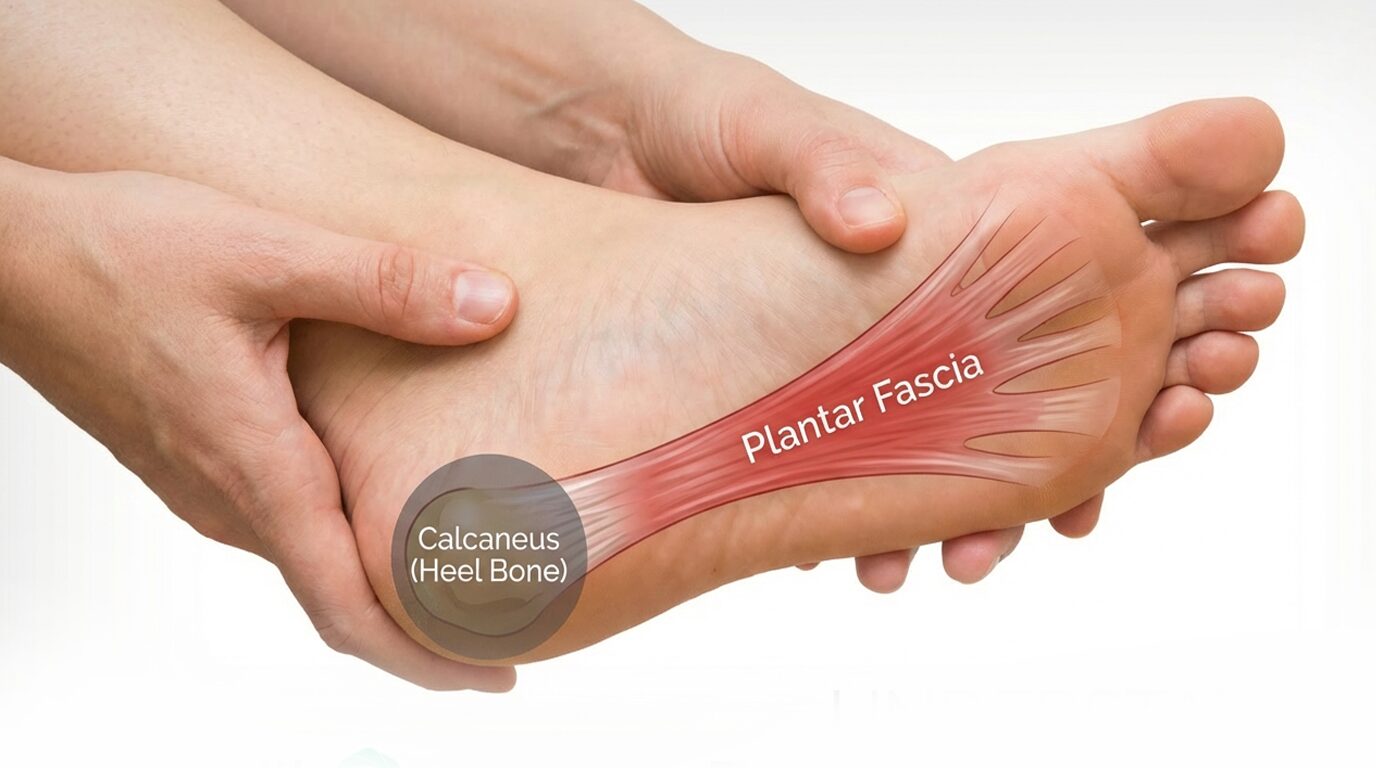
The plantar fascia is a thick band of connective tissue that runs from the heel bone to the base of the toes, supporting the arch and absorbing shock during movement. Chronic plantar fasciitis is the long-term inflammation and degeneration of this fascia.
When this tissue is overloaded by repetitive strain or poor foot mechanics, it can develop microtears, leading to heel pain and stiffness. If left untreated, acute inflammation can progress to a chronic condition in which the fascia becomes less elastic and more fibrotic.
In chronic cases, plantar fascia thickness may increase, which can be measured using imaging techniques such as an ultrasound. An ultrasound for chronic plantar fasciitis treatment may reveal a thickness greater than 4.0 mm, which is considered abnormal and confirms the diagnosis.
Is Plantar Fasciitis Chronic or Acute?
Plantar fasciitis can start as an acute injury, a short-term irritation caused by a sudden increase in activity, or improper footwear. It becomes chronic when the pain persists beyond three to six months. Chronic plantar fasciitis involves structural changes within the tissue rather than simple inflammation, which is why standard rest and stretching aren’t enough.
Causes of Chronic Plantar Fasciitis
Common contributing factors for chronic plantar fasciitis include:
- Overuse or repetitive strain from running, jumping or prolonged standing
- Tight calf muscles or the Achilles tendon, which pulls on the heel
- Poor foot mechanics, such as overpronation or flat feet
- Inadequate footwear that fails to provide proper arch support
- Weight gain or increased load, which increases strain on the fascia
In Singapore’s warm climate, many of us wear flat shoes, sandals or flip-flops that lack cushioning and arch support. This is an everyday habit that can silently aggravate chronic plantar fasciitis.

Symptoms of Chronic Plantar Fasciitis
The most common symptom of chronic plantar fasciitis is heel pain that’s worse in the morning or after periods of rest. Over time, chronic inflammation can lead to compensatory movement patterns that affect gait and even contribute to lower back pain through altered posture and biomechanics. The pain may ease with movement, but often returns after prolonged activity or standing.
Other signs include:
- Persistent tenderness at the bottom of the heel
- Tightness in the arch or calf muscles
- Pain when climbing stairs or after intense exercise
- Occasional radiating discomfort towards the midfoot or Achilles tendon
About 30% of cases of chronic plantar fasciitis involve pain in both feet, making daily activities like walking or running doubly challenging. Early treatment targeting both heels, including Shockwave Therapy and custom exercises, can prevent long-term issues and restore mobility.
Before Your Physiotherapy Appointment
When you visit a physiotherapist for plantar fasciitis, a little preparation can go a long way. Make a list of your symptoms, including when your heel pain started, how severe it is, and which activities make it better or worse.
Your health care professional may ask you to bring along a pair of your worn-out athletic shoes. Examining the wear patterns on your shoes can give valuable insight into your foot mechanics and help guide your treatment plan.
Chronic Plantar Fasciitis Treatment
Effective chronic plantar fasciitis treatment goes beyond symptom management. It addresses the mechanical, structural and cellular causes of the pain. Most cases are managed with non-surgical methods that treat plantar fasciitis and restore function.
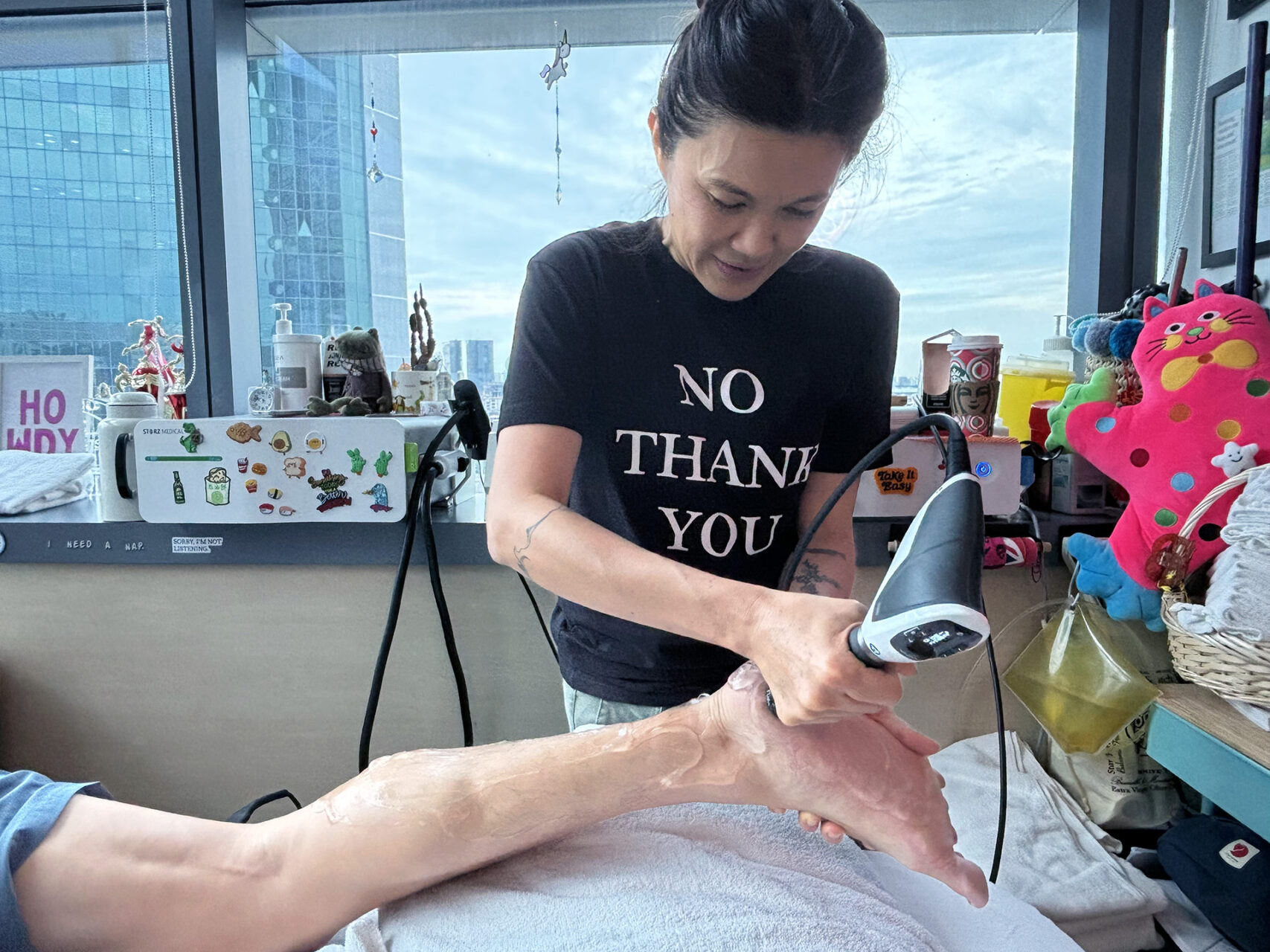
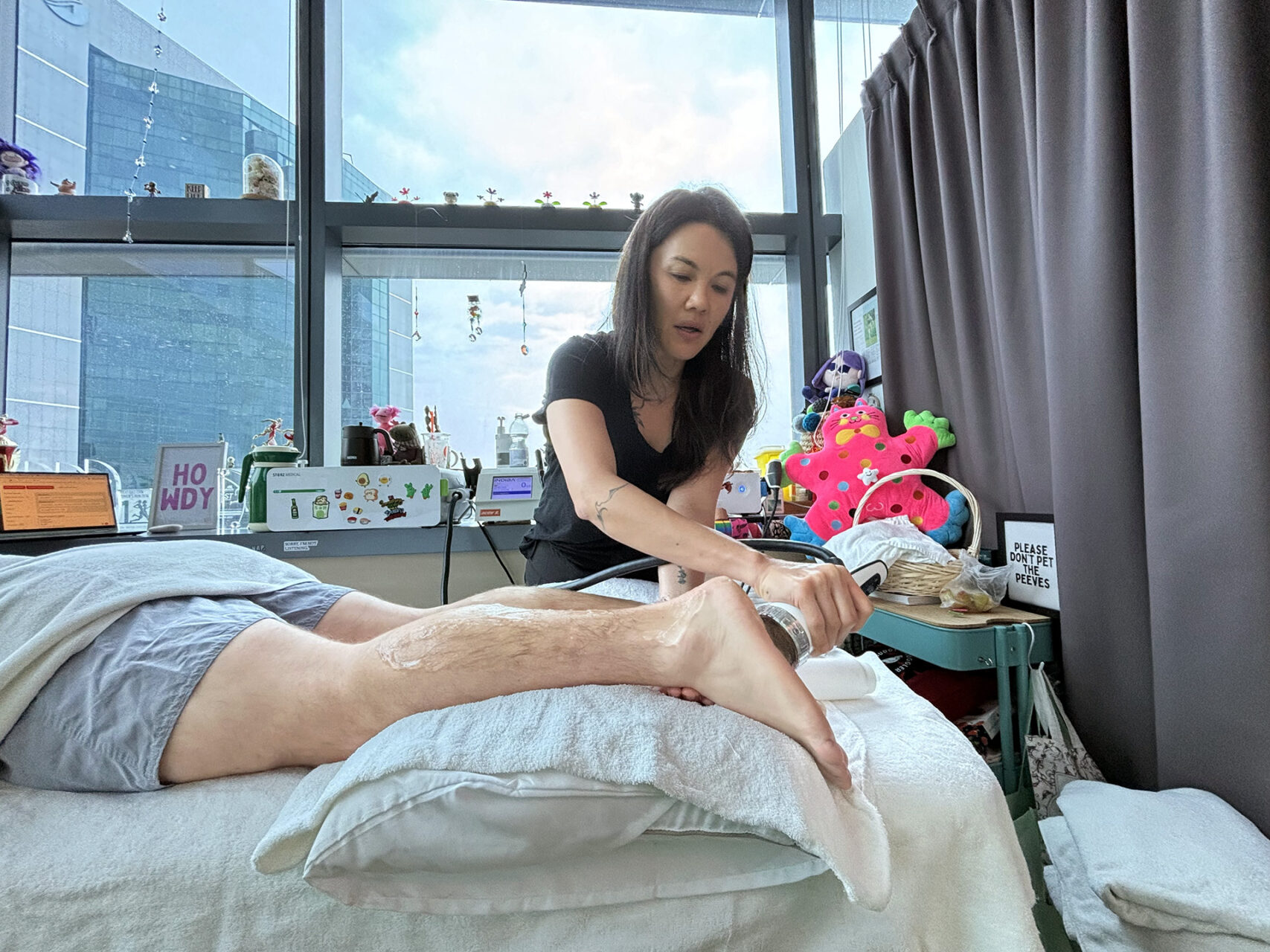
At HelloPhysio, our physiotherapists use a combination of manual therapy, targeted exercise rehabilitation and advanced adjunctive modalities such as INDIBA® and Shockwave Therapy to promote healing and restore mobility.
INDIBA® Therapy
INDIBA® uses radiofrequency technology to stimulate cellular repair by increasing oxygenation and microcirculation in the affected tissue. For patients with chronic plantar fasciitis, this accelerates the healing of degenerative tissue, reduces inflammation, and improves collagen remodeling. It’s especially effective when combined with manual therapy to relax the tight fascia and calf muscles contributing to heel pain.
Extracorporeal Shockwave Treatment for Chronic Plantar Fasciitis Heel Pain
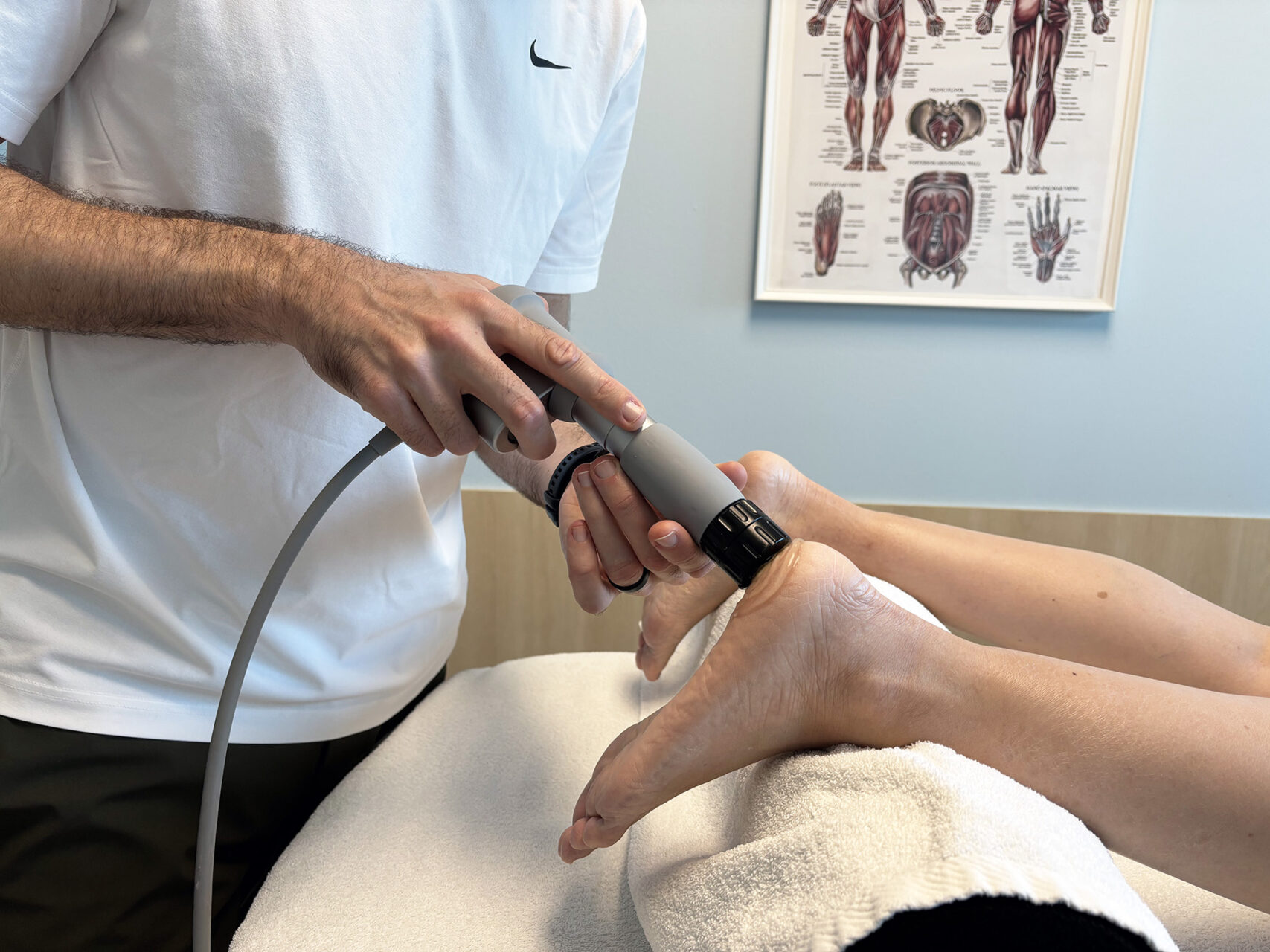
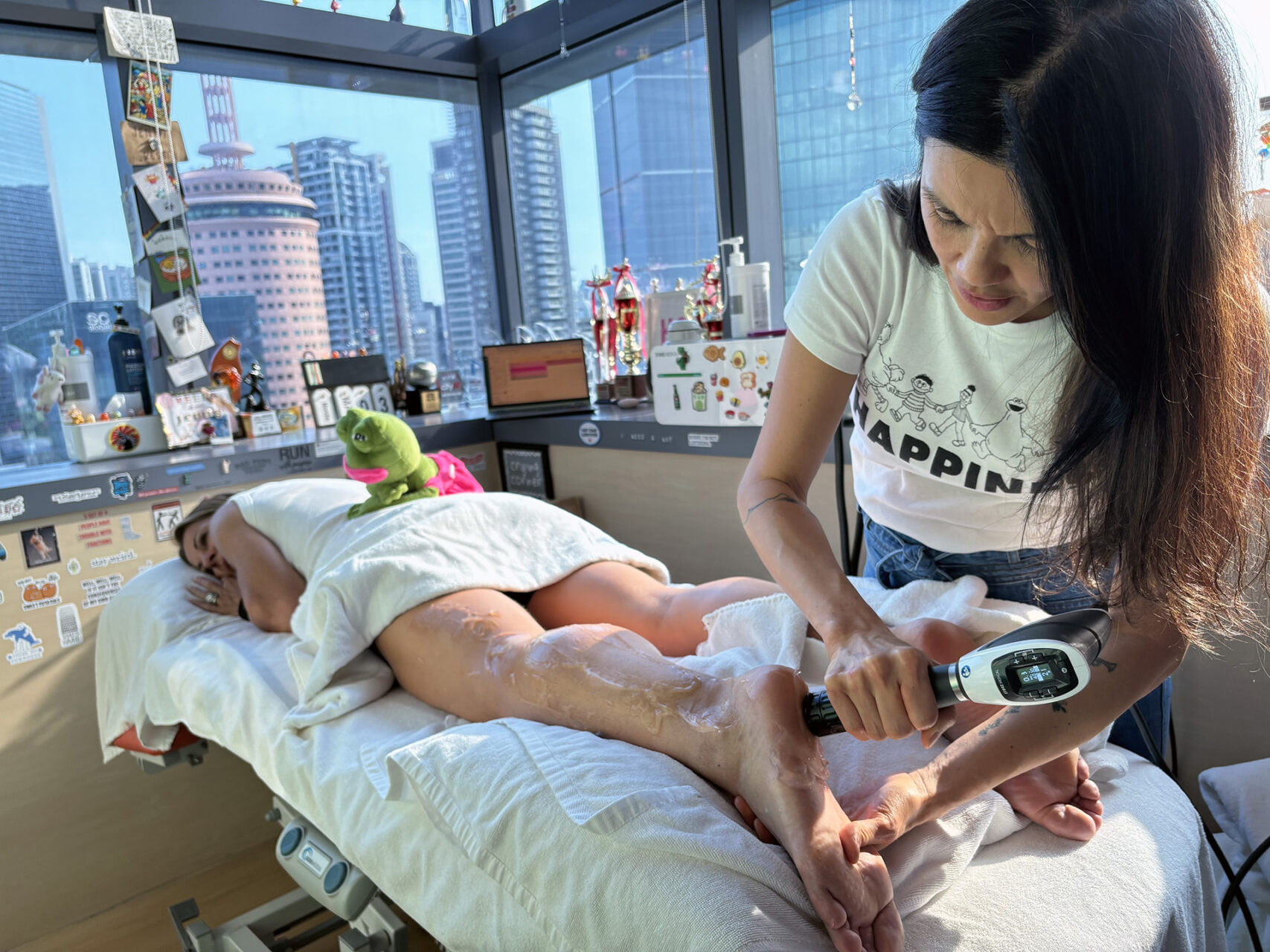
Extracorporeal Shockwave Therapy (ESWT) is a non-invasive treatment that uses high-energy acoustic waves to target chronic pain points. These waves stimulate blood flow, break down fibrotic tissue, and trigger the body’s natural healing response.
At HelloPhysio, we use focused Shockwave Therapy for precise targeting of deep fascial adhesions and radial Shockwave Therapy for broader tissue areas to relieve tension. ESWT is highly effective for long-standing cases where conventional methods have failed and is often considered one of the most advanced chronic plantar fasciitis treatment options available today.
Night Splints for Support
Night splints are a common conservative treatment for plantar fasciitis, especially for those with significant morning heel pain. A night splint is a device that keeps your foot in a neutral, dorsiflexed position while you sleep, gently stretching the plantar fascia and calf muscles throughout the night. This constant stretch helps prevent the fascia from tightening overnight, which can reduce the sharp pain and stiffness felt with the first steps in the morning.
Make sure to follow your health care professional’s instructions for using the night splint and monitor your progress so your treatment can be adjusted as needed for optimal recovery from plantar fasciitis symptoms. Night splints are most effective when used consistently and in combination with other conservative treatments, like ESWT or INDIBA®.
Exercise Rehabilitation and Strengthening
While advanced modalities play an important role, targeted exercises are the foundation of recovery.
Chronic plantar fasciitis often stems from weak intrinsic foot muscles and tight posterior chain structures, such as the calves and hamstrings. A physiotherapist will design a progressive exercise program that targets these muscles, which includes:
- Calf stretches and plantar fascia mobilization to reduce tension, including stretches performed with the knee bent, are better to target the soleus muscle in addition to the gastrocnemius.
- Strengthening of the intrinsic foot and ankle muscles to restore stability, with a focus on exercises that target the foot and ankle muscles for improved support
- Eccentric loading exercises to promote collagen realignment and tendon resilience
At HelloPhysio, our therapists combine these exercises with manual techniques to improve joint mobility and tissue pliability, ensuring management goes beyond symptom relief.

Recovery and Prevention
Chronic plantar fasciitis recovery takes time as the body needs to remodel the degenerated fascia. Most patients start to see improvement within 6-8 weeks of consistent therapy, with full recovery achievable over several months, depending on the severity and duration of the condition.
Once pain subsides, prevention becomes key. Wearing supportive footwear, maintaining a healthy body weight, and continuing with flexibility exercises can significantly reduce the risk of recurrence. Runners can benefit from gait analysis and custom orthotics. For those who train on Singapore’s popular trails, such as East Coast Park or Marina Bay, it’s essential to vary the surfaces and include rest days to avoid overloading the plantar fascia again.
Why Chronic Plantar Fasciitis Persists
The main reason chronic plantar fasciitis persists is that many treatments focus on symptoms rather than the underlying causes. Ice, rest and medication may provide temporary relief, but these approaches mainly address pain and inflammation, not the underlying tissue degeneration. While reducing the inflammation of plantar fasciitis is important for symptom relief, long-term recovery requires addressing biomechanical dysfunction and the root causes of tissue damage.
At HelloPhysio, our approach is focused on tissue healing and restoration, not just pain management. By combining INDIBA®, Shockwave Therapy, ultrasound and personalized physiotherapy exercises, we accelerate the body’s repair mechanisms while correcting faulty movement patterns.
This integrated approach shortens recovery time and helps prevent recurrence, especially in athletes and individuals who are on their feet for long hours.
Personalized Care at HelloPhysio
Chronic plantar fasciitis doesn’t resolve on its own, but with targeted therapy, relief is achievable. If you’ve been living with persistent heel pain and wondering if your plantar fasciitis is chronic or acute, it’s time to seek professional help.
At HelloPhysio, we combine the best of science, technology and human care to deliver effective treatment for chronic plantar fasciitis. Our team is ready to help you get comfortable and mobile again so you can get back to doing what you love, pain-free.
Contact HelloPhysio today to book your appointment and find out how we can help you overcome chronic heel pain with lasting results.