
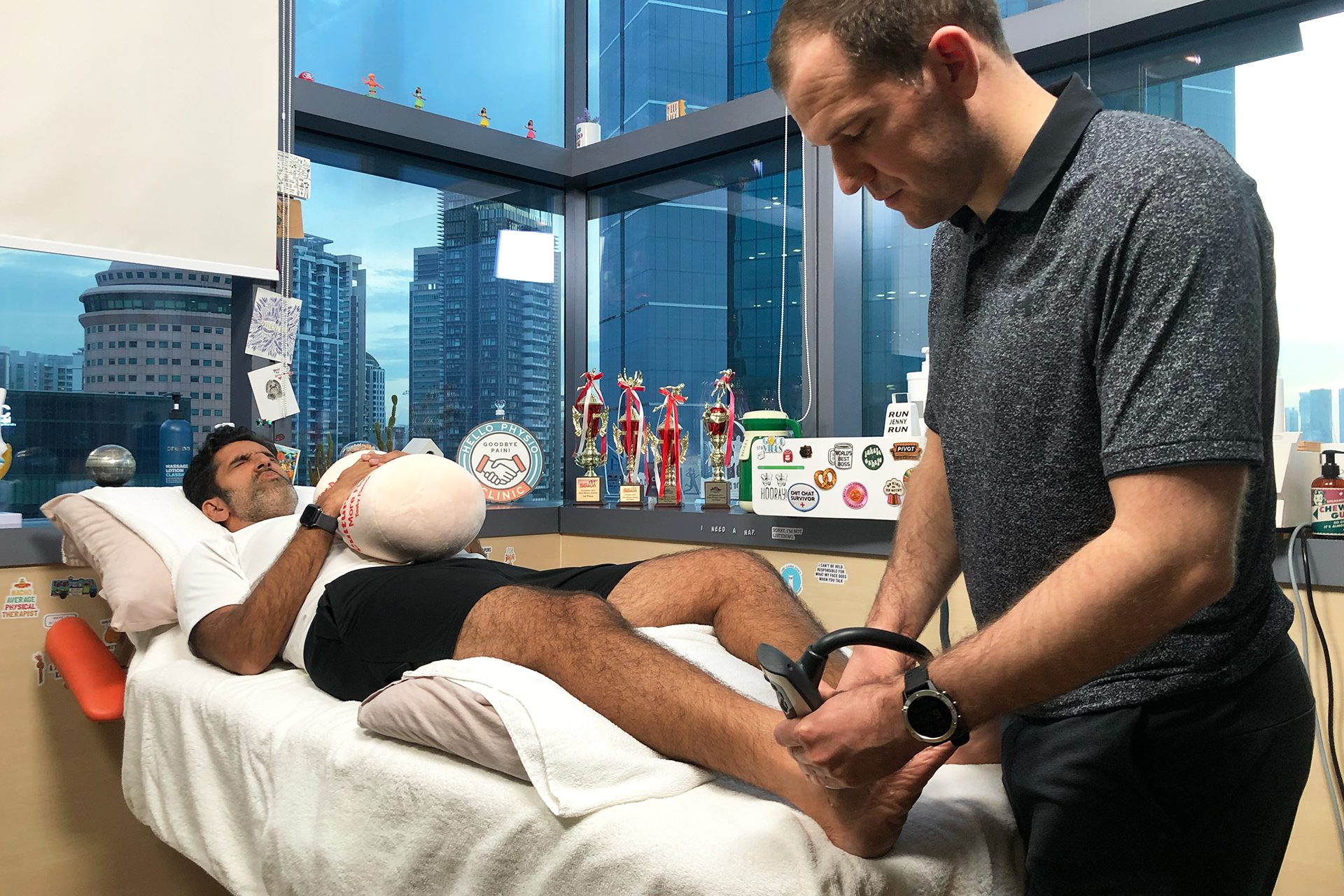
How an Ankle Sprain Happens
Ankle sprains and other lower-limb musculoskeletal injuries are the most common among physically active individuals requiring treatment. This occurs when one or more ligaments within the ankle joint are stretched, partially torn, or completely torn due to an involuntary twisting motion that exceeds the joint’s range of motion.
Symptoms of sprains and a sprained ankle include difficulty walking or moving the joint, a sharp or tearing sensation, increased pain with movement, and discolouration and bruising. The severity of the sprain determines the intensity of these symptoms.
The mechanism of injury for an ankle sprain is a triad of movements: the foot turns inward and downward while rolling outward, leading to degeneration of the lateral ligament and often affecting the anterior peroneal tendons.
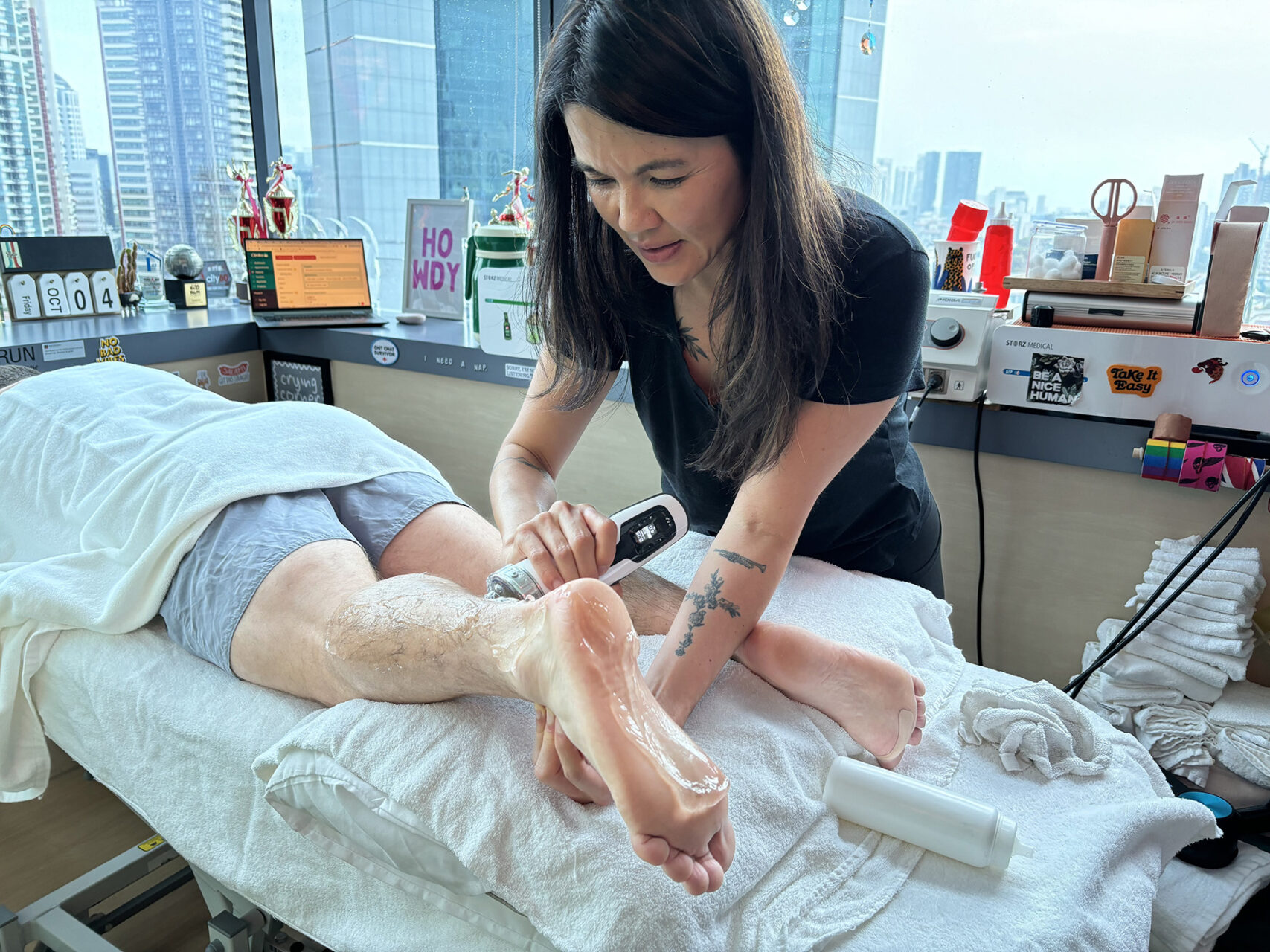
There are 4 types of ankle sprains (inversion, eversion, high and chronic) and 3 types of ankle sprain patterns (lateral, syndesmotic, and medial). Most ankle sprains involve the lateral ligaments because they are less able to withstand force, making them more prone to injury. The lateral ligament group in your ankle includes the anterior talofibular ligament (ATFL), the calcaneofibular ligament (CFL) and the posterior talofibular ligament (PTFL). The ATFL is the most prone to injury, and its damage often leads to anteroposterior instability, while CFL damage can cause instability during inversion movements.
In rare cases, the anterior ligament may be torn, accompanied by capsular damage and rupture of the peroneal tendons. The deltoid ligament is the triangular-shaped ligament on the inner side of the ankle joint that stabilizes the ankle and foot. The traumatic turn of the foot may damage it. However, this type of sprain is rare.
Also, excessive upward bending of the foot can injure the syndesmotic ligaments, the fibrous joints in the ankle that connect the tibia and fibula. Beyond ligaments, this condition can also affect other anatomical structures in your ankle, including bones, muscles, tendons, nerves, and blood vessels.
Rehabilitation and return to function after a sprain can range from non-surgical to surgical interventions. Conservative non-surgical treatment is usually recommended for Grade I and II ankle sprains. Grade III sprains often require surgical intervention. However, a conservative approach may also be sufficient in some cases. The long-term outcome of sprains can be chronic instability or recurrent ankle injuries. This is why proper rehabilitation is essential.
Ankle Injury Diagnosis
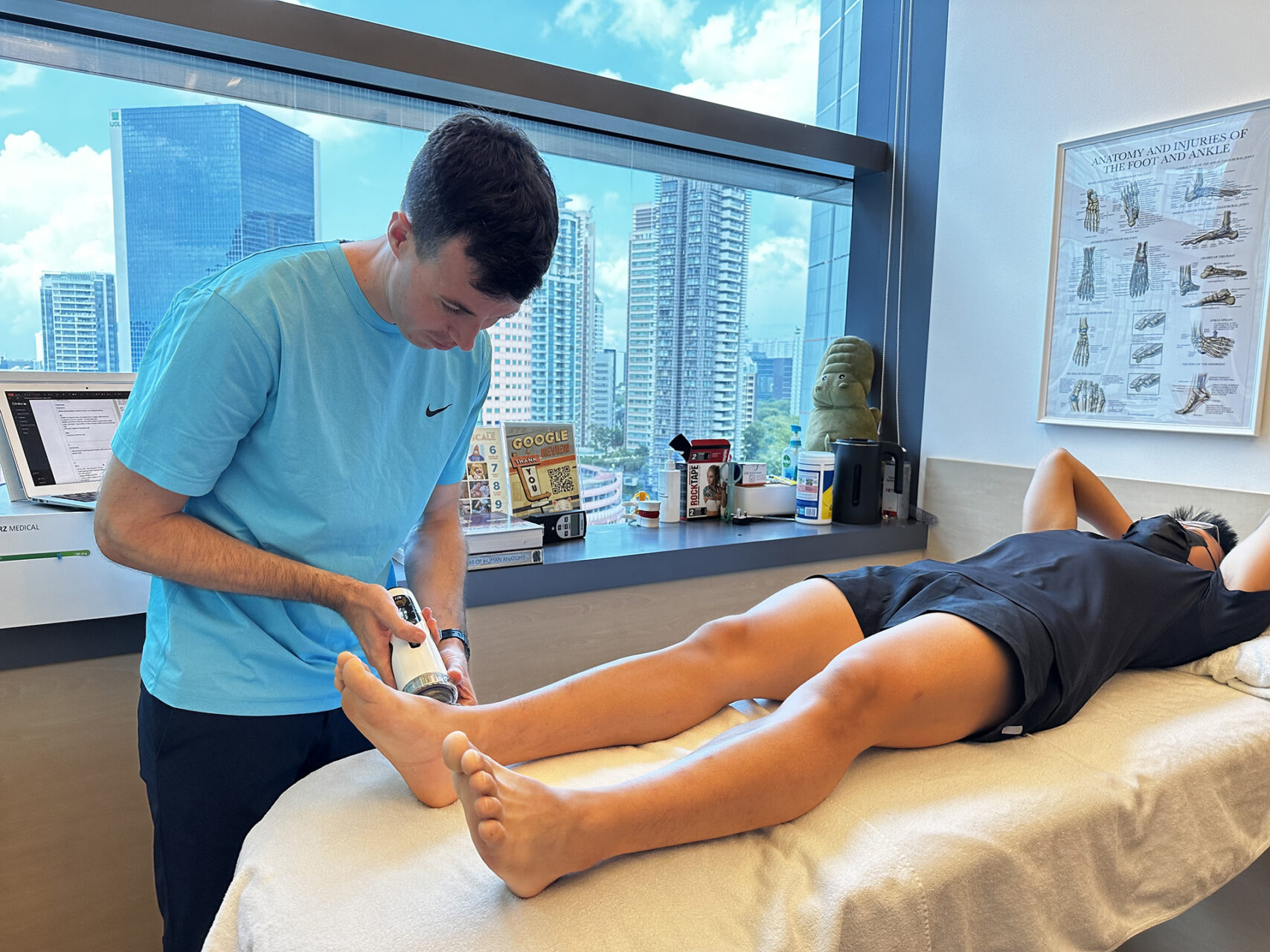
Diagnosing an ankle sprain starts with a thorough evaluation by your physiotherapist. You will be asked about how the injury occurred, the type of ankle pain you are experiencing, and whether you have noticed any swelling or difficulty moving your ankle.
During the physical examination, your physiotherapist will assess the range of motion, check for areas of tenderness, and look for signs of pain, swelling, and bruising. Depending on the severity of the sprain, imaging tests such as X-rays to rule out fractures or magnetic resonance imaging (MRI) to evaluate the ligaments and other soft tissues may be recommended.
Potential concurrent injuries such as distal or proximal fractures of the fibula and the talus will also be ruled out at this stage. The results of these assessments will determine the severity of the sprain and guide the treatment plan. In some cases, referral to a specialist may be necessary for further evaluation or management.
Ankle Sprain Treatment
Treatment for a sprained ankle includes a range of conservative and advanced therapies tailored to your needs. Understanding how to treat a sprained ankle is crucial for proper recovery and to prevent future injuries.
For a sprained ankle, self-care is crucial in the initial phase. The standard approach is rest, ice, compression and elevation (RICE), which helps reduce pain and swelling. Compression and elevation are significant for minimizing swelling, while ice compression and elevation should be done as soon as possible after injury. These self-care measures can be enough for mild injuries, but you may need to see a doctor if symptoms persist.
There are various conservative approaches for ankle sprain treatment beyond the usual recommendations, such as short-term immobilization, complete immobilization, ice packs and non-steroidal anti-inflammatory drugs. The best strategy for treating a sprained ankle depends on the individual and the specific nature of the injury. Treatment and recovery also depend on the severity of the sprain, with more severe injuries requiring longer recovery times and possibly different interventions.
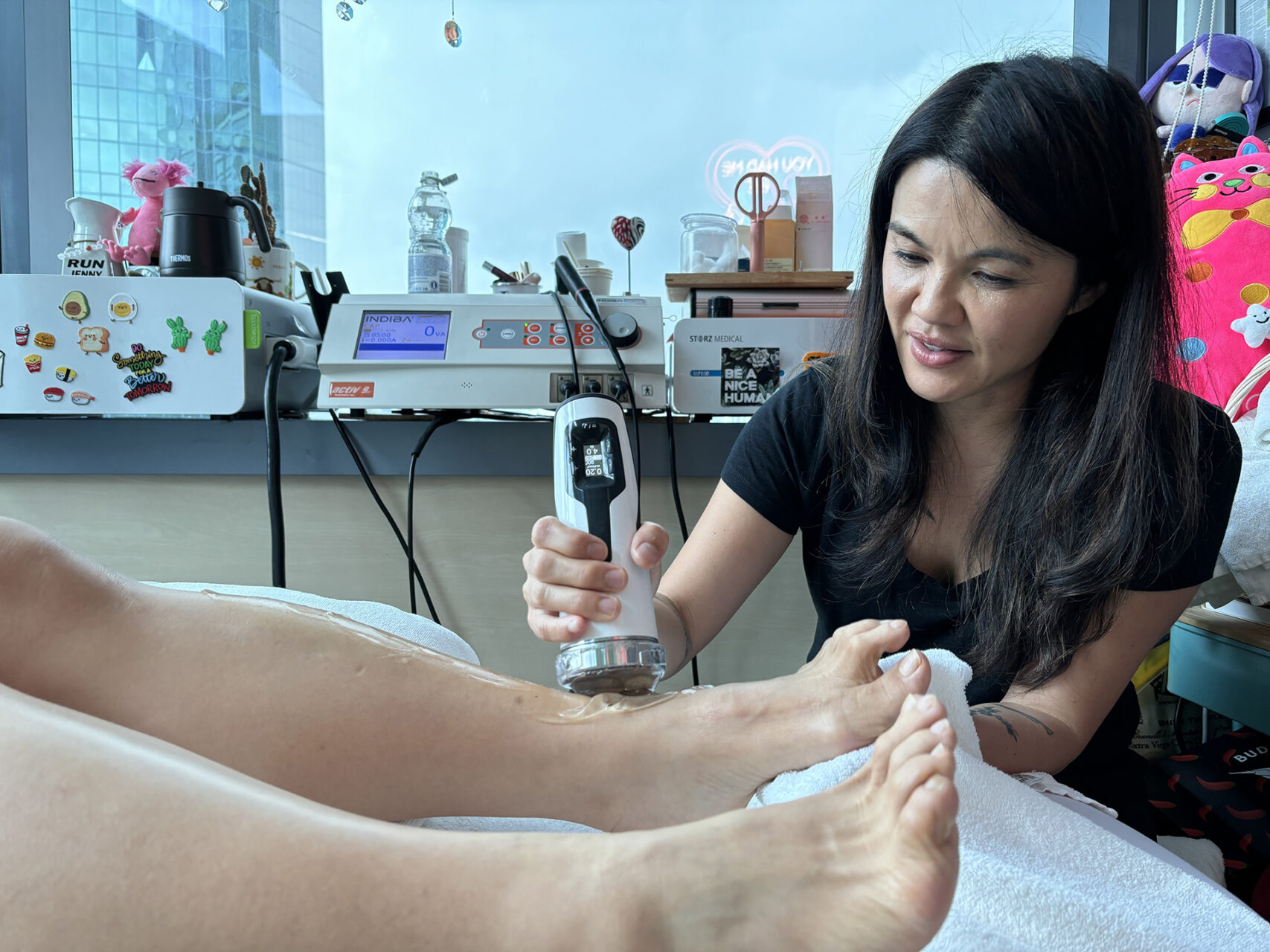
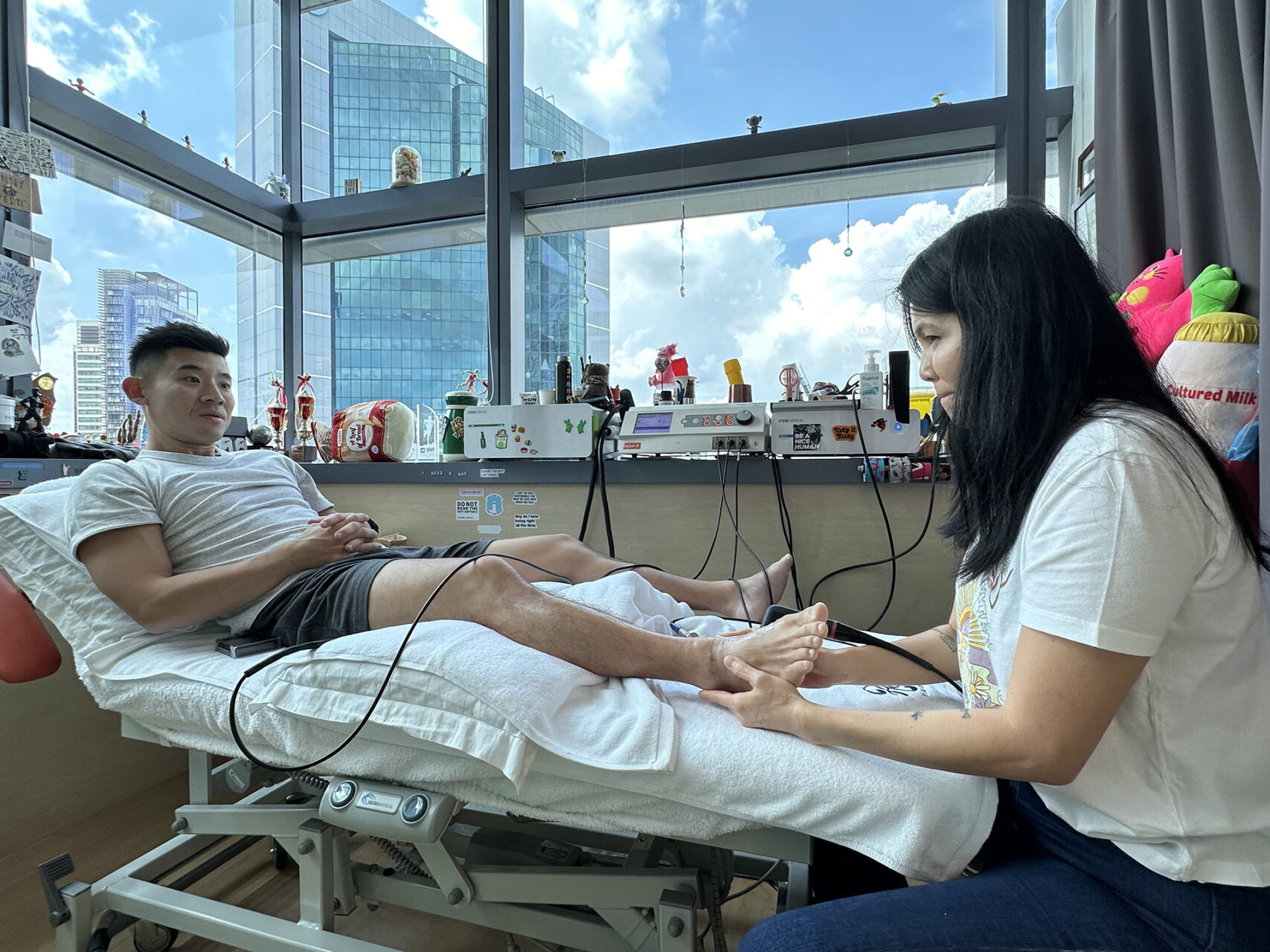
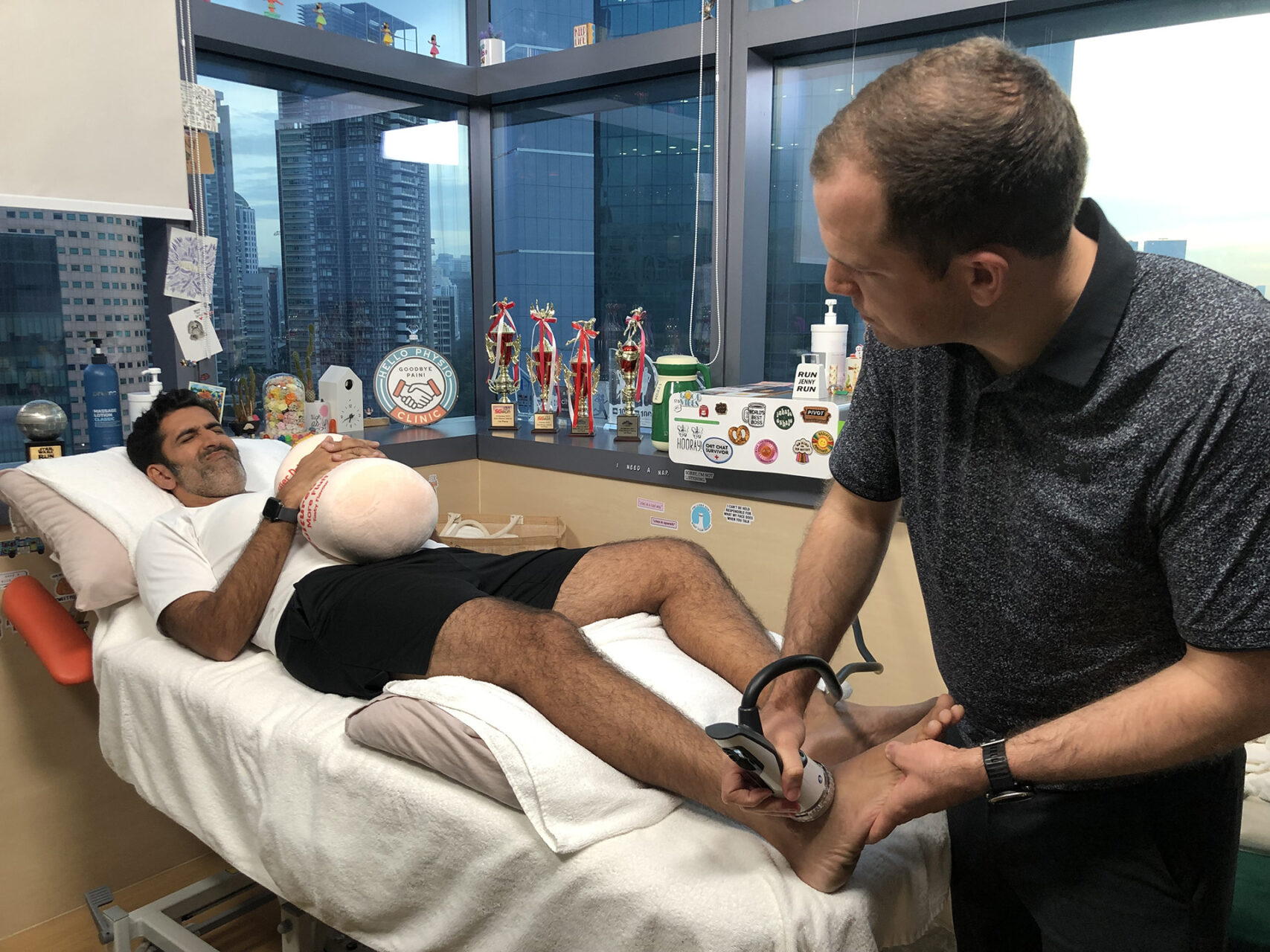
At HelloPhysio, we approach sprained ankle treatments from a broader perspective. Our multidisciplinary team assesses every contributing factor from lifestyle and exercise habits to recovery processes. We offer manual therapy, supportive adjunctive therapies and personalized prescriptive exercises to reduce pain quickly and safely, restoring range of motion and strength.
To reduce the risk of re-injury, our approach synergizes mobility and strength to minimize stress on the healing ligaments. When considering mobility, it is important to determine when it is safe to put weight on your ankle. The ability to bear weight on your ankle depends on the severity of the injury and should be guided by a healthcare professional. If you can’t put weight on your ankle or if pain and swelling persist, you may need to use crutches, a brace, or seek further medical attention. This integrated approach ensures an effective and sustainable recovery process.
Adjunctive therapies such as INDIBA® generate deep heat, improving blood circulation. This increased blood flow will carry essential nutrients and oxygen to the injured area to optimize the environment for tissue repair stimulated by Shockwave Therapy, where ultrasound shockwaves create micro-trauma in the injured tissues, triggering the body’s natural healing response to increase blood flow and promote the growth of new, healthy tissue.
Combined with prescriptive exercises, our approach to ankle sprain treatment minimizes stress on the healing ligaments, providing lasting pain relief and reducing the risk of re-injury. Those seeking how to heal sprained ankle injuries can benefit from HelloPhysio’s comprehensive treatment approach.

Acute Ankle Sprains in Athletes
Most people, whether athletes or not, will experience an acute ankle sprain at some point in their lives. This type of injury is more common in women than in men. It is also more common in children than in adolescents and adults, which highlights the importance of developing coordination patterns and neuromuscular control in children. A small percentage of acute ankle sprains involve an ankle or foot fracture, while most cases are soft-tissue injuries.
Acute ankle sprains are more common in indoor sports, such as volleyball, basketball, and dance, as well as in outdoor activities like running, football, and rugby.
This approach aligns with HelloPhysio’s strategy for treating sprained ankles, which includes INDIBA radiofrequency, Shockwave Therapy, and prescriptive exercises to enhance strength and mobility. Severe or recurrent sprains can lead to ankle instability, which may require additional rehabilitation to prevent further injury. Learning how to properly treat an ankle sprain is essential for athletes who want to return to their sport safely.
For those seeking comprehensive care for a sprained ankle, HelloPhysio’s sprained ankle treatment in Singapore offers evidence-based rehabilitation. Our team understands the unique needs of patients dealing with sprained ankle cases, offering specialized treatment protocols that address both immediate recovery and long-term prevention strategies.
Book a Consultation with Our Physiotherapists
Your recovery deserves expertise and genuine care. At HelloPhysio, our senior physiotherapists and rehabilitation specialists are here to help you move better, feel stronger, and perform at your best. Whether you’re recovering from surgery, managing an injury, or working toward peak physical performance, our team will guide you every step of the way with a personalized plan tailored to your goals.
Contact HelloPhysio today to schedule your consultation and take the next step toward lasting recovery and improved movement.