
What Is Peroneal Tendonitis?
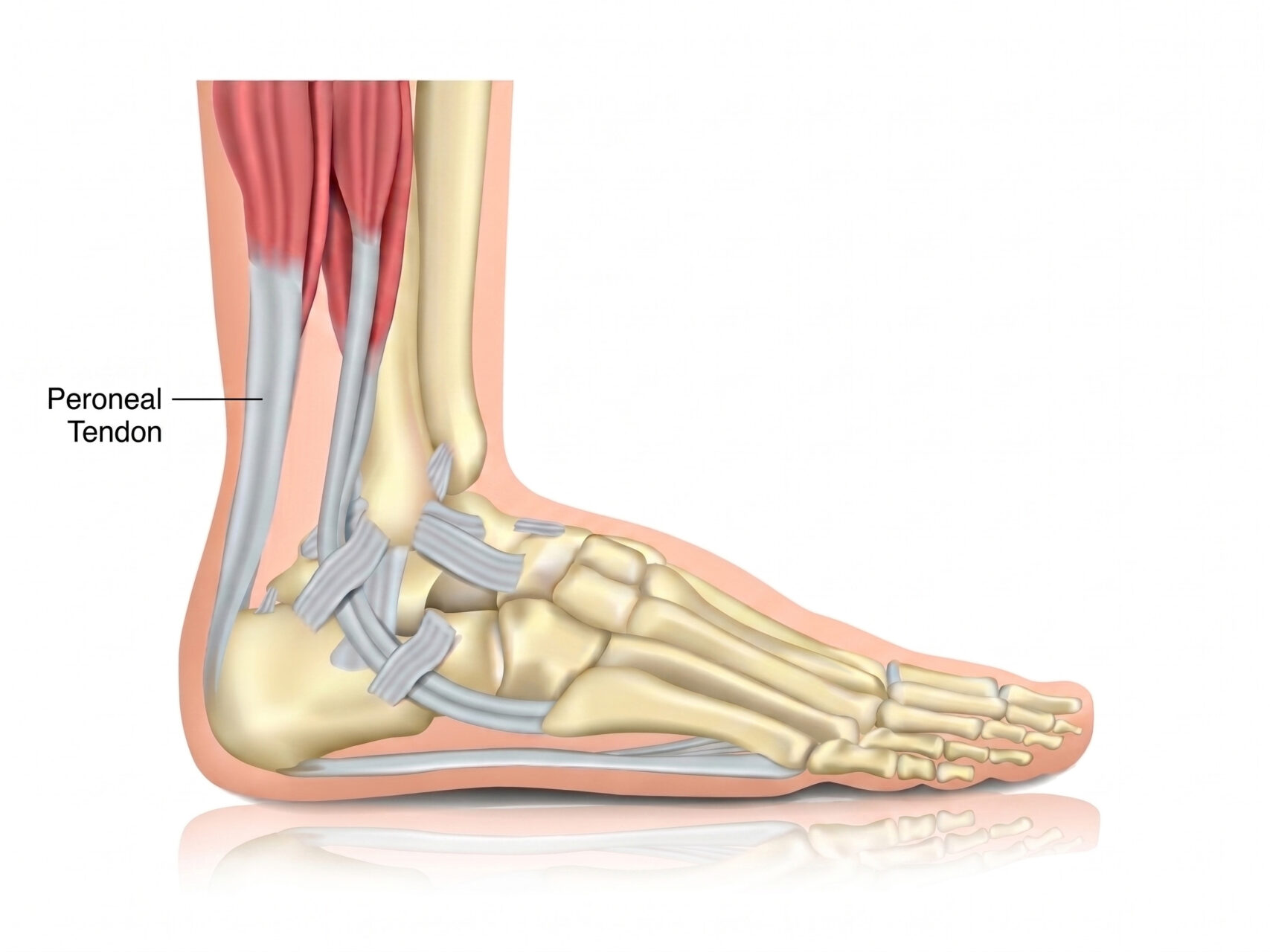
Peroneal tendonitis is a common running injury that is an irritation of the peroneal tendons that run behind the outer ankle bone and along the outside of the foot. This condition occurs when the peroneal tendons, which work alongside the plantar flexors to help stabilize the foot and ankle, become overloaded.
In runners, the peroneal tendons work hard with every stride, as they keep the ankle and foot stable during movement. They help prevent the ankle from rolling inward too far and help the foot stay steady on uneven ground. When the load placed on the tendons becomes too high, the peroneal tendons can become irritated and painful. Although many people use the term “tendonitis”, longer-lasting cases often behave more like peroneal tendinopathy than simple inflammation, in which the tendon becomes overloaded, sensitive, and less able to tolerate repetitive stress.
How Does Peroneal Tendonitis Develop in Runners?
Peroneal tendonitis in runners usually develops when training load rises faster than the peroneal tendons can adapt. This can be due to a sudden increase in mileage, more hill running, extra speed sessions, a change in running shoes, or a shift to trails or sloped roads, especially for those who play sports or engage in high levels of physical activity on hard surfaces.
Foot structure and a previous ankle injury, like an ankle sprain, can also play a role. Runners with high arches or a foot that naturally loads the outer edge and outer part of the foot more heavily may place more strain on the outside of the ankle. A previous ankle sprain can also set the stage for later peroneal tendon pain by leaving the ankle less stable and forcing the peroneal muscles and tendons to work harder than usual.
This is why peroneal tendonitis running pain often seems to come out of nowhere. In many cases, it is not caused by one dramatic injury. It builds over time when the peroneal tendons are repeatedly asked to do more than they are ready for.
What Does Peroneal Tendonitis Pain While Running Feel Like?
Peroneal tendonitis running pain usually feels like outer ankle pain, aching, soreness or tenderness. The discomfort is often felt behind the outer ankle bone, near the lateral malleolus (prominent bony bump on the outside of the ankle), or lower down toward the base of the fifth metatarsal, near the little toe. Some runners also notice mild swelling, warmth, inflammation, or a sense of fullness in the area.
It may start during a run, build gradually as the run goes on, or feel worse afterwards. Hills, uneven ground, side-to-side movement, and running on cambered roads often make outer ankle pain more noticeable. Some runners feel stiff first thing in the morning or after sitting for long periods, then feel their ankles loosen up once they get moving.
Often, tendon pain is inconsistent early on. It may ease during the middle of a run and return later, which can make it tempting to ignore. However, if symptoms become more frequent, last into the next day, or affect walking, the tendon is usually asking for a change in load.

Can You Continue to Run with It?
You can sometimes keep running with peroneal tendonitis, but that does not always mean you should. The key issue is whether running is staying within the tendon’s current tolerance. If pain remains mild, settles quickly, and does not worsen the next day, some runners, especially those with milder symptoms, may be able to continue with reduced volume or intensity. However, if each run makes symptoms more severe, lingers into daily activity, or changes your gait, these are signs that the current load is too high.
Many runners feel that because they can still run, the injury cannot be serious. But tendons do not always force you to stop immediately. They often become more irritable over time if the same aggravating pattern continues, leading to flare-ups that are harder to settle. Sometimes, even a short rest from running and changing to a lower-impact activity like cycling or swimming can help reduce the inflammation.
Diagnosis
Peroneal tendonitis is diagnosed through a careful history and physical examination. The location of the pain, the pattern of aggravation, recent training changes, and any history of ankle sprains are all useful clues for the condition. On assessment, there is often tenderness over the fibula, discomfort with resisted ankle eversion, and pain with inward ankle stretching.
A good assessment also looks beyond the tendon itself. Ankle mobility, calf strength, ankle stability, running form, and single-leg control are all important because they influence the stress transmitted through the peroneal tendons. Sometimes, the problem goes beyond the tendon, which changes management strategies.
Imaging is not always necessary, but it can be helpful if the diagnosis is unclear or progress is slower than expected. Ultrasound and MRI scans can show tendon thickening, fluid, tears, or other structural problems. Imaging may also be used if a peroneal tendon injury, tendon subluxation, or another ankle injury is suspected.
Peroneal Tendonitis Treatment
Peroneal tendonitis treatment starts with reducing irritation and then rebuilding tendon capacity. In the early stage, this usually means adjusting the physical activity that is provoking your symptoms. For runners, that may mean cutting back on distance, pace, hills, or frequency, or, in more reactive cases, a short rest from running. A sports physiotherapist can help guide your options based on how reactive the foot and ankle are at that stage.
Prescribed Physical Therapy Exercises
The next step is restoring the tendon’s ability to handle load. This is where physical therapy becomes central. A good program often begins with strengthening exercises that are controlled, repeatable, and well-tolerated. These may include:
- Isometric holds
- Resistance-band exercises targeting the peroneus brevis and peroneus longus
- Calf raises
- Foot-control work
- Balance drills, such as the single-leg Romanian Deadlifts (RDL)
As pain lessens and symptoms settle, the program usually progresses toward more intense calf work, single-leg loading, dynamic balance, and, eventually, return-to-run drills. Practicing balance on one leg is a simple but effective way to build ankle stability during recovery.
Importantly, stretching is not always the answer early on. In an irritated tendon, aggressive stretching can sometimes worsen symptoms. The better approach is usually gradual loading paired with movement that does not flare the area.
At HelloPhysio, treatment focuses on why the peroneal tendons became overloaded in the first place. That may include reviewing training habits, footwear, ankle stiffness, calf weakness, running form, and foot and ankle control.
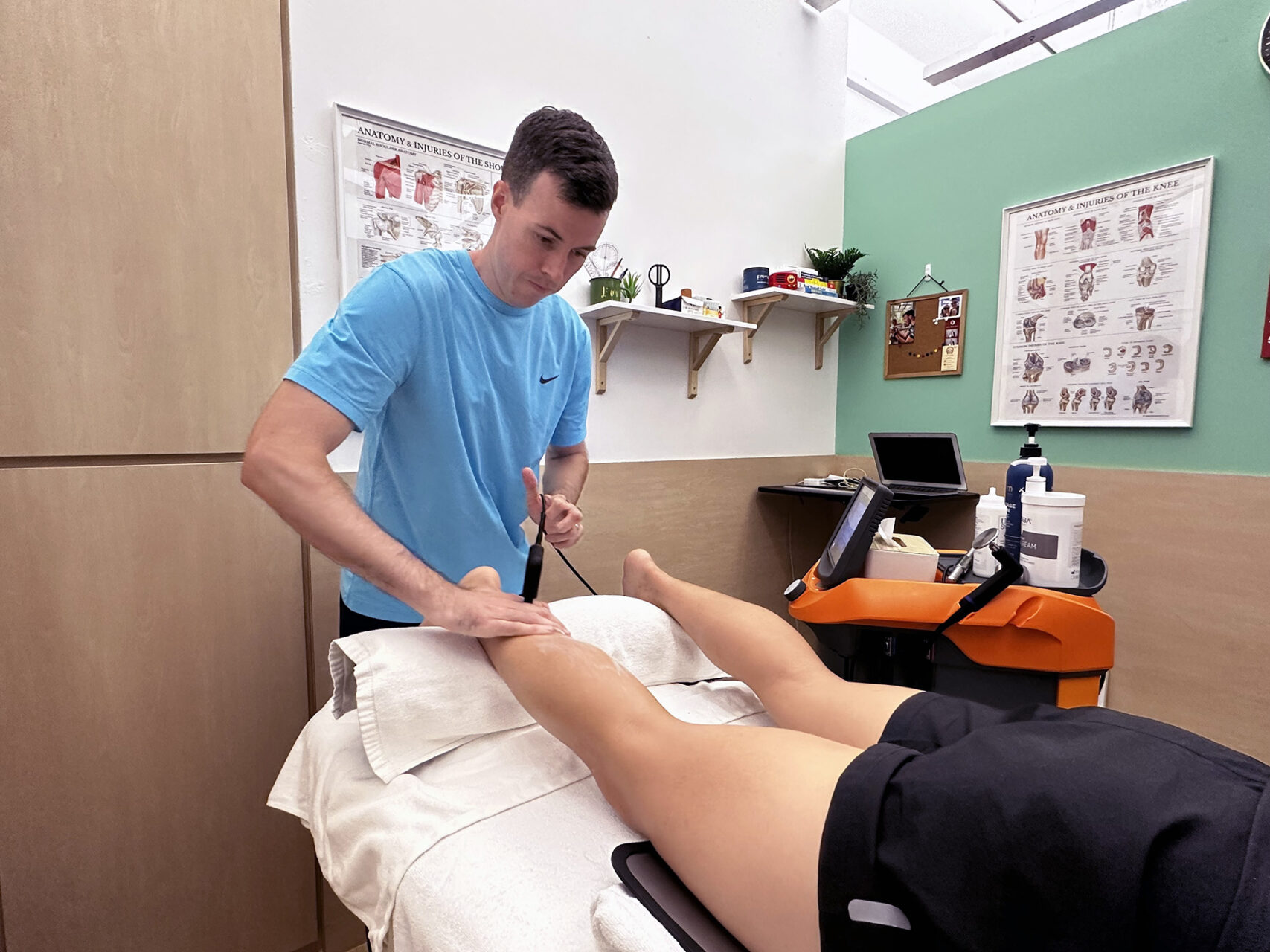
Foam rolling the lower leg can improve tissue mobility and blood flow to the peroneal tendons. Manual therapy may also be used to address stiffness in the foot or ankle and help reduce the strain on the peroneal tendons. Custom orthotics may be considered if your foot structure is part of the problem. Tendons tend to respond best when the load is introduced in a calm, progressive way, making prescribed exercises vital to recovery.
Adjunctive Treatments
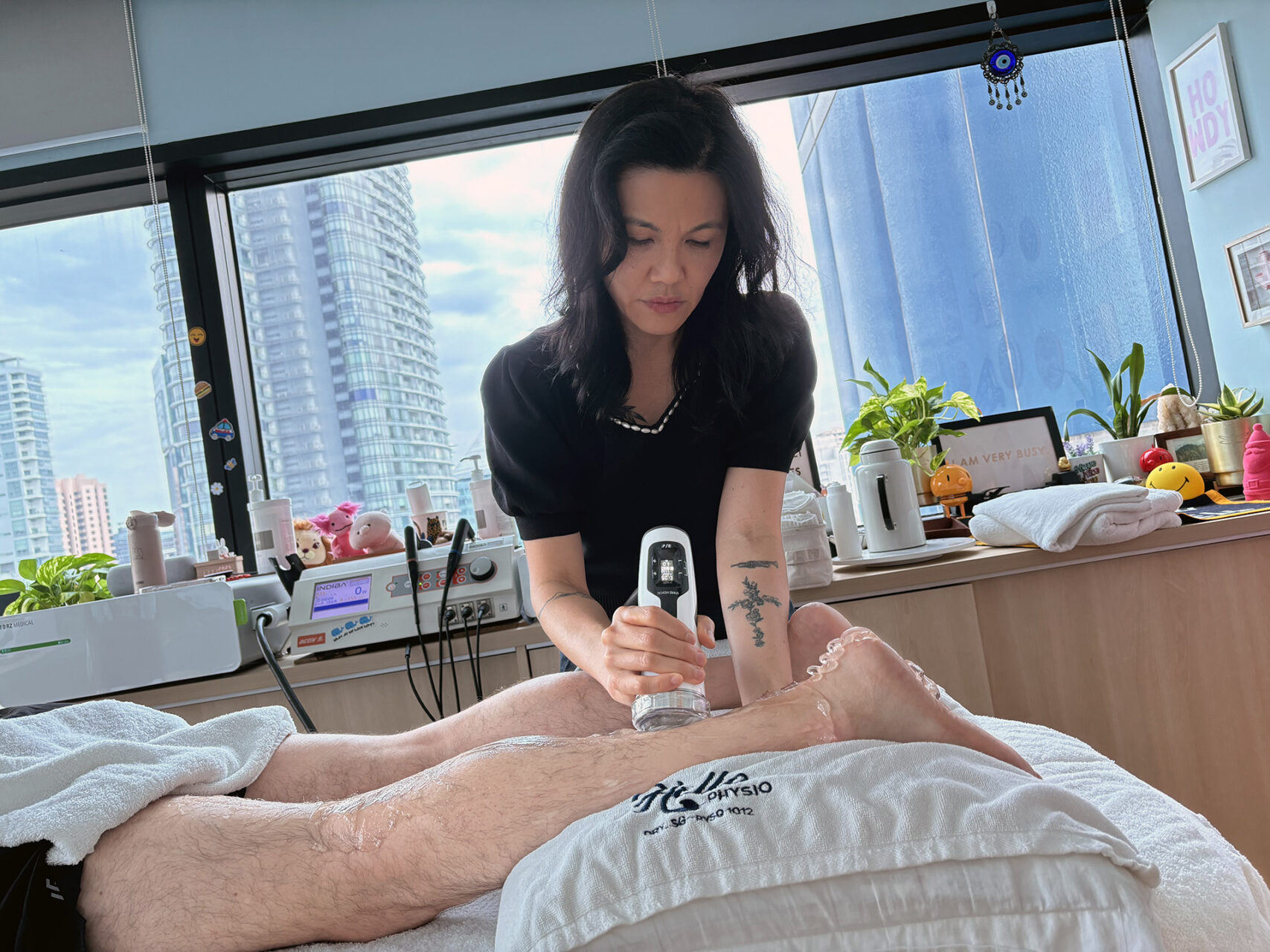
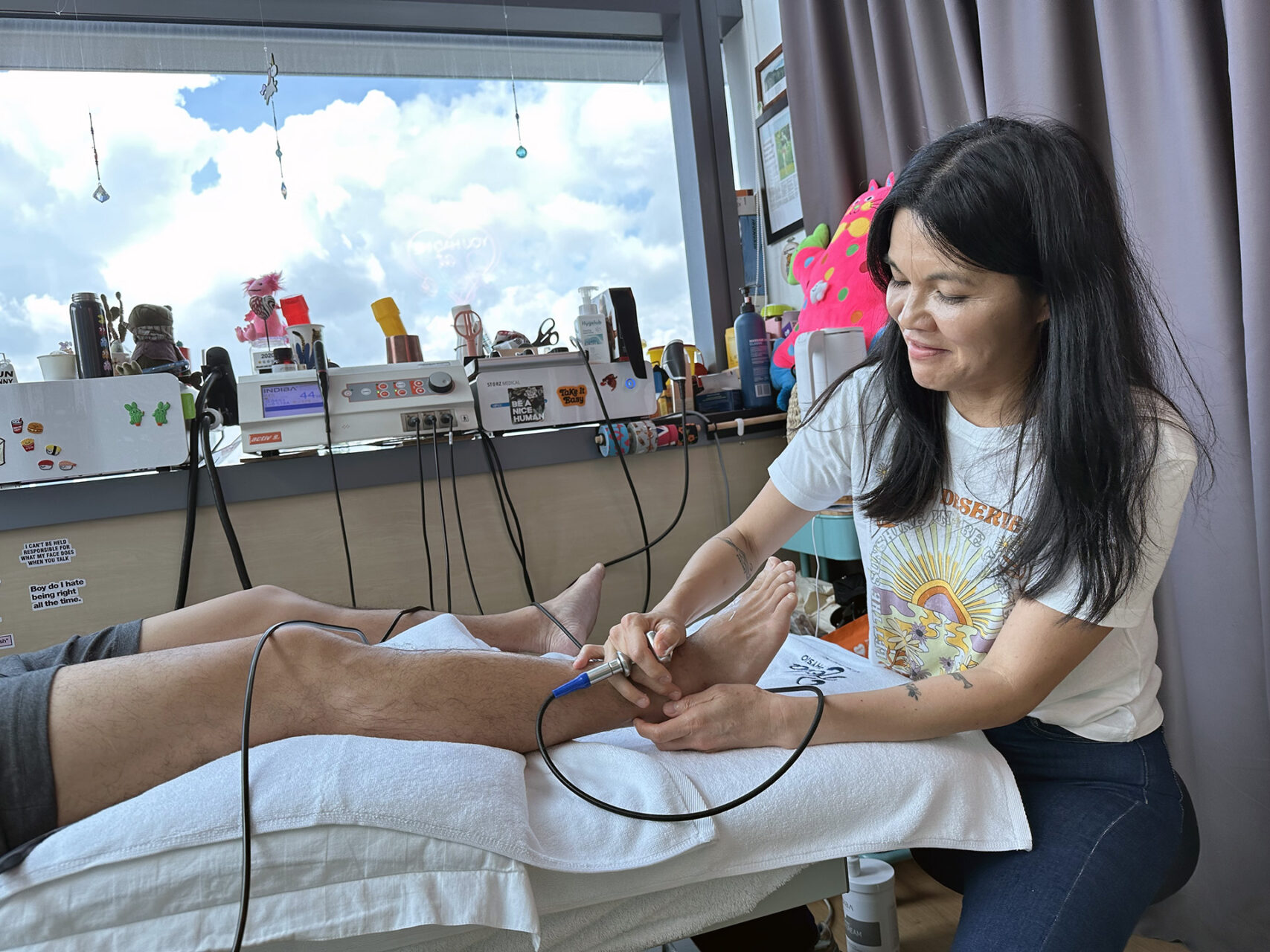
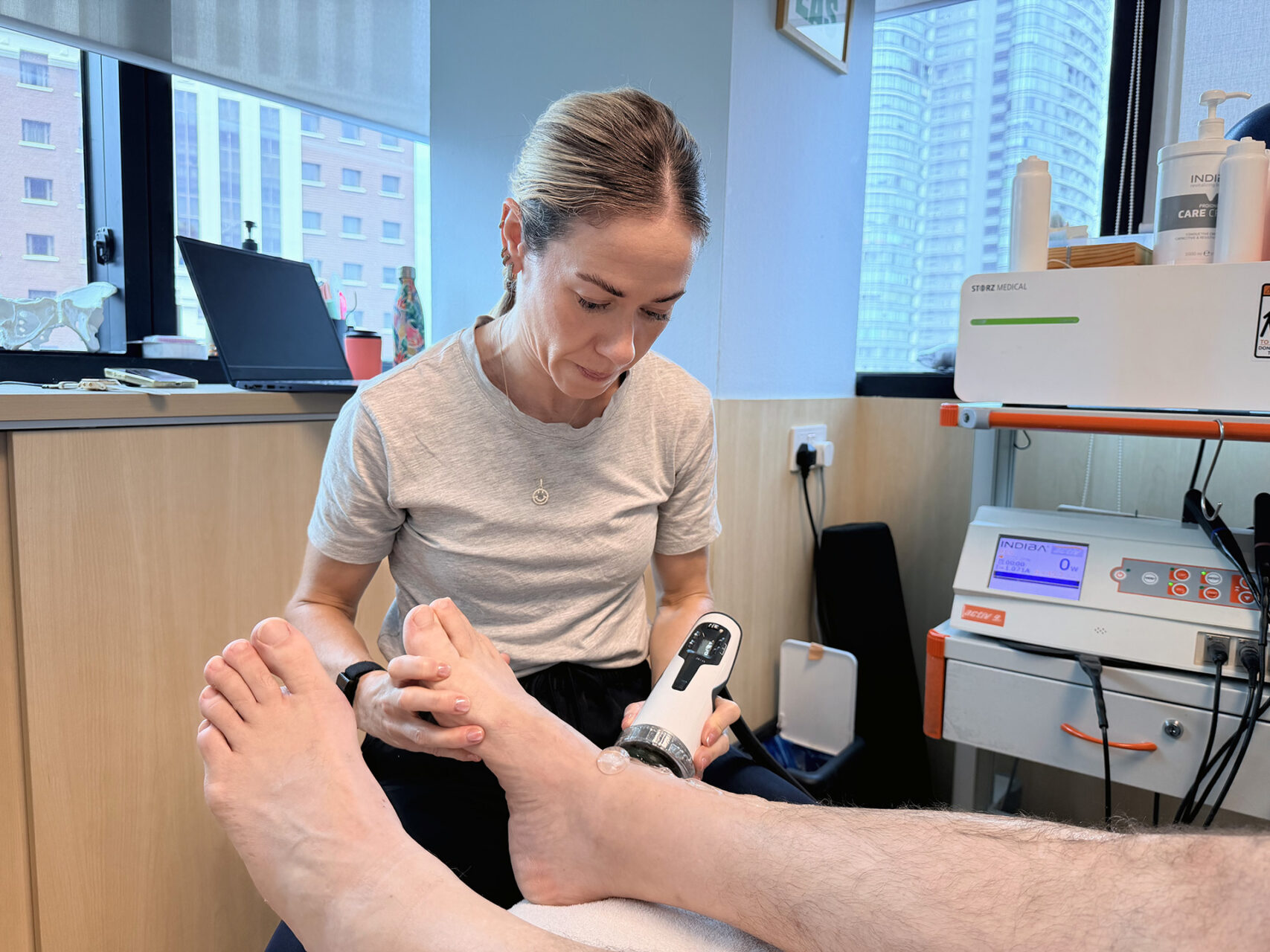
Adjunctive treatments may also help in many cases. INDIBA® may be used as part of physiotherapy to support pain reduction, mobility, and tissue recovery when stiffness and tendon irritability are limiting progress. For longer-standing peroneal tendinopathy that has not improved enough with load management alone, Shockwave Therapy may be considered to help reduce pain and support tendon remodeling. These approaches are usually most effective when they complement a structured exercise plan.
Recovery Time and Return To Running
Peroneal tendonitis recovery time for running varies from person to person. Mild cases may improve within a few weeks if caught early and managed well. More stubborn cases can take several months, especially if the peroneal tendon injury has been present for a long time, or if the runner keeps returning to aggravating training.
Ultimately, the recovery time for peroneal tendonitis to return to running depends on the tendon irritability, training habits, consistency with rehabilitation, and how well the return to running is managed. Pain is not the only marker. The peroneal tendons also need to regain strength, tolerance, and confidence under load.
A runner is usually in a better position to resume training when walking is comfortable and daily activities no longer provoke symptoms, and calf raises and balance work are well tolerated. A return to running is often smoother when it starts with short run-walk intervals on flat ground rather than a sudden jump back into full training.
Tendons usually respond better to consistency than to cycles of rest and overload. A steady progression tends to work better than feeling better for a few days, then running hard and starting over.
What Can Happen if Peroneal Tendonitis Is Ignored?
Peroneal tendonitis can become more persistent and harder to resolve if ignored. Repeated tendon irritation can make the tissue thicker, more sensitive, and less able to tolerate even normal running loads. In some cases, an ongoing overload can contribute to peroneal tendon injuries, including tearing or instability, especially if there is already poor ankle control or a history of ankle sprains.
The longer the peroneal tendons remain irritated, the more likely the runner is to begin changing their movement. That can shift stress to other areas, such as the calf, Achilles tendon, knee, or the outer hip, causing foot pain and lower-leg discomfort over time. What begins as a manageable ankle problem can gradually affect the whole leg and the running pattern.
How Do You Keep Peroneal Tendonitis from Coming Back?
Most runners need more than temporary pain relief from peroneal tendonitis. They need the foot or ankle and the entire lower leg to improve their ability to handle the demands of running again.
That usually means progressing mileage more gradually, being careful with sudden changes in terrain or intensity, and keeping strengthening exercises in the routine even after the pain settles. Calf strength, peroneal tendon strength, single-leg balance, and hip control all matter for your long-term health.
Custom orthotics and footwear also deserve attention, especially if a recent shoe change coincided with the onset of peroneal tendon injuries. Your physiotherapist can help assess risk factors and tailor a long-term prevention strategy for the foot or ankle.
How HelloPhysio Can Help
For runners in Singapore, heat, fatigue, hard surfaces, and inconsistent recovery can quietly add to the tendon load over time. That makes it even more important to have a training plan that builds gradually and allows enough rest and recovery.
If you are dealing with peroneal tendonitis running pain, HelloPhysio can help. A clear assessment, a tailored exercise program, and a smart return-to-run plan can make recovery feel far less confusing and far more achievable. Contact HelloPhysio sports injury clinic to book your consultation, treat your peroneal tendonitis effectively, and get your running back on a safer track.