
What Is a Peroneal Tendon Tear?
A peroneal tendon tear is an injury affecting one or both of the two tendons that run behind the outer ankle bone and along the outer part of the foot. These tendons, known as the peroneal tendons, help steady the ankle, support the foot, and control outward movement. When they are torn, the ankle can become weak and less stable, especially on uneven ground or during sports.
A peroneal tendon injury can occur suddenly after a sharp inversion injury or develop slowly from repetitive movements and stress over time. Thankfully, there are management strategies available that can prevent this injury from recurring.
What Does a Peroneal Tendon Tear Feel Like?
Peroneal tendon tear symptoms usually include discomfort along the outside of the ankle, swelling, inflammation, and a sense that the ankle could give out. Some people describe a ‘pop’ or ‘snapping’ feeling at the time of a sudden injury.
Others notice a more gradual pattern with sporadic pain that comes and goes, then becomes more persistent with walking, running, or side-to-side movement. Ankle instability on uneven surfaces is common as well.
These symptoms can easily be mistaken for a bad ankle sprain, so peroneal tendon injuries are often missed early. The best way to know is through a professional diagnosis, rather than searching for your symptoms online. Chronic outer ankle discomfort, especially behind the lateral malleolus, following an inversion sprain should prompt consideration of a peroneal tendon injury. A proper diagnosis is necessary for effective management of the injury.
What Causes It, and Who Gets It?
A peroneal tendon injury occurs most often from a sudden trauma or a long-term overload. A fast inward roll of the ankle is a classic cause because, in that moment, the peroneal tendons attempt to pull the foot back into its proper position and may overstretch or split, resulting in acute tears. Over time, repetitive ankle motions can also cause degenerative tears, especially if inflamed tissue has developed around the affected area.
The risk tends to be higher among people who play sports that involve cutting, jumping, and repeated ankle loading, like football, tennis, or basketball. High arches, tight lower leg muscles, poor training form, unsuitable footwear, and underlying ankle instability can all increase strain on the tendons. Chronic tears are often less dramatic than acute tears, which is why they can linger in the background for months before the diagnosis becomes clear.
How Is a Peroneal Tendon Tear Diagnosed?
A peroneal tendon tear is diagnosed based on a careful examination of your medical history, a physical examination, and imaging when needed. The specialist will usually ask how the injury started, where it is felt, and whether the ankle feels unstable. On a physical exam, discomfort may be reproduced with resisted eversion, passive stretch, or repetitive movements. Apprehension with active dorsiflexion and eversion against resistance can also point toward a tendon instability.
X-rays may be used to rule out ankle bone injuries, but they do not show the tendon itself well. Ultrasounds can be useful, especially for tendon movement and subluxation. An MRI scan is often the best test when a peroneal tendon tear is suspected because it can show tendon thickening, splitting, scar tissue, sheath fluid, and nearby ligament or cartilage injuries. Imaging tests matter because a tendon tear may coexist with a ligament sprain, chronic ankle instability, or other ankle pathology, and this classification changes the approach to recovery.
Can a Peroneal Tendon Tear Heal Without Surgery?
Peroneal tendons can sometimes heal without surgery, but it depends on the severity of the tear. Mild peroneal tears and some partial tears may improve with conservative treatments, especially if the peroneal tendons can still stabilize the foot and ankle. More severe tendon tears, complete ruptures, or those that repeatedly cause ankle instability are much less likely to heal without surgical intervention.
A mild peroneal tendon injury may respond well to conservative treatments such as rest, a brace or boot, reduced activity, and physiotherapy over several weeks to months. A completely torn peroneal tendon usually requires surgical intervention to restore function.
The ankle can feel deceptively manageable in daily life even when the peroneal tendons are not coping well, so the decision should be based on function, imaging, ankle stability, and the response to rehab, not just whether the discomfort is bearable.
How Is A Peroneal Tendon Tear Treated?
Conservative measures include reducing aggravating activity, using a brace or walking boot, and starting physiotherapy once symptoms allow. In some cases, short-term immobilization and protected weight-bearing activities are used, followed by a progressive rehab program that helps reduce swelling and restore foot and ankle function.
When conservative treatment fails, foot and ankle surgeons assess which surgical treatment option best suits the injury.
Surgical intervention depends on the extent of tendon damage. Smaller symptomatic peroneal tears may be treated with tendon debridement and repair of the remaining tendon. More complex tendon tears may need tubularization, side-to-side tenodesis to the other peroneal tendon, reconstruction with graft tissue, or additional procedures to improve the tendon stability if the superior peroneal retinaculum or groove anatomy is part of the problem.
How Does Physiotherapy Help?
Physiotherapy helps restore movement, strength, balance, and ankle control after a peroneal tendon tear. Managing a peroneal tendon injury well requires structured rehabilitation, whether surgical treatment is chosen or not. Without rehab, patients often remain weak in the calf muscles and outer ankle, lose confidence on uneven ground, and stay vulnerable to repeated ankle sprains or tendon flare-ups. After surgical intervention, physical therapy often begins once tissue healing allows, with gradual weight-bearing activities and structured work to rebuild foot and ankle strength and range of motion.
Early Rehabilitation
Early rehabilitation usually focuses on reducing swelling, managing inflammation, and promoting safe mobility. Ice packs applied to the affected area can help reduce swelling and manage inflammation in this early phase. Later parts of rehab will focus on strengthening the muscles that turn your foot out, building your calf muscles, improving balance on one leg, ensuring your foot and ankle move correctly when you walk, and regaining control for sports.
Prescribed Exercises
Specific exercises you might do at home include simple ankle movements, gently trying to turn your foot out without moving it (isometric eversion), standing on your toes (calf raises), turning your foot out against a resistance band, and balance drills.
A physical therapist will consider the severity of your peroneal tendon injury and your overall foot and ankle function as they build your rehabilitation plan, considering:
- Ankle instability: If your ankle tends to give way.
- Calf muscle tightness: Make sure your calf muscles are flexible.
- Footwear: Checking if your shoes are the right fit.
- Movement patterns: Identifying and correcting the way you move that might have stressed your peroneal tendons in the first place.
Adjunct Treatments
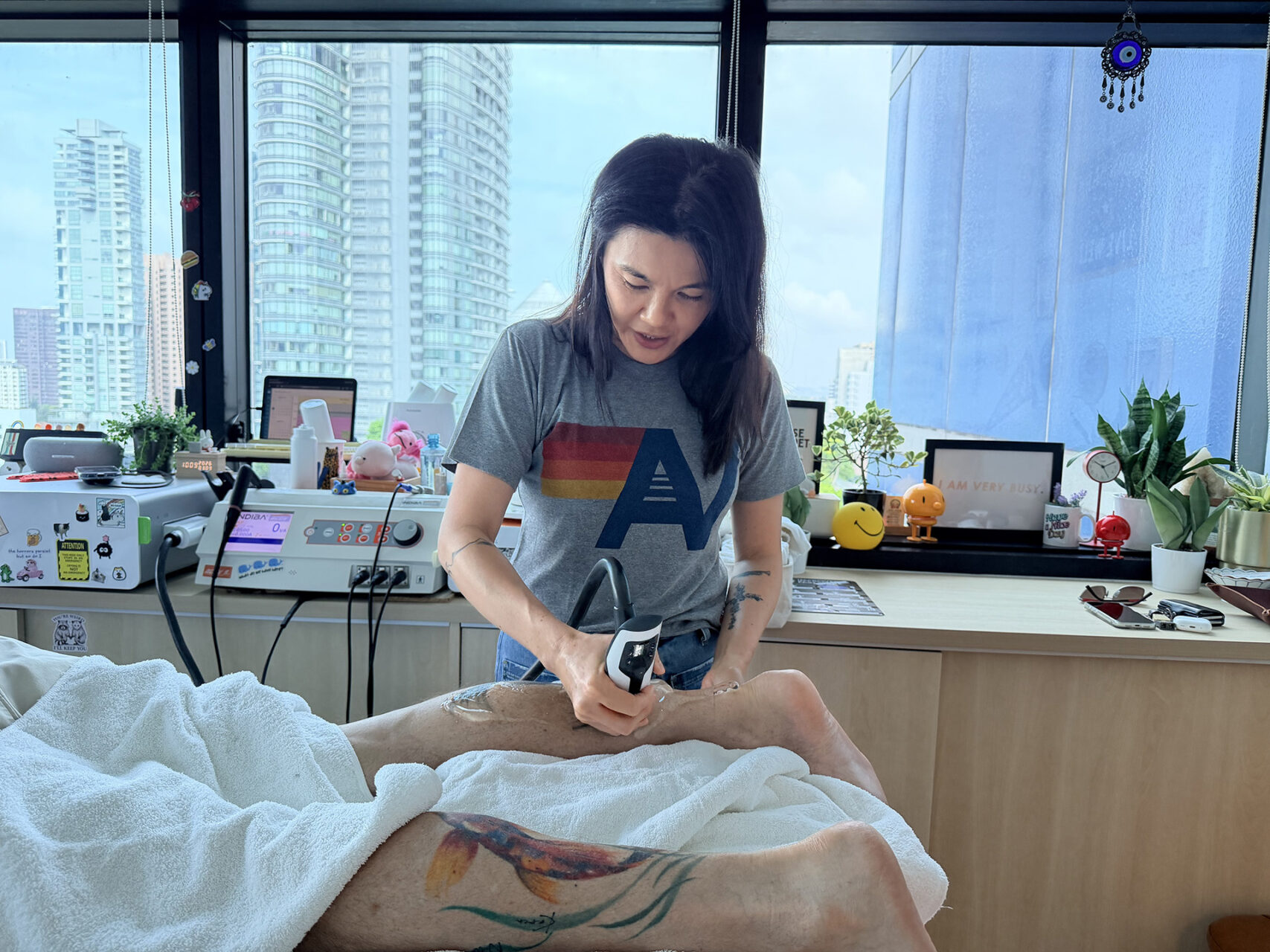
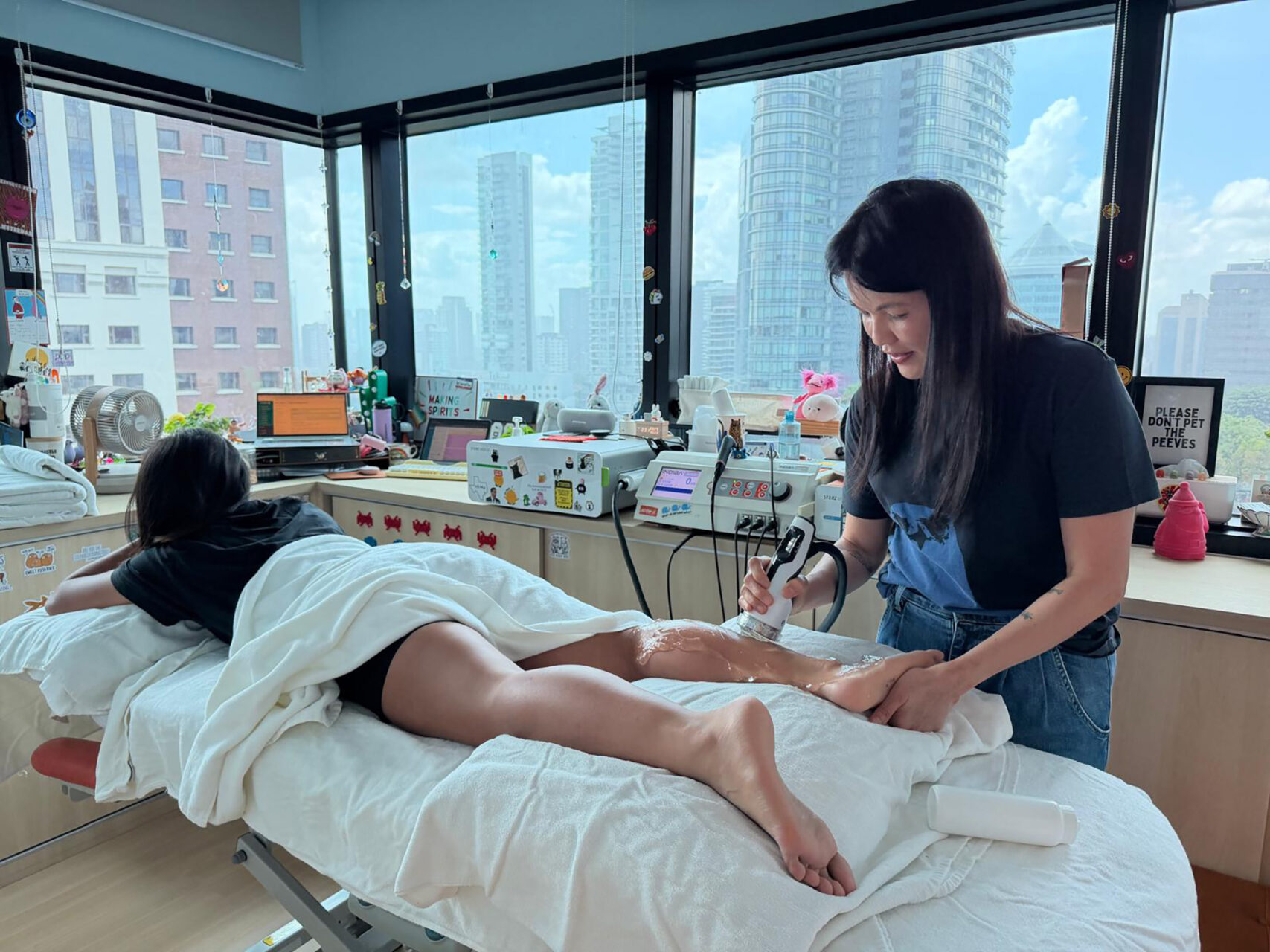
Adjunctive treatments can support the process when deployed correctly and appropriately. INDIBA® may be used in musculoskeletal rehabilitation to support tissue recovery and post-surgical rehabilitation, while manual therapy and exercise do the heavy lifting of restoring function. Dry Needling may help later in rehab when calf or peroneal muscle guarding is contributing to inflammation and stiffness in the affected area. Importantly, it does not repair the torn tendon itself. Its role is to help manage secondary myofascial discomfort so the ankle and foot can move and load more normally.
How Long Does Recovery Take?
Recovery depends on the severity of the tendon tear and the treatment method. Nonsurgical rehabilitation for peroneal tendon injuries typically lasts 1 to 3 months. Conversely, recovery following surgical intervention generally requires several months before resuming normal occupational and athletic pursuits.
Certain individuals begin partial weight-bearing activities approximately four weeks post-surgery and commence formal physical therapy around the six-week mark. These timelines will vary depending on the specific procedure performed, the quality of the affected tissue, and the individual’s overall rate of progress.
Don’t brush off ongoing pain on the outside of your ankle as ‘just another sprain’. Left untreated, a peroneal tendon injury can lead to repeated ankle sprains, ongoing discomfort, chronic ankle instability, and tendon snapping or subluxation over the outer ankle bone. When inflammation spreads to the surrounding foot and ankle areas, it can increase the likelihood of future injuries and make them harder to treat.
How HelloPhysio Can Help
If you have symptoms of a peroneal tendon tear, persistent outer ankle pain, or lasting instability after an ankle roll, the team at HelloPhysio can help. A clear evaluation and a customized treatment plan will help you understand your injury, protect the healing tissues, and get you back to your daily life with a more stable foot and ankle. Contact HelloPhysio to make your appointment.