

What Is Chronic Back Pain?
If you’ve had back pain for more than six weeks, it’s sometimes called ‘subacute’. Once it passes the three-month mark, it’s considered chronic back pain. Unlike the quick, sharp pain you get when you strain something, which is acute back pain, chronic back pain is a long-term problem that can really impact your daily life.
Chronic back pain is basically defined as pain that persists for 12 weeks or longer, even after treating the initial injury or the underlying cause. Healthcare providers often trace it back to physical problems in the spine, like discs that are wearing out (degenerative disc disease), a narrowed spinal canal (spinal stenosis), or joint issues like arthritis.
It’s super common to get chronic pain in your lower back. Why? Because your lower spine is constantly carrying your body weight and absorbing stress every time you sit, bend, lift, walk, or run. Experts estimate that about 8% of the population experiences this type of back pain. For some, it’s just a dull, persistent ache. For others, the pain frequently flares up and makes simple movements tough.
When we talk about chronic back pain, it can be categorized as ‘specific’ or ‘non-specific’:
- Specific means that a clear cause has been found, such as a bone fracture, an infection, arthritis, a pinched nerve, or a major disc problem.
- However, the vast majority, about 90% of chronic back pain cases, are non-specific. This simply means the pain is real and limits a person, but there isn’t a single obvious issue to blame.
Chronic Back Pain Symptoms
Chronic back pain symptoms may include a long-lasting, deep ache, feeling super stiff, and really tense muscles. Sometimes the pain is sharp, like a burning or stabbing feeling, and you might get sudden muscle spasms. This discomfort often gets worse when you move around a lot or stay in the same position for a long time. The pain usually starts in your back, but it can also spread down into your butt, hips, or even one or both of your legs.
Chronic back pain symptoms often change from day to day. Sitting may be the main trigger for one person. Standing, running, lifting, or bending may be the main trigger for another. Back muscle pain from muscle strain can feel like tightness, guarding, cramping, or soreness on one or both sides of the spine.
Seek medical review promptly if your back pain is linked with fever, unexplained weight loss, recent trauma, worsening leg weaknesses, numbness around the groin or saddle area, or loss of bladder or bowel control.
Chronic Back Pain Causes
Chronic back pain causes include muscle deconditioning, joint stiffness, disc changes, arthritis, nerve irritation, poor load tolerance, poor posture, and lifestyle risk factors.
- Muscle deconditioning is a common cause of chronic back pain. If the muscles that support your spine become weak or stop working well together, your back starts having trouble handling daily activities. Sitting for long periods, lifting objects, exercising, or standing all day can become challenging. This creates a tough cycle: the pain causes you to move less, which in turn makes your muscles even weaker and your back more sensitive to pain.
- Arthritis, whether osteoarthritis or rheumatoid arthritis, is another major cause of long-term back issues. As we get older, the joints in the spine can become inflamed or begin to change, often leading to the deep, nagging pain many people experience.
- Degenerative disc disease occurs when discs start to dry out and lose their natural cushioning. If a disc slips out of place or bulges (a herniated disc), it can press on a nearby nerve. This often leads to a chain reaction of pain that shoots down your leg, along with that pins-and-needles feeling, or numbness that just won’t go away.
- Other chronic back pain causes include spinal stenosis, a narrowed spinal canal, old injuries, repetitive lifting, sitting for long periods, obesity, poor sleep, stress, and reduced physical activity.
The causes of chronic lower back pain are often mixed. A person may have mild disc changes, a weak core and hip muscles, long hours of sitting, and high stress at the same time. The goal of assessment is to understand which factors are most relevant, rather than attributing pain to a single scan finding.
Chronic Back Pain Diagnosis
Accurate diagnosis of chronic back pain starts with a detailed history, physical examination, and screening for red flags.
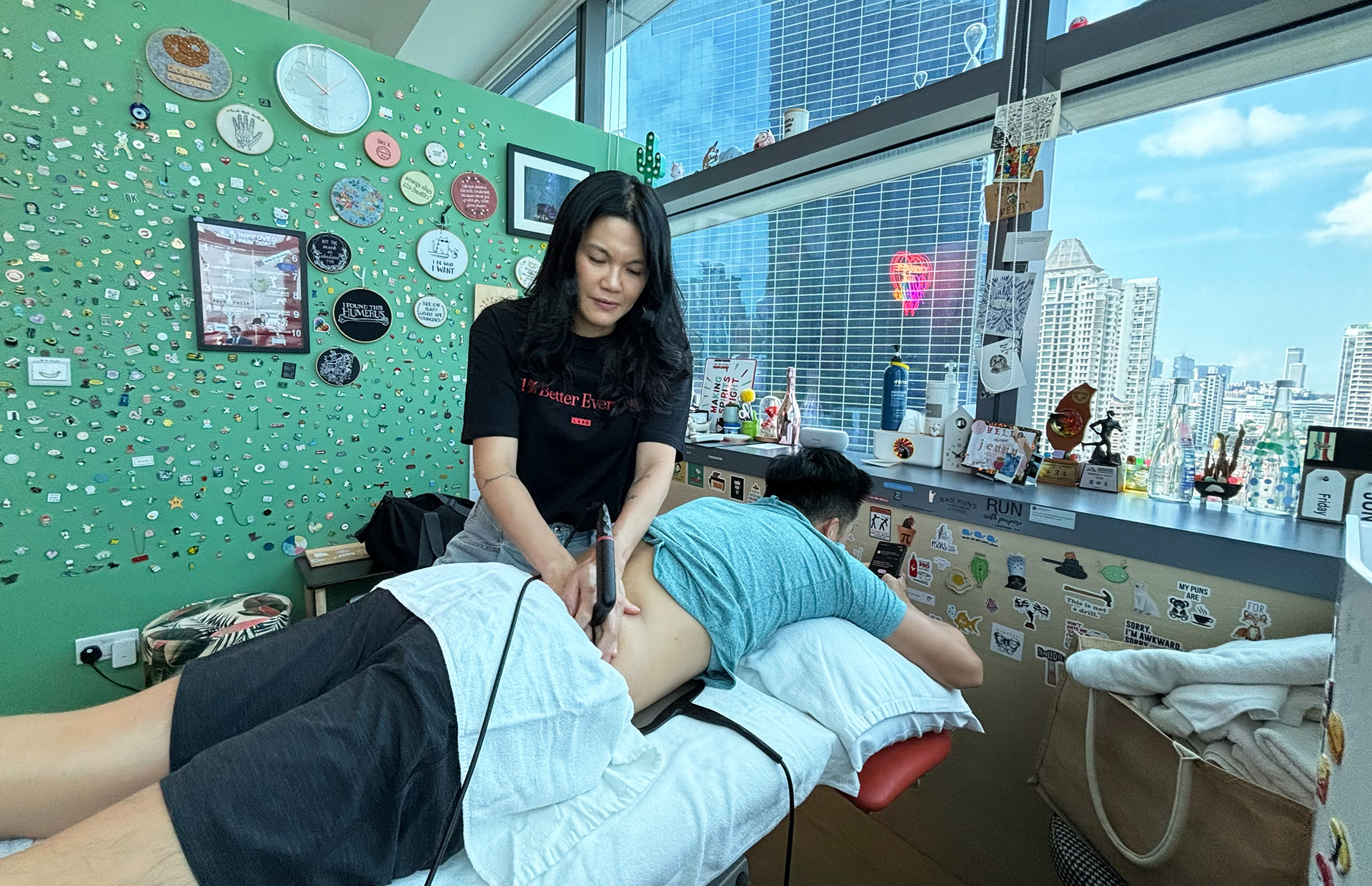
Your physical therapist begins by taking a careful and detailed history. They’ll want to know exactly where the pain is, how long you’ve had it, what actions or positions make it feel better or worse, and, critically, how it’s impacting your work, sleep, and exercise. They will also cover important background details, such as past injuries, any previous medical diagnoses, scans you’ve had, current medications, and any other symptoms that might need a doctor’s input.
Next, a physical examination is performed. The check-up assesses your posture, gait, spinal flexibility, hip mobility, and muscle strength, balance, and coordination. They will specifically look for ‘nerve signs’ and observe how your symptoms react to different movements or physical demands.
It’s important to know that diagnosing chronic back pain doesn’t always require medical imaging. While X-rays, MRI or CT scans are sometimes necessary, especially if symptoms aren’t improving, if there are concerning nerve signs, or if a serious underlying condition must be ruled out, they are used selectively.
Chronic Back Pain Treatment
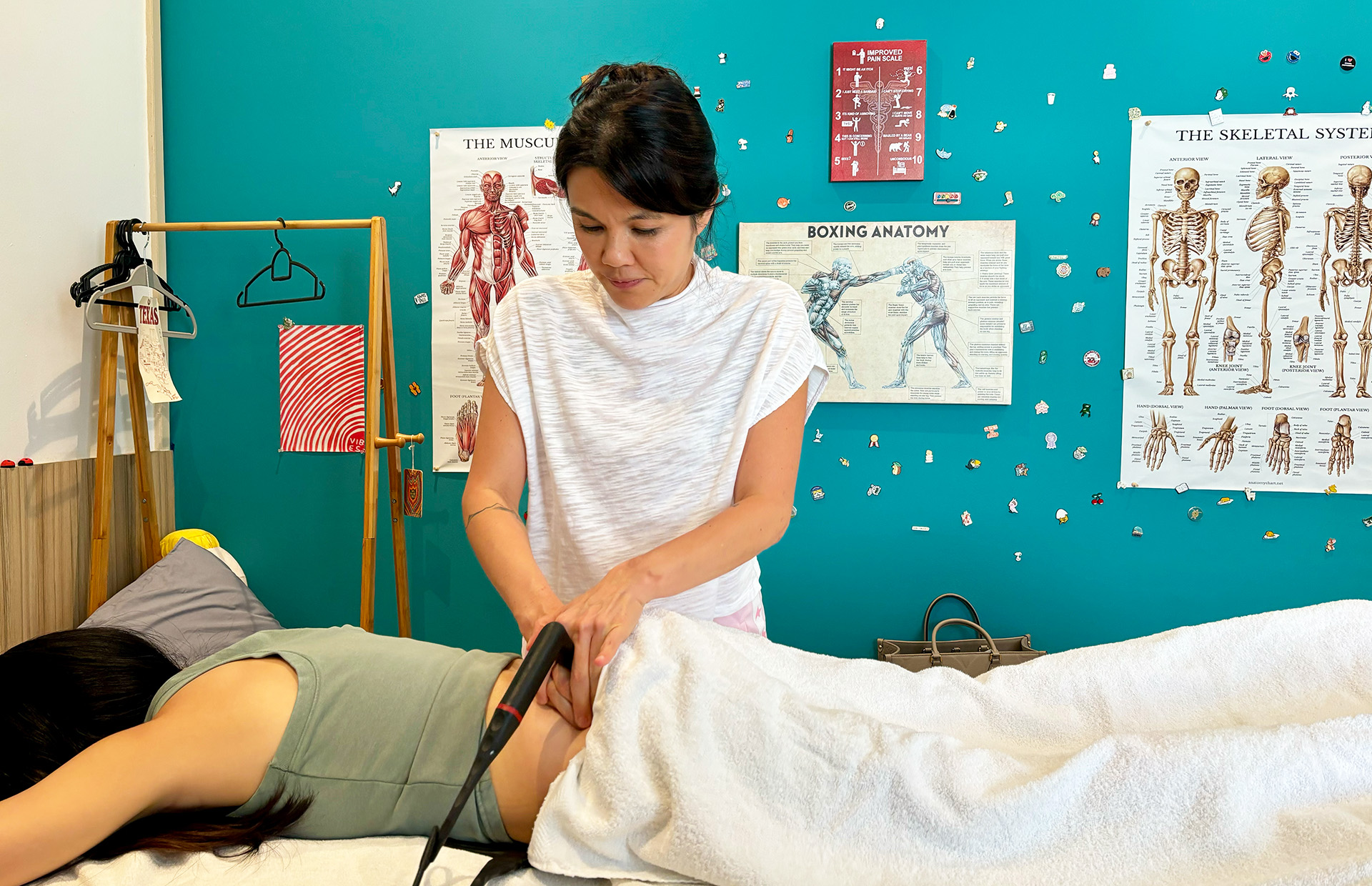
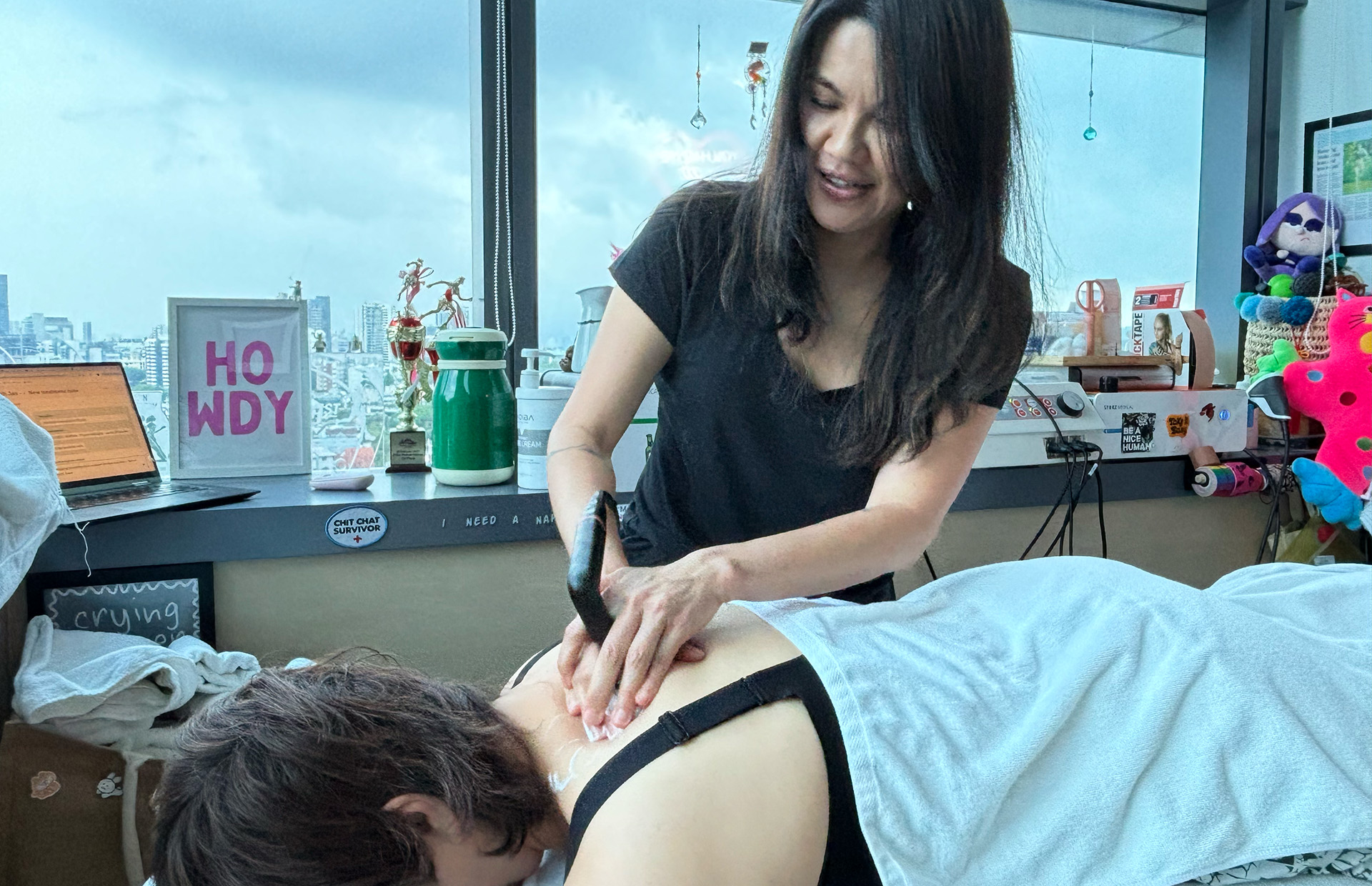
When it comes to treating a long-term persistent pain, starting with nonsurgical back pain treatment options is almost always the best approach. In fact, most individuals never need to go under the knife. Conservative treatments for chronic lower back pain typically involve several strategies working together. This might mean hands-on manual therapy, relearning how to move correctly, targeted exercises to help build core and hip strength, getting personalized advice on your posture and workstation setup, and learning safer lifting techniques for daily life.
These physical therapy techniques and manual therapy work in tandem, not just to ease the discomfort you feel, but also to fundamentally help your spine become stronger and better able to handle the everyday stresses of life.
Standard pain relief options, such as non-steroidal anti-inflammatory drugs (NSAIDs), are often helpful for managing persistent swelling and everyday discomfort. While these medications are often recommended for short-term relief, some individuals may also benefit from adding muscle relaxants or specific nerve-related treatments to their regimen. It is vital to consult with a medical professional or pharmacist before starting these, particularly if you have a history of heart, kidney, or digestive issues.
At HelloPhysio, we believe chronic back pain care should be as unique as the individual experiencing it. For a runner, this might mean analyzing their stride, checking hip strength, and carefully planning a safe return to the track. An office worker, on the other hand, might benefit more from a mix of mobility exercises, strengthening routines, and practical advice on desk posture and taking active breaks. For those recovering from surgery, we provide step-by-step rehabilitation plans designed to support the body’s natural healing process at every stage.
In addition to standard care, we may also suggest specialized adjunctive therapies to help your recovery. For instance, INDIBA® therapy uses radiofrequency energy to boost circulation and reduce inflammation, which helps ease stiffness and allow you to move more comfortably. Heat therapy, which enhances blood flow, is also essential for natural tissue repair. If your pain is linked to deep muscle knots or tension, Dry Needling can be an effective way to release those tight spots. We might also utilise Extracorporeal Magnetotransduction Therapy (EMTT) to help manage your pain or persistent muscle or joint discomfort.
Chronic Back Pain Exercises
Targeted exercises for chronic back pain are designed to help you regain physical strength and flexibility, improve your coordination, and boost your confidence in everyday activities. Consistent physical activity reinforces the essential core muscles that stabilize the spine. Furthermore, it enhances blood flow, eases joint stiffness, and gradually helps your body adapt to regular movement without discomfort.
Initial rehabilitation often focuses on gentle movements such as spinal stretches, controlled breathing techniques, pelvic tilts, light walking, and foundational core exercises. As you begin to feel stronger, your program can advance to more challenging movements like squats, bridges, gluteal strengthening, and functional lifting tasks.
It is important that your exercise routine does not consistently trigger spikes in symptoms. While feeling some mild fatigue or work-related soreness is typical when rebuilding your physical capacity, you should avoid movements that cause sharp, sudden pain or nerve-related sensations that travel down your legs. If an activity leads to a significant flare-up that persists into the following day, it is a clear sign that the exercise should be adjusted or scaled back to better suit your current recovery stage.
Injections and Advanced Pain Procedures
For some individuals, especially when persistent or severe pain remains concentrated in one area despite trying non-surgical treatments, and particularly if movement makes the pain worse, more advanced procedures might be necessary. The goal here is always to find relief from pain, not just a temporary solution.
- Epidural Steroid Injections: These use medication to reduce swelling and irritation around specific spinal nerves. By reducing the inflammation and easing pressure within the spinal canal, these can significantly reduce pain and protect against potential long-term nerve issues.
- Facet Joint Injections: When the small joints in your spine are inflamed and causing pain, these targeted injections can offer relief. While they don’t cure the underlying problem, they can reduce symptoms enough to allow you to move comfortably and make physical rehabilitation more effective.
- Nerve Stimulation and Ablation: For certain types of pain, we have specialized tools. Transcutaneous Electrical Nerve Stimulation (TENS) is a gentle therapy that uses a surface device to help ease discomfort. Radiofrequency Ablation (RFA) is a more advanced option that uses heat to block the small nerves that carry pain messages from specific spinal joints.
- Spinal Cord Stimulation (SCS): In the most severe, chronic cases, a small, implanted device can be used. It sends mild electrical impulses to the spinal cord to interrupt pain signals before they reach the brain.
It’s important to understand that invasive procedures, including surgery, are generally kept as a last resort. We only consider them when there are severe structural problems, when nerve-related pain is relentless, or when other appropriate non-surgical methods have failed. Surgery is reserved for clear structural causes, such as severe spinal canal narrowing (stenosis), ongoing nerve compression, major instability, or a disc herniation that is causing significant disability.
Can Chronic Back Pain Be Prevented from Returning?
Chronic back pain can often be better managed and less likely to return with the right long-term habits.
Prevention usually means building a stronger, more tolerant back. Effective prevention involves establishing sustainable habits that enhance spinal resilience. This includes engaging in consistent strength training, performing low-impact aerobic activities such as walking, and integrating active recovery breaks during prolonged sitting. Additionally, adopting ergonomic lifting techniques, maintaining an optimal body weight, and following a structured, progressive return to athletic or gym-based activities are essential components of a comprehensive long-term care strategy.
Once pain settles, the goal is to keep improving strength, mobility, and confidence so the back can handle normal life. The right chronic back pain exercises can reduce repeated flare-ups and help the spine feel less vulnerable. Lifestyle modifications may also play an important role in prevention and in alleviating pain.
How HelloPhysio Can Help
If persistent back pain is interfering with your daily routine, rest or physical activities, the team at HelloPhysio is here to support your recovery. Our experienced physiotherapists will conduct a thorough evaluation to identify the root cause of your discomfort and create a personalized program managing chronic back pain focused on restoring movement and building lasting strength. Reach out to HelloPhysio today to schedule your assessment.