

Senior Physiotherapist Conor McHugh covers the symptoms and signs that might mean you need hip replacement surgery.
As osteoarthritis (OA) is a spectrum, how do you know if your wear and tear is ‘bad enough’ to get a hip replacement? Just because you have hip issues and pain doesn’t mean you have osteoarthritis. This article will help you identify the symptoms that indicate when you need a hip replacement.
What Are Common Symptoms that A Hip Replacement Is Needed?
In severe arthritis, the cartilage that usually reduces friction and cushions the ball in the socket has worn out. On an X-ray, this looks like the ball starts to touch the socket. When you see an orthopaedic specialist or your general practitioner, they will first order hip X-rays to assess the wear.
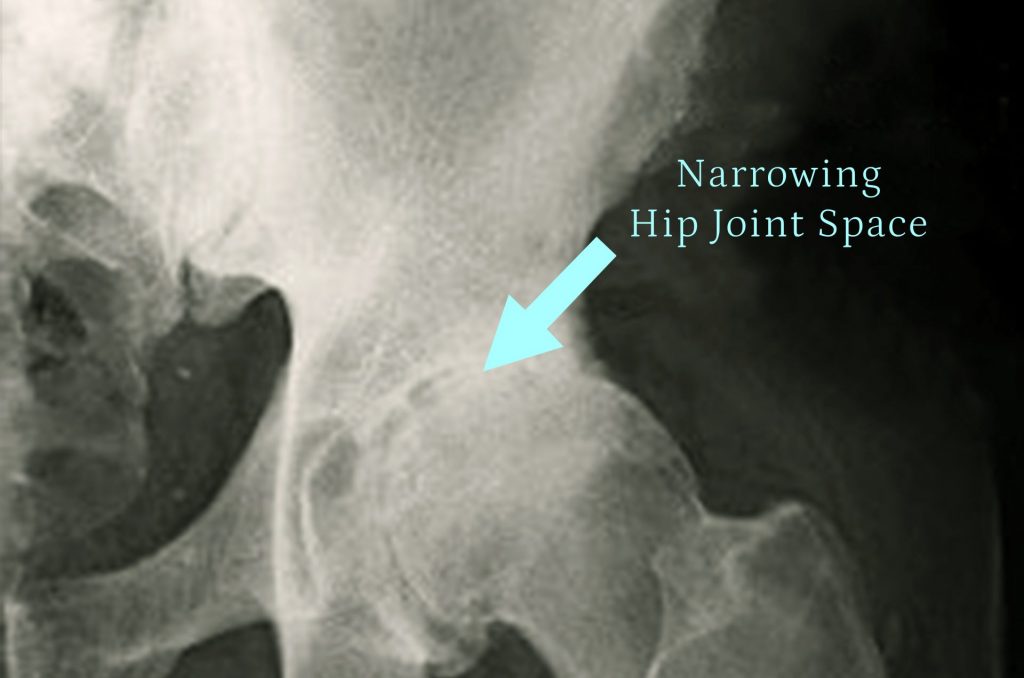
One of the most obvious signs of a wearing hip is groin pain. This pain can sometimes extend as far as the knee joint, but it very rarely causes buttock pain. If you have buttock pain, you likely have a lumbar disc issue, not a hip problem. When hip OA is advanced, increased physical activity such as long-distance walking or hiking can make your pain worse.
Other symptoms include stiffness and decreased mobility in the hip area. This reduced mobility can show up as the joint getting “stuck” during specific movements, making it hard to move smoothly.
Chronic or Debilitating Groin Pain Is A Sign for Hip Replacement
Pain is your body telling you something is wrong. Listen to the pain and respond accordingly so you can live your best life. Arthritic hip pain traditionally manifests as groin pain.
A frequent sign that you may need hip replacement surgery is that you find daily activities like walking, standing on one leg, or bending down cause pain. This pain can be felt in the groin region; sometimes, this pain can extend as far as the knee. Stairs can often aggravate this pain, particularly when going down stairs using the arthritic side.

If you have chronic pain between your groin and the inside of your thigh/knee, you may have arthritis in your hip joint. This pain may sometimes keep you up at night, or warrant painkillers. You may also compensate for your pain with a walking aid or develop a limp.
Anti-Inflammatories, Physiotherapy, and Other Conservative Treatments No Longer Work
The natural history of arthritis is that it waxes and wanes. When a joint has been irritated, it becomes inflamed. This is when our body runs through its natural inflammatory process to settle down and resolve the inflammation. Sometimes we need the help of drugs (NSAIDS) to aid this process. The joint then returns to its natural, calm, non-irritated state, and we can function well again.
However, as arthritis progresses with age (and sometimes activity), the time between inflammation flare-ups becomes shorter. Eventually, we get a fresh inflammatory response on top of an already irritated, inflamed joint. At this point, our bodies have lost control of the inflammatory process — even the best drugs and tailored physiotherapy will not settle the pain.
Osteoarthritis Hip Pain at Night Becomes Unbearable
Nighttime is when our body does all of its healing. If any tissue has been damaged or irritated, it is at night that our body mounts most of its healing and inflammatory response. Nighttime can become unbearable when inflammation stacks on inflammation repeatedly in the joint, as happens with advanced arthritis.

In the advanced stages of arthritis, patients cannot sleep through the night because of the pain and discomfort in different sleeping positions. This will affect other bodily systems, disrupting our circadian rhythm. For example, those with diabetes will see their blood sugars rise, or those with hypertension may need extra medication to keep their blood pressure in check, as a lack of sleep disrupts the hormonal system.
Decreased Ability to Walk, Increased Pain
As arthritis gradually worsens, patients begin to see their comfortable walking distance decline. Most patients will not be able to walk for long periods — typically more than 500 to 1000 meters before they need to rest — due to the pain. This may be one indication to consider a hip replacement. As you can imagine, this level of mobility is insufficient for day-to-day activities, let alone exercise.
When people lose the ability to walk, they lose control of their weight, blood pressure, and blood sugars. Decreased mobility can lead to the development of several preventable conditions, such as hypertension, diabetes, and high cholesterol.
Hip Pain Physiotherapy in Singapore
You do not have to suffer in pain. Total hip replacements are among modern medicine’s best, safest, and well-refined surgeries.
HelloPhysio’s multidisciplinary approach and a team of clinical experts in musculoskeletal dysfunctions specialize in diagnosing and treating hip osteoarthritis conditions in patients of all ages.
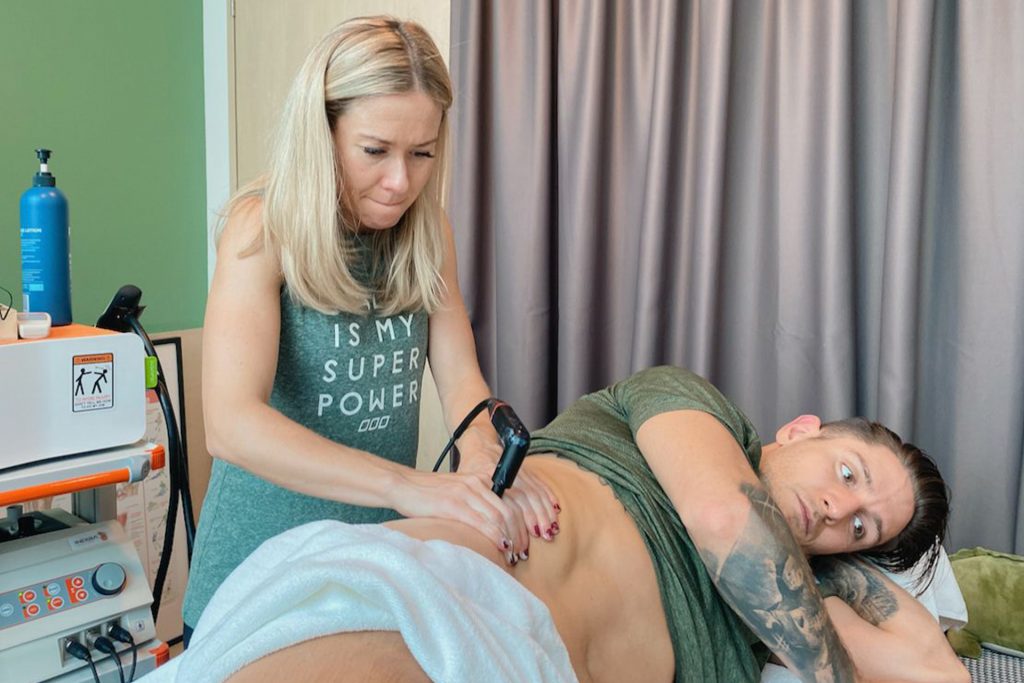
Our clinic leads the way in Singapore with advanced manual therapy protocols combined with cutting-edge adjunct technology, including Shockwave Therapy, MAGNETOLITH Electromagnetic Transduction, and LightSpeed Lift. Depending on your medical history and treatment plan, you may benefit from these conservative options before considering last-resort surgery.
Contact our physiotherapy clinic today to help you regain full mobility and build resilience for your lifelong musculoskeletal hip health following orthopedic surgery. Give yourself the ability to live an active, healthy lifestyle again and enjoy life to the fullest.
FAQs for Physiotherapy Before and After Hip Replacement
Now that you know the symptoms of hip replacement, here are some FAQs to help you plan for prehabilitation and post-surgical rehabilitation.
- What is physical therapy rehabilitation like after hip replacement surgery?
Physical rehabilitation is vital after hip replacement surgery to restore mobility, relieve pain, and ensure a healthy recovery. You will do rehabilitation at your weekly visits with your physiotherapist and at-home exercises daily. Exercises will focus on increasing blood flow to the legs to prevent clotting, promote healing, and restore strength to the hip and other leg muscles.
- How long is the physical therapy after hip surgery?
Usually, patients need to do physical therapy for about 4-6 weeks before they start feeling stronger. After that, it may take another 4-6 months to restore full function.
- When is it too late to get a hip replacement?
There is no such thing as being too late for a hip replacement. Nobody should live with pain; a hip replacement can help you live your best life. Studies show that patients in their 80s and 90s can benefit from a hip replacement as much as younger patients.
- How to minimize pain before you get a hip replacement?
Pre-surgery hip physiotherapy can assist with minimizing pain and ease recovery. Your physiotherapist can help you with exercises to strengthen the relevant muscles before and after surgery.
- What is the average age for hip replacement?
The average age for hip replacements is 65. However, the average age is dropping as more people want to remain active while minimizing pain as they grow older. There is no wrong age for a hip replacement, as long as you want to stay moving.
- Will insurance cover my physiotherapy rehabilitation after hip replacement surgery?
Insurance providers usually cover physiotherapy treatment and services following hip replacement surgery. If your orthopedic surgeon has not worked with our multidisciplinary team of experts before, ask your surgeon to contact our clinical team. We’ll discuss our recovery protocols. Contact your insurer or our clinical office team with any questions.