
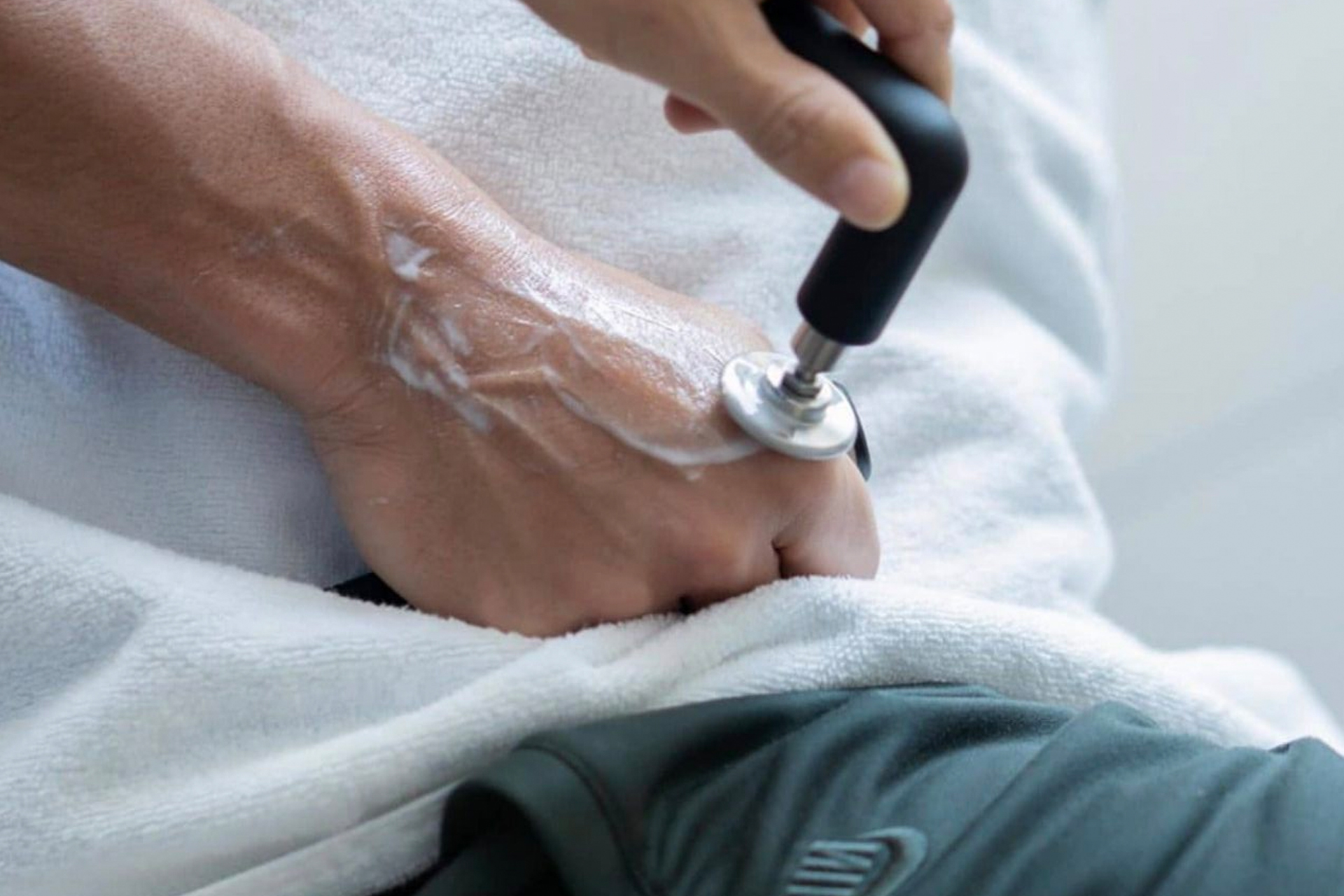
At HelloPhysio, our multidisciplinary team combines manual techniques with advanced therapeutic approaches for hand and wrist physiotherapy. These adjunctive therapies include INDIBA radiofrequency and shockwave ultrasound to quicken healing and improve hand and wrist injuries and patient outcomes for conditions such as carpal tunnel syndrome.
Despite their relatively small size compared to the rest of the body, wrist and hand injuries remain incredibly prevalent and can make life very difficult. Wrist injuries affect people in physically demanding jobs and athletes who perform repetitive motions, leading to microtears that wear the body down over time.
Wrist & Hand Soft Tissue Injuries on the Rise in the Digital Age
Wrist injuries are also more likely in people who type regularly, which includes most of us in an office environment. These injuries slow productivity, and the longer employees are away from their keyboards, the worse the long-term effects.
Orthopedic hand specialists are also beginning to see an increase in wrist pain in younger populations — previously related to workers and people who use computer keyboards. With the overuse of small digital devices, from phones to tablets, and when playing video games, people of all ages and occupations are beginning to suffer from higher incidences of wrist pain and hand injuries.

As more of our jobs rely on long hours of typing and computer use, and home hours of scrolling and swiping on digital devices, wrist injuries and changes to the muscles and nerves in our hands are becoming common musculoskeletal injuries in the digital age. Whether you are typing on a computer, holding a phone, or spending your entire night on Fortnite, your hands and wrists are positioned unnaturally for many hours each day.
HelloPhysio’s trained team of physical therapists and rehabilitation practitioners comprehensively assesses the underlying root causes of your injury. We advise patients and employers on evidence-based exercises to reduce risk factors contributing to upper limb injuries in the workplace.
Depending on the severity of your injury, our team’s approach to physiotherapy for hand and wrist pain may include:
- Manual therapy to re-establish movement patterns and restore balance in the muscles and joints
- Adjunctive technologies from radiofrequency or shockwave ultrasound to reduce inflammation and improve biostimulation
- Therapeutic alternative therapies to reduce immediate pain and enhance long-term outcomes
Nerve and Repetitive Strain Injuries
Repetitive motions can result in nerve compression or entrapment. One part of the problem is the repetitive motions for typing, which affect the wrist and fingers, creating an unnatural amount of compression. It can also come from repetitive movements like knitting, crocheting, video games, or clicking on a mouse.

Another factor contributing to musculoskeletal disorders is poor posture during long work hours and while typing. Wrists can damage tendons if they are in an awkward position. Awkward posture can also affect the shoulders, pinching the nerves in the neck. Compression at the neck can create pain elsewhere throughout the upper limbs. Nerves can also be squeezed in multiple locations. This is prevalent among computer users with muscle tightness or stress in numerous areas. This is a double-crush injury and can be challenging to detect.
Our knowledgeable physiotherapy team can quickly diagnose some of the most common hand and wrist nerve injuries:
- Carpal Tunnel Syndrome Repeated motions such as typing or sports activities can compress the nerves in the wrist, leading to numbness or pain in the hand and forearm. This nerve disorder tends to worsen over time if not treated adequately.
- Cubital Tunnel Syndrome Cubital tunnel syndrome is similar to carpal tunnel, except it afflicts the tip of your elbow, also known as the ulnar nerve or ‘funny bone’. It typically manifests as pins and needles in the fingertips.
- Radial Tunnel Syndrome The radial nerve runs from your neck to your arm, traveling towards the wrist. If your radial nerve is compressed, simple actions like grasping or pulling will become difficult or painful.
- Thoracic Outlet Syndrome Unlike the other syndromes listed here, thoracic outlet syndrome doesn’t stem from an injury in your arm. Instead, it is the nerve compression between the collarbone and the first rib. This compression often affects the brachial plexus, which controls your shoulder and hand.
Musculoskeletal disorders and workplace factors can make it harder to type or create numbness or pinching sensations, slowing productivity. It can make simple activities like grasping a coffee mug difficult in your daily life.
And for athletes, these work-related hand injuries can affect sports performance out of the office for people who play tennis, golf, or badminton. Sports also carry the risk of worsening the injury by repeating the same motions that caused it.
An early diagnosis and treatment from a qualified physiotherapist can improve healing outcomes, reduce pain, improve range of motion, and prevent long-term disability.
Like any other body part, the hands and wrists are subject to wear and tear, which can lead to chronic conditions such as osteoarthritis, where the cartilage deteriorates, or autoimmune disorders like rheumatoid arthritis, which commonly affects the wrist.
Carpal Tunnel Is a Musculoskeletal Disorder
Carpal tunnel syndrome is a musculoskeletal condition that affects the hands. Many people think carpal tunnel syndrome is caused by and associated with a specific physical activity, such as typing or swiping, that causes numbness or tingling in the hand.
However, in most cases, people develop carpal tunnel syndrome due to other dysfunctions, from median nerve damage from diabetes to hypothyroidism, which causes fluid buildup, putting pressure on the nerves in your hands and wrists. Other factors contributing to carpal tunnel syndrome may include wrist dislocations, rheumatoid arthritis, and obesity.
The median nerve, which runs down the palm side of the wrist, controls movement and sensation in the thumb and fingers. When the nerve gets pinched, it may cause symptoms such as numbness, tingling, and weakness. Repetitive motion can compress the nerve, worsening pain. Repetitive physical activities and actions like typing or holding the phone in unnatural positions for extended periods can worsen nerve dysfunction.
Proper physiotherapy treatment can restore normal hand and wrist function. Yet, despite physiotherapy being an effective treatment modality for carpal tunnel syndrome, most people wait too long to see a physiotherapist until the condition drastically interferes with daily activities. Even worse, some patients wait until the nerve and muscle damage becomes permanent to the point that it requires surgery.
Can physiotherapy help with hand and wrist injuries like carpal tunnel syndrome treatment without surgery?
Hand & Wrist Physiotherapy Treatments at HelloPhysio
A physiotherapist specializes in mobility, movement patterns, and pain management. They can assess risk factors for musculoskeletal disorders, improve range of motion, reduce pain, and improve strength. Physiotherapy can also help prevent further injury by improving function and mobility and reducing pain.
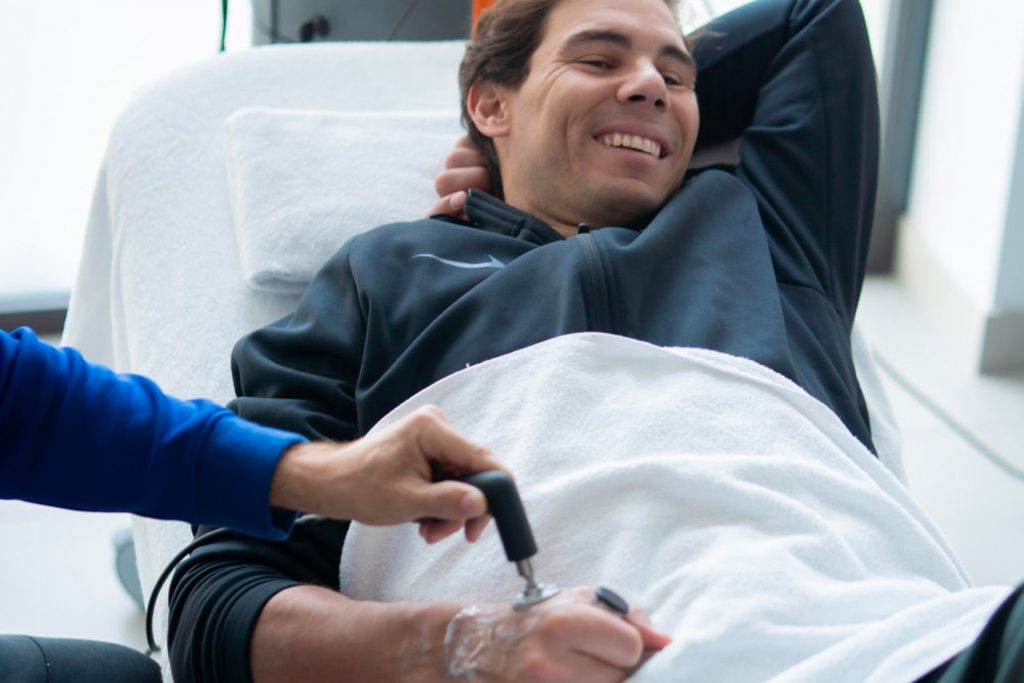
People with work-related musculoskeletal dysfunctions and soft tissue injuries are at a higher risk of experiencing hand and wrist pain due to muscle spasms, contractures, active trigger points, or nerve pain. HelloPhysio’s team can help with work-related hand and wrist injuries and carpal tunnel syndrome treatments in Singapore, including:
- INDIBA radiofrequency reaches deep into the tissues to start the healing process through thermal and sub-thermal effects to improve vascularization and biostimulation needed for cellular regeneration.
- Radial Shockwave Therapy reduces pain and improves hand function for patients with mild to moderate conditions, like carpal tunnel syndrome, by directing ultrasound waves to inflamed areas of the wrist and thumbs and producing analgesic effects essential in pain management.
- Dry Needling targets trigger points associated with repetitive strains and nerve injuries to relieve pressure on taut bands for carpal tunnel release.
Hand, wrist, and elbow injuries can be frustrating, but HelloPhysio’s continuum of multidisciplinary techniques can drastically improve patient outcomes. We provide uncompromising patient empowerment backed by evidence-based research using groundbreaking technologies. Surgical options may be suggested depending on the severity of your injury, but invasive procedures are the last recourse for work-related hand and wrist dysfunctions.
Contact HelloPhysio today to book an appointment or learn more about our comprehensive approach to rehabilitative wrist pain and hand injury treatment and your road to recovery.