
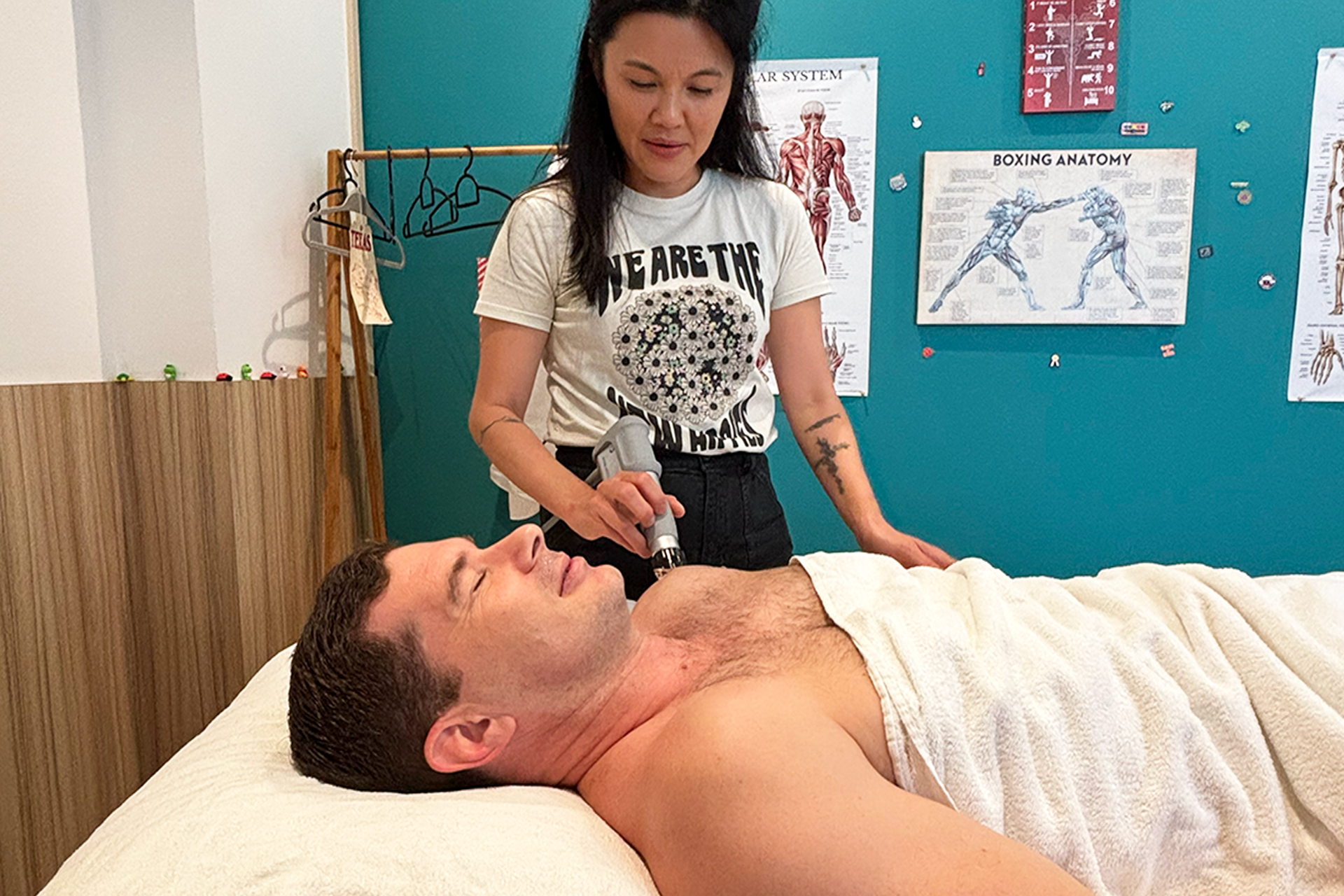
Did you know the term tennis elbow isn’t limited to tennis players? Tennis elbow can affect anyone who performs repetitive arm motions. Most people who get the injury we colloquially call tennis elbow do not play tennis at all!
Several options are available to manage tennis elbow and its symptoms. Some of these options are more traditional physiotherapy techniques. Other options involve modern technology to intervene and address the symptoms. The optimal approach often combines traditional and modern adjunctive modalities, such as those at HelloPhysio.
These modalities complement each other, addressing different aspects of the condition. INDIBA® and Shockwave Therapy target the underlying tissue damage, while manual techniques focus on relieving symptoms and improving overall function. By combining these approaches, physiotherapists can create tailored treatment plans to manage tennis elbow and support effective recovery.
What Really Is Tennis Elbow?
The scientific name for tennis elbow is ‘lateral epicondylitis’. Specifically, it affects the tendons connecting the forearm muscles to the elbow. After repetitive motions, the tendon becomes overused, causing pain and discomfort in the arm.
What makes tennis elbow so troublesome is its persistent pain.
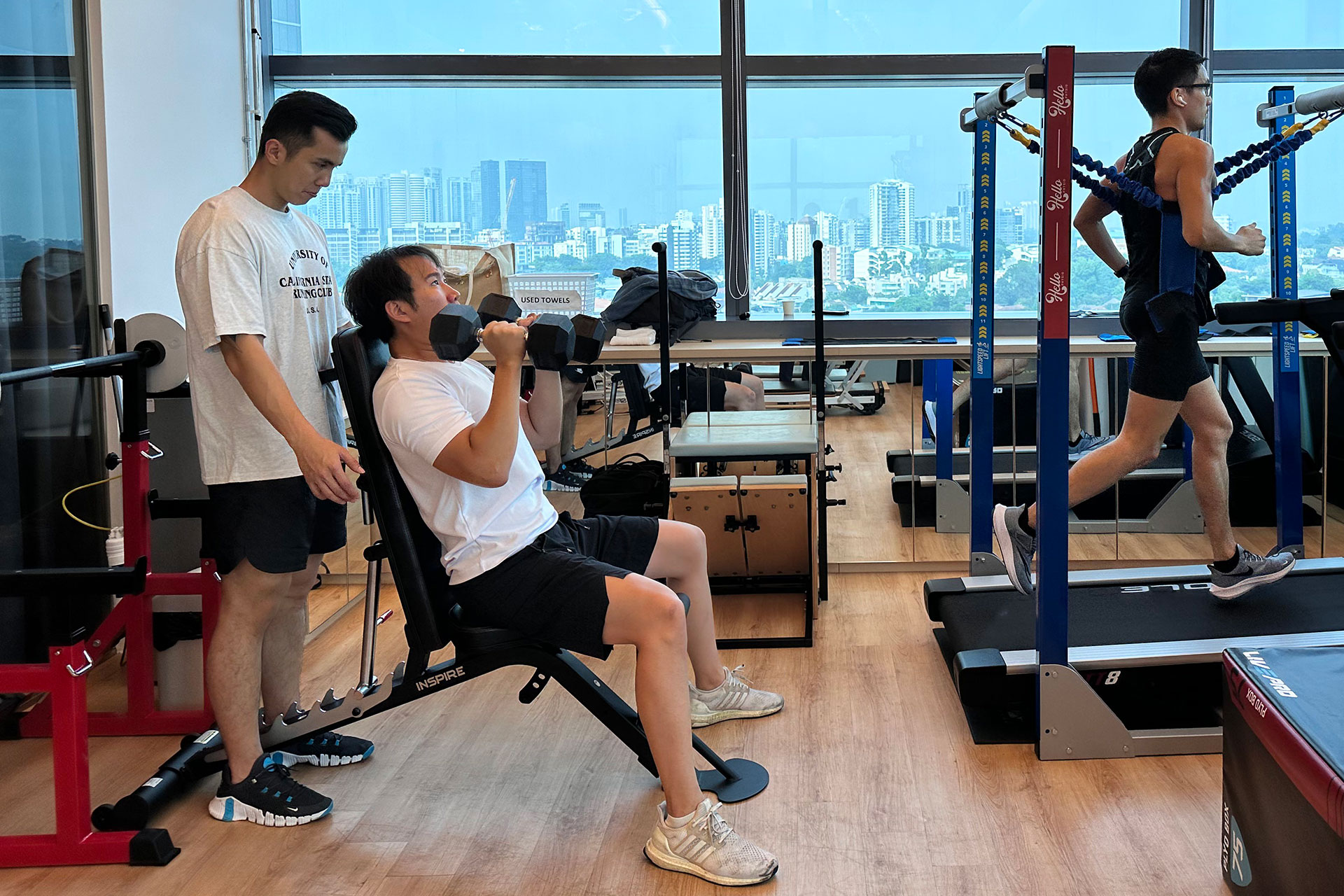
Any arm motion can trigger a reaction in the tendon, leading to pain in the forearm and wrist. This pain can worsen with gripping or lifting objects. Activities like shaking hands or turning a doorknob can also exacerbate the discomfort. Swelling and stiffness may accompany the pain; in advanced cases, gripping objects may become difficult. Pain can radiate down the forearm. Tennis elbow symptoms can vary in severity and may develop gradually or suddenly.
Repetitive motions lead to tennis elbow. Repetitive gripping, twisting, or lifting can lead to this condition. Common culprits include frequent use of tools, such as hammers or screwdrivers, repetitive typing or computer mouse use, and activities like painting or playing musical instruments.
Overuse or sudden increase in intensity or duration of these activities can strain the tendons, causing microscopic tears and inflammation. Poor technique or improper equipment can exacerbate the risk. Additionally, factors like age, strength imbalance between forearm muscles, and inadequate warm-up may contribute to its development, too.
How can I differentiate between tennis elbow and other types of elbow pain?
To differentiate between tennis elbow and other types of elbow pain, consider the location, causes, symptoms, and medical history. Tennis elbow typically causes pain on the outside of the elbow, often due to repetitive strain or overuse of the forearm muscles. Symptoms include pain and tenderness on the outside of the elbow, forearm weakness, and difficulty with activities that involve gripping or lifting. A history of repetitive strain or overuse in your occupation or hobbies may indicate tennis elbow.
Tennis Elbow Can Get Worse without Treatment
Tennis elbow can worsen without proper treatment. If left untreated or if treatment is delayed, tennis elbow can lead to further complications and prolonged recovery times.
Without proper rest and treatment, the inflammation in the affected tendon can persist, causing ongoing pain and stiffness. Prolonged inflammation and inadequate treatment can cause muscle weakness, making daily tasks harder and increasing the risk of further injury.
Untreated tennis elbow can also lead to chronic pain and reduced mobility and flexibility in the elbow, wrist and forearm, making it harder to perform activities that require these joints and significantly impacting daily activities and quality of life. If the tendon is not allowed to heal, it can rupture, leading to more severe symptoms and potentially requiring surgical intervention.
INDIBA Activ as Tennis Elbow Treatment
INDIBA® Activ uses radiofrequency technology to stimulate tissue regeneration, promote healing, and reduce inflammation. The treatment stimulates, vascularizes and hyperactivates biological tissue, enhancing the body’s natural healing mechanisms. This process increases vascularization and oxygenation, optimizing tissue recovery and initiating repair and anti-inflammatory processes.
INDIBA therapy enhances cellular metabolism, restores tissue to combat fibrosis, and improves venous and lymphatic reabsorption, reducing inflammation and waste products.
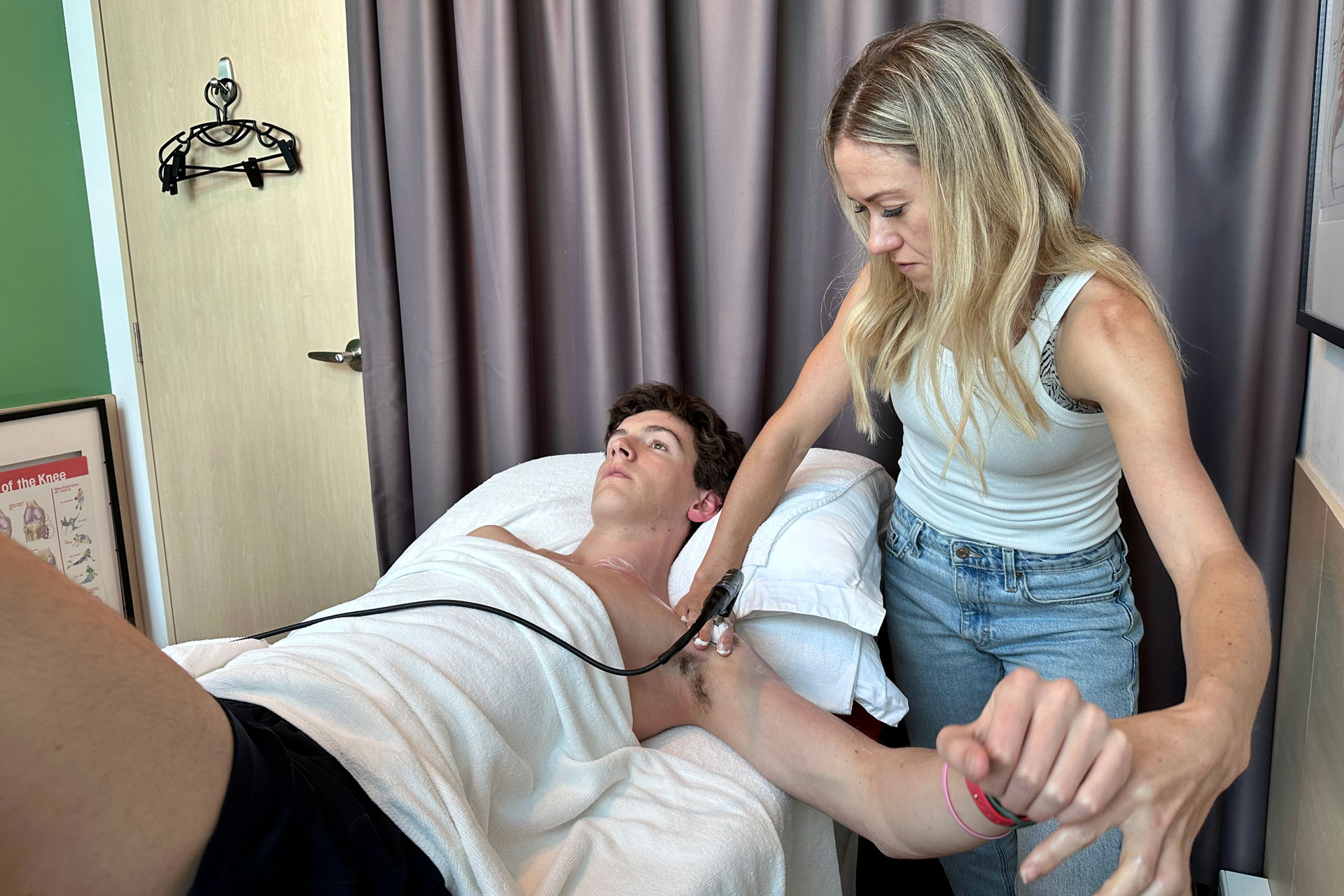
The treatment reduces pain from the first session, making it effective for musculoskeletal injuries and other conditions. By accelerating tissue repair and regeneration, INDIBA therapy improves mobility and reduces pain, which is particularly important for athletes and individuals needing rapid recovery. It can be integrated with manual therapy, enhancing its effectiveness by combining the benefits of both approaches.
INDIBA therapy offers a comprehensive, non-invasive approach to tissue regeneration and effectively treats various musculoskeletal conditions.
Shockwave Therapy Promotes Circulation and Metabolic Healing
Shockwave therapy employs high-energy pulses to stimulate healing and reduce inflammation. The treatment mechanically stimulates fibroblasts and osteoblasts, enhancing healing and potentially dissolving calcific deposits.
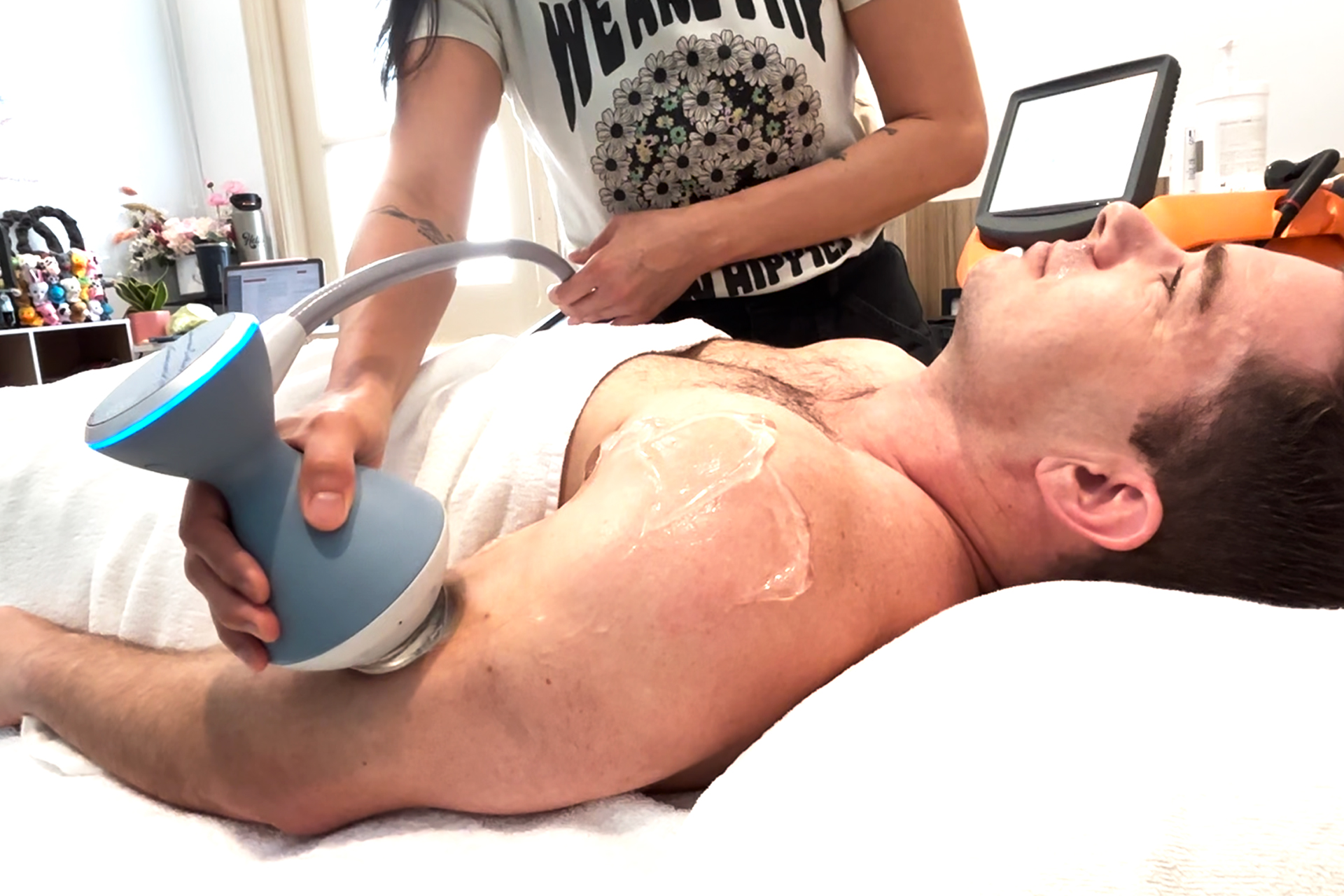
Shockwaves also increase cell membrane permeability, promoting circulation and metabolism in the treated area. The treatment also stimulates nitric oxide release, a potent vasodilator that improves blood flow and oxygen delivery to the affected area, supporting tissue regeneration and healing. Furthermore, shockwaves diminish pain through hyperstimulation anesthesia and the gate-control mechanism.
Finally, the treatment reduces local inflammatory reactions, preventing further tissue damage and promoting faster recovery. Shockwave therapy leverages these mechanisms to stimulate tissue regeneration, reduce inflammation, and promote healing in various musculoskeletal conditions.
Dry Needling Effective for Tennis Elbow
Dry needling is a treatment option for tennis elbow that involves inserting fine, sterile needles into specific points on the body to alleviate pain, improve range of motion, and facilitate rehabilitation. It works by stimulating the body’s natural healing response, reducing inflammation, and releasing muscle trigger points. This helps to relieve pain, improve grip strength, and enhance the overall function of the arm, shoulder, and neck. The procedure involves inserting needles into trigger points in the forearm muscles and tendons affected by the tennis elbow.
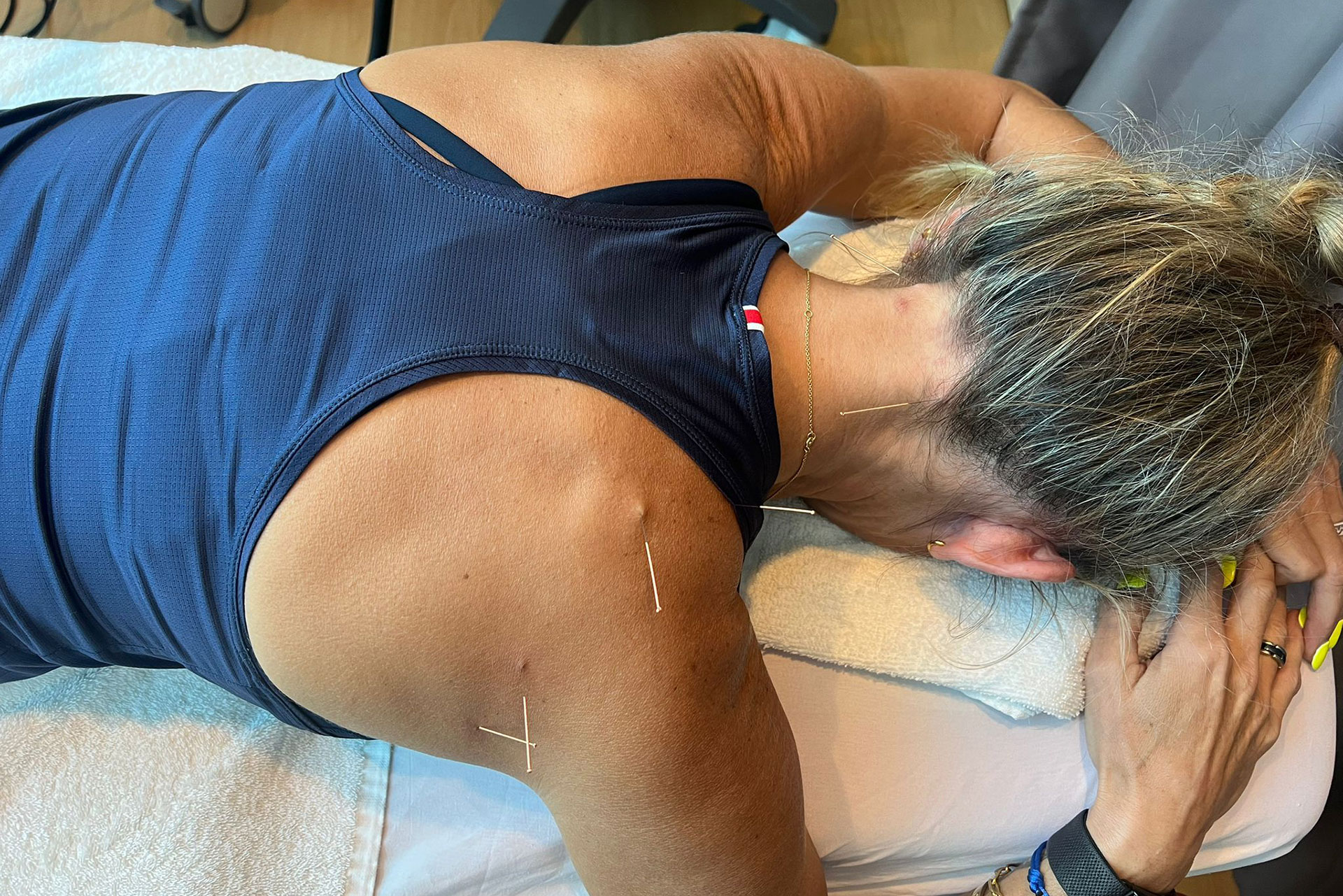
Dry needling can significantly relieve tennis elbow pain, improve range of motion, and reduce muscle tension. This minimally invasive procedure has few side effects, making it a safe and effective alternative to traditional treatments.
Schedule an Appointment with Our Senior Physiotherapists
Recovery from tennis elbow varies depending on the severity of the condition and individual factors. Mild cases may improve within a few weeks with rest, ice and anti-inflammatory measures. Moderate cases may take several months of physiotherapy, including exercises to strengthen and stretch the affected muscles. Severe cases, or those with persistent symptoms, require longer-term management and lifestyle modifications.
Patience and adherence to treatment plans are crucial for successful recovery. As your physiotherapist advises, consistent rehabilitation may take weeks to months and often yields the best results.
By addressing underlying issues and promoting healing, physiotherapy aims to restore function and prevent further deterioration, often achieving positive outcomes without the risks and recovery time associated with surgery.
If you’re suffering from daily pain from your tennis elbow, contact our clinical appointments team today to get ahead of your injury and get back into your daily active life without pain.