
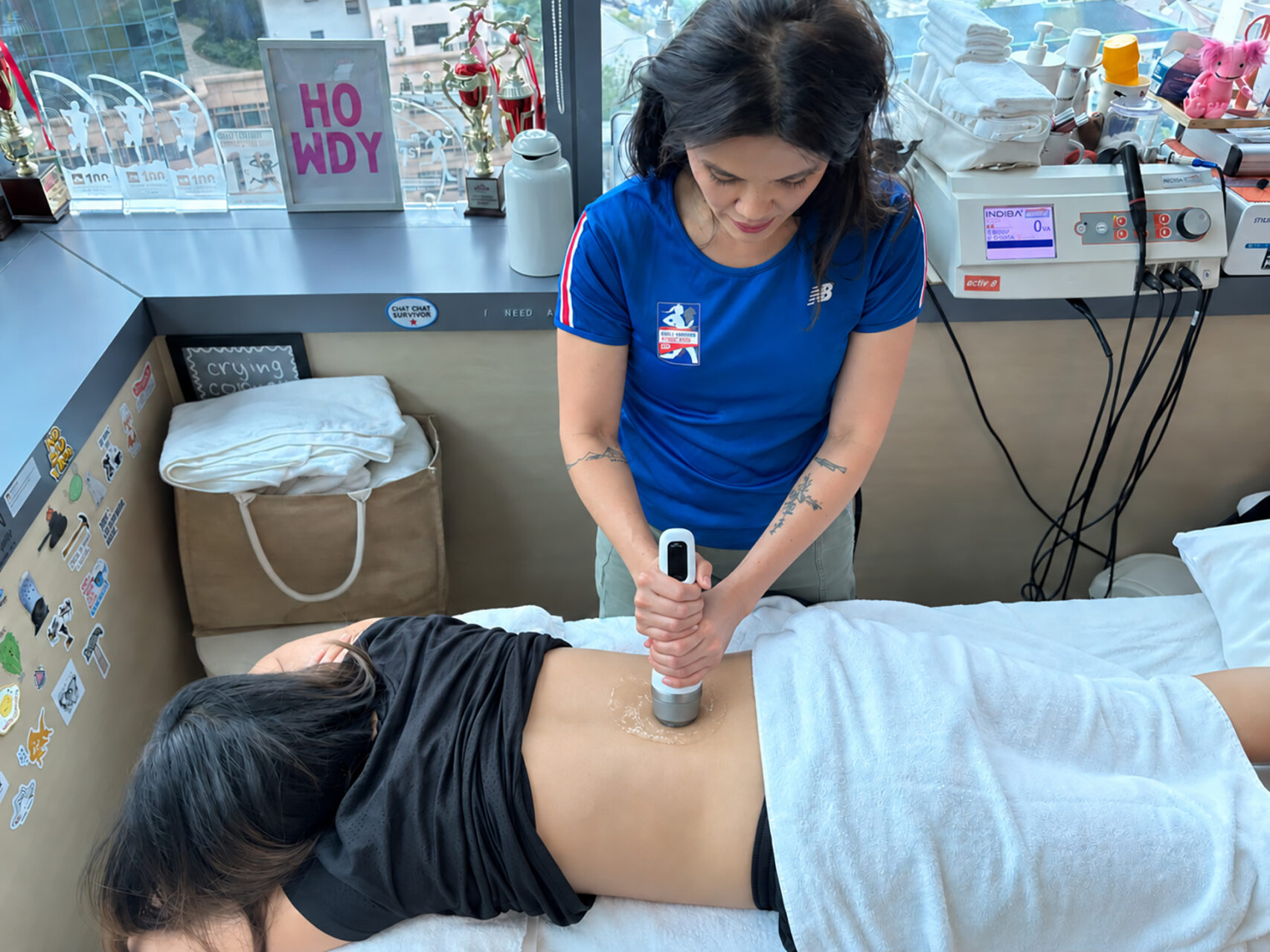
Middle back pain affects the thoracic spine, the part of your back between the base of the neck and the bottom of the rib cage.
Middle back pain is reported less often than lower back pain, but it can still affect your sitting, lifting, exercise, sleep and breathing. Pain affecting the upper and middle back can overlap with similar causes. Most middle back pain involves muscles or joints. Some back pain symptoms need medical assessment, whether it be upper, middle, or lower back pain.
Symptoms
Middle back pain symptoms depend on the cause. You may have:
- A dull ache across the middle back.
- A sharp pain in the middle of the back or pain focused on one spot.
- Muscle stiffness, tightness, spasms or tenderness.
- Pain in the upper middle back, between or below the shoulder blades.
- Pain that worsens with lifting, twisting, reaching or prolonged sitting.
- Reduced movements through the upper body.
- A burning sensation, tingling or pain that wraps around the ribs when a thoracic nerve is irritated.
Middle back pain on the left side or right side often comes from a muscle, joint or rib on that side. Middle right back pain alone isn’t enough for a clear diagnosis, as the location alone cannot identify the cause. Pain that spreads into an arm is more often linked to the neck or shoulder, or another medical cause, than to the middle back. Nerve involvement may also cause numbness, tingling, or muscle weakness.
Causes
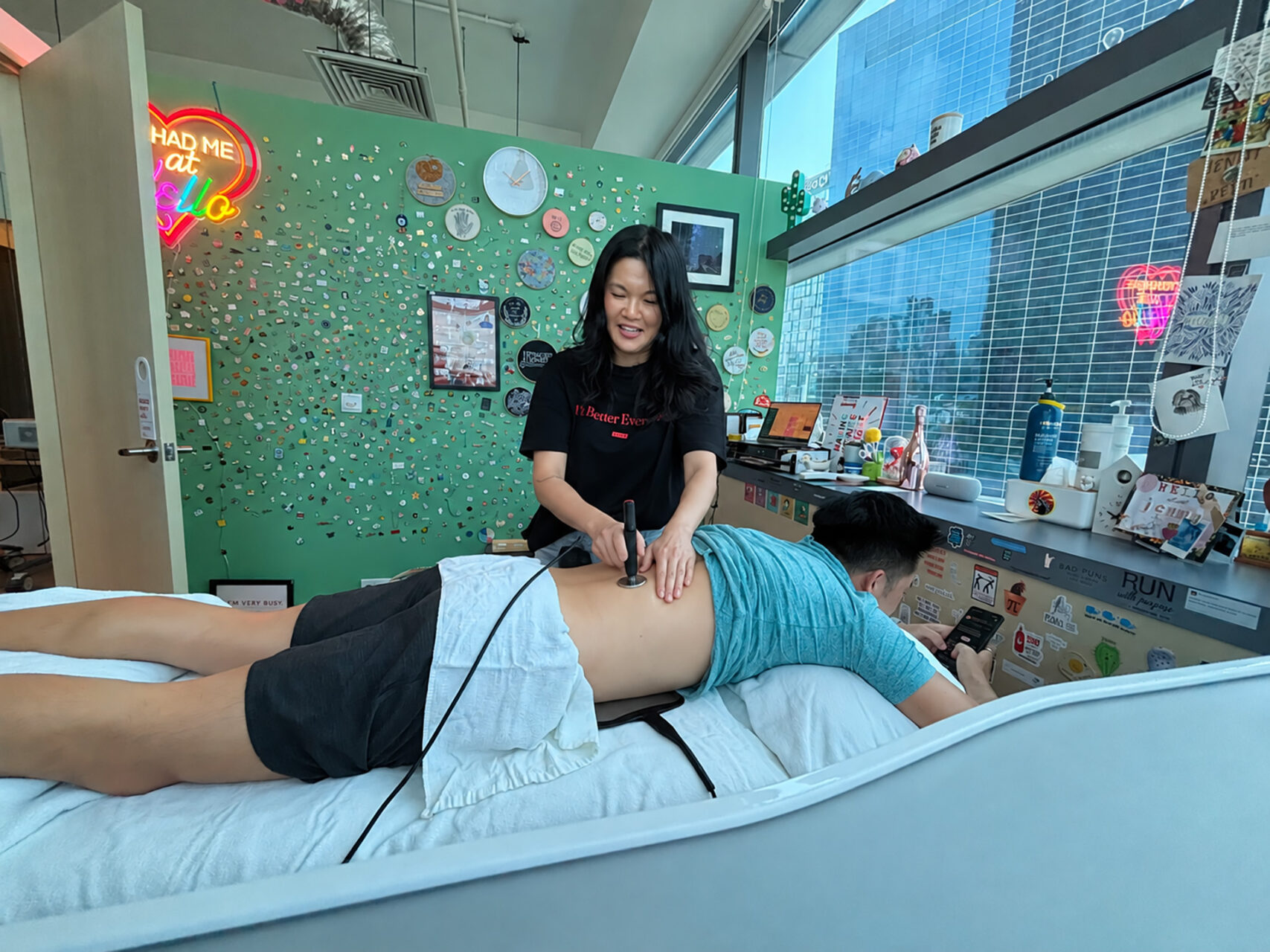
Middle back pain can result from muscle strain and conditions affecting the bones, discs, or nerves. Pain from an internal organ can also be felt in this area.
Muscle strain and changes in physical loads
Middle back muscle pain may begin after heavy or unfamiliar exercise, repetitive movement, sudden twisting, lifting, or a sports injury. Improper lifting techniques can cause muscle or ligament strain. Symptoms may begin immediately, or build up over several hours.
Prolonged positions and workstation setups
Prolonged periods in one sitting or standing position can fatigue the muscles around the thoracic spine. A screen, chair, or work surface that does not suit your body may add to the strain.
Poor posture does not automatically damage the spine, but prolonged unsupported positions can contribute to stiffness or discomfort. Poor posture is not a diagnosis in itself and will not explain every episode of back pain. A well-adjusted chair can support the back, legs and arms. Changing positions regularly is as important as the position itself.
Thoracic and rib-joint irritation
The joints between the thoracic vertebrae and the joints where the ribs meet the spine can become sensitive after a twist, impact, repeated loading, or prolonged coughing. The pain may increase with rotations, reaching, or deep breathing.
Herniated disc or nerve irritation
A slipped or herniated disc occurs when part of a spinal disc pushes beyond its usual boundary, though a thoracic disc herniation is uncommon. Herniated discs can irritate the surrounding nerves, which can be described as a pinched nerve. Pain, tingling or numbness may travel around the chest or ribs. Pressure on the spinal cord can affect the legs, balance, walking, or bladder and bowel control.
Scoliosis, arthritis and other spinal conditions
Scoliosis changes the spine’s shape and may alter how muscles and joints share the load. It is not always painful. Osteoarthritis, rheumatoid arthritis, other inflammatory arthritis, and spinal stenosis may also cause thoracic pain or stiffness.
Osteoporosis and fractures
Osteoporosis, which weakens the bones, increases the risk of a vertebral compression fracture. It may cause sudden or severe middle back pain, loss of height or increasing rounding of the back. In someone with osteoporosis, a fracture can follow a minor fall, bending, lifting or forceful coughing.
Referred pain
Referred pain starts in one part of the body but is felt elsewhere. Heart, lung, oesophageal, gallbladder, pancreatic or kidney conditions can cause middle back pain. Kidney pain from kidney stones may be felt below the ribs on one side. Associated symptoms help distinguish referred pain from musculoskeletal back pain. Other symptoms may involve breathing, digestion, urination or general health.
When to Seek Medical Care
Call 995 in Singapore for sudden middle back pain accompanied by chest pressure, difficulty breathing, fainting, heavy sweating, or pain spreading to the jaw or arm. These symptoms may indicate a heart or lung emergency and will need immediate medical attention.
Seek immediate medical attention for:
- New muscle weakness or numbness in one or both your legs.
- Difficulty walking or maintaining your balance.
- Loss of bladder or bowel control.
- Severe pain after a fall, car accident or any other significant injury.
Arrange prompt medical assessment if the pain occurs with a fever, chills, an unexplained weight loss, a history of cancer, a recent infection or immunosuppression. A medical assessment is also important when the pain is constant, worsening, repeatedly wakes you, or follows a minor trauma when you have osteoporosis or use long-term corticosteroid medicine.
Middle back pain when breathing may come from a rib joint or muscle because breathing moves the rib cage. Seek urgent care if it occurs with breathlessness, chest pains, fevers, coughs, dizziness, or you are coughing up blood.
Diagnosis of Middle Back Pain
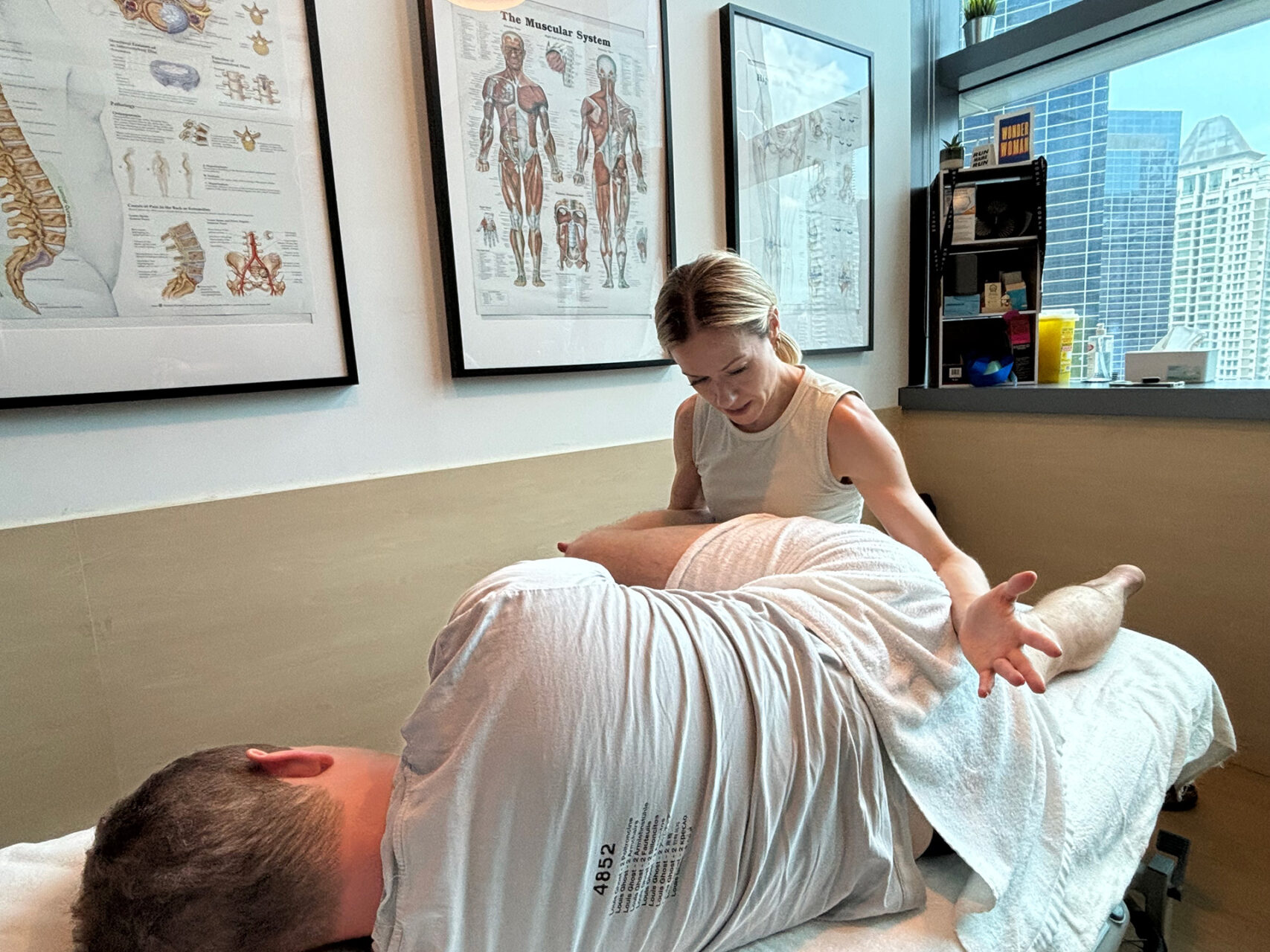
Diagnosis starts with your symptoms, health history and a physical examination. A physiotherapist may assess the soft tissues, thoracic and rib movement, muscle tenderness, strength, posture, breathing and nerve function. Your doctor may examine the chest or abdomen if the pain may not be coming from the spine.
Most uncomplicated middle back pain does not need an immediate X-ray or MRI, as doctors can often assess this spinal pain without imaging. However, imaging may be appropriate after a trauma, when fracture risk is high, or when symptoms suggest cancer, an infection, nerve injury or spinal cord compression.
Middle Back Pain Treatment
Middle back pain treatment depends on the cause. Most middle back pain linked to uncomplicated muscle and joint problems improves over days or a few weeks.
Acute middle back pain without warning signs often responds to simple measures. For short-term middle-back pain relief, keep up comfortable daily activities and gentle walking. Short periods of relative rest may help during a severe flare-up, but prolonged bed rest can increase the stiffness and reduce muscle strength. A wrapped cold pack may soothe a recent strain. Heat therapy may ease tight muscles, muscle tension or stiffness. Either may help relieve pain; try each to see which suits you best.
Non-steroidal anti-inflammatory drugs, also called NSAIDs, can reduce the pain and inflammation. These medicines are not suitable for everyone. Before using any over-the-counter medicine, ask a pharmacist or doctor if you have other medical conditions, take regular medicines, are pregnant or have had an allergic reaction to an NSAID.
How Can Physiotherapy Help with Middle Back Pain?
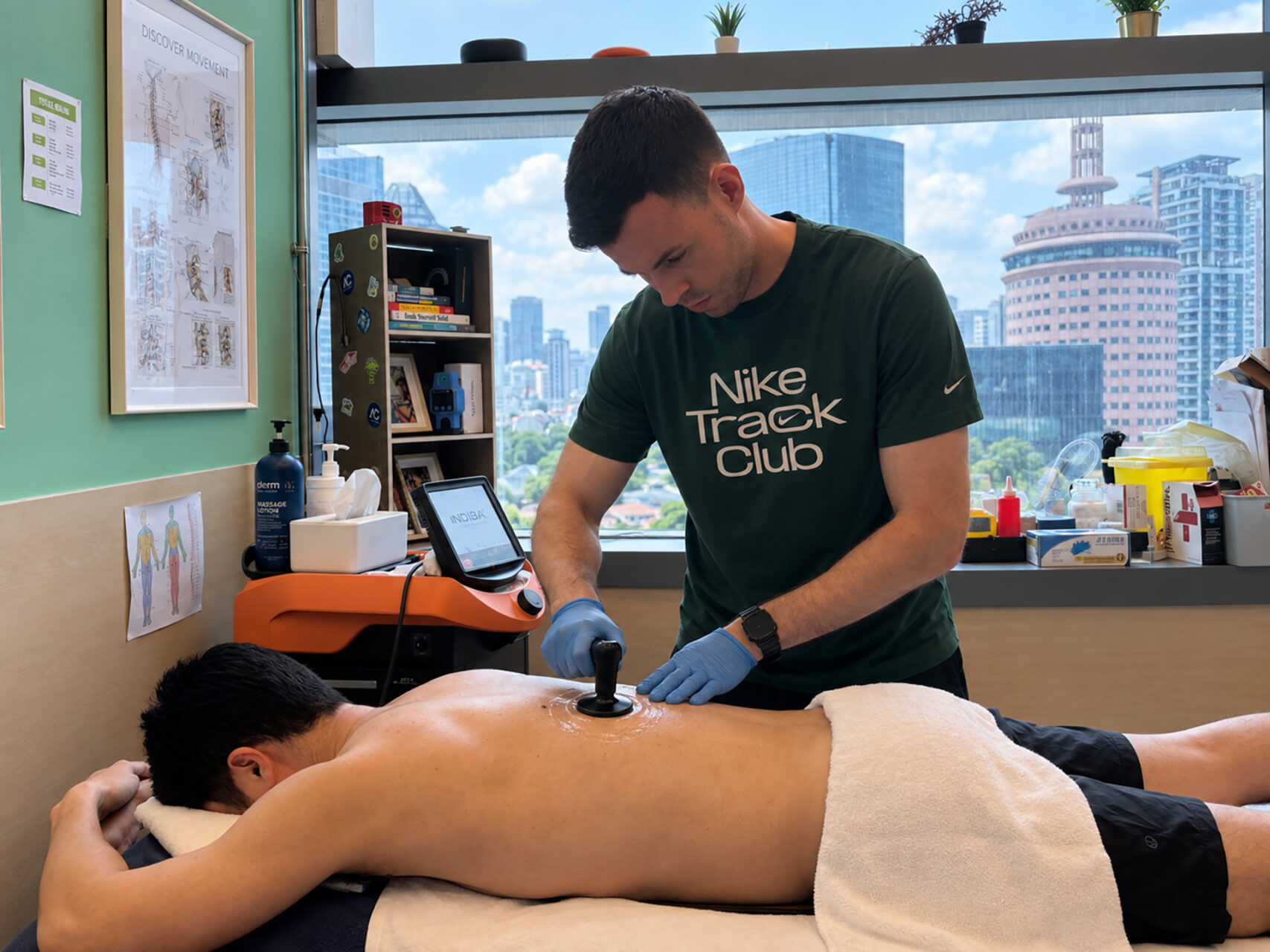
Physiotherapy may help with pain related to muscles, joints, ribs, movement or physical load. Your physiotherapist can screen for warning signs, identify activities that aggravate the pain and develop an individualized treatment plan for you.
Prescribed exercises may improve your spinal mobility, build endurance in the back muscles and strengthen weak muscles around the shoulders and trunk. A physical therapy programme may include Clinical Pilates when you need supervised, progressive exercise for movement control and conditioning. Manual Therapy may provide short-term symptom relief or improve your movement so you can participate more comfortably in your active rehabilitation.
Depending on the assessment, an adjunctive treatment may be considered:
- Dry Needling may be used for selected myofascial trigger points associated with muscle pain and restricted movement.
- Shockwave Therapy may be considered for persistent, focal myofascial pain. It is not a routine treatment for every type of middle back pain.
- INDIBA® Activ uses radiofrequency energy and may support short-term management of pain or stiffness.
- EMTT (Extracorporeal Magnetotransduction Therapy) may be considered for selected degenerative musculoskeletal conditions. Evidence specific to uncomplicated thoracic pain is limited, so it is not a standard treatment.
- LightSpeed Lift provides body-weight support during walking or running. It is not usually needed for isolated middle back pain, but it may have a role when a broader rehabilitation programme requires reduced-load gait training.
Adjunctive treatments should complement, not replace, prescribed exercises, activity changes or medical care when needed.

Prevention of Middle Back Pain
Not every episode of middle back pain can be prevented. These measures may reduce the strain and help the middle back tolerate daily activity:
- Exercise regularly and build strength in the back muscles, shoulders and trunk.
- Use gentle stretching to maintain comfortable movement through the upper and middle back.
- Adjust your chair, screen and work surface to support a comfortable working position.
- Take regular movement breaks instead of remaining in one position for prolonged periods.
- Use proper lifting techniques. Keep a load close to your body, bend slightly through the hips and knees, keep a secure grip and avoid twisting.
No position keeps your spine healthy by itself. Instead of avoiding poor posture, change positions and move regularly.
A comfortable, supportive mattress may help with sleep, but a very firm mattress is not best for everyone. Choose a mattress based on comfort and support, not firmness alone.
Middle Back Pain Physiotherapy in Singapore
HelloPhysio provides assessment and physiotherapy for musculoskeletal back pain at its Orchard Road and Raffles Hotel Arcade clinics. We offer a range of different management strategies and will build a tailored plan for your recovery. If you’re experiencing middle back pain, schedule an initial evaluation at HelloPhysio.
Frequently Asked Questions
What is middle back pain a symptom of?
Middle back pain is commonly a symptom of muscle strain, joint or rib irritation, or sensitivity after prolonged activity or staying in one position for too long. Less common causes include a herniated disc, arthritis, scoliosis, osteoporosis-related fracture, infection or referred pain from an internal organ.
How do I fix middle back pain?
Stay gently active, reduce activities that clearly aggravate the pain, and use heat or cold compresses if they help. A physiotherapist can assess your persistent pain and prescribe mobility and strengthening exercises.
What are red flags for middle back pain?
Red flags include major trauma, fevers, unexplained weight loss, a history of cancer, severe night pains, new leg weakness or numbness, difficulty walking, loss of bladder or bowel control, chest pains or breathlessness. These demand quick medical care, though the urgency depends on the symptom.
How can I tell if middle back pain is muscular?
Muscular pain often follows lifting, exercise or repeated activity. It may feel tender, tight or achy and change with movement or pressure on the area. These clues alone cannot confirm the cause. Seek a medical assessment if the pain is severe, persistent, unexplained or accompanied by other symptoms.