
|
Getting your Trinity Audio player ready...
|
What Is Lower Back Hip Pain?
Lower back and hip pain can affect the lower spine, pelvis, hip, buttock, groin, or upper thigh. As these structures are connected, pain in one area can feel like it is coming from another. A spine issue may cause pain in the hip or thigh. A hip issue may cause lower back pain. Sacroiliac joint pain may sit between the two and feel like deep buttock or pelvic pain, and other symptoms may include stiffness or a dull ache.
The lumbar area supports the body’s weight and absorbs pressure during daily activities. The pelvis transfers force between the trunk and lower limbs. The hip joint allows walking, running, squatting, climbing stairs and changing direction. Soft tissues such as the glutes, hip flexors, deep hip rotators, hamstrings, and core help these areas move as a single system.
Hip and back pain may come on suddenly after lifting, twisting, running, falling or overloading the body. It may also build gradually from prolonged sitting, muscle weakness, joint stiffness, training changes, poor recovery, poor ergonomics or age-related joint changes. Previous injuries and arthritis often contribute to the discomfort as well.
Symptoms of Lower Back and Hip Pain
Symptoms of hip and lower back pain can include aching, stiffness, sharp pain, buttock pain, groin pain, muscle pain, numbness, tingling, or weakness.
- Some people experience aching pain in the lower back and hips that worsens after sitting or standing for too long, often starting gradually.
- Others feel pain when walking, climbing stairs, bending, getting out of a chair or rolling in bed.
- Pain at night may happen when the hip or spine is irritated by lying on one side, poor sleep posture or joint inflammation.
- Pain on one side may suggest a pulled muscle, sacroiliac joint irritation, hip joint problem, nerve irritation or disc-related pain.
- Discomfort that travels below the knee, feels electric or causes numbness may signal a nerve involvement.
Lower back pain and hip pain can also change with activity. Discomfort from the hip joint often appears in the groin, the front of the thigh, or the side of the hip. Discomfort in the lower back may radiate into the buttock or the back of the thigh. Discomfort from the sacroiliac joint often feels deep near the back of the pelvis and may worsen with climbing stairs, running or standing on one leg.
Common Causes of Hip and Back Pain
Hip and back pain can be caused by muscle strain, sciatica, a herniated disc, sacroiliac joint dysfunction, hip joint osteoarthritis or arthritis of nearby joints, psoas syndrome or referred pain. Trauma such as car accidents, sports injuries and tightness from sudden twisting causes pain in this region. Chronic conditions, hip injuries and further accidents can also be triggers.
- Muscle strain is common after lifting, sports, gym work or sudden twisting. Tightness or weakness in the hips and trunk can cause the lower back to work harder than it should. Runners may notice issues after increasing mileage, speed work or hill training too quickly.
- Sciatica occurs when the sciatic nerve, which runs from the lower back into the lower limb, becomes irritated. This can cause shooting, burning or electric pain into the buttock, thigh or calf. A herniated disc can compress or irritate a nerve, causing sciatica. Carrying more weight can also place more pressure on the spinal column.
- Sacroiliac joint dysfunction causes pain at the junction of the lower spine and pelvis. Spinal canal narrowing can also cause this kind of back pain. It may be linked to pregnancy, impact, arthritis, running, repeated single-leg loading or uneven force through the pelvis.
- Osteoarthritis is a form of arthritis that occurs when cartilage in the joints deteriorates. In the hip, it can cause groin pain, stiffness and reduced hip rotation. In the lower spine, osteoarthritis may cause stiffness, aching and discomfort that changes with movement.
- Pregnancy: Lower back and hip pain during pregnancy may come from common musculoskeletal causes such as muscle strain, sciatica, sacroiliac joint pain, hip osteoarthritis, tendinopathy or psoas tightness. Pregnancy and postpartum changes can also contribute, as hormonal shifts, pelvic loading and ligament relaxation may place a greater strain on the lower back, hips and sacroiliac joints.
- Psoas syndrome involves the irritation or tightness of the psoas muscle, a deep hip flexor that connects the lower spine to the upper thigh. It can contribute to front hip discomfort, lower back tightness and aching after prolonged sitting or running.
How Is Hip and Lower Back Pain Diagnosed?
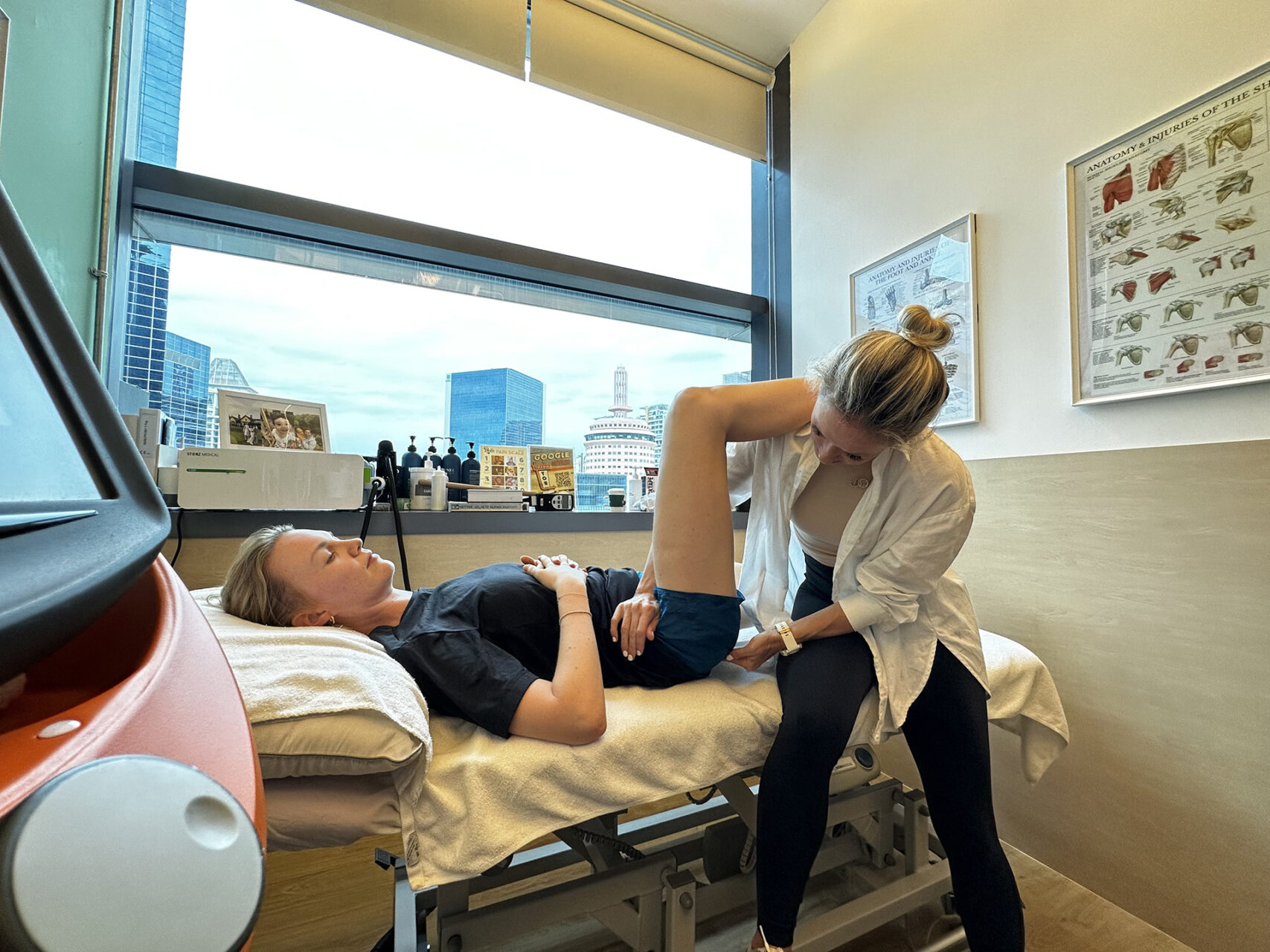
Hip and lower back pain is diagnosed through a careful history, movement assessment, strength testing and screening for nerve or joint signs.
The physical examination may include checking spinal movement, hip range of motion, walking pattern, single-leg control, muscle strength, flexibility, joint mobility, nerve tension and balance.
Imaging is not always needed. A physiotherapist may suggest X-rays, MRI or ultrasound scans when the pain is severe, persistent, linked with trauma, or suggests nerve compression, fracture, arthritis, or another condition.
Seek urgent medical care, or go to the emergency room, if the pain is linked with a loss of bladder or bowel control, numbness around the groin or saddle area, worsening lower-limb weakness, fever, unexplained weight loss, major trauma or severe night pain that does not settle.
Treatment Options for Pain Relief of Lower Back Hip Pain
Different back and hip conditions need different interventions because the pain may come from the spine, hip joint, nerves, muscles or sacroiliac joint. The right treatment depends on what is found during the assessment and how your symptoms respond to the treatment.
Greater Trochanteric Pain Syndrome
Symptoms: Irritation of the gluteal tendons or bursa at the side of the hip.
Treatment: Load management, hip abductor strengthening, sleep-position advice, Shockwave Therapy when tendon pain is persistent, progressive exercise.
Herniated Disc
Symptoms: A disc bulges or leaks and may irritate a nerve root.
Treatment: Physiotherapy, pain-relieving positions, nerve glides, trunk and hip strengthening, INDIBA® to support movement tolerance, EMTT in selected cases, corticosteroid injections or surgery by an orthopedic surgeon if severe nerve compression persists.
Hip Impingement or Labral Irritation
Symptoms: Pinching or irritation inside the hip joint.
Treatment: Hip mobility assessment, strength work, activity modification, movement retraining, specialist review if discomfort persists.
Lumbar Facet Joint Pain
Symptoms: Irritation of the small joints at the back of the spine.
Treatment: Manual therapy, mobility exercises, strengthening, INDIBA, posture variation and gradual loading.
Muscle Strain or Imbalance
Symptoms: Overload, tightness or weakness in the lower back, glutes, hip flexors or deep hip muscles.
Treatment: Relative rest, manual therapy, Sports Massage, Dry Needling for trigger points, INDIBA for pain and stiffness, strengthening and prescribed at-home exercises.
Osteoarthritis
Symptoms: Cartilage in the hip or spinal joints deteriorates, causing pain and stiffness.
Treatment: Mobility work, strengthening, activity pacing, weight management, INDIBA for stiffness and pain, medical review for advanced joint disease.
Psoas Syndrome
Symptoms: Tightness, irritation or overactivity of the deep hip flexor muscle.
Treatment: Hip flexor mobility, glute and core work, sitting changes, manual therapy, Dry Needling when appropriate.
Sacroiliac Joint Dysfunction
Symptoms: Irritation or poor load transfer at the joint between the spine and pelvis.
Treatment: Pelvic control exercises, glute strengthening, manual therapy, Dry Needling for surrounding muscle guarding, gradual return to running or sport.
Sciatica
Symptoms: Irritation of a nerve that travels from the lower back into the leg.
Treatment: Nerve mobility exercises, walking guidance, core and hip strengthening, weight management where appropriate, medical review if weakness occurs or symptoms worsen.
Spinal Stenosis
Symptoms: Narrowing around the spinal nerves.
Treatment: Flexion-biased exercises, walking modification, hip and trunk strength work, medical review if walking tolerance declines.
Physical Therapy Exercises for Lower Back and Hip Pain
Exercises for back or hip pain help restore movement, improve strength and reduce repeated irritation.
The right exercises depend on the cause.
- Early strengthening exercises may include walking, pelvic tilts, knee rolls, breathing drills, hip flexor mobility, glute activation and gentle lower back mobility.
- As symptoms improve, the plan may progress to bridges, clamshells, side planks, bird dogs, squats, hip hinges, step-ups, lunges and controlled balance work.
- For runners, exercises often focus on hip control, glute strength, trunk stability, calf strength and gradual tolerance.
- For desk-based professionals, the focus may include hip flexor mobility, spinal movement, posture variation, ergonomic adjustments, and strength work to offset long hours of sitting.
Prescribed at-home exercises are important because recovery does not happen only in the clinic. A physiotherapist can adjust your exercises as your pain settles, strength improves, and your activity goals change.
Avoid forcing stretches or pushing through discomfort that spreads down the thigh, causes numbness or worsens after activity. Mild discomfort may be acceptable during rehabilitation, but it should settle and remain manageable.
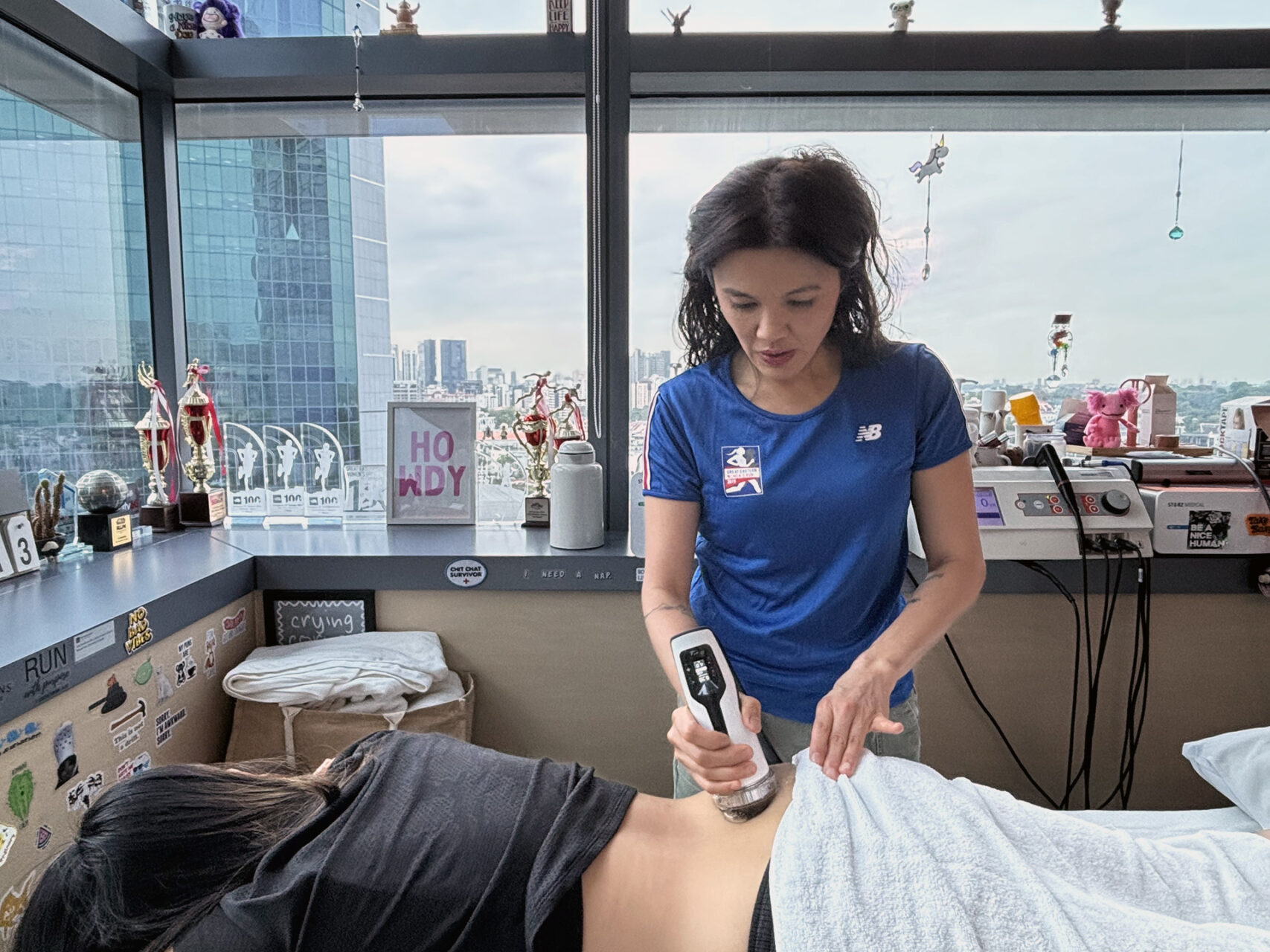
Manage Pain while Walking, Sitting or Sleeping
Lower back and hip pain when walking, sitting, or sleeping is often managed by adjusting your load, position and movement habits.
- If walking worsens your lower back pain, shorten your stride, reduce speed, avoid hills temporarily and take shorter, more frequent walks. If symptoms ease when leaning forward, spinal stenosis or nerve irritation may be considered, especially if the pain starts in the lower back. If the pain is worse on one side or during push-off, hip or sacroiliac joint loading may be involved.
- If sitting bothers your back, change your position often. Use an ergonomic chair, keep your feet on the floor and take movement breaks. Ergonomic adjustments may reduce the strain across the lower back, pelvis and hips, especially during long workdays.
- If you wake at night, try sleeping on the less painful side with a pillow between your knees, or on your back with a pillow under your knees. Night-time symptoms that are severe, worsen with rest, are unexplained, or are not relieved by position changes should be assessed.
Recovery and Recurrence Prevention of Lower Back Hip Pain
Recovery from back or hip pain depends on the cause, duration, strength, activity demands and your consistency with rehabilitation.
- For most patients, minor injuries and mild muscle strains improve within days or weeks.
- Symptoms may flare up when your activity increases, then settle as the body adapts.
- Back pain often settles with rest.
- Nerve irritation, hip osteoarthritis, sacroiliac joint pain, hip injuries or tendon-related pain may take longer.
Prevention focuses on the strength, mobility, and load management to reduce the risk of hip pain and lower back issues. For runners, athletes and other sports patients, this may include strength training, recovery planning, footwear review, running load management and return-to-sport testing to reduce future injuries. For office workers, it may include ergonomic furniture, improved sitting tolerance, and a consistent routine that builds capacity outside of work.
How HelloPhysio Can Help
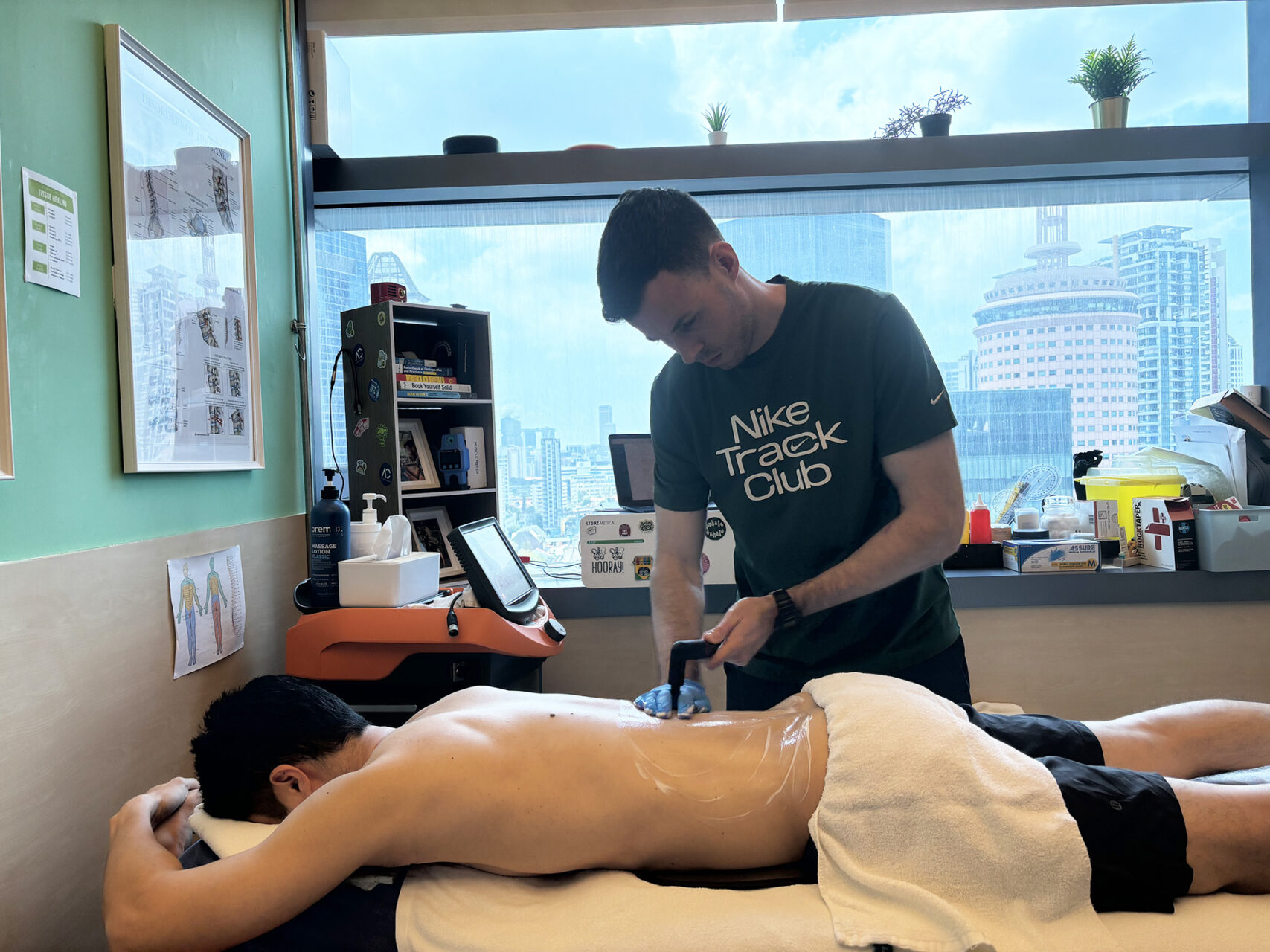
If lower back or hip pain is affecting your walking, sleep, work, training, daily life, or your overall quality of life, HelloPhysio can help.
Our physiotherapists can assess whether your discomfort comes from the lumbar area, hip, sacroiliac joint, nerves or nearby tissues. We then create a care plan that includes manual therapy, prescribed exercises, movement retraining, and adjunctive care where appropriate. Contact HelloPhysio to book a consultation.